
Will Chicken Breast Make You Fat? What Matters Most
If you have been asking will chicken breast make you fat, the short answer is usually no. Chicken breast is a lean protein, and by itself it is not the kind of food that typically causes weight gain.
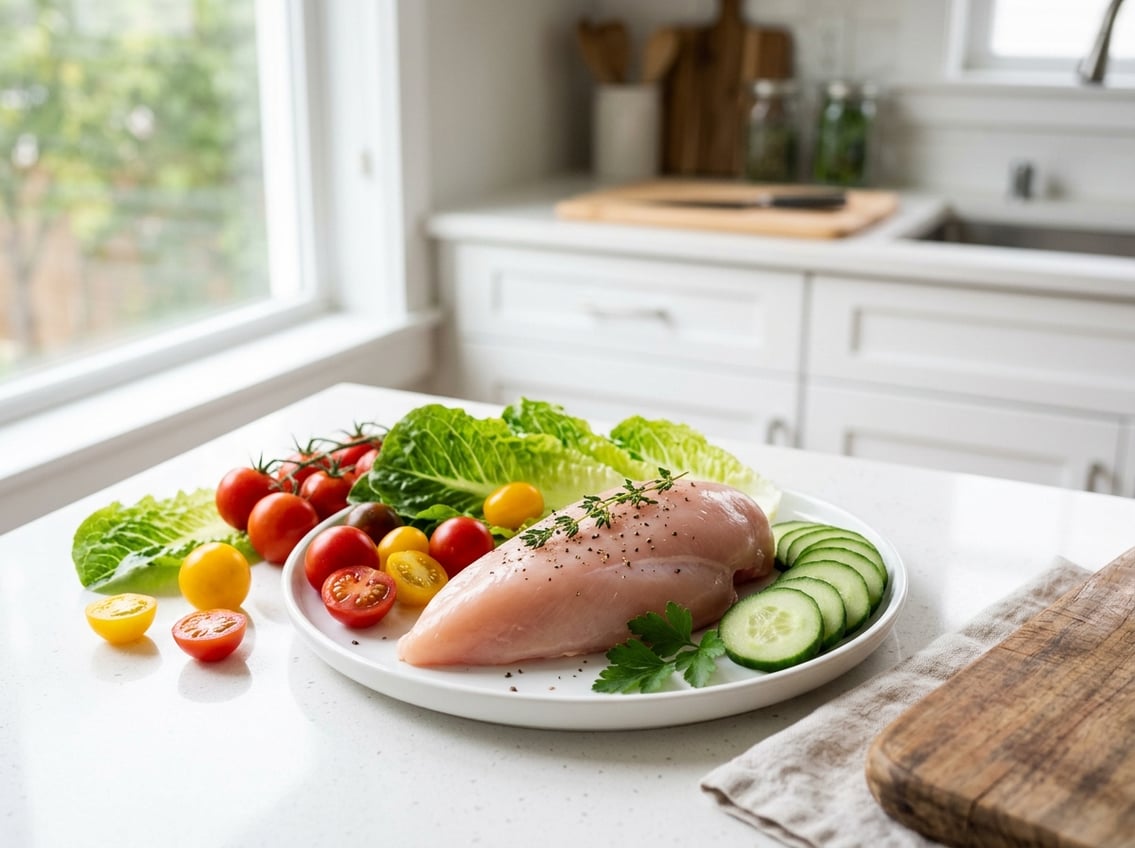
What matters most is your total calorie intake, your portion size, and how you prepare the chicken. A plain, skinless, grilled chicken breast fits very differently into your diet than fried chicken with creamy sauce.
What Actually Determines Weight Gain
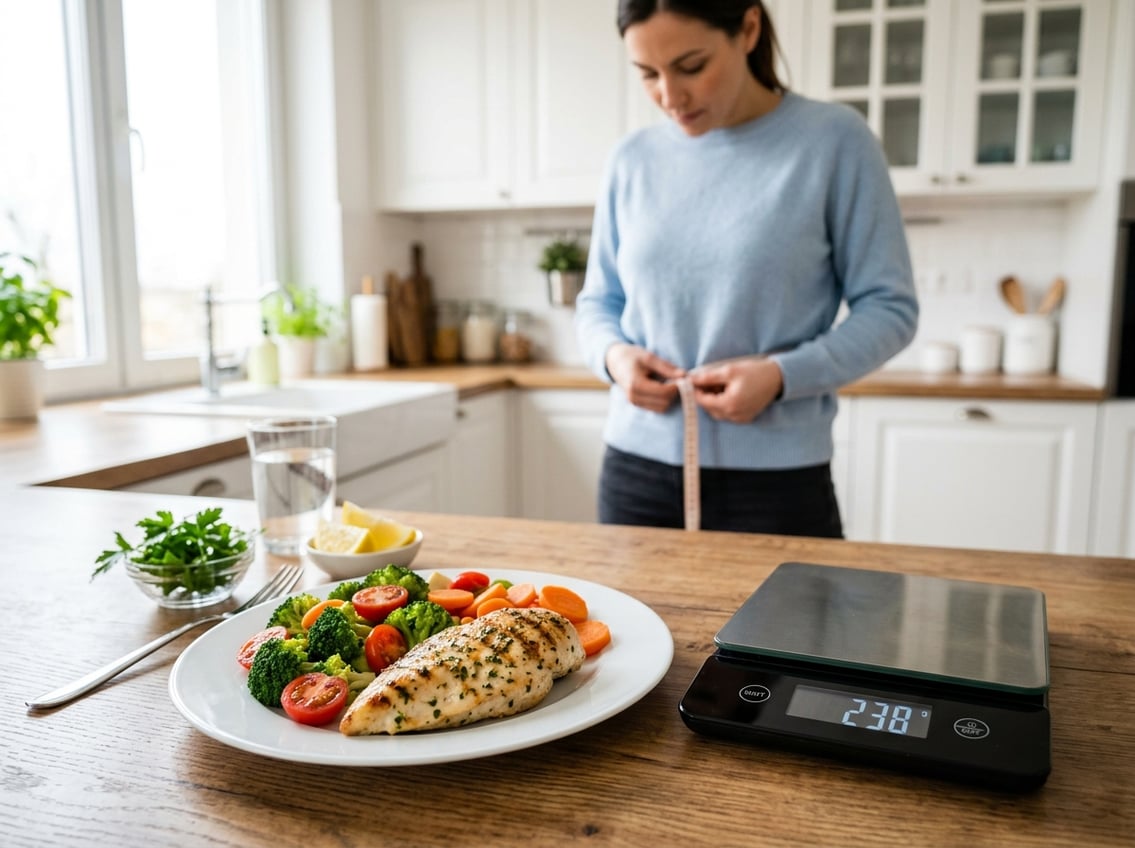
You gain weight when you eat more calories than your body uses over time. The calorie content of chicken only matters as part of your whole diet.
A lean protein like chicken breast can fit well into many meal plans when you keep portions and cooking methods in check.
Calorie Balance Comes First
Your body gains fat when your calorie intake stays above your calorie burn for long enough. That can happen with almost any food if you eat enough of it.
Even a lean food can contribute to weight gain if your portions are very large or if you add a lot of oil, cheese, or creamy sauce.
Why Chicken Breast Is Usually Considered a Lean Option
Skinless chicken breast is usually low in fat and high in protein. According to nutrition facts for grilled chicken breast, a 3-ounce serving has about 128 calories, 26 grams of protein, and only about 2.7 grams of fat.
That protein-to-calorie ratio makes it easier to build meals that support fullness without adding many extra calories. It can also help you preserve muscle mass while you lose fat.
Association vs Causation in Poultry Research
When people ask whether poultry makes them gain weight, they often mix up the food itself with the way they eat it. Fried chicken, breaded chicken, and oversized restaurant portions are not the same as plain chicken breast.
A meal pattern with many high-calorie add-ons may be linked with weight gain, but the chicken itself is not the cause. That is the difference between association and causation.
How Chicken Breast Can Fit Into Weight Loss
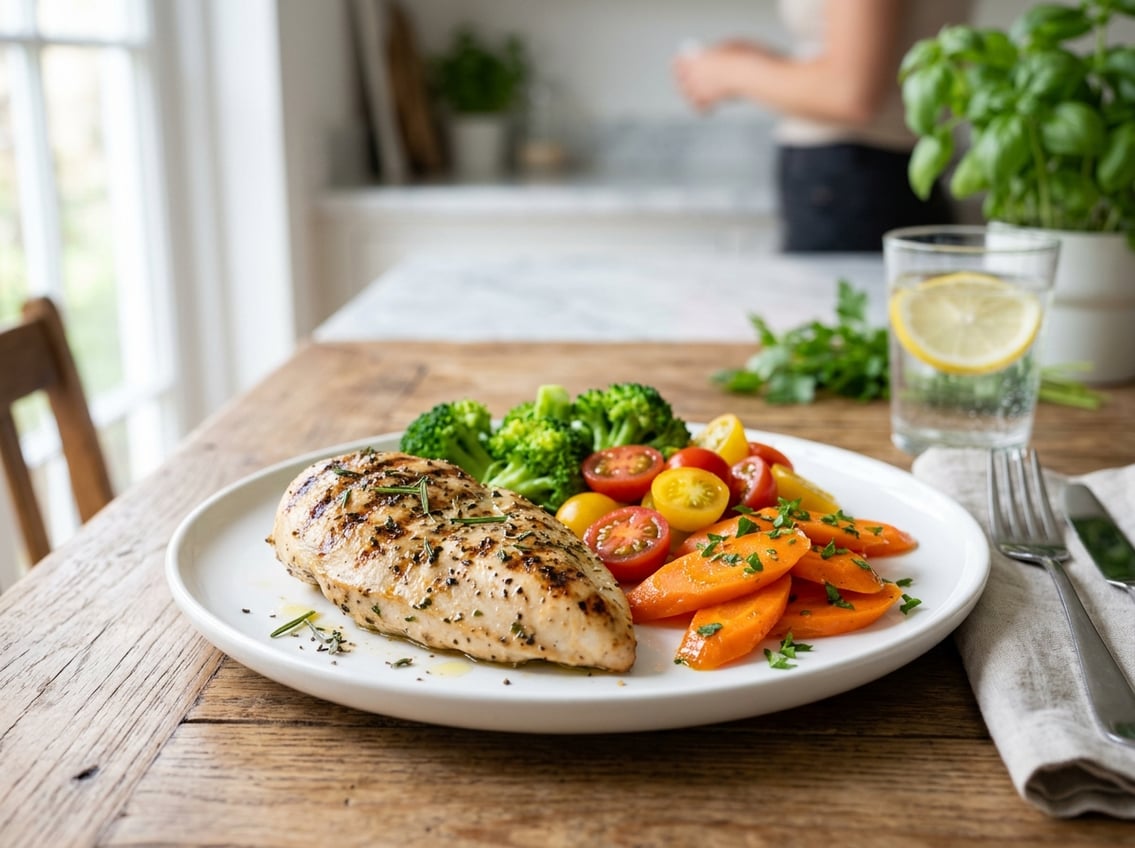
Skinless chicken breast is a practical choice when you want a high-protein meal that stays lower in calories. It can help you preserve muscle mass during fat loss, especially when you pay attention to portion control and keep the rest of the plate balanced.
Protein, Fullness, and Appetite Control
Protein tends to keep you full longer than foods that are mostly refined carbs or fat. That makes lean protein useful when you are trying to eat less without feeling hungry all the time.
Chicken breast can make lunch or dinner more satisfying, which may help you avoid snacking later.
Why Skinless Cuts Are Lower in Calories
Skinless chicken has less fat than skin-on chicken, so it also has fewer calories. As noted in chicken breast nutrition facts, keeping the skin on raises both fat and calories.
Choosing skinless chicken breast gives you more room in your daily calorie budget for vegetables, grains, or healthy fats.
When Chicken Supports Muscle Retention During Fat Loss
If you are losing weight, you want to lose more fat than muscle. High-protein foods like chicken breast help support that goal by giving your body the amino acids it needs.
When you pair chicken breast with resistance training and enough total protein, it can help you preserve muscle mass while you lose body fat.
Preparation and Portion Size Change the Outcome
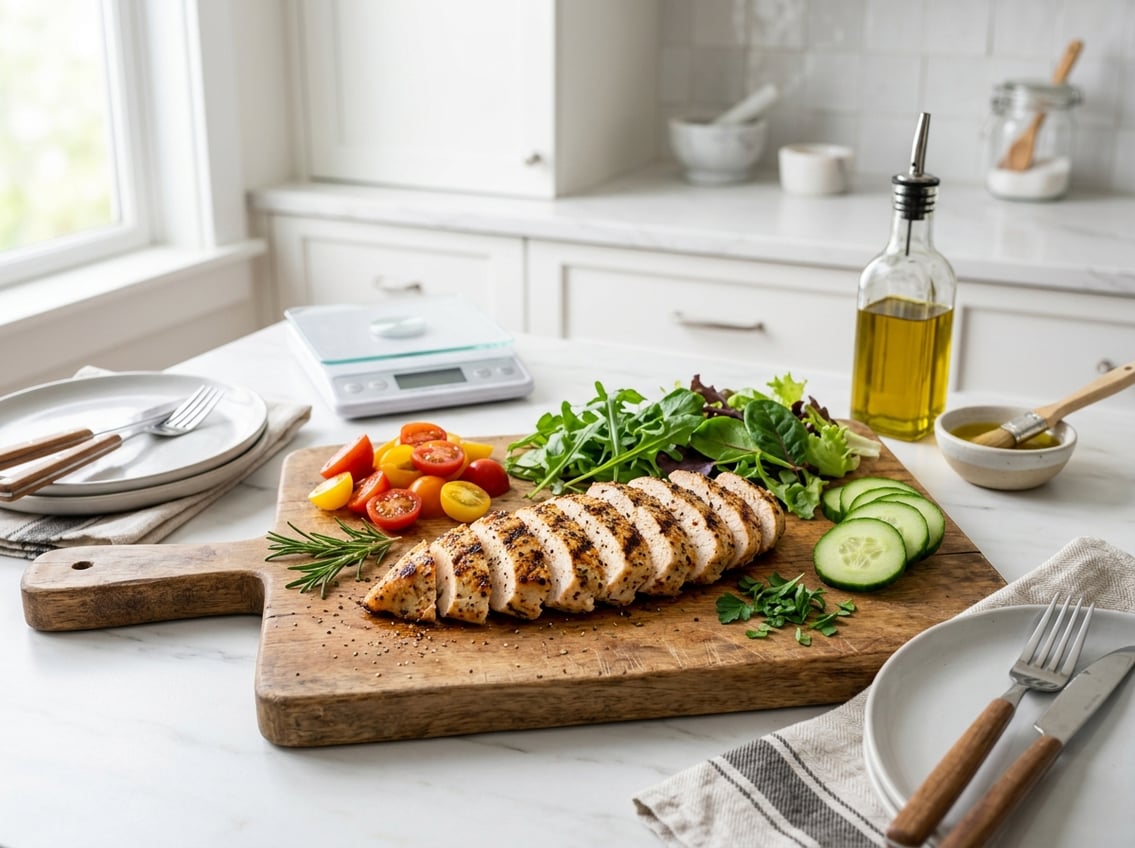
The way you cook chicken can change the calorie content far more than the cut itself. Portion control matters just as much, since many chicken breasts are larger than a standard serving.
A healthy meal can turn heavy fast if you add oil, breading, or rich sauces.
Grilled vs Fried and Breaded Options
Grilled chicken is usually a lower-calorie choice because it does not soak up extra fat during cooking. A grilled chicken breast keeps the meal closer to the natural lean protein profile.
Fried and breaded chicken are different. The coating adds calories, and frying adds even more fat.
A recent guide on how chicken breast fits into weight loss notes that grilled and skinless options are better choices when you want a lighter meal.
Sauces, Oils, and Hidden Calories
A plain chicken breast can stay lean, yet the toppings may change the meal quickly. Olive oil, butter, creamy dressings, barbecue sauce, and cheese all raise calories.
If you cook chicken at home, measure oil instead of pouring it freely.
Serving Sizes That Make Sense for Your Goals
A 3-ounce cooked serving is a useful benchmark for many people. In real life, many chicken breasts are much larger, so one breast may count as two or more servings.
If your goal is fat loss, portion control gives you more accuracy. Weighing cooked chicken or using the package label helps you stay closer to your target.
Best Choices When You Want a Lower-Calorie Meal
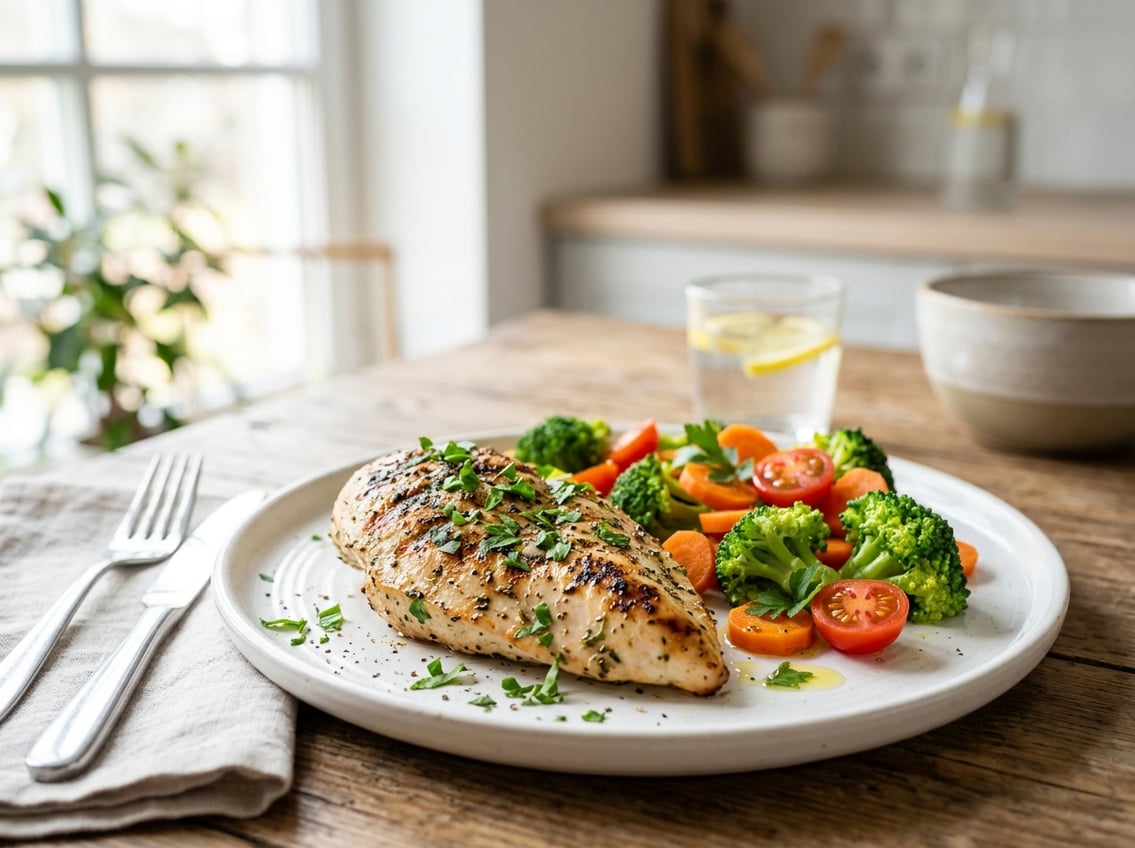
The leanest chicken meals usually start with skinless chicken breast, then add low-calorie sides. That gives you protein, volume, and better control over total calories.
The main goal is to keep the meal filling without turning it into a high-fat plate.
Breast vs Thighs, Wings, and Skin-On Cuts
Chicken breast is usually the leanest common cut. Thighs and wings contain more fat, and skin-on versions add even more calories.
If your focus is weight loss, skinless chicken breast is usually the easiest choice. It gives you more protein for fewer calories, which makes portion control easier.
Smart Pairings With Vegetables and Whole Grains
A chicken breast meal works well with vegetables like broccoli, green beans, salad greens, or peppers. Whole grains like brown rice, quinoa, or oats can add fiber and help you feel satisfied.
This kind of plate gives you balance without pushing calories too high. It also makes it easier to keep lean protein at the center of your meal.
Common Mistakes That Turn a Healthy Meal Into a High-Calorie One
You can turn a healthy chicken dinner into a high-calorie meal by adding too much oil or large portions of rice or pasta. Heavy sauces also increase the calorie count.
Fried sides and sugary drinks add even more calories.
Watch for these common problems:
-
You use skin-on chicken instead of skinless chicken breast.
-
You pour oil instead of measuring it.
-
You choose large breaded cutlets instead of plain grilled chicken breast.
-
You load up on creamy sauces and cheese.
-
You treat a full restaurant portion as one serving.
Keep the chicken lean and the rest of the plate simple. This approach helps you stay within your calorie target.


