
Should Chicken Breast Be Tenderized? When and How
The question of whether to tenderize chicken breast comes up because chicken breast is lean, mild, and easy to overcook. In many cases, tenderizing helps you get a more even shape, better seasoning, and a juicier bite.
If you want tender chicken breast, choose the tenderizing method that matches your recipe. Cook it gently enough to preserve moisture.
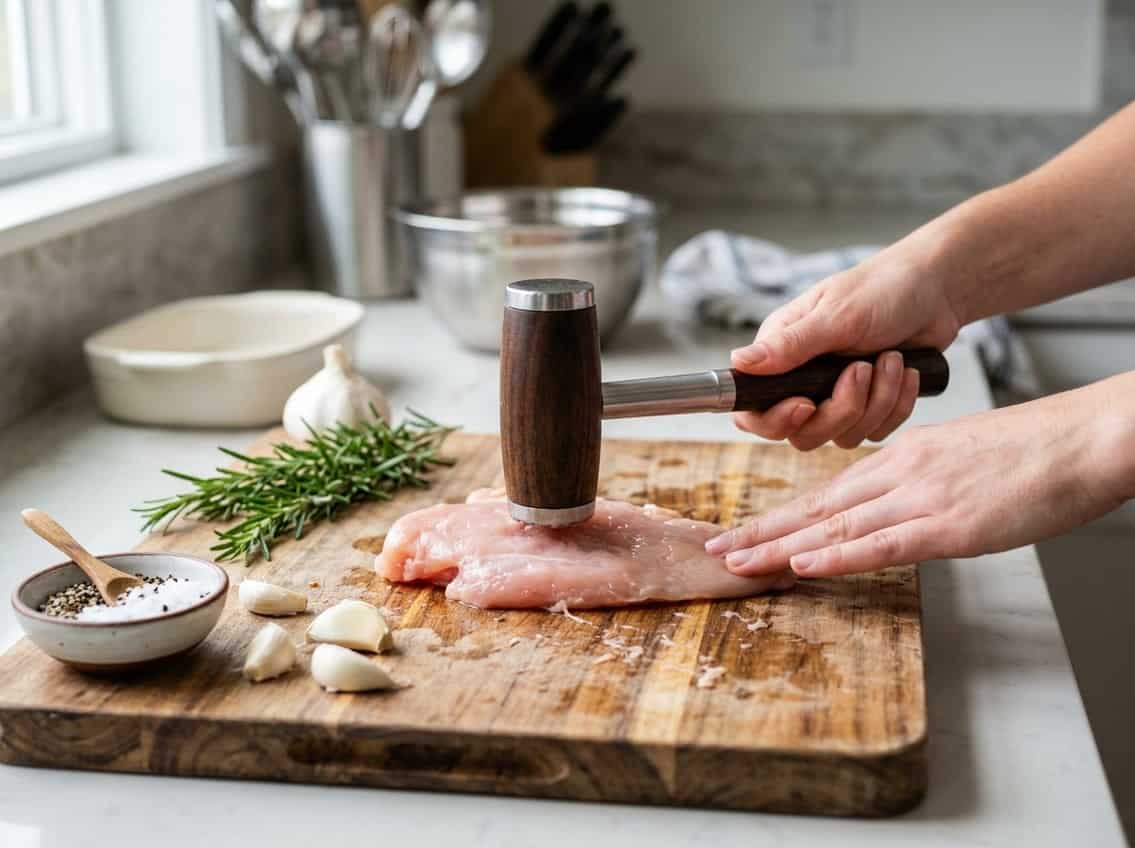
You do not need to tenderize every chicken breast before cooking. A thin cut for a quick sauté may only need even thickness.
A thick breast for grilling or baking often benefits from pounding, brining, or marinating. You want tender chicken that stays firm enough to slice, holds flavor, and turns into a juicy chicken breast instead of a dry one.
When Tenderizing Helps Most
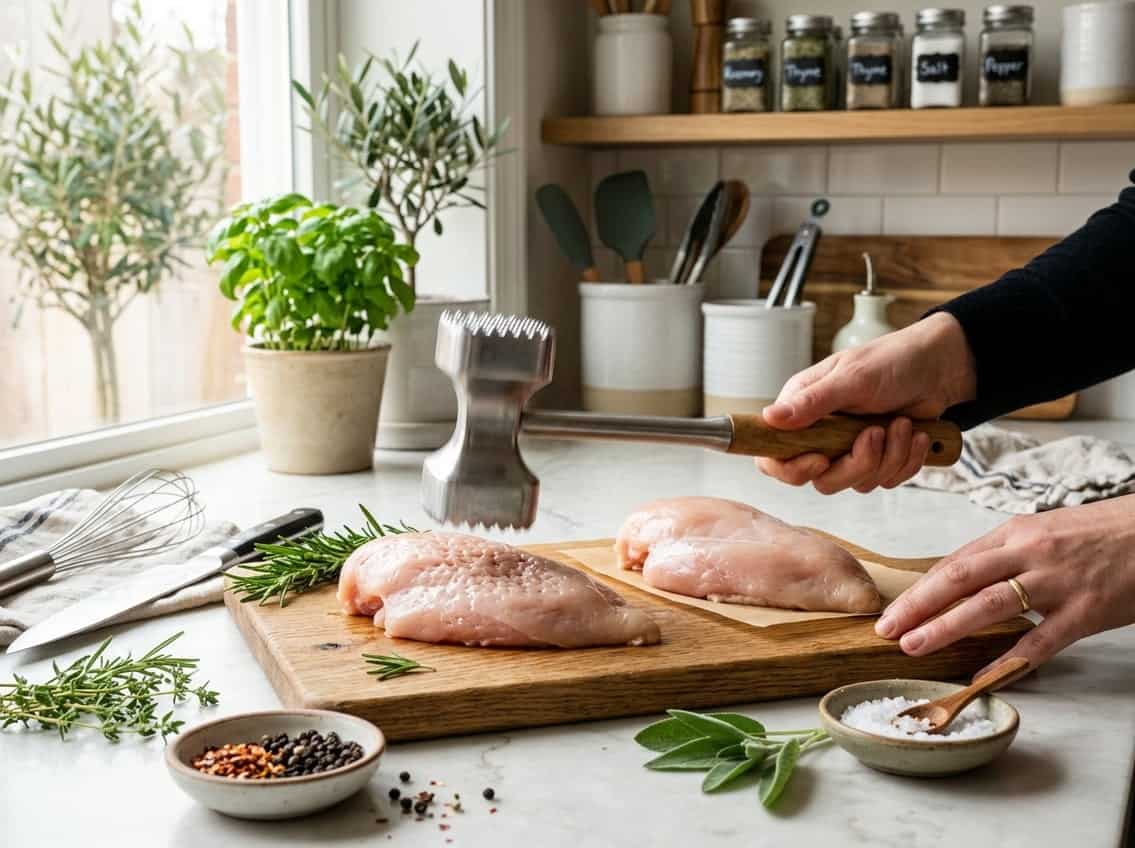
Tenderizing helps most when the cut is thick, uneven, or likely to cook too fast on the outside. A boneless chicken breast can dry out before the center is done, so a little prep makes a clear difference.
The right approach also helps tenderize chicken breast without changing the flavor in a major way.
Why Boneless Chicken Breast Turns Dry or Chewy
Boneless chicken breast is very lean, so it has little fat to protect it during cooking. If one side is thicker than the other, the thin end cooks first and loses moisture before the thick part finishes.
Heat tightens the muscle fibers. That is why tenderizing chicken breast before cooking often leads to a more moist result, especially for high-heat methods like grilling or pan-searing.
When You Can Skip Tenderizing
You can skip tenderizing chicken breasts when the pieces are already thin and even. Thin cutlets, pre-sliced stir-fry strips, and recipes with a long wet cooking stage may not need extra help.
If the recipe already uses a strong brine, a rich sauce, or slow cooking, the texture may stay soft without mechanical help. In those cases, gentle cooking matters more than pounding.
How Even Thickness Improves Juicy Results
Even thickness is one of the simplest ways to improve juicy chicken. When the breast has a level surface, it cooks at the same speed across the whole piece.
A quick pound with a mallet or rolling pin can flatten the thick end just enough. That small step reduces the chance of dry edges.
Best Tenderizing Methods for Chicken Breast
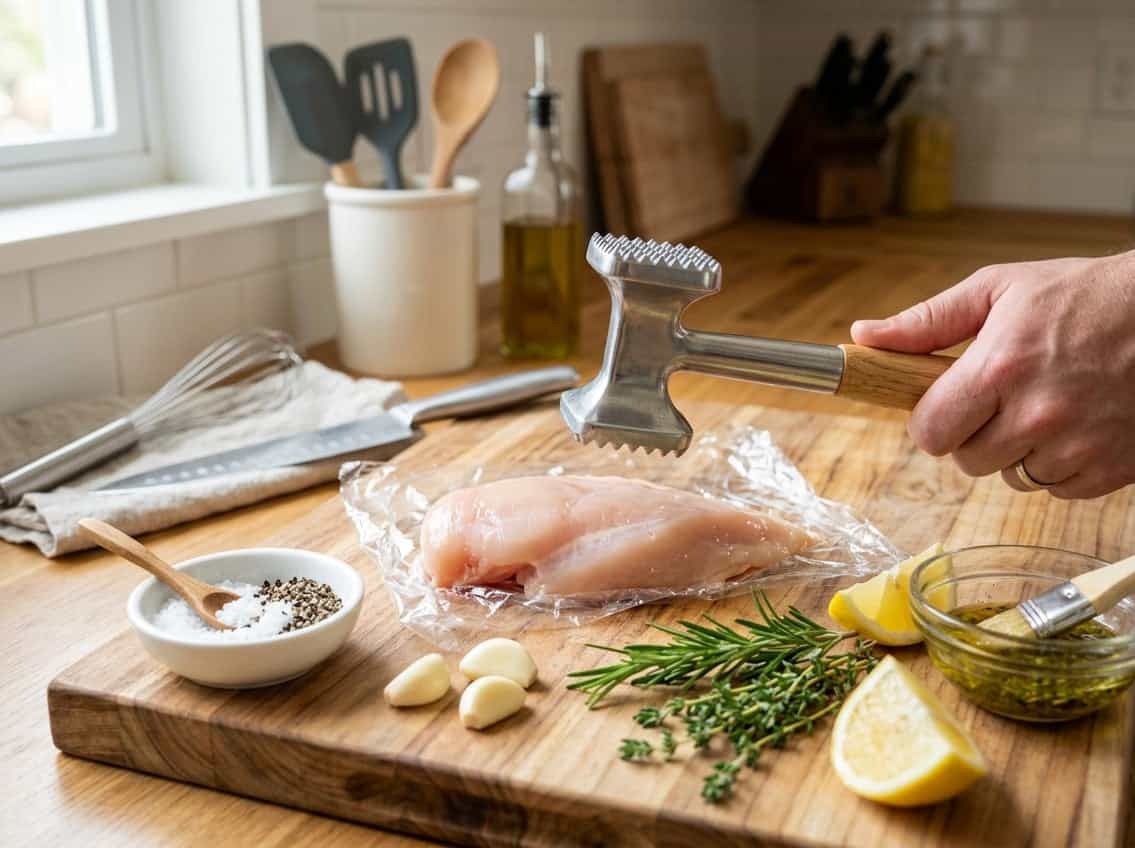
You have several good options, and the best way to tenderize chicken depends on your time, flavor goals, and cooking method. Some methods change texture right away, while others work by adding moisture or changing the surface of the meat.
A simple combination of tenderizing and seasoning often works well.
Mechanical Tenderizing With a Meat Mallet
A meat mallet is a direct tool for mechanical tenderizing. Place the breast between plastic wrap or parchment, then pound it gently to an even thickness.
This breaks up tight fibers and keeps the meat from cooking unevenly. A meat tenderizer tool with small blades can also work, but use it carefully to avoid tearing the surface.
Brine for Moisture and Seasoning
To brine chicken, soak it in a simple saltwater solution before cooking. This helps the meat hold onto moisture and improves seasoning from the inside out.
A short brine is often enough for breast meat. Food Network’s guide to tenderizing chicken explains why brining and pounding both help with tenderness.
Marinate for Flavor and Softer Texture
When you marinate chicken, you add flavor and some surface softening at the same time. Acidic marinades with ingredients like yogurt, lemon juice, vinegar, or buttermilk can help tenderize the outer layer of the meat.
Good marinade ingredients include oil, salt, herbs, garlic, citrus, and mild acid. Keep the marinating time controlled, since long exposure to acidic marinades can make the texture less pleasant.
Baking Soda for Fast Tenderizing
Baking soda tenderizes chicken by changing the surface pH, which can make the meat feel softer after a short rest. This method works quickly, so it is useful when you need fast results.
Use baking soda in a light, measured way. Too much can leave a soapy taste, so rinse or wipe the chicken well before cooking.
Velvet Chicken for Stir-Fries
Velvet chicken is a classic method for stir-fries and small pieces. It usually combines egg white, cornstarch, and a little oil to create a coating that protects the meat.
This technique is less about deep penetration and more about keeping the tenderizing process gentle during high-heat cooking. It works especially well when you want soft pieces that stay silky in the pan.
How to Choose the Right Method for the Recipe
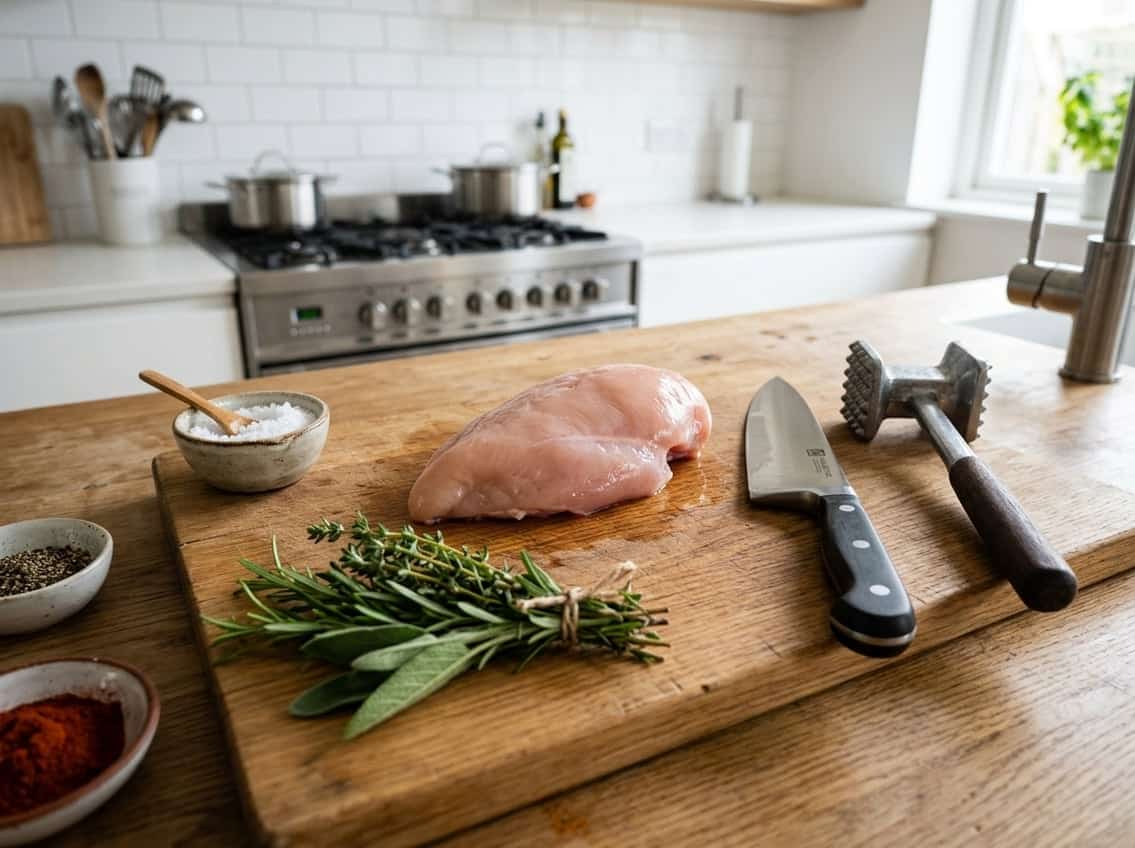
You do not need the same method for every dish. The right choice depends on heat level, cooking time, and whether you need surface flavor, moisture, or both.
A good match between method and recipe gives you juicy chicken breast without extra work.
For Grilling, Pan-Searing, and Baking
For grilling and pan-searing, pound to even thickness and use a short brine. These methods help the chicken cook evenly and stay juicy under direct heat.
For baking, brining or using a mild marinade can help the meat stay moist during a longer cook. Marinating can also add flavor that stands up well to the oven.
For Stir-Fries and Small Pieces
For stir-fries, velvet chicken is often the best fit. Small pieces cook very quickly, so the coating helps protect them from drying out.
If you are cutting the breast into bite-size pieces, you can also use a light marinade before velveting. That gives you both flavor and a softer bite.
For Breasts Versus Deboned Thighs
Chicken breast needs more help than deboned thighs because it is leaner and less forgiving. Deboned thighs already have more fat, so they stay juicy more easily.
If you are choosing between them, use the same method for both only when the recipe needs it. For breast meat, tenderize more often than you would with thighs.
When Combining Methods Makes Sense
Combining methods can work well when the recipe is simple. For example, you can pound the breast, then marinate it briefly, then cook it with controlled heat.
You can also brine first and follow with a dry rub. That pairing often gives you better seasoning and a juicier result.
Mistakes That Ruin Texture
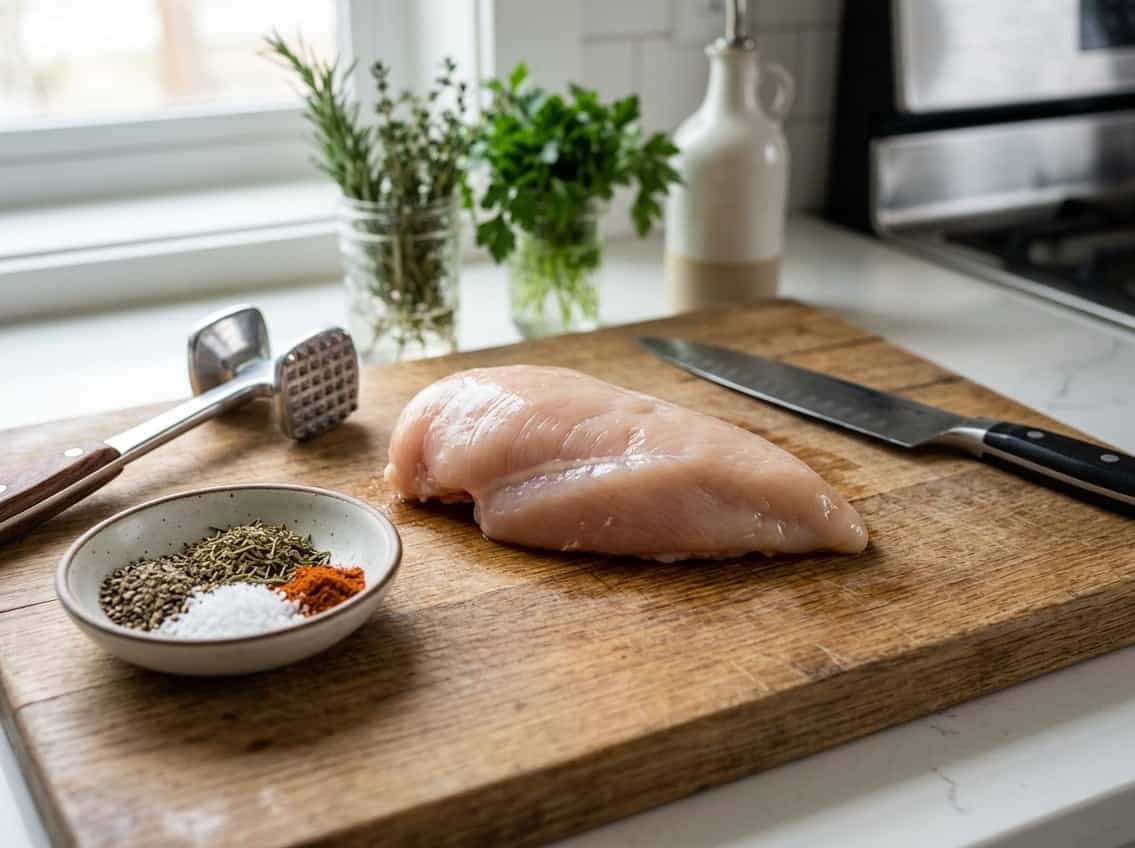
Tenderizing helps only when you use it with care. If you push too far, or cook the chicken badly after prep, the texture can go from firm and tender to mushy or dry.
The main risks are overworking the meat, using too much acid, and cooking too hot.
Avoid Over-Tenderizing and Tearing the Meat
You can avoid over-tenderizing if you use light, even pressure with a meat mallet. Hitting too hard can tear the surface and make the breast look ragged.
The same caution applies to tools that pierce the meat. Gentle handling keeps the chicken breast intact and gives you a better final texture.
Why Over-Marinating Causes Mushiness
Acidic marinades can help, but long marinating time can break down the meat too much. When that happens, the surface gets soft in a bad way and loses a clean bite.
Keep the time matched to the thickness of the breast and the strength of the marinade. Stronger acids need shorter contact times.
Cooking Errors That Cancel Out Tenderizing
High heat for too long can undo nearly every tenderizing step. Overcooking even a well-brined or well-pounded breast turns it dry.
Use steady heat. Pull the chicken when it is done, not after a few extra minutes.


