
What Chicken Breast to Buy for Quality and Value
You can narrow down what chicken breast to buy by focusing on three things: freshness, cut, and label claims that match your cooking plan.
The best choice is not always the fanciest package. It is the one that gives you the right texture, enough flavor, and a fair price for the meal you want to make.
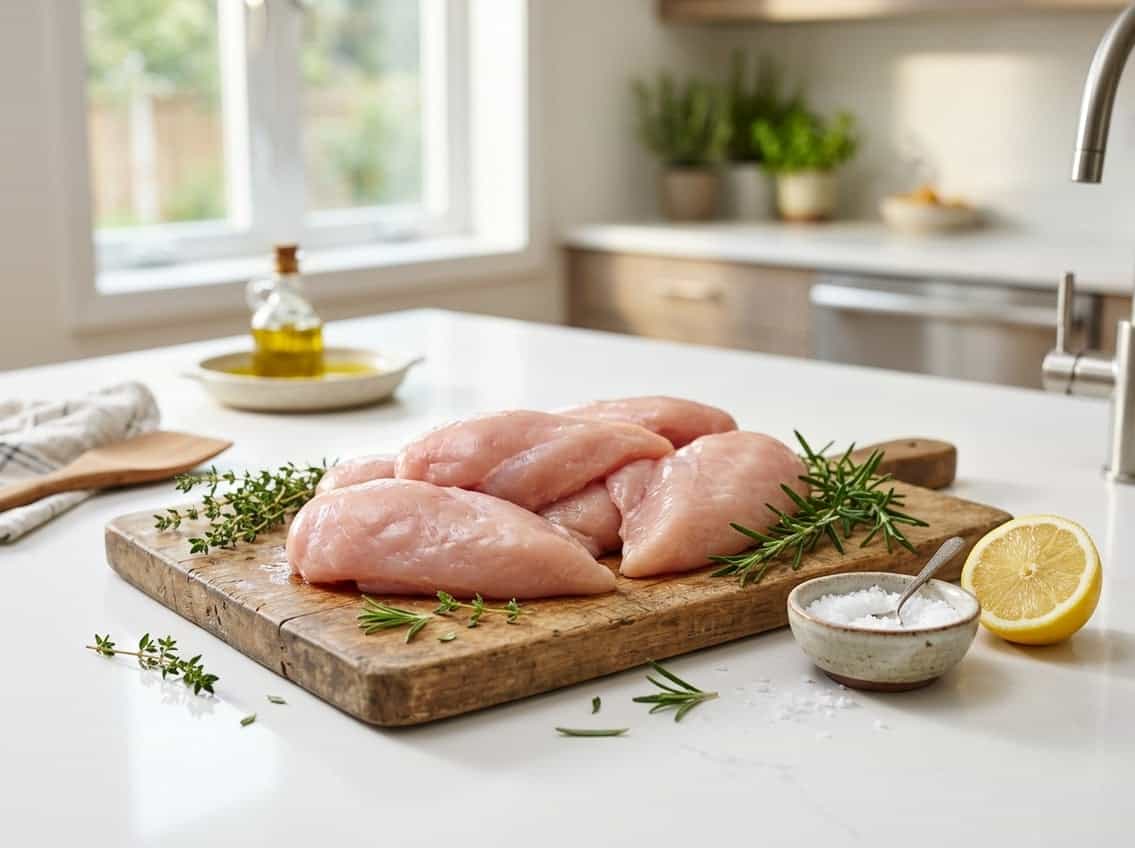
Choose a pack that looks firm, smells clean, matches your recipe, and comes from a label you trust at a price you can use often.
For everyday meals, you can save money with conventional packs, value bundles, or frozen chicken breasts.
Air-chilled or minimally processed options often cook more evenly and give better texture with less water in the pan.
If you know what to inspect in the store, you avoid paying extra for packaging that sounds better than the meat inside.
How to Choose the Right Pack at the Store
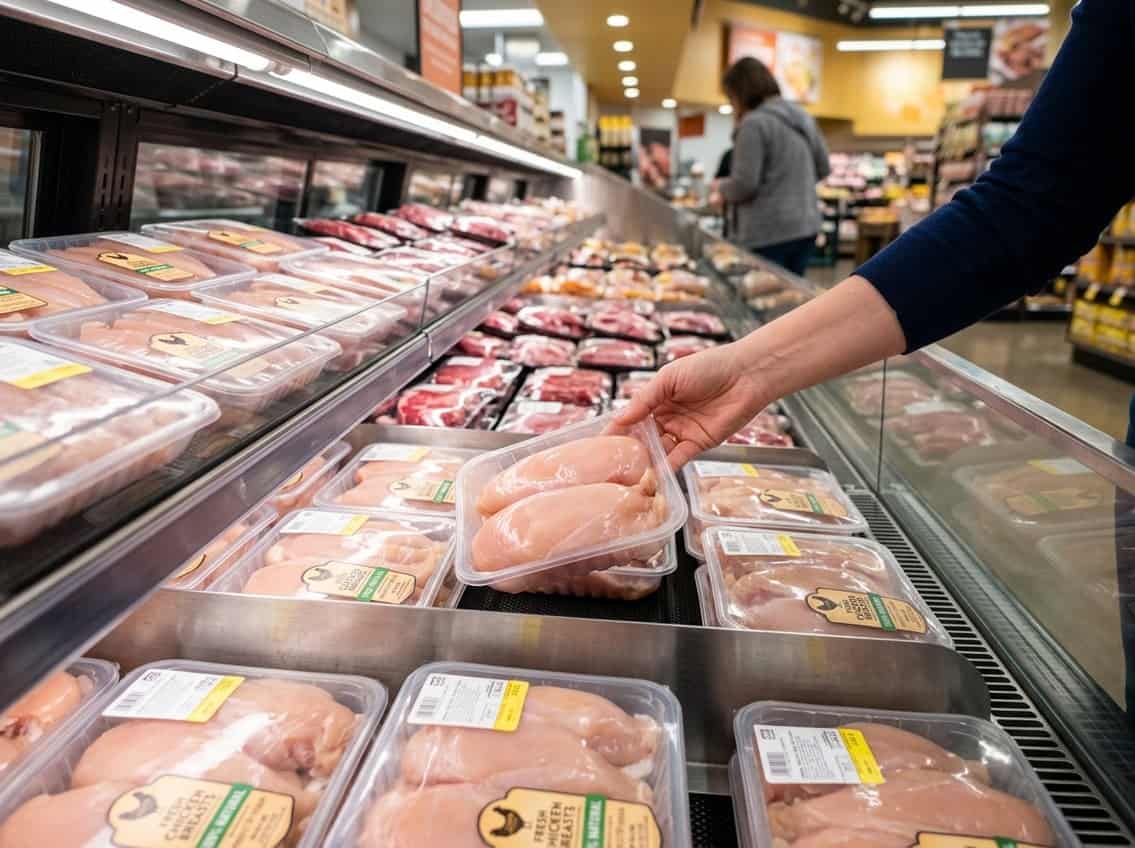
Your choice depends on how soon you plan to cook and what dish you are making.
Fresh and frozen both work well if the package is sealed, cold, and priced fairly per pound.
Fresh vs Frozen for Everyday Cooking
Fresh chicken breast is best when you plan to cook within a day or two. It lets you season and cook right away for fast meals.
Frozen chicken breasts give you flexibility and help control waste. They work well when you buy in bulk, shop sales, or want backup protein on hand.
Frozen chicken breast often gives better everyday value because it lasts longer and helps you avoid last-minute takeout.
Visual Signs of Freshness and Texture
Look for chicken breasts that are pink, moist, and firm to the touch.
The meat should bounce back when pressed lightly and should not look slimy or gray.
Avoid packages with leaks, excess liquid, strong odor, or torn seals.
Plump texture and a clean pink hue are reliable signs of quality.
Boneless, Bone-In, Thin-Sliced, and Fillets
Boneless and boneless skinless chicken breasts are the easiest choices for most weeknight meals.
They cook fast and fit salads, sandwiches, stir-fries, and meal prep.
A bone-in chicken breast usually costs less per pound and brings more flavor to roasted dishes.
Chicken breast fillets and thin-sliced pieces are best for quick, even cooking.
Skinless chicken is practical if you want leaner meat with less prep.
Matching the Cut to Your Cooking Method
For grilling, sautéing, and pan-searing, thin-sliced chicken breast or fillets work well because they cook quickly and evenly.
For roasted or stuffed chicken breast, a thicker boneless skinless chicken breast helps keep the center juicy.
Bone-in pieces add flavor during roasting. Match the cut to the recipe for easier cooking and better results.
Labels That Actually Matter
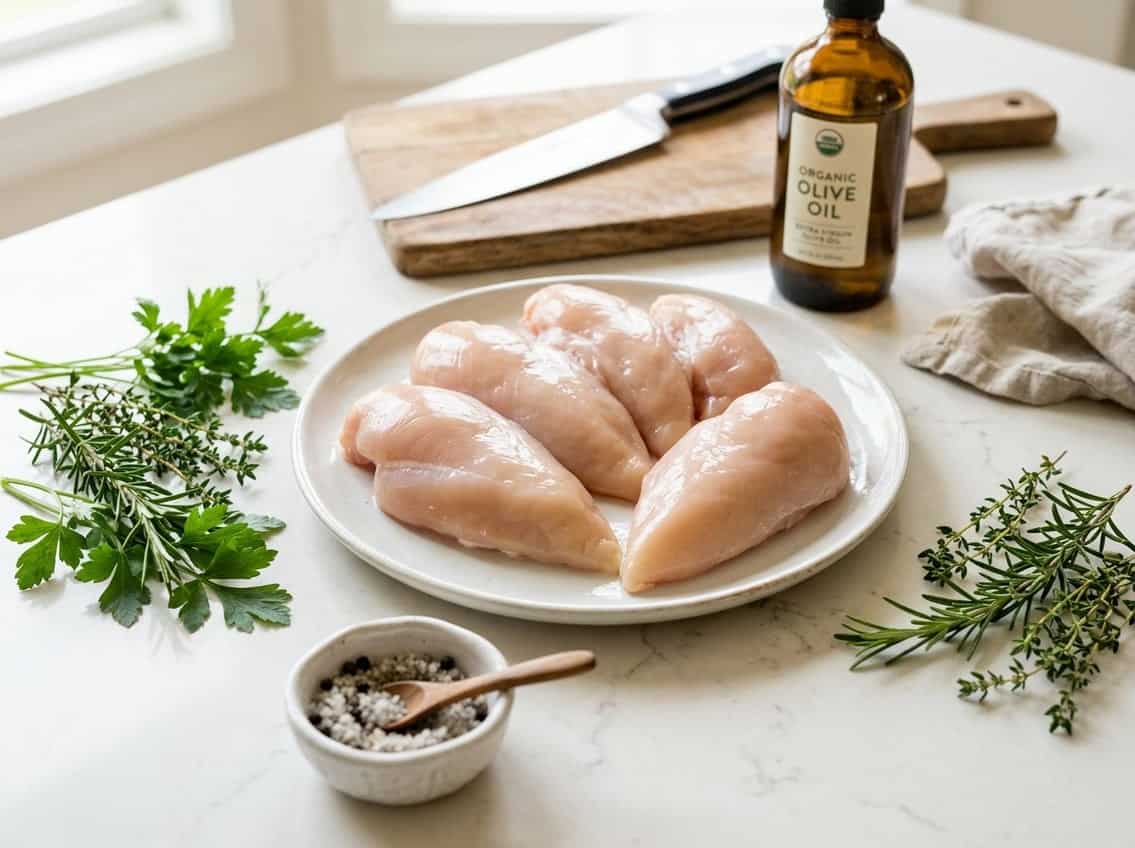
Chicken labels can help or simply add cost. The most useful labels tell you about raising method, processing style, or how much added liquid is in the package.
Organic, Conventional, and Free-Range Explained
Organic chicken breasts come from birds raised under organic rules for feed and living conditions.
Organic chicken breast often costs more, so choose it when you care about sourcing and are willing to pay extra.
Conventional chicken breast is usually the cheapest option and can still be a good buy if it looks fresh and the price is right.
Free-range chicken suggests access to the outdoors, but conditions can vary.
Compare these labels with the actual price per pound instead of assuming higher cost means better meat.
What Hormone-Free and Antibiotic Claims Mean
In the U.S., producers do not raise chickens with added hormones, so hormone-free is not a helpful claim.
Antibiotic claims usually describe how the birds were raised, not a guarantee of better taste.
A label may matter if you want a specific farming practice, but always check freshness and texture first.
For a broader look at label terms, Taste of Home explains common chicken package labels.
Air-Chilled, Water-Chilled, and Added Solution
Air-chilled chicken is cooled without soaking in as much water, so it often has a cleaner texture and less extra moisture in the pan.
Water-chilled chicken is common and usually less expensive, though it may carry more retained water.
Check the package for “added solution” or similar wording. That usually means saltwater or broth was added, which can affect flavor, weight, and browning.
If you want a more natural texture, air-chilled is often the better pick.
Best Options by Budget, Brand, and Convenience
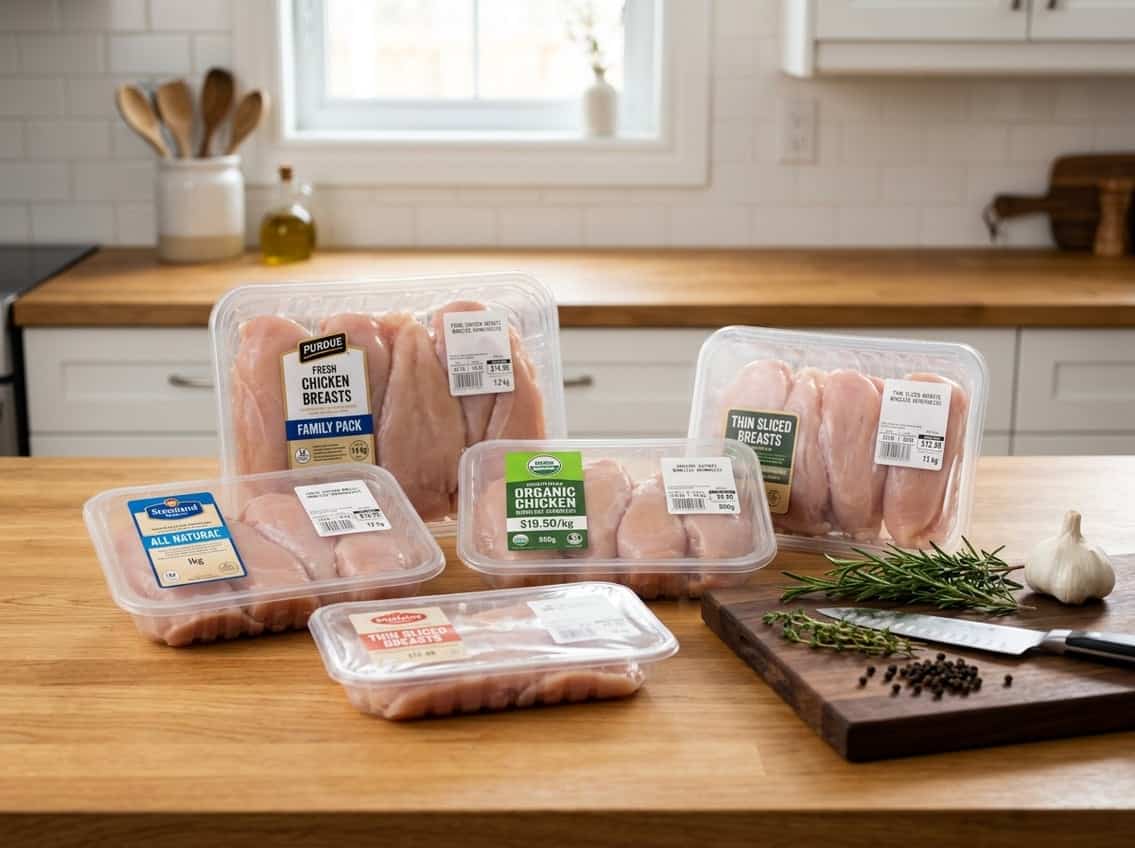
Your best buy depends on how much time you have and how often you cook.
Some shoppers want the cheapest pack, while others want consistency, clean flavor, or a shortcut that saves a trip home from the store.
Store-Brand Value Packs and Weekly Deals
Store-brand chicken is often the best starting point for value.
If the package looks good and the price per pound is lower than name brands, that can be the smartest buy of the week.
Watch for deals in the weekly ad, especially on family-size packs.
The lowest sticker price is not always the best deal, since waste and poor texture can erase the savings.
A good sale on chicken breasts is better than a random markdown on a package you would not use.
When Premium Brands Are Worth It
Premium brands are worth paying for when you want steadier size, cleaner trim, or better texture after cooking.
Brands like Bell & Evans, Perdue, and Kirkland Signature often stand out for consistency and convenience.
That premium price makes the most sense when chicken is the main part of the meal, such as grilled breasts or simple pan-seared plates.
If you use heavy sauces, soups, or casseroles, the extra cost matters less.
Bulk Buys, Canned Options, and Ready-to-Eat Shortcuts
Bulk packs work well when you have freezer space and a plan to portion them right away.
They are a strong choice for meal prep and can stretch your grocery budget.
Canned chicken breast and chunk chicken breast are convenient for salads, dips, and quick lunches, though the texture is different from fresh meat.
Rotisserie chicken and whole chicken can also be practical shortcuts when you want cooked meat fast.
For online research, recent chicken breast deal roundups show how much prices can vary by pack size and seller.
Storage, Freezing, and Avoiding Waste
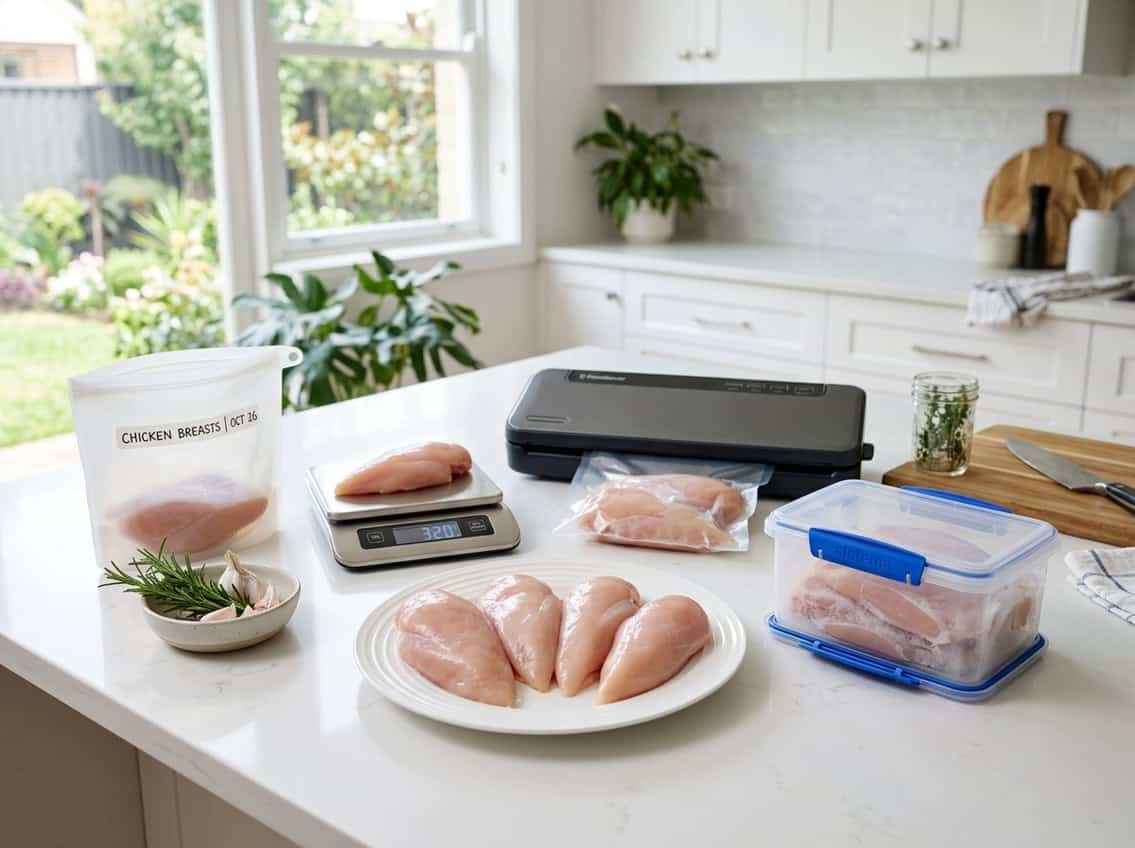
Good storage protects both quality and food safety.
It helps you use more of what you buy, which matters when chicken breasts deals tempt you to stock up.
How to Portion and Freeze Chicken Properly
Divide chicken breasts into meal-sized portions before freezing.
Wrap each piece tightly, then place it in a freezer-safe bag or container so you can pull out only what you need.
If the pieces are thick, flatten them slightly before freezing so they thaw and cook more evenly.
Label each package with the date to keep frozen chicken breasts easier to manage.
How to Prevent Freezer Burn
Keep air out of the package as much as possible to prevent freezer burn.
Tight wrapping and sealed bags help more than loose store packaging.
Place frozen chicken breast in the coldest part of the freezer and avoid repeated thawing and refreezing.
For a fuller guide, America’s Test Kitchen explains how to freeze chicken to reduce freezer burn.
When to Buy Extra and When to Skip the Sale
Buy extra when you find a price clearly below your usual cost per pound and you have freezer space.
That is the best time to stock up on frozen chicken breasts or fresh chicken breast that you can portion the same day.
Skip the sale if you see the pack is damaged, heavily liquid-filled, or too large for your actual cooking habits.
A weak deal can quickly become waste if you do not use it in time.


