
When to Eat Chicken Breast for Protein and Energy
Consider when to eat chicken breast based on your goal, your schedule, and how the rest of your meals look. Chicken breast is a lean protein that gives you complete protein and essential amino acids, so it fits well when you want steady energy, muscle repair, or a filling meal without a lot of extra fat.
Eat chicken breast when you need a high-protein meal that helps you stay full, recover, or meet your daily protein target. Timing matters less than total intake, but certain meal times can support your routine better than others.
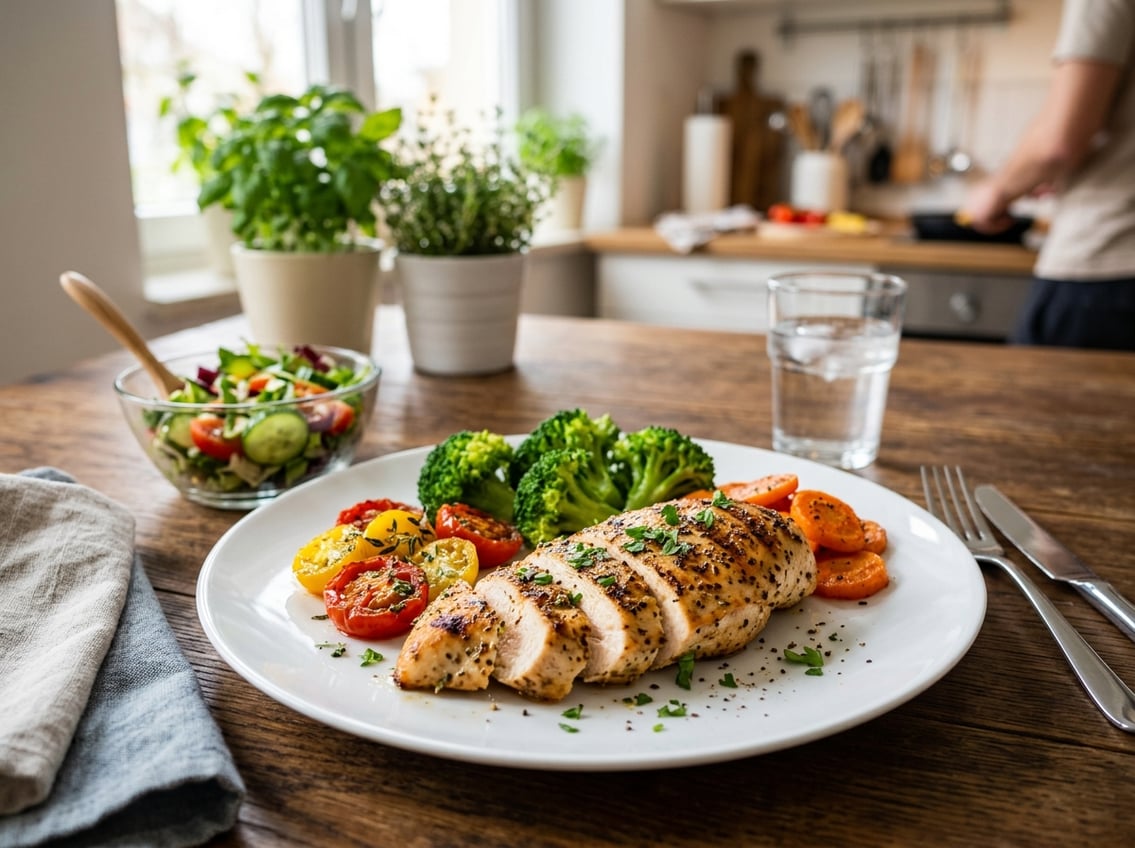
Most adults need about 0.8 grams of protein per kilogram of body weight each day. Many active people need more.
Chicken and other lean protein foods help you reach that target without making meals feel too heavy.
Best Times to Eat It Based on Your Goal
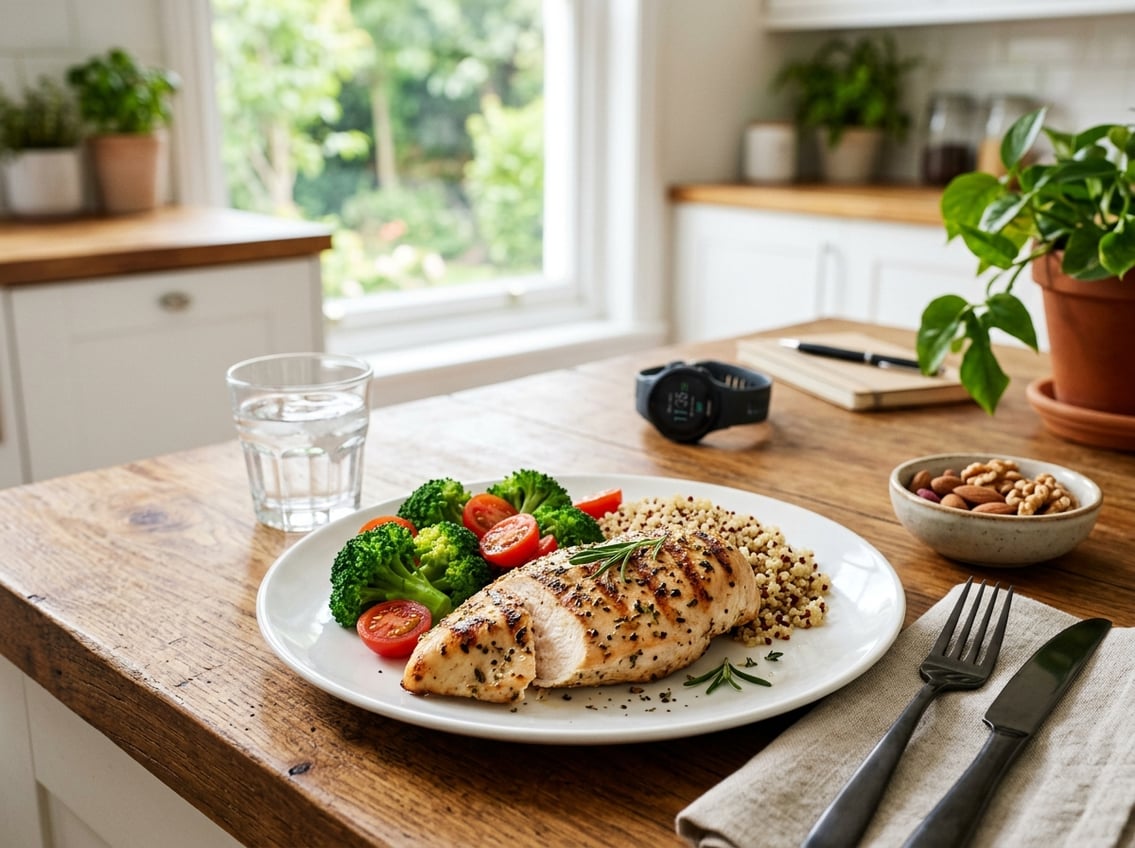
Chicken breast works well any time of day, but the best time depends on what you want from the meal. It can support fullness, muscle repair, and stable energy better than many lower-protein options.
Breakfast for Staying Full Longer
If you get hungry fast after a light breakfast, chicken breast can help you stay full longer. Pair it with eggs, whole grains, or vegetables for a balanced morning meal.
A chicken breakfast wrap, chicken salad on toast, or a small portion of grilled chicken with fruit can give you a steady start.
Lunch for Steady Afternoon Energy
Lunch is a practical time to eat chicken breast. A meal built around chicken salad, grilled chicken, or chicken soup can give you lasting energy through the afternoon.
This works well when you want a meal that is filling but not too heavy.
Dinner for a Lighter High-Protein Meal
Dinner is a good time for chicken breast if you want a lighter meal with enough protein to keep you satisfied. Roasted or grilled chicken with vegetables can feel easier to digest than heavier cuts of meat.
Chicken soup also works well at night, especially when you want something warm and simple.
Post-Workout for Muscle Repair
After exercise, chicken breast can help support muscle repair because it provides high-quality protein and essential amino acids. Eat a meal with chicken within a few hours after training if you are trying to recover well.
You do not need chicken immediately after every workout, but it is a strong option when your next meal needs to be protein-rich.
How Much Protein You Actually Need From Meals
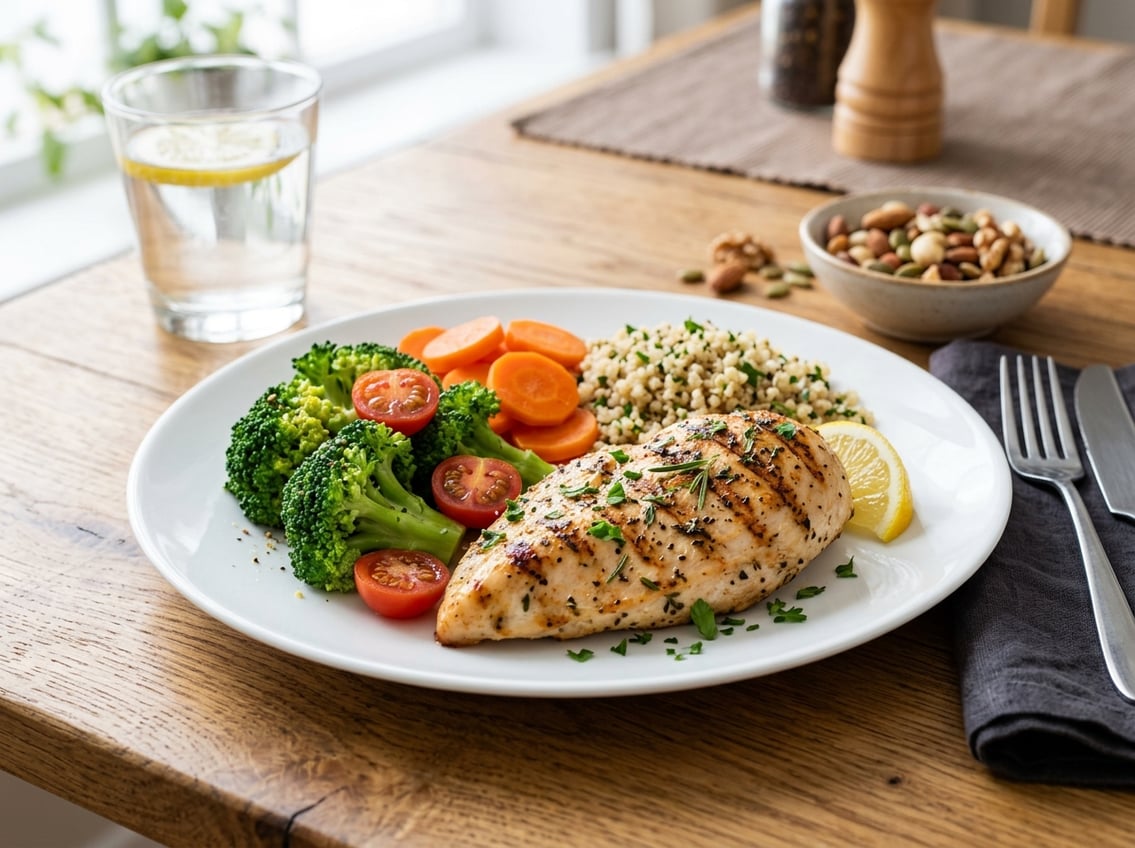
Your protein needs depend on your body size, activity level, and goals. A simple daily target starts at 0.8 grams per kilogram of body weight.
Chicken breast is an easy way to help reach that amount.
Daily Protein Targets and Body Weight
If you weigh more or train regularly, you may need more protein than the basic target. Chicken breast gives a lot of protein in a small serving.
A skinless chicken breast stays high in protein while keeping fat lower than many other meats.
How Chicken Breast Compares With Other Protein Sources
Chicken breast gives you complete protein, which means it contains all the essential amino acids your body needs. It is a strong match for meals where you want quality protein without much extra fat.
Beans and tofu also support a healthy diet and add fiber and plant compounds. Mixing animal and plant proteins can give you more balance across the week.
Why Variety Matters in a Balanced Diet
Rotating protein sources helps you get different nutrients from foods like beans, tofu, fish, eggs, and dairy. If you enjoy eating chicken every day, keep portions reasonable and change the sides, seasonings, and cooking methods to keep meals balanced.
Nutrition Benefits and Limits to Know
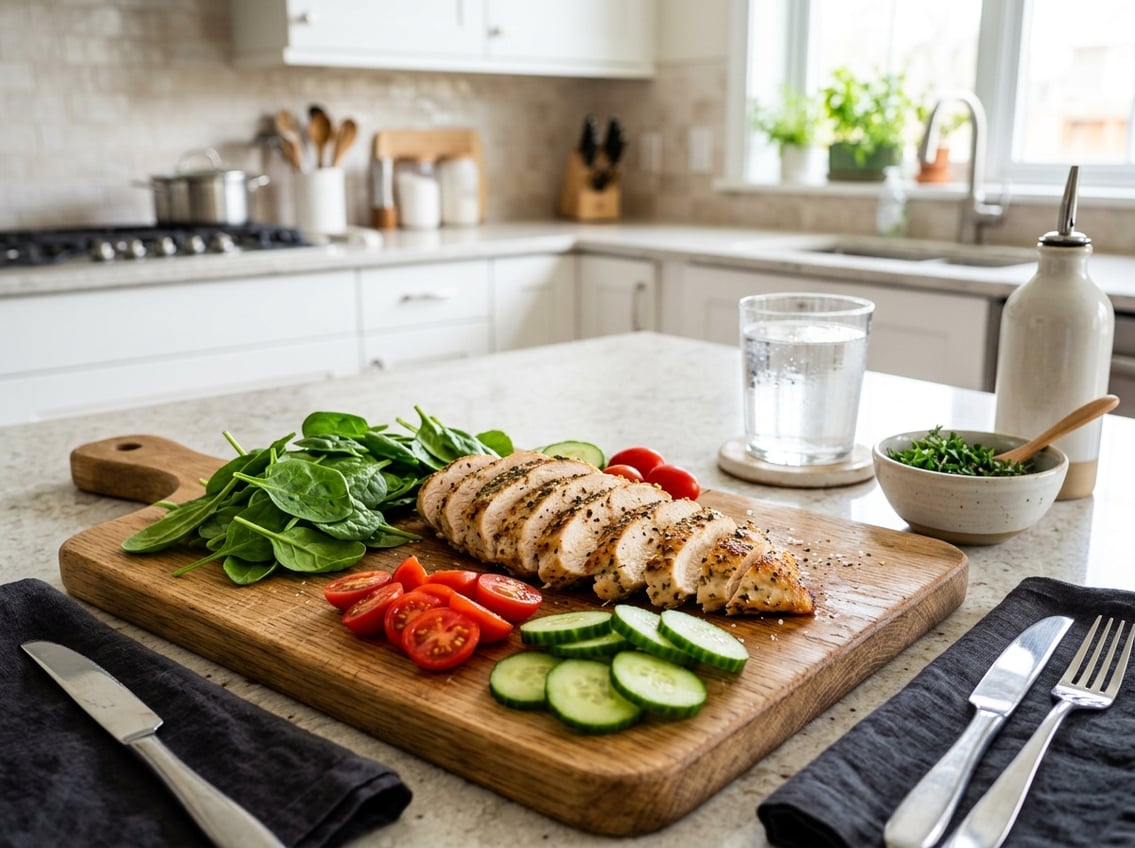
Chicken breast is a lean protein with useful nutrients, especially when you choose skinless chicken breast and keep the preparation simple. It is also easy to fit into meals at home or on the go.
Why It Counts as a Lean Protein
Chicken breast is lean because it gives you a high amount of protein with relatively little fat. Grilled or roasted chicken usually fits that goal better than fried versions.
B Vitamins and Other Key Nutrients
Chicken breast provides several B vitamins, including niacin, folate, thiamin, and riboflavin. These nutrients help your body turn food into energy and support normal cell function.
Skinless chicken breast is a practical way to get these nutrients while keeping the meal light.
When Daily Intake Can Become Too Repetitive
Eating chicken every day can make your meals too repetitive if you do not vary your foods. Repetition can also crowd out beans, tofu, vegetables, and whole grains that add fiber and other nutrients.
Using chicken as one protein in a larger rotation keeps your diet more flexible.
Cooking Methods That Support Health and Taste

How you cook chicken breast changes both flavor and nutrition. Healthier methods use less added fat and keep the meat moist, which makes the meal easier to enjoy.
Healthier Ways to Prepare It
Grill, roast, poach, steam, or boil chicken breast for a lighter meal. A dietitian-reviewed guide from Health notes that poaching, steaming, and boiling help keep chicken tender and juicy.
Use skinless chicken breast in salads, bowls, or soups to keep the meal simple.
How to Keep Chicken Breast Juicy
Chicken breast dries out if you overcook it. Use moderate heat, check doneness early, and let it rest before slicing.
Marinate the chicken first or cook it in broth to help preserve moisture, especially for meal prep.
Meal Ideas for Different Times of Day
- Breakfast: chicken salad with Greek yogurt, herbs, and whole-grain toast
- Lunch: grilled chicken over greens with beans and vegetables
- Dinner: roasted chicken with sweet potatoes and broccoli
- Post-workout: chicken soup with rice or noodles for a lighter recovery meal
A 3.5-ounce serving of boneless, skinless chicken breast contains about 160 calories and 32 grams of protein, according to The New York Times.
You can plan meals around your protein needs without much guesswork.


