
What Is Considered a Chicken Breast? Cuts Explained
You may wonder what is considered a chicken breast when grocery labels, recipes, and butchery terms do not always match. In simple terms, it is the breast meat from the front of the bird, taken from the chest area, and it is usually the leanest, mildest part most people buy for everyday cooking.
Chicken breast is the pectoral muscle from each side of the chicken’s chest. Most stores sell it as a lean white-meat cut that works well for quick, high-protein meals.
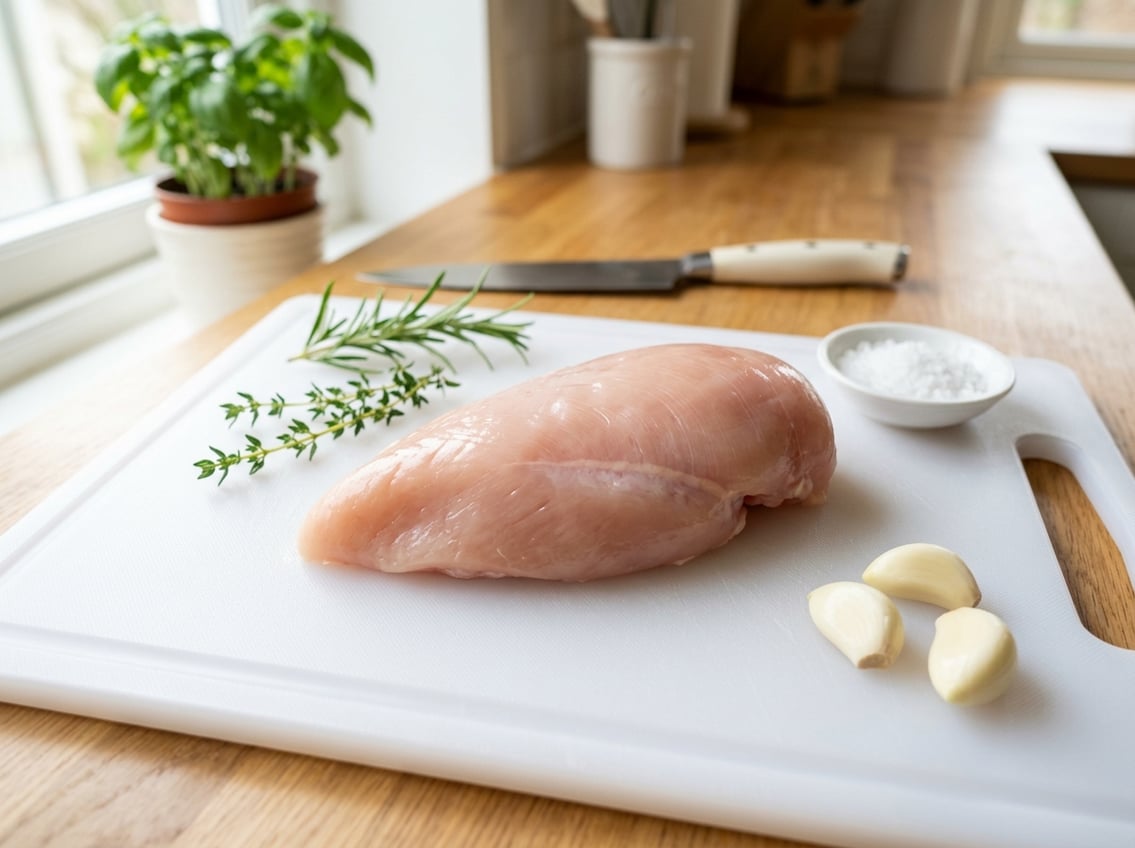
You will see chicken breasts sold in several forms. Each one affects taste, texture, and cook time.
Once you know the cut and the label, you can shop with more confidence. You can then choose the version that fits your recipe.
The Direct Definition and Where It Comes From
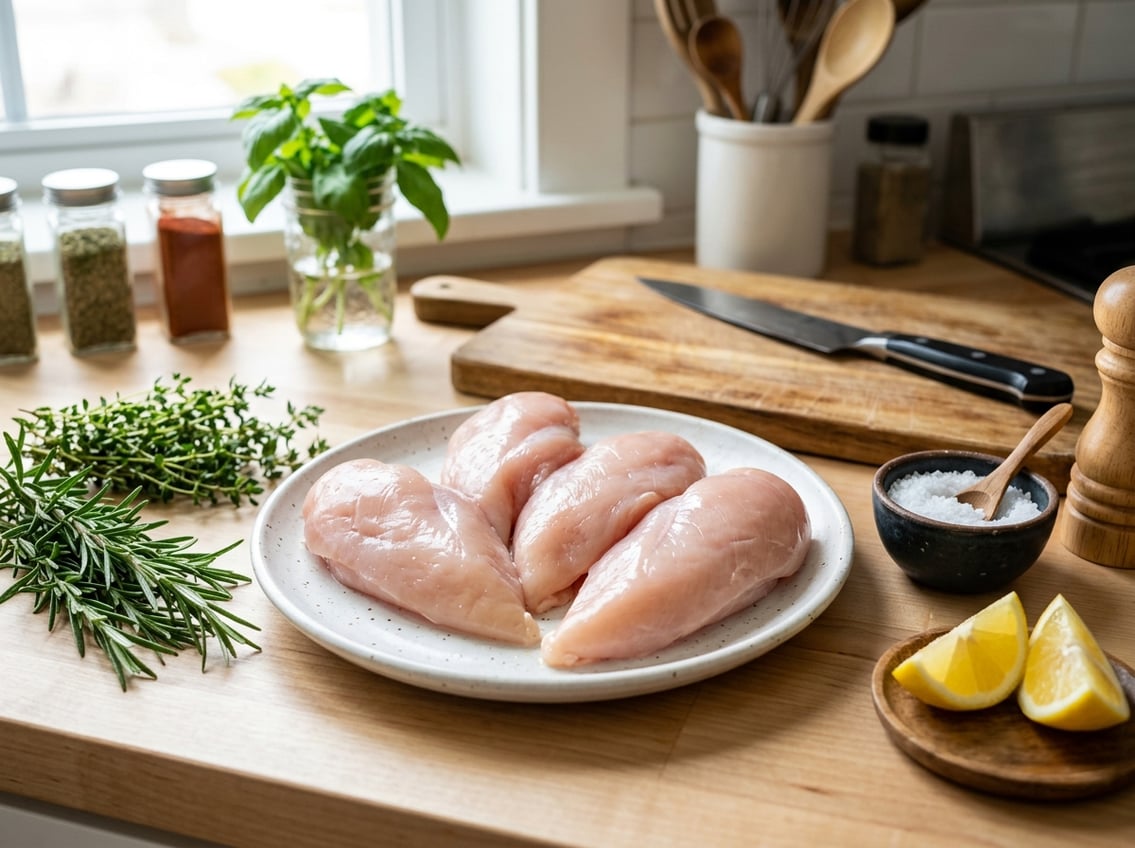
Chicken breast is the meat from the front upper part of the chicken, located on the chest. Most people mean this cut when they talk about chicken breast, chicken breasts, or whole chicken breast in the store.
This cut is valued because it is lean protein and cooks fast. It also takes on seasoning well.
U.S. shoppers often choose it for simple meals and recipes that need a mild base.
The Pectoral Muscle and Breast Meat
The pectoral muscle, the large chest muscle on each side of the bird, becomes breast meat when removed. A whole chicken breast may refer to both sides still attached near the breastbone.
Breast halves are the two individual pieces sold separately. USDA labeling rules describe breast products as breasts or breast halves when they are split into two equal portions.
This explains why packaging can vary from store to store.
Why It Is Classified as White Meat
Chicken breast counts as white meat because it has less myoglobin than darker cuts like thighs and drumsticks. That lower pigment level gives it a lighter color and a milder taste.
Many people prefer white meat when they want a lighter meal or a cut that fits simple sauces and seasonings. Boneless, skinless chicken breast is especially popular because it is lean, mild, and versatile.
Whole Chicken Breast vs Breast Halves
A whole chicken breast is often a larger cut that may still include both sides of the breast area. Breast halves are the two pieces separated from that whole cut.
In stores, you may also see packaging that says chicken breasts when the pieces are already separated. The label can differ, yet the meat still comes from the same part of the bird.
How Chicken Breast Is Sold and Labeled
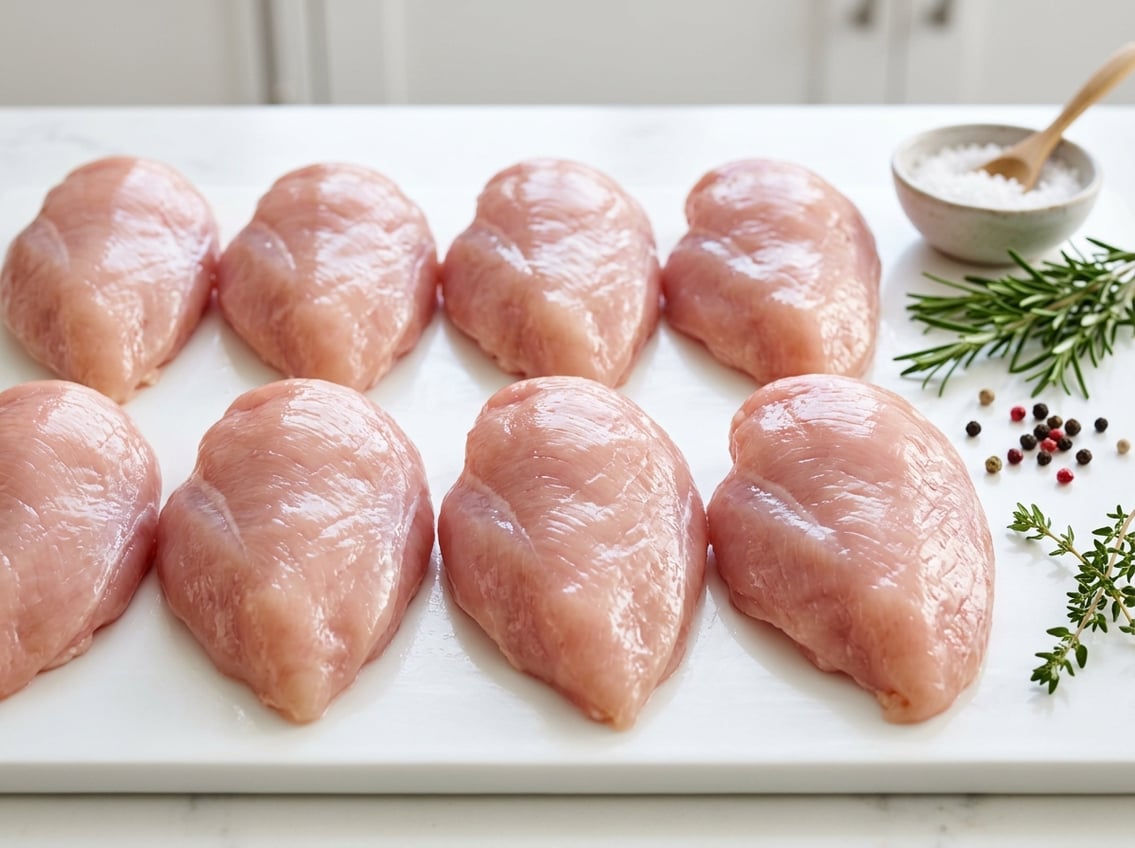
Stores sell chicken breast in several forms, with each label telling you something about bones, skin, and prep. The main differences are whether the breast is boneless, skinless, or split, and those details change how you cook it.
Boneless Skinless Chicken Breast
Boneless chicken breast and boneless skinless chicken breast are the most common versions in U.S. supermarkets. Some labels shorten this to boneless skinless chicken.
This form is easy to slice, season, and cook quickly. It is also a common choice for chicken breast recipes, salads, pasta dishes, sandwiches, and meal prep.
Skin-On and Bone-In Options
Skin-on chicken breast keeps the skin attached, which can add more flavor and better browning. Bone-in chicken breast usually stays juicier during cooking and can taste a little richer than boneless versions.
These cuts take longer to cook than boneless skinless chicken breast. If you want more flavor and do not mind extra prep, they are useful for roasting and pan cooking.
Split Chicken Breast and Store Label Confusion
Butchers cut a split chicken breast into two bone-in pieces, often sold as separate portions. Store labels can be inconsistent, so the same package may be listed as chicken breasts, breast halves, or split breast.
According to USDA poultry labeling guidance, breast products can be labeled as breasts or breast halves when they are split into equal portions. That is why the package name may not always match the size or shape you expect.
Related Cuts People Often Confuse With It
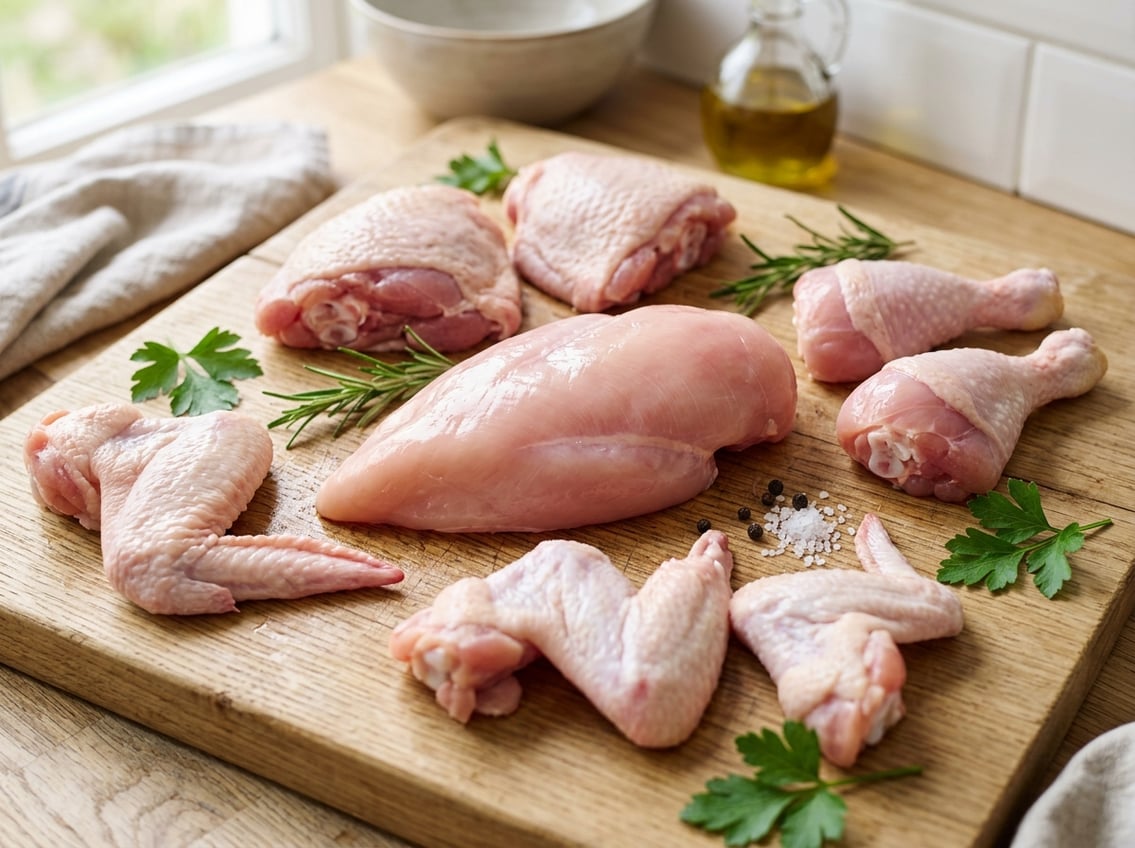
People often confuse chicken breast with other white-meat cuts because they look similar in the package. The main difference is where each cut comes from and how thick or thin it is.
Chicken Cutlets
Butchers usually make chicken cutlets from boneless chicken breast sliced horizontally into thinner pieces. They may also pound them to an even thickness.
Because they are thinner, cutlets cook faster than a full breast. That makes them useful for quick chicken breast recipes like pan-fried dinners, sandwiches, and breaded dishes.
Chicken Tenders
Chicken tenders sit close to the breast but are not the same meat. They come from the tenderloin, a smaller strip under the breast.
Tenders are smaller, thinner, and faster to cook than a full breast. If a recipe calls for breast meat, tenders can work in some cases, yet they will finish sooner and can dry out faster if treated like thick breast pieces.
How These Cuts Change Cooking Time
A thicker boneless skinless chicken breast needs more time than a cutlet or tender. A bone-in piece usually needs even more time because the bone slows heat flow.
If you swap one cut for another, adjust the heat and time. Thin cutlets are better for fast skillet cooking, while full chicken breasts work better when you want slices, stuffing, or a more substantial center piece.
Best Uses in Everyday Cooking
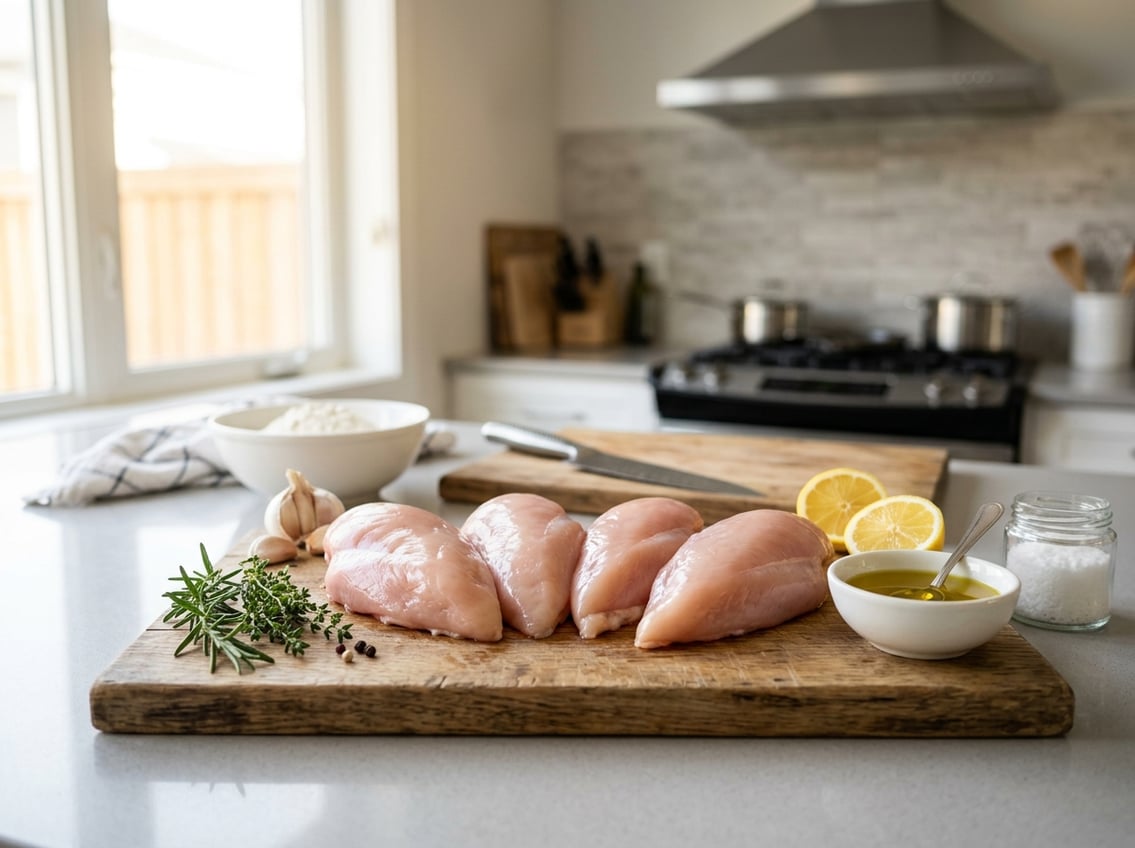
Chicken breast fits many everyday meals because it is mild, easy to season, and quick to cook. It works well in simple lunches, saucy dinners, breaded mains, and baked recipes.
Quick-Cooking Meals and Salads
Boneless skinless chicken breast works well for chicken salad, chicken caesar salad, and chicken tacos. It also works well in sliced lunch meals because it stays neutral and pairs with many dressings and sauces.
If you want a fast meal, start with thin pieces or cut the breast into even portions. That helps the meat cook at the same speed and stay more tender.
Breaded and Pan-Fried Dishes
People often use chicken breast for chicken parmesan, chicken piccata, chicken marsala, chicken milanese, and chicken katsu. These dishes often use a cutlet or flattened breast, which gives you faster cooking and better browning.
For fried chicken breast or other pan-fried dishes, even thickness matters. A thinner piece cooks more evenly and is less likely to dry out before the crust turns golden.
Baked, Grilled, and Stuffed Preparations
Baking or grilling chicken breast works well for weeknight dinners and meal prep.
You can stuff chicken breast with cheese, vegetables, or herbs when you want a more filled, structured dish.
Careful timing prevents breast meat from drying out during cooking.
A thermometer lets you cook it safely to the right temperature.
Many chicken breast recipes use simple sauces, rice, pasta, or vegetables for a complete plate.
When you handle the cut well, it gives you a flexible base for both plain and flavorful dishes.


