
What Makes Chicken Breast Juicy: Key Factors That Matter
Chicken breast stays juicy when you control heat, moisture, and time with care. You avoid overcooking, keep the meat even in thickness, season it well, and let it rest after cooking.
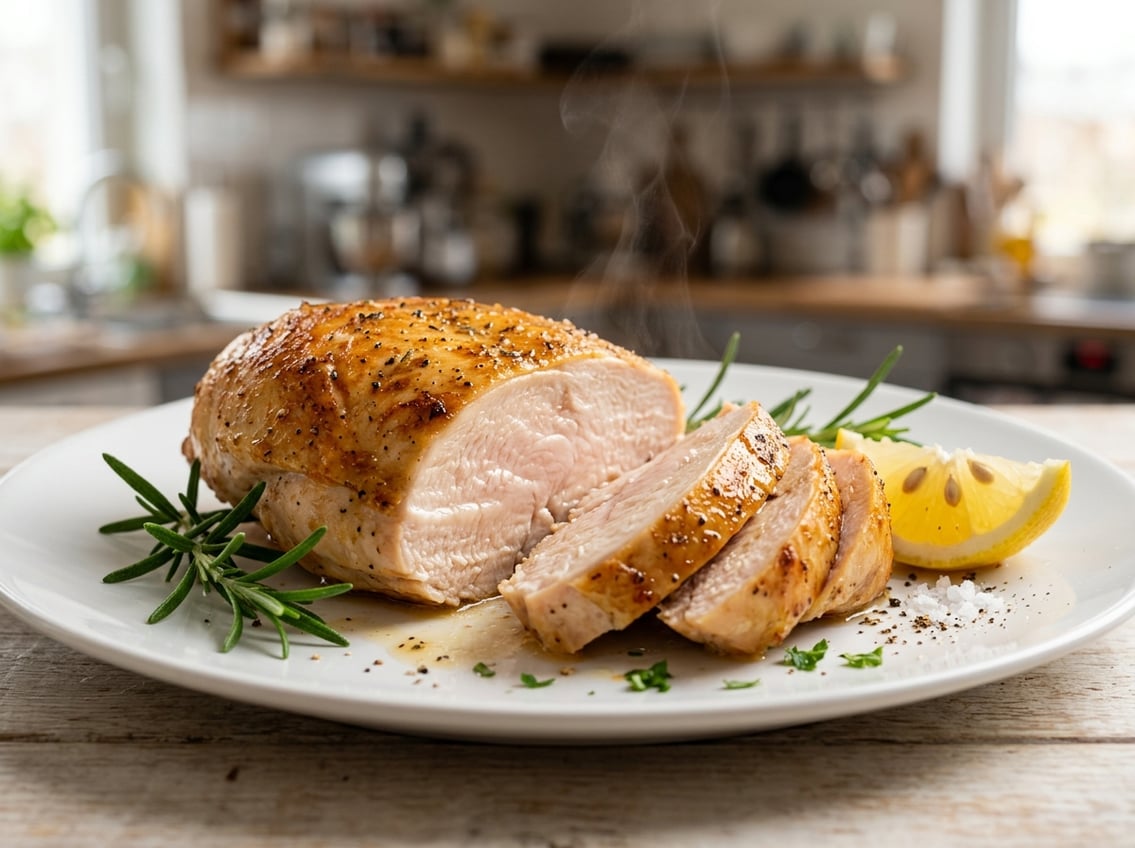
You get juicy chicken breast by cooking it to the right internal temperature, keeping the shape even, and using methods that protect moisture.
Small choices make a real difference. A perfectly cooked chicken breast can be tender and moist, while overcooked chicken turns dry fast because it is lean and has little fat.
If you want tender chicken breasts more often, focus on the steps that matter before, during, and after cooking.
The Biggest Factors That Control Moisture
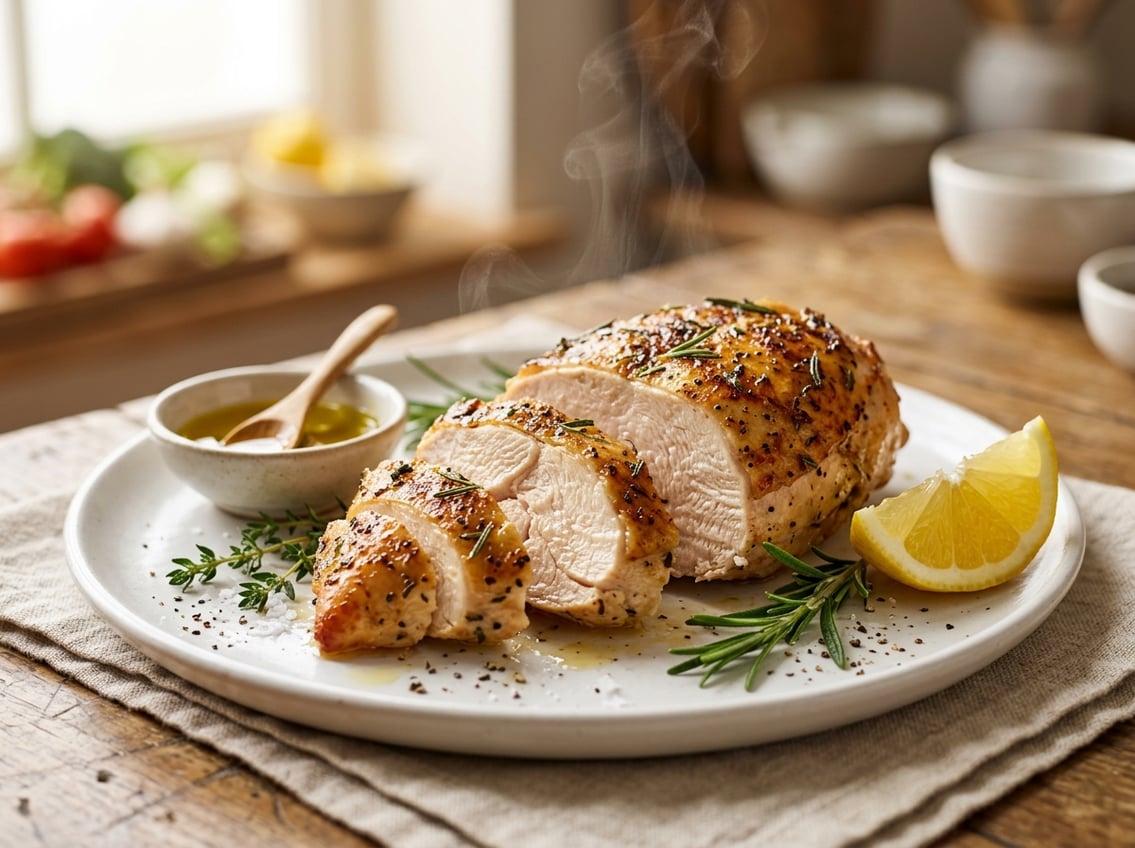
A perfect chicken breast depends on a few key controls. Temperature, thickness, and the low-fat nature of the meat all shape the result.
Why Internal Temperature Matters More Than Cook Time
An instant-read thermometer or meat thermometer tells you what matters most, which is the actual temperature in the thickest part of the meat. Chicken breast is usually safe at 165°F, but going much past that point dries it out fast.
Check temperature early and often, not just the timer.
How Even Thickness Prevents Dry Spots
Uneven chicken cooks unevenly. Thin edges finish before the center does, so the outside can dry out while you wait for the middle to reach the right temperature.
Pound thicker parts to a more even shape. That simple step gives you a more even result in the pan, oven, or skillet.
Why Lean Meat Overcooks So Quickly
Chicken breast has very little fat, so it does not have much built-in protection against high heat. It is easy to go from perfect to overcooked in a short time.
Watch heat closely and remove the meat at the right moment. Lean cuts reward careful timing.
Prep Steps That Help Chicken Stay Tender
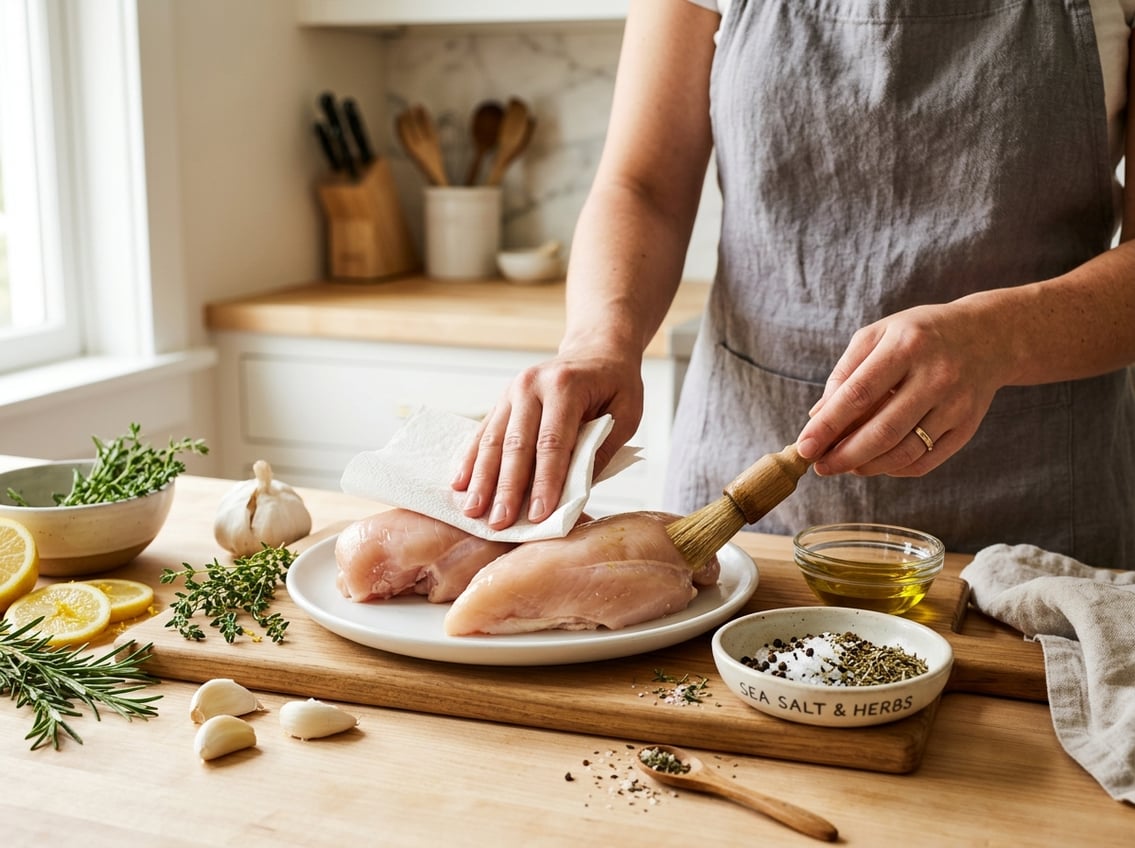
Good prep builds a better result before the chicken touches the heat. The right cut, salt, and surface treatment help boneless skinless chicken breast stay moist and cook more evenly.
When to Pound Boneless Skinless Chicken Breasts
Pound when one end of the breast is much thicker than the other. It works well for boneless skinless chicken breasts that need a more even shape for pan cooking or roasting.
Use light pressure and stop once the thickest part is closer to the thinner part.
How Salt, Brining, and Seasoning Improve Juiciness
Salt helps seasoned chicken breasts hold onto moisture better and improves texture. A short brine or a simple salt-and-seasoning rest can help chicken breast stay tender.
Salt the meat ahead of time, let it sit, and season it evenly before cooking. Proper marinating and resting before heat also help.
Why Surface Dryness Helps With Better Searing
A dry surface browns better than a wet one. When the outside is too damp, the chicken steams first and sears later.
Pat boneless skinless chicken breast dry before it hits the pan or oven. That helps you get better color and more controlled cooking.
Cooking Methods That Keep the Center Juicy
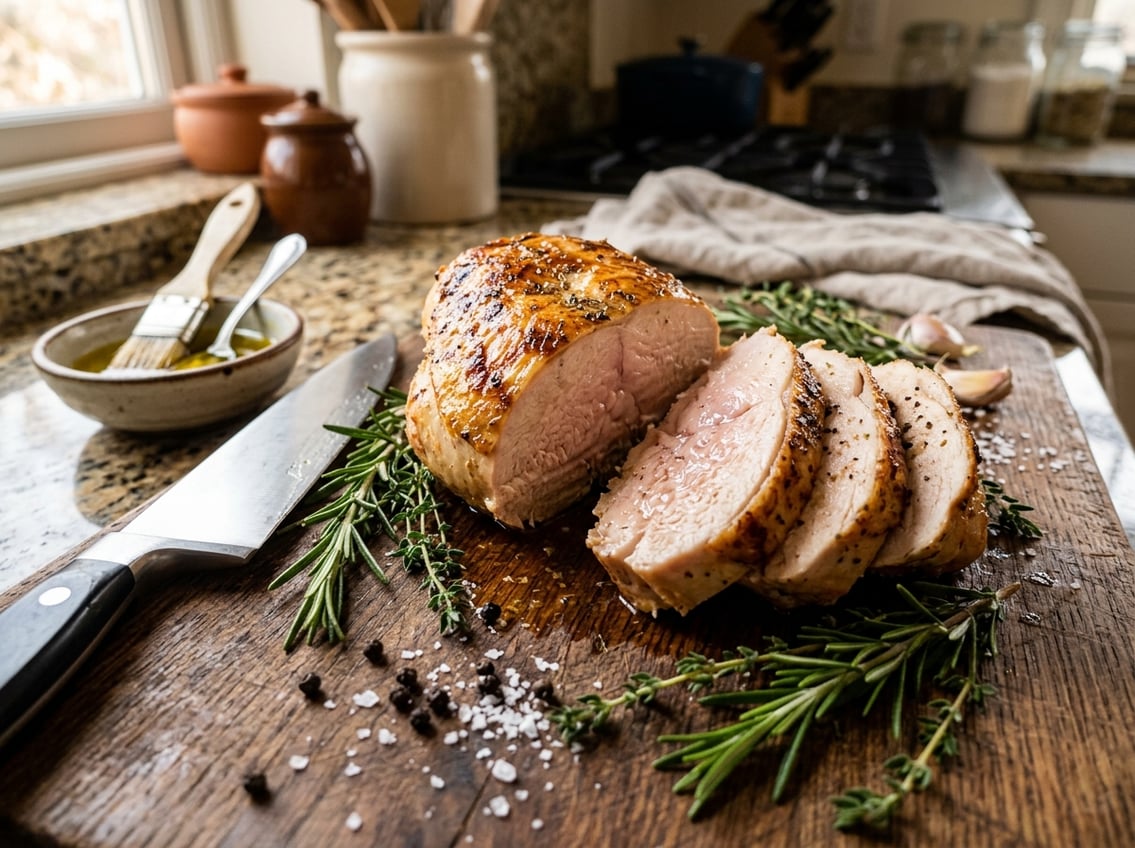
The best cooking methods protect the center while building good flavor on the outside. Covered skillet cooking, sear-and-finish methods, and careful roasting help you make juicy chicken breast.
Covered Skillet Cooking for Fast Weeknights
A covered skillet traps steam and helps the meat cook through without drying fast. This works well when you need a quick dinner and want to cook chicken breast with less risk of overdoing it.
Use medium heat, give the chicken room in the pan, and check the temperature near the end.
Sear and Finish in the Oven
Searing first gives color, then the oven finishes the cooking more evenly. This balances browning with gentle heat.
A sear and bake approach limits direct heat after the crust forms. Check with an instant-read thermometer so you stop at the right moment.
Roasting Without Drying Out the Meat
Roast chicken breast at a moderate temperature and avoid leaving it in too long. Smaller or thinner pieces may need less time than a large breast.
Watch the internal temperature and pull the meat as soon as it reaches the target point.
Why Resting Locks Juices Back In
When chicken comes off the heat, the juices need a little time to settle. If you cut it right away, more liquid runs out onto the cutting board.
Let the meat rest for a few minutes before slicing. That short pause helps chicken breast stay juicy in each slice.
Using and Storing Cooked Chicken Well
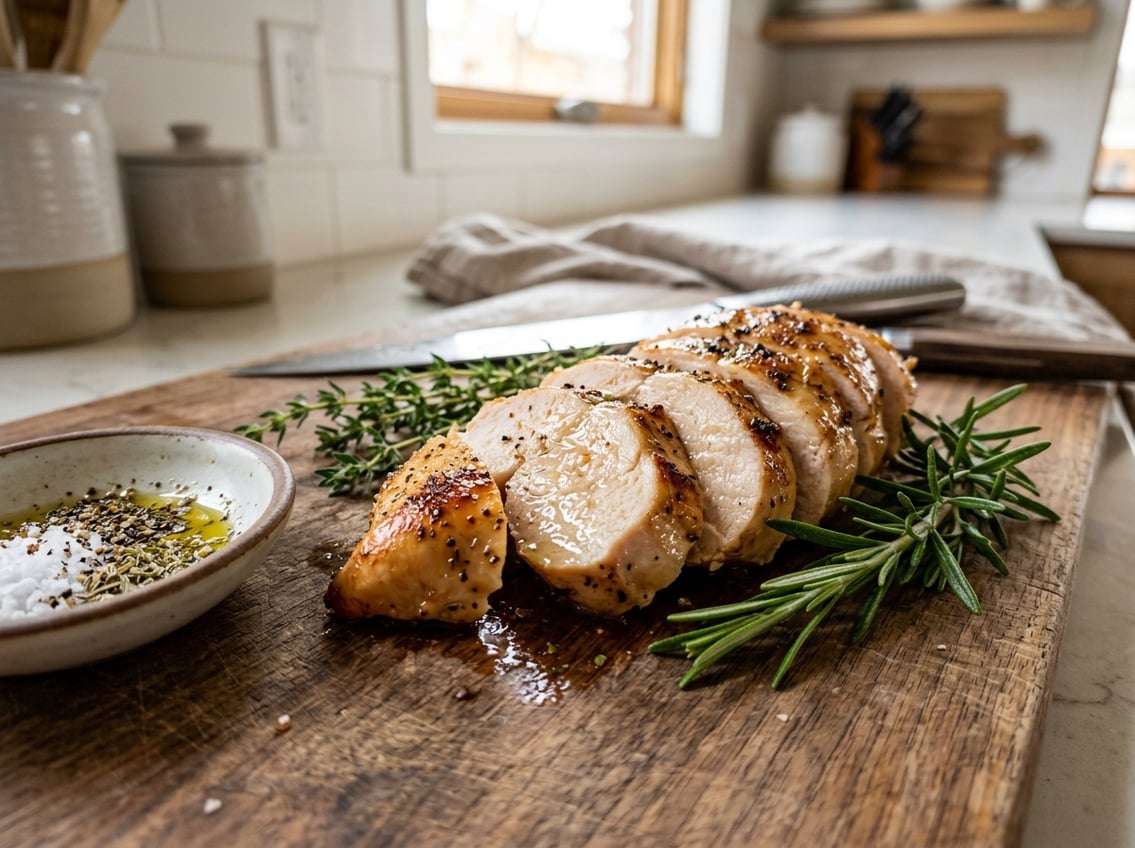
How you slice, store, and reuse cooked chicken matters. The wrong move can dry out even a perfect batch after it leaves the stove.
Best Ways to Slice and Serve for Maximum Juiciness
Slice cooked chicken breast across the grain when possible. Shorter muscle fibers make each bite feel more tender.
Keep slices fairly thick if you want the meat to stay moist. Thin slices dry out faster, especially if they sit under warm air or on a hot dish.
How to Store Leftovers Without Drying Them Out
Let leftover chicken cool, then place it in an airtight container as soon as it is safe. Add a little cooking liquid or sauce if you have it, since that helps protect the surface from drying.
Refrigerate it promptly and reheat gently. Strong heat can turn cooked chicken breast tough, even if it was juicy the first time.
Smart Uses for Leftover Chicken in Meals
Leftover chicken works well in chicken salad, wraps, soups, grain bowls, and pasta.
These meals use moisture from dressings, broth, or sauce to keep the meat from feeling dry.
For the best texture, add the chicken near the end of cooking or mix it with moist ingredients.
That keeps chicken breasts useful for more than one meal without losing quality.


