
How Does Chicken Breast Have Carbs? Explained Clearly
Chicken breast often gets labeled as a zero-carb food, and that is true when you eat it plain.
If your chicken breast has carbs, they usually come from what you or manufacturers add during cooking, packaging, or serving, not from the chicken itself.
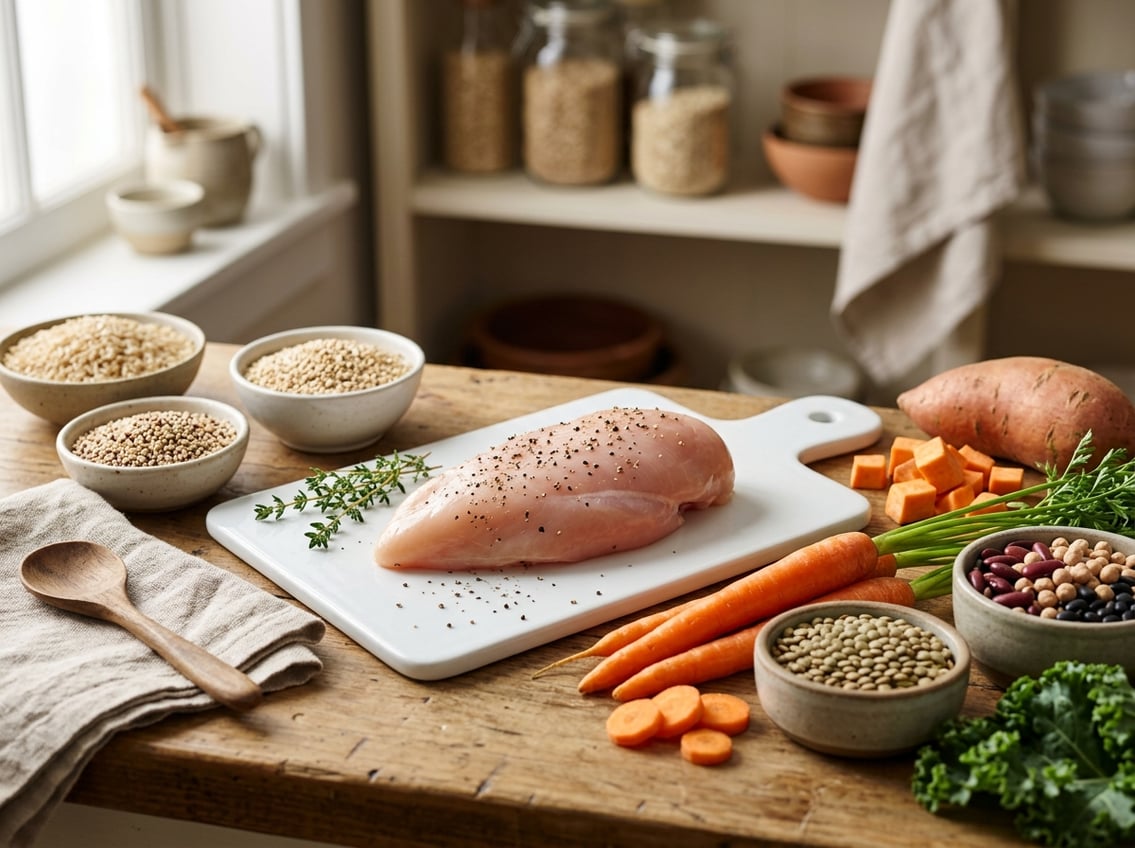
This matters if you track chicken breast nutrition, watch nutrition facts, or check chicken breast macros for a low-carb plan.
A plain chicken breast is mostly lean protein, with little fat and no meaningful carbohydrate on its own.
The confusion usually starts when you bread, sauce, or serve chicken in a dish with other ingredients.
Once that happens, the carb count can change fast.
What Plain Chicken Breast Actually Contains
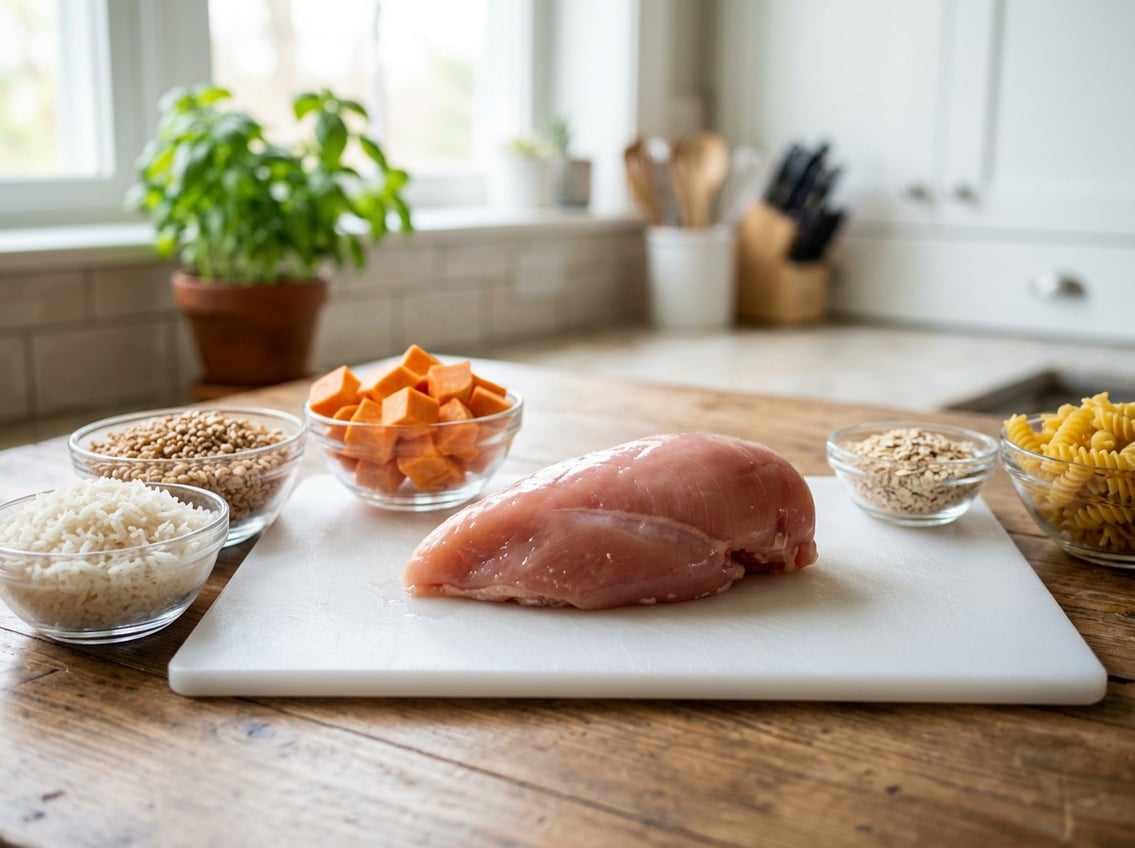
Plain chicken breast is naturally very low in carbs.
Raw chicken breast contains no carbohydrates on its own.
Cooked chicken breast keeps that same basic profile when you don’t add anything carb-heavy during preparation.
Skinless chicken breast is especially known as a lean protein choice because it delivers protein with very little fat.
Carbs in Raw Chicken Breast
Raw chicken breast has 0 grams of carbs.
That is true for plain, unseasoned chicken breast from the store, as long as you don’t add breading, marinade, or filler.
When you check nutrition facts for raw chicken breast, you usually see mostly protein and water, with a small amount of fat.
The carb count stays at zero in standard chicken breast nutrition data.
Cooked and Grilled Chicken Breast Nutrition
Grilled chicken breast also has 0 grams of carbs when it is plain.
Grilling does not add carbohydrates, so grilled chicken and other plain cooked forms stay carb-free.
A plain grilled chicken breast is one of the easiest foods to fit into a low-carb meal plan.
Skinless Chicken Breast vs Chicken Breast With Skin
Skinless chicken breast stays the leanest option, since most of the calories come from protein.
Chicken breast with skin has more fat and calories, but the skin still does not add carbs.
If you bread, glaze, or coat the skin, the carb count changes.
Plain skin alone does not create carbs, though it does change the fat content and total calories.
Where the Carbs Usually Come From
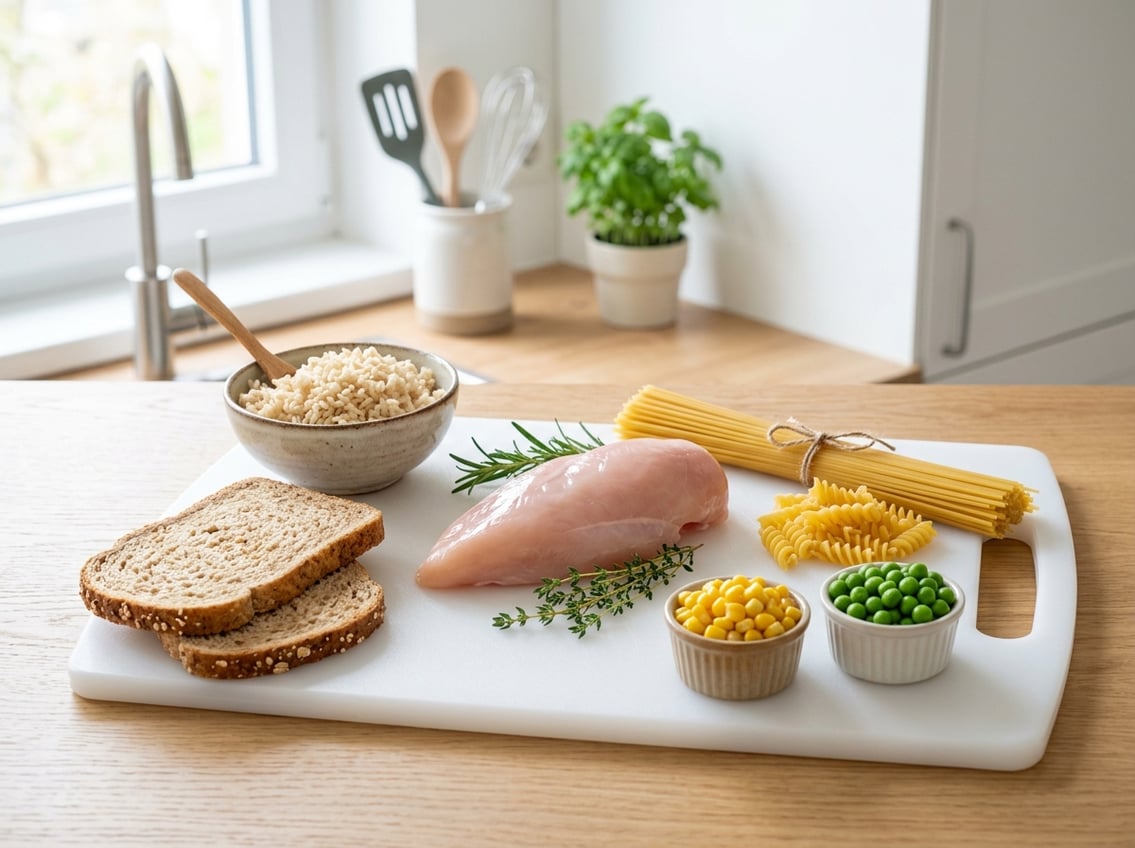
Carbs usually show up when you prepare chicken breast with flour, breadcrumbs, sugar, or starch-based ingredients.
That happens in home cooking, fast food, and packaged meals.
Even a healthy-looking dish like grilled chicken can carry carbs if the sauce or side ingredients add them.
Breading, Batter, and Fried Coatings
Breading and batter are the most common reasons chicken breast has carbs.
Flour, breadcrumbs, cornmeal, and tempura-style coatings all add starch.
Fried chicken breast can move from zero carbs to a much higher number once you add the coating.
The chicken is still the main ingredient, but the coating adds the carbs.
Marinades, Sauces, and Seasoning Blends
Marinades and sauces often include sugar or starch.
Sweet barbecue sauce, teriyaki, honey mustard, and creamy dressings can all add carbs to chicken breast recipes.
Even seasoning blends can matter if they include sugar, maltodextrin, or other fillers.
A plain spice rub on grilled chicken is usually very different from a bottled marinade.
Packaged Meals and Restaurant Dishes
Packaged meals and restaurant dishes often combine chicken breast with carb-heavy extras.
A creamy southwest chicken dish or a chicken caesar salad may sound protein-forward, yet the dressing, croutons, tortilla strips, or sweet sauces can raise the total carbs.
For restaurant meals, the label is not always visible, so you have to look at the whole dish.
Chicken breast is still the protein base, but the final carb count depends on everything around it.
How to Read Labels and Count Carbs Accurately
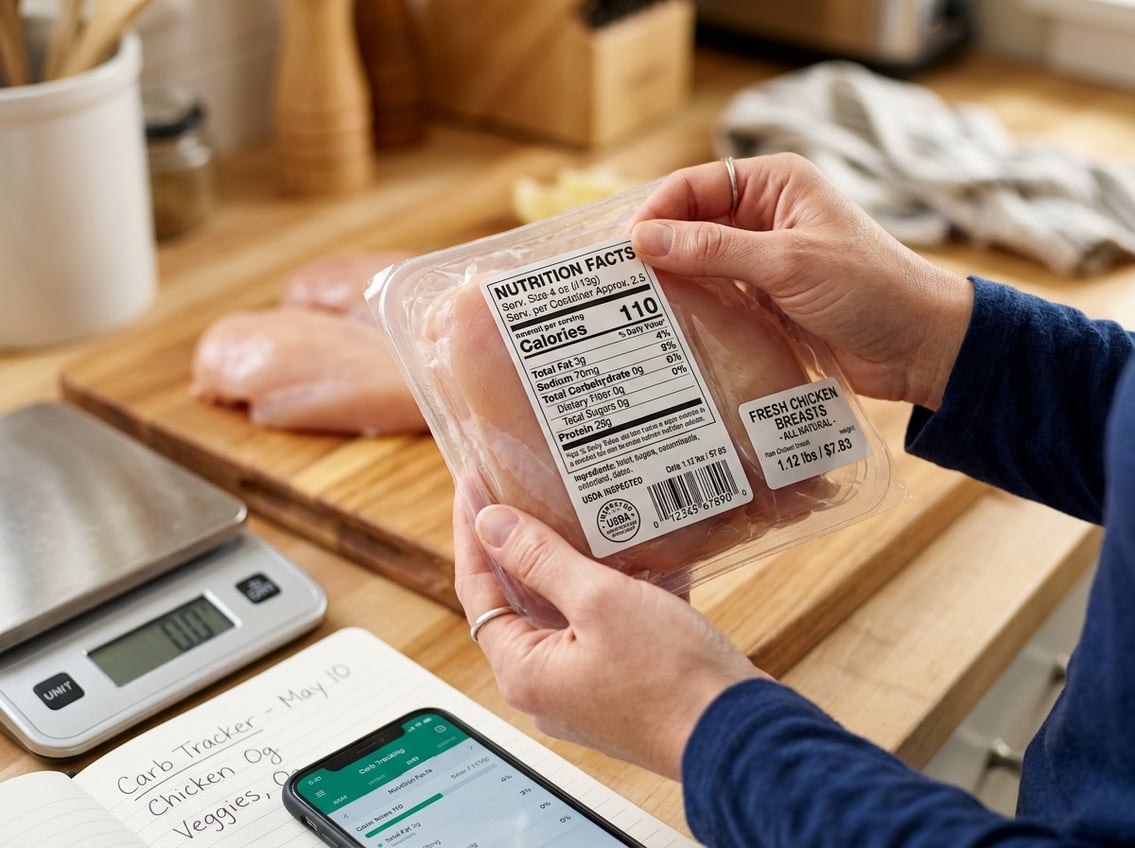
Label reading matters because portion size can make plain chicken breast nutrition look more complicated than it is.
You also need to check whether the product is raw chicken breast or a prepared item with added ingredients.
The label gives the full picture if you know where to look.
Serving Size and Portion Confusion
Always start with the serving size on the nutrition facts panel.
A label may list values for 4 ounces of raw chicken breast, while your meal uses a much larger cooked portion.
That difference matters because cooked chicken loses water and weighs less than raw chicken.
If you compare raw chicken breast to skinless chicken breast that has been grilled, the numbers can look different even when the chicken itself has not gained carbs.
Checking Total Carbs, Sugars, and Ingredients
For carb counting, check Total Carbohydrate first.
On most labels, that number already includes sugars and fiber, as noted by the BodySpec carb counting guide.
If the ingredient list includes sugar, starch, flour, breadcrumbs, or maltodextrin, the chicken breast recipe is no longer carb-free.
The UCSF Diabetes Teaching Center also notes that fiber is included in total carbohydrate, even though it does not raise blood glucose in the same way.
Comparing Homemade Meals With Store-Bought Options
You control every ingredient in homemade chicken breast recipes. Plain grilled chicken with salt, pepper, and herbs can stay close to zero carbs.
Store-bought options often contain sauces, coatings, and fillers. Check the label on the packaged product and compare it with your homemade recipe to get accurate chicken breast macros.
Count the full dish, not just the meat.


