
Do Chicken Breasts Have Cholesterol? What to Know
You may wonder if chicken breasts have cholesterol and whether that makes them a poor choice if you are watching your heart health. Chicken breast does contain cholesterol, but the amount is moderate and often easier to fit into a balanced diet than fattier meats.
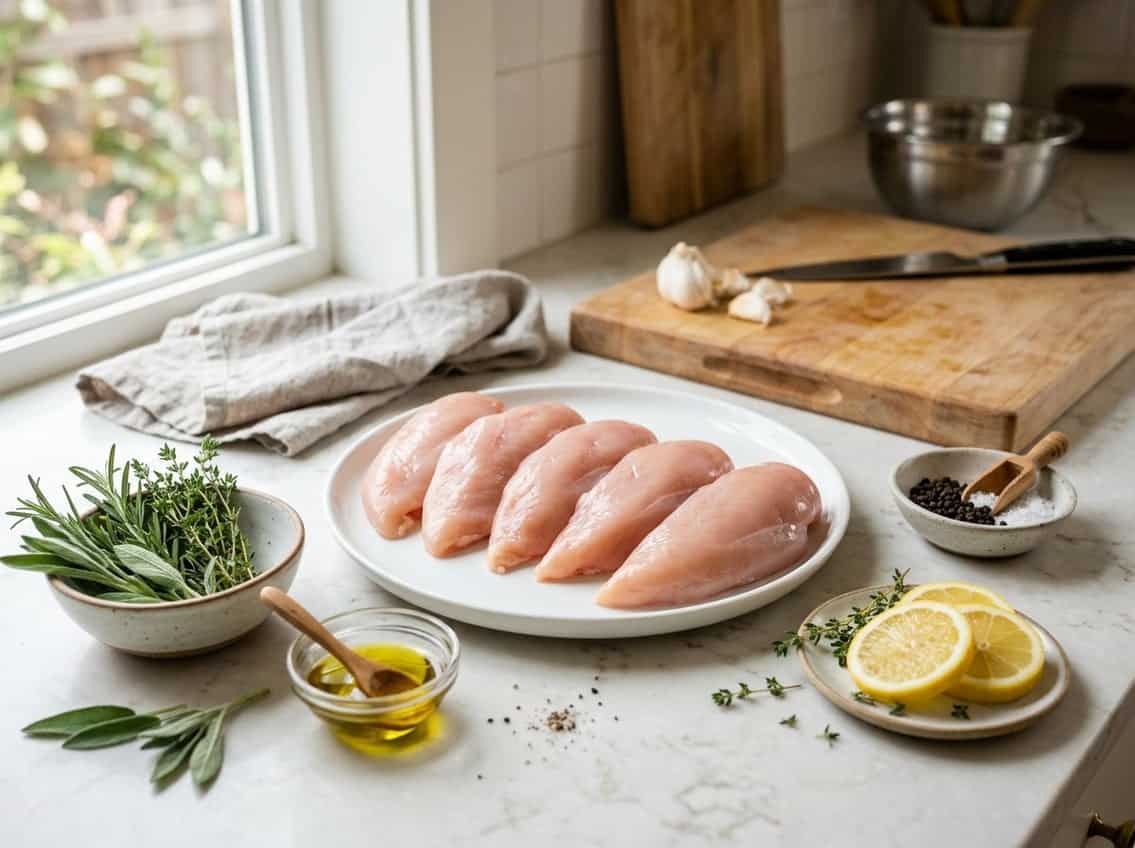
For most people, skinless chicken breast is not high in cholesterol. The bigger issue is usually how you cook it, how much you eat, and what you eat with it.
Chicken breast and cholesterol matter together, especially if you already track LDL cholesterol or have a family history of heart disease. The answer is usually less about avoiding chicken breast completely and more about choosing the right cut, portion, and preparation.
How Much Cholesterol Chicken Breast Contains
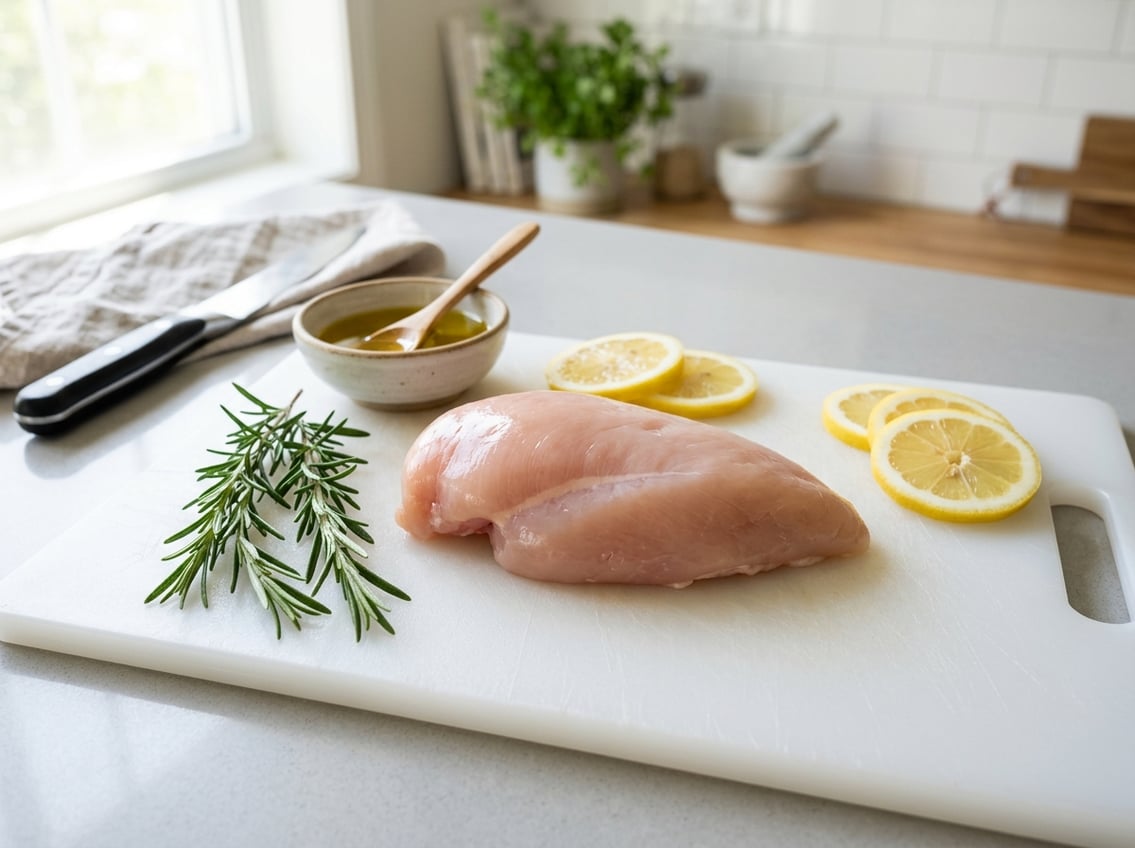
Chicken breast cholesterol amount varies by portion size and cooking method. The cut itself is a moderate source of dietary cholesterol.
Chicken breast contains cholesterol, yet it is not among the highest-cholesterol animal foods.
Typical Cholesterol Amount Per 100 Grams and Per Serving
A cooked, skinless chicken breast has about 84 to 85 milligrams of cholesterol per 100 grams, according to a review from Eating Choice and a similar estimate from Chef’s Resource. A 3-ounce serving, or about 85 grams, is close to that range.
That amount is meaningful, yet it is still lower than many people expect.
How Chicken Breast Compares With Other Chicken Cuts
Chicken breast is usually leaner than thighs, wings, and skin-on pieces. Dark meat and skin add more fat, which matters more for blood cholesterol than dietary cholesterol alone.
Processed meats, fatty beef cuts, or fried chicken have more cholesterol than skinless chicken breast. Skinless breast is one of the lower-fat chicken choices.
What Changes the Cholesterol Content of Chicken
Cooking does not create more cholesterol inside the meat, but it can change the food you actually eat. Skin, breading, butter, cheese sauces, and frying oil can raise the total fat and calorie load.
The full cholesterol content of chicken meals depends on what gets added in the kitchen.
What Chicken Breast Means for Your Cholesterol Levels
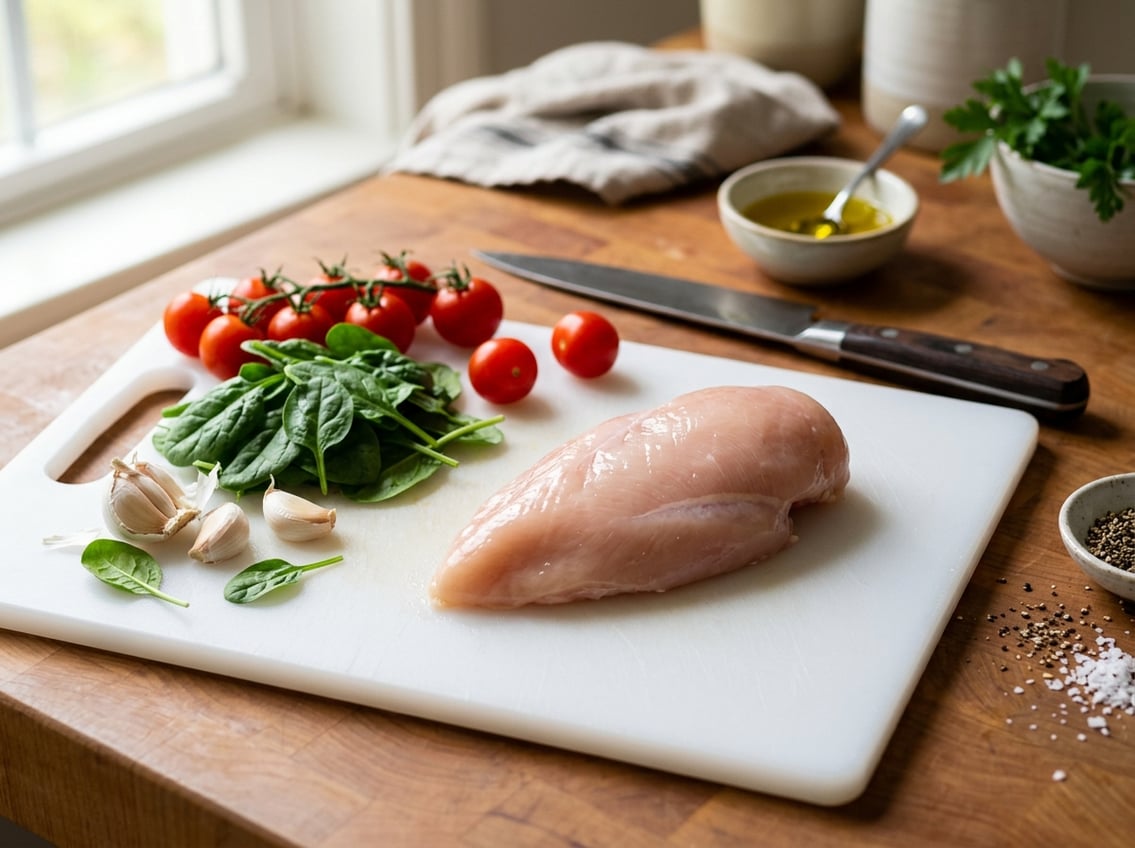
Dietary cholesterol is the cholesterol in food. Blood cholesterol is what shows up in lab tests.
Your body makes its own cholesterol, so what you eat is only one part of the picture.
Dietary Cholesterol vs Blood Cholesterol
For most people, dietary cholesterol has a smaller effect on blood cholesterol than saturated fat and trans fat. That is why chicken breast and cholesterol do not always move together in a simple way.
A moderate amount of cholesterol in chicken is less concerning when the meal is low in saturated fat and fits into a balanced eating pattern.
LDL Cholesterol, HDL Cholesterol, and Heart Risk
LDL cholesterol is the type that can build up in artery walls when it stays high. HDL cholesterol helps carry cholesterol away from the blood and back to the liver.
Chicken breast itself does not sharply raise LDL cholesterol in most people. The bigger heart risk usually comes from diets high in saturated fat, trans fat, and excess calories, as noted in Eating Choice.
Why Saturated Fat and Overall Diet Still Matter Most
If you eat chicken breast with fried sides, creamy sauces, or processed breading, the meal can become much less heart-friendly. The protein may stay the same, while the fat profile changes a lot.
Your full food pattern, not just chicken breast and cholesterol, is what matters most for long-term heart health.
How Preparation and Portions Affect Heart Health

Chicken breast can fit into a heart-healthy plan, yet the way you prepare it can shift it from lean to heavy. Portions also matter, since a larger serving brings more cholesterol, more calories, and often more sodium from seasonings or sauces.
Skinless vs Skin-On Choices
Skinless chicken breast is the better choice if you want to keep fat lower. The skin adds more saturated fat, which can affect LDL cholesterol more than the cholesterol in chicken breast itself.
Skin-on pieces move the meal closer to a higher-fat choice. Removing the skin keeps the meal simpler and leaner.
Roasted, Grilled, Fried, and Breaded Differences
Roasting, grilling, baking, and poaching are usually the best options for keeping cholesterol content of chicken meals in a healthier range. These methods do not need much added fat.
Fried and breaded chicken breast often picks up extra oil, refined breading, and sodium. That can make a meal less helpful for heart health, even when the meat started as a lean cut.
Portion Size and Meal Pairings That Make a Difference
A moderate serving, often around 3 to 4 ounces, is easier to fit into a heart-smart diet than a very large portion. Pair it with vegetables, beans, brown rice, or other high-fiber foods.
Fiber can help support healthier LDL cholesterol levels. The whole plate matters, not just the chicken breast cholesterol amount.
Who Should Be More Careful With Intake

Most people can include chicken breast in a balanced diet, but some people need a more careful plan. If you already have high cholesterol or a strong family history of heart disease, your response to dietary cholesterol may matter more.
When High Cholesterol Changes the Recommendation
If your LDL cholesterol is already high, your clinician may ask you to limit saturated fat first and watch overall diet quality. In that case, chicken breast can still fit, but portion size and preparation become more important.
Your test results and health history guide the best choice.
Familial Hypercholesterolemia and Medical Guidance
If you have familial hypercholesterolemia, your body clears cholesterol less well than usual. People with this condition often need more careful limits on saturated fat and sometimes dietary cholesterol too.
A doctor or dietitian can help you choose foods in a way that supports lower LDL cholesterol and fits your treatment plan.
Practical Ways to Lower Cholesterol While Keeping Chicken in Your Diet
You do not have to remove chicken from your meals to lower cholesterol. Small changes can help.
Choose skinless chicken breast more often. Grill, bake, roast, or poach instead of frying.
Use olive oil, herbs, lemon, garlic, and spices instead of butter-heavy sauces. Keep portions moderate.
Add vegetables, oats, beans, lentils, nuts, and other fiber-rich foods. Limit processed chicken products, such as nuggets and breaded patties.
Check labels to compare sodium, saturated fat, and cholesterol content of chicken products before you buy them.


