
Do Chicken Breast Have Protein? Amounts and Nutrition
Chicken breast is one of the most common high-protein foods you can choose. The answer to do chicken breast have protein is yes.
It is also one of the leanest animal protein options. This is why it shows up often in meal plans for fitness, weight loss, and simple weeknight meals.
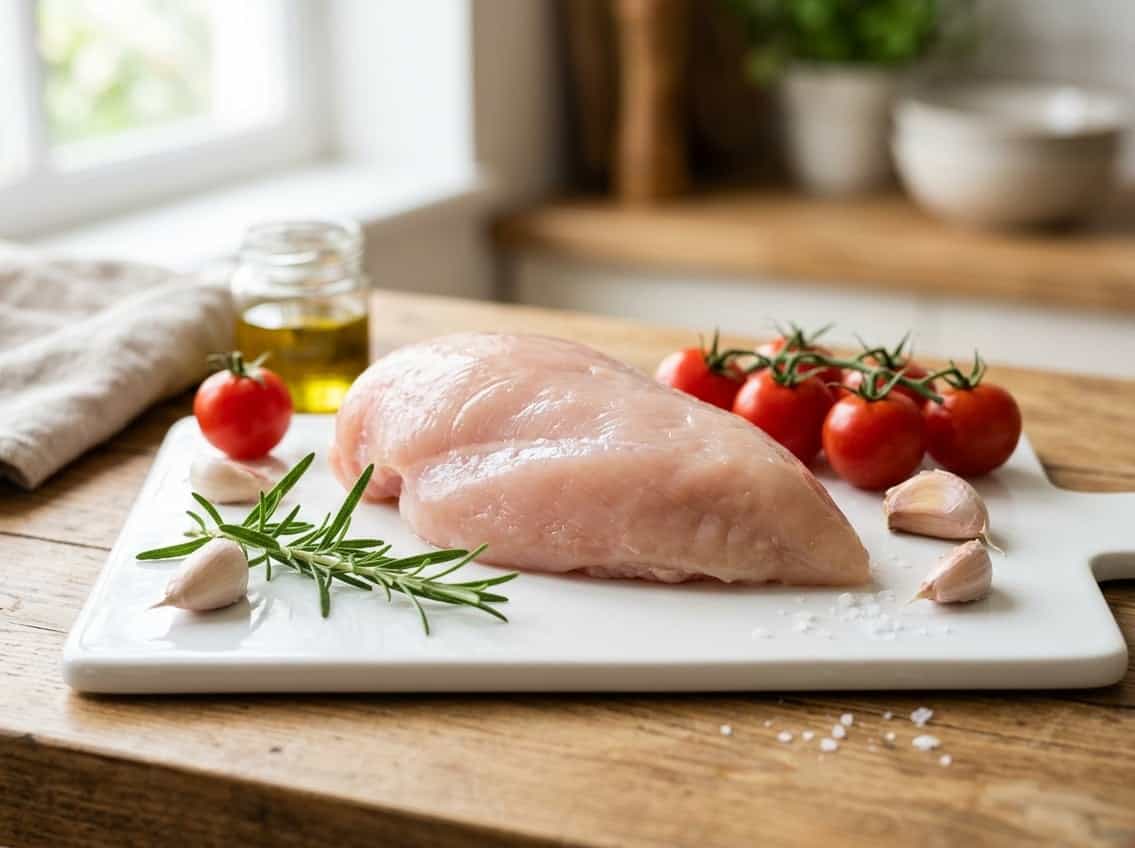
You get a large amount of protein from chicken breast. The exact total depends on the serving size, whether it is cooked or raw, and whether the cut is skinless, boneless, or bone-in.
A small portion can give you enough protein for a meal. A larger breast can supply far more than a single serving needs.
Chicken breast also gives you more than protein. It provides low amounts of fat, no carbs in plain form, and useful vitamins and minerals.
That makes it a strong choice when you want a filling food with a simple nutrition profile.
How Much Protein Chicken Breast Provides
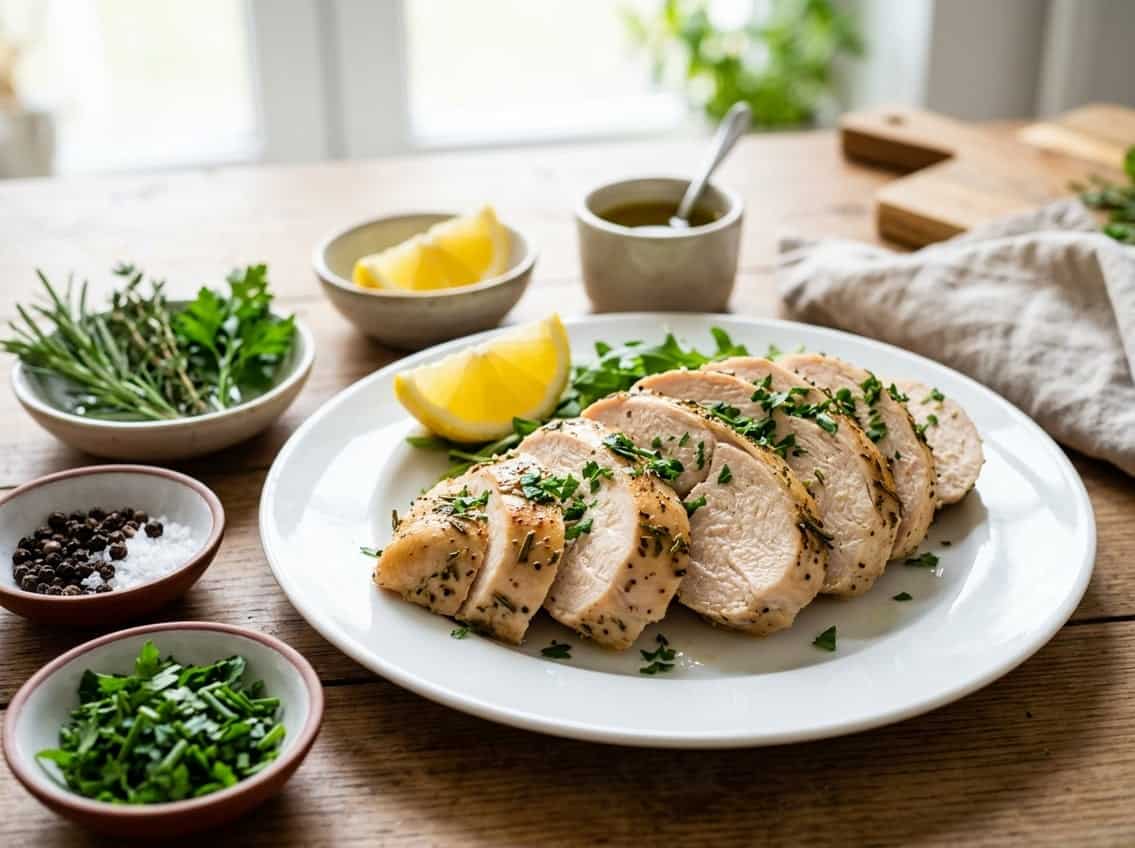
You can estimate chicken breast protein easily once you know the portion size. A skinless chicken breast is especially popular because it delivers a high protein amount with very little fat.
Protein in a Standard Serving
A standard cooked chicken breast of about 6 ounces gives you roughly 52 to 54 grams of protein, according to a medical nutrition guide on chicken breast protein.
A 4-ounce cooked portion gives you about 35 to 36 grams. That amount works well for lunch or dinner when you want a simple, high-protein plate.
Protein Per 100 Grams
Per 100 grams, cooked chicken breast provides about 31 to 32 grams of protein. Raw chicken breast has less protein per 100 grams because it still holds more water before cooking.
A small change in weight can change the total protein you eat.
How Portion Size Changes Total Protein
Bigger portions raise your total fast. A 3-ounce cooked serving gives you around 26 grams of protein, while an 8-ounce cooked chicken breast can provide about 70 to 72 grams.
If you are measuring meals by weight, the total protein becomes easier to estimate. If you are using your hand or eye, the size of the piece matters a lot.
Why Protein Numbers Change
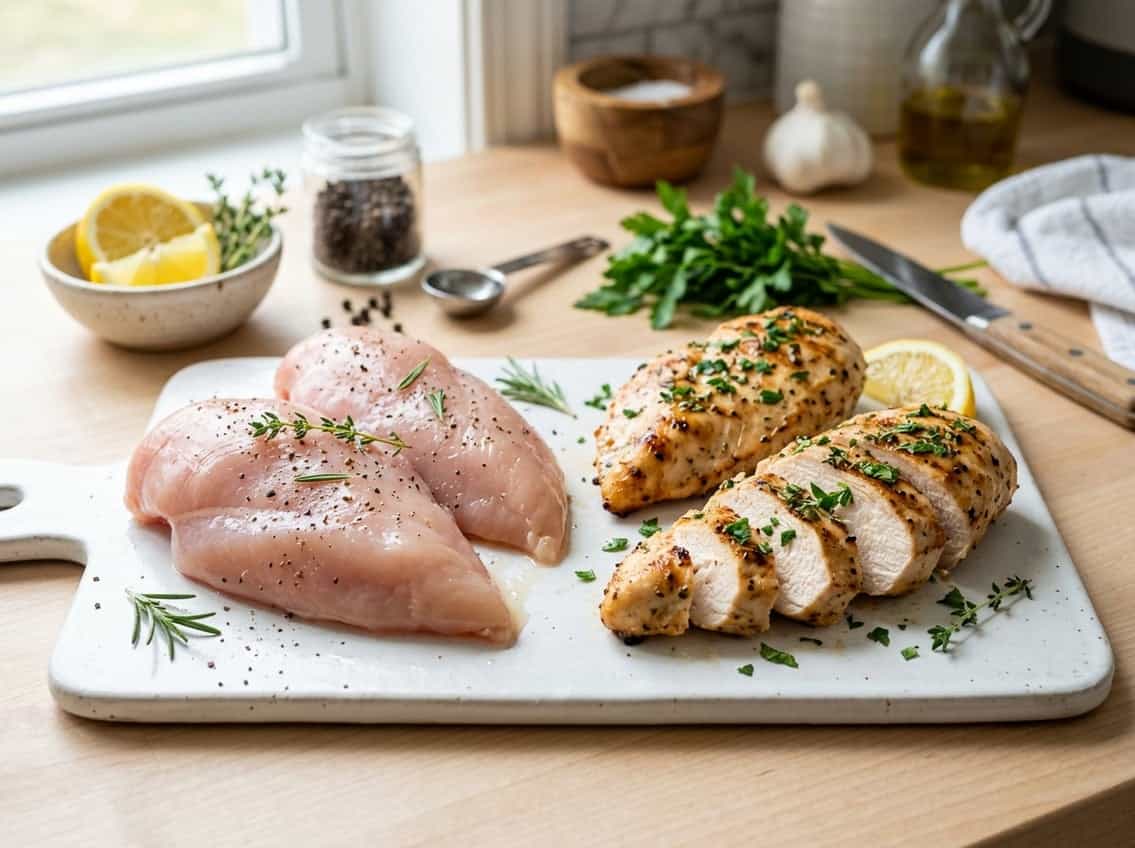
Cooking chicken breast does not remove the protein, but the numbers can shift. Weight changes during cooking, and the cut you buy can include skin or bone that changes the math.
Raw vs Cooked Weight
Raw chicken breast weighs more because it still contains more water. After you cook it, moisture leaves the meat, so each ounce of cooked chicken contains more concentrated protein.
That is why 100 grams raw and 100 grams cooked do not give the same protein total. If you track raw chicken, use raw nutrition numbers.
If you track cooked chicken, use cooked numbers.
Skinless vs Skin-On Cuts
Skinless chicken breast is leaner and easier to count for protein. Skin-on cuts still contain protein, but the skin adds more fat and calories.
If you want the most protein for the fewest calories, choose skinless chicken breast. Keeping the skin on changes the fat and calorie totals more than the protein.
Bone-In vs Boneless Portions
Bone-in chicken breast includes weight that is not meat. Part of the package weight comes from bone and cartilage, not edible protein.
For a bone-in piece, you get less protein per pound than with boneless chicken breast. You need to account for the edible yield, not just the total weight on the package.
How Grilling and Other Cooking Methods Affect Density
Grilling chicken breast removes water as it cooks, so the protein becomes more dense per ounce. A protein breakdown guide for chicken breast explains that grilled chicken breast keeps the same total protein as the raw piece, while the cooked weight drops.
Frying changes the nutrition more because oil and breading add calories and sometimes carbs. The chicken still has protein, but the final meal is less lean.
Chicken Breast Nutrition Beyond Protein
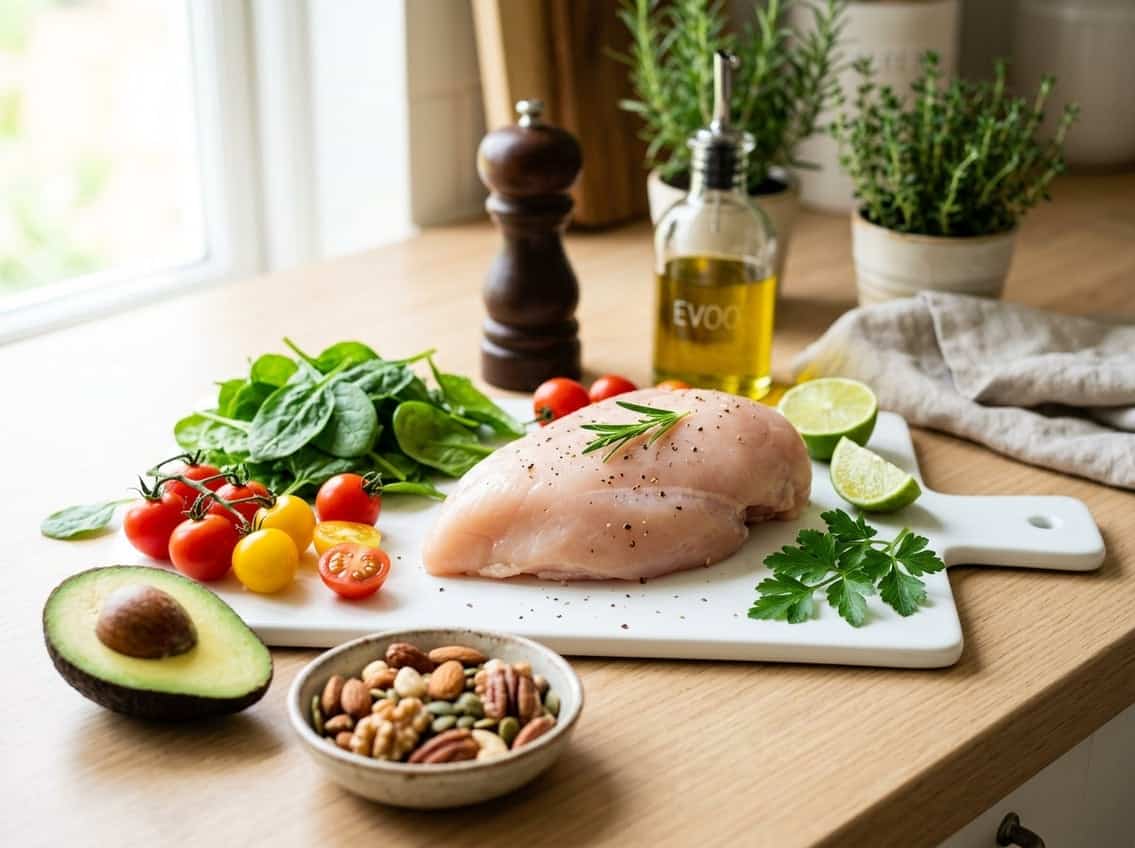
Chicken breast nutrition is simple and lean. The meat gives you protein first, with modest calories, low fat when skinless, and no carbs in plain cooked form.
Calories, Fat, and Carbs
A plain cooked skinless chicken breast is low in fat and carbs. That makes it useful when you want protein without adding many extra calories.
A nutrition guide on chicken breast lists about 165 calories and 31 grams of protein per 3.5 ounces, which is a common reference point.
The exact calorie count shifts with size and cooking method.
Vitamins, Minerals, and Amino Acids
Chicken breast also gives you B vitamins, including niacin and vitamin B6, plus minerals such as phosphorus and selenium. These nutrients help with energy use, cell function, and normal body repair.
It also provides all essential amino acids, which makes it a complete protein.
Chicken Breast Nutrition Facts to Know
A few chicken breast nutrition facts matter most when you plan meals:
- Plain skinless chicken breast is high in protein.
- It is low in carbs.
- It stays relatively low in fat unless you add oil or keep the skin on.
- Portion size changes the nutrition more than the name of the cut alone.
These points make it easier to compare chicken breast with other proteins and build meals that fit your goals.
When Chicken Breast Is a Good Choice
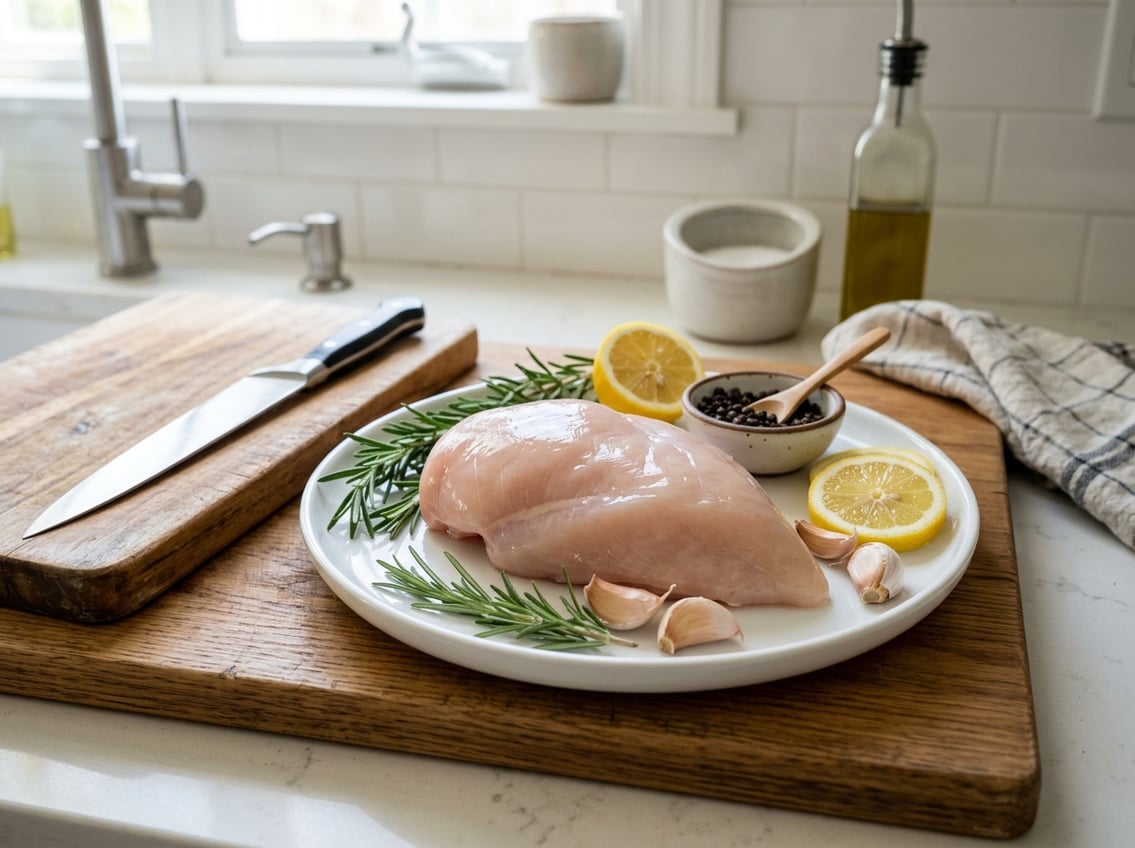
Chicken breast works well when you want a lot of protein in a manageable serving. It is a good option for training, fat loss, and simple meal prep.
For Muscle Building and Recovery
Chicken breast protein supports muscle repair after exercise. A solid serving can help you reach the protein target you need across the day.
A grilled chicken breast is a common post-workout meal because it gives you a lot of protein without much extra fat. It pairs easily with rice, vegetables, or potatoes.
For Weight Loss and Fullness
Protein helps you feel full longer than carbs or fat alone. Chicken breast is helpful because you can eat a fairly large protein portion without a high calorie load.
It is easier to keep your calorie intake steady when your meals contain enough protein.
How It Compares With Other Chicken Cuts
Chicken breast offers more protein per calorie than many other chicken cuts.
Thighs, drumsticks, and wings provide protein but usually contain more fat.
If you want the highest protein with the least added fat, choose chicken breast.
If you prefer more flavor and do not mind extra fat, other cuts can fit your diet.


