
Can I Eat Chicken Breast Everyday? Benefits, Risks, and Balance
You may ask, can I eat chicken breast everyday and still keep your diet balanced? For many people, the answer is yes, especially when chicken breast is part of a larger eating pattern that includes other proteins, fats, and plant foods.
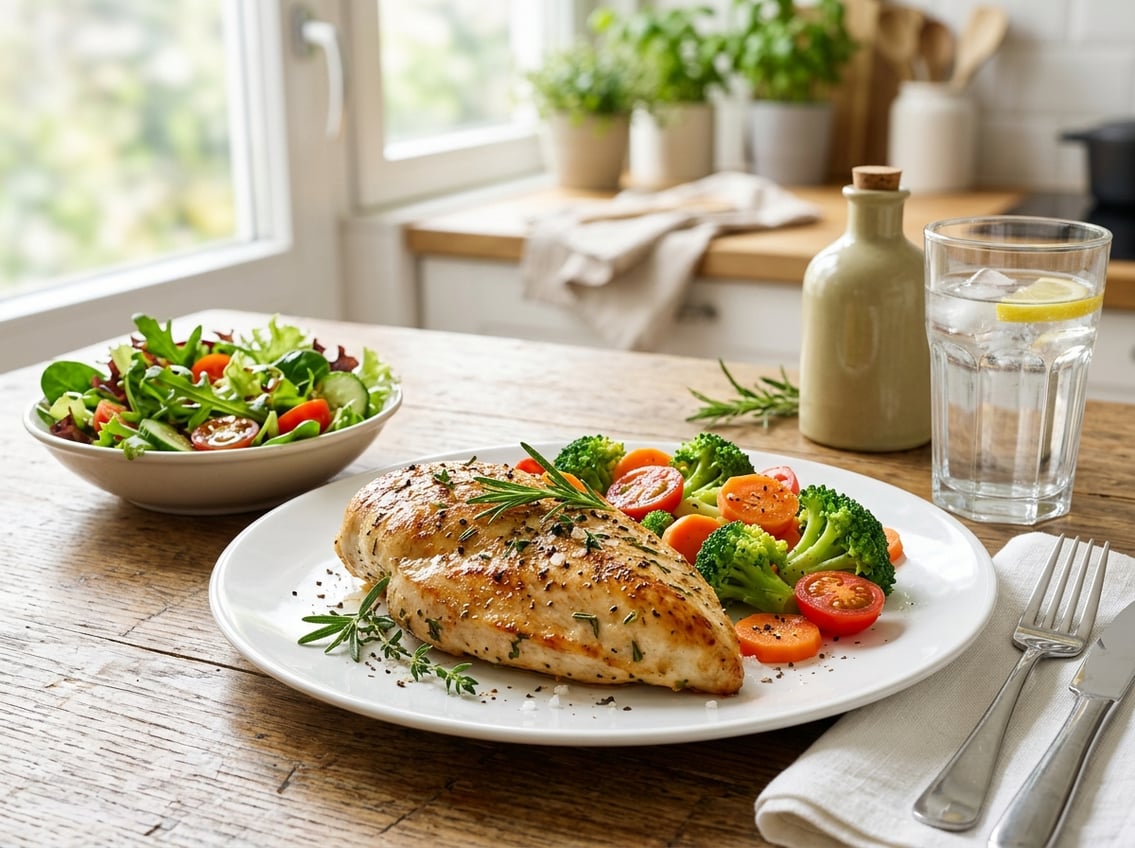
Chicken breast provides a reliable protein source because it is lean, easy to cook, and fits into many meals. It can support your protein needs, weight goals, and meal planning.
Eating chicken every day can also crowd out other foods your body needs.
If you eat chicken breast daily, you get a strong protein base, but you still need variety to cover fats, fiber, and other nutrients your body cannot get from chicken alone.
What Daily Chicken Breast Does Well
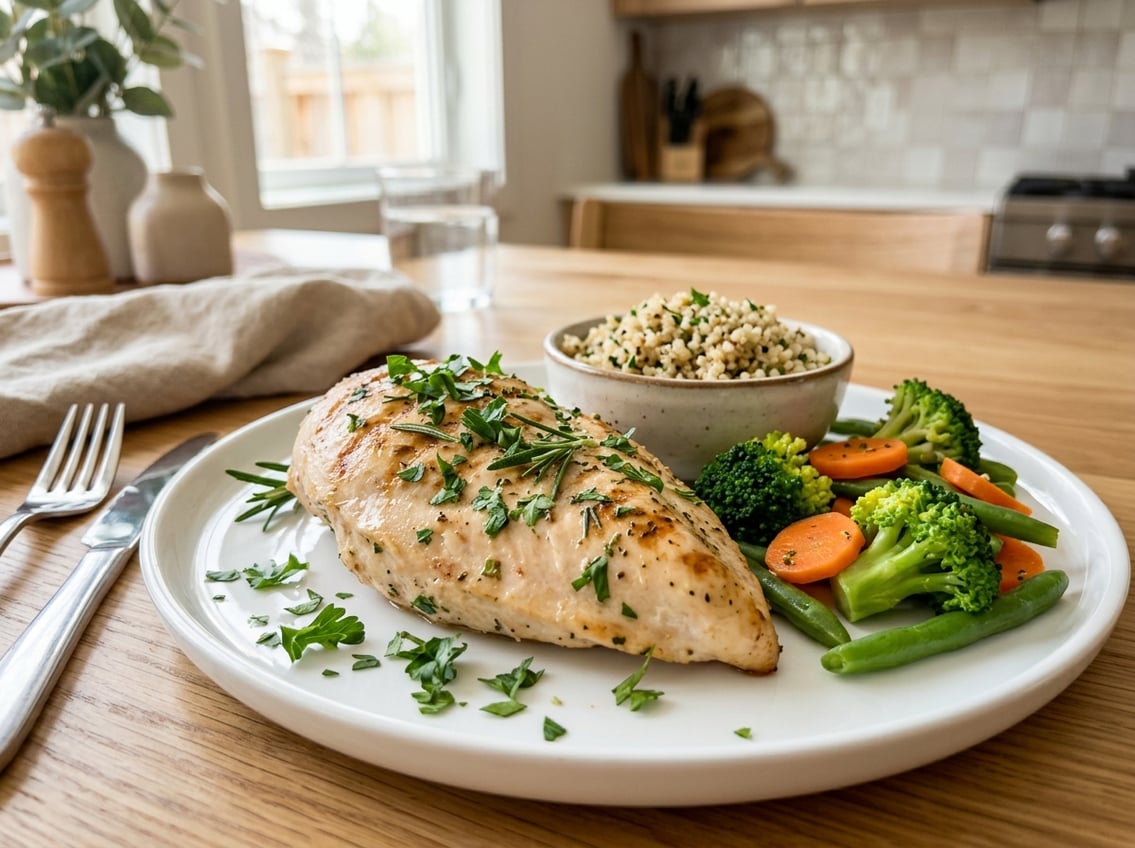
Chicken breast stands out as one of the most useful lean protein sources in a standard American diet. It is filling and widely available.
How It Helps You Hit Protein Goals
Chicken breast gives you a lot of protein in a small serving. A 4-ounce serving can provide about 35 grams of lean protein, which makes it easier to meet daily protein targets if you train, are active, or need higher protein at meals.
Chicken can support weight and protein goals because it is high in quality protein.
Protein also helps with fullness. If you tend to get hungry soon after meals, chicken breast can help you stay satisfied longer.
Why It Counts as a Lean, Complete Protein
Skinless chicken breast is a lean protein source because it is high in protein and low in fat. It also counts as a complete protein, providing all nine essential amino acids your body needs from food.
Those essential amino acids support muscle repair, hormone production, and immune function. Chicken breast works well in many recipes and is a practical choice for a simple protein source.
Nutrients You Get Beyond Protein
Chicken breast gives you more than protein. It also contains B vitamins such as niacin, B6, riboflavin, and thiamin, which help support energy metabolism.
You also get minerals like selenium and phosphorus. These nutrients matter if you want a dependable main protein that does more than just fill you up.
That said, chicken breast is still only one part of a balanced diet.
Where a Chicken-Heavy Routine Can Fall Short
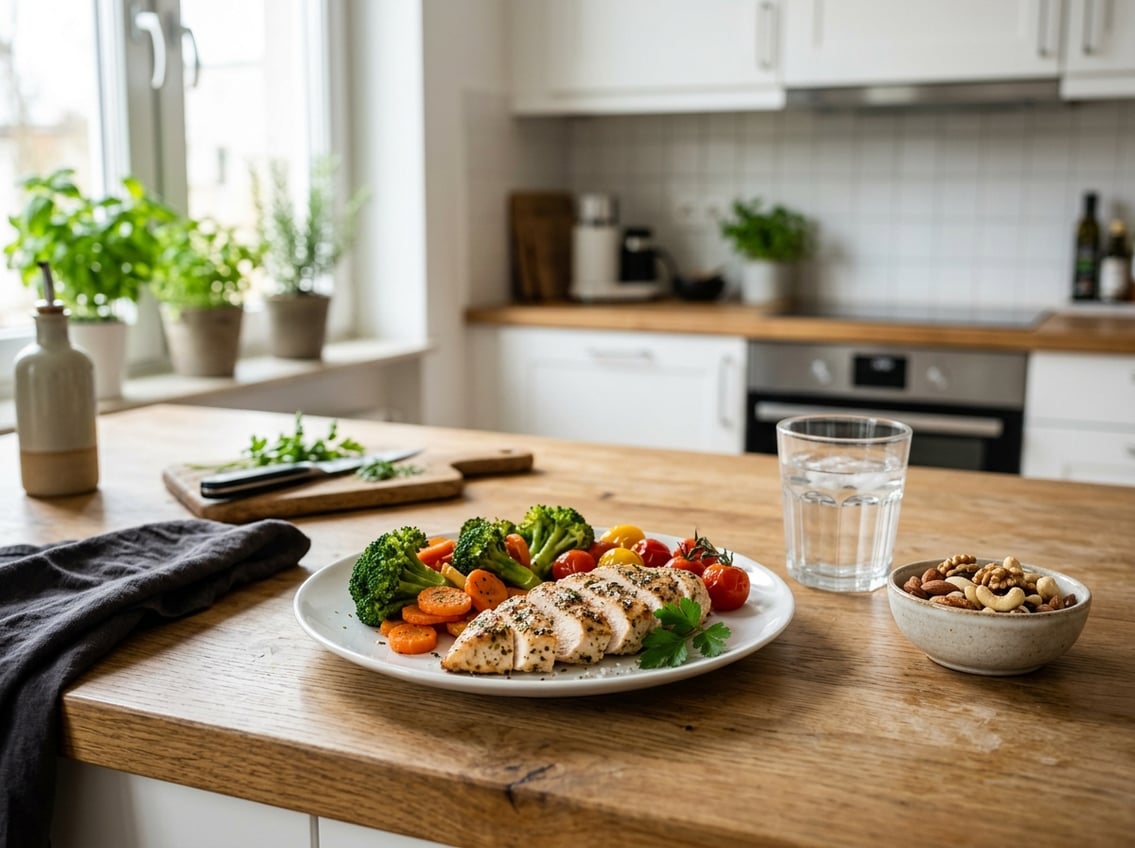
A chicken-heavy routine can work for convenience, yet it can also narrow your nutrient intake. When you eat chicken every day, the biggest issue is often not the chicken itself, it is what you stop eating as often.
Why Variety Matters for Long-Term Nutrition
A varied diet helps you get a wider range of nutrients from different foods. Chicken is useful, yet it does not replace fish, beans, dairy, nuts, seeds, and vegetables.
Eating the same protein daily can make it easier to miss nutrients that come from other sources of protein, including fiber, potassium, calcium, and omega-3 fatty acids.
Nutrients Chicken Does Not Provide Much Of
Chicken breast is low in fat, especially skinless chicken breast. That means you do not get many healthy fats on its own, including omega-3 fatty acids.
It also provides no fiber. Plant-based proteins such as beans, lentils, tofu, nuts, and seeds can help fill that gap while adding other nutrients at the same time.
A diet that includes both animal and plant-based proteins is usually easier to balance.
When Daily Habits May Raise Practical Concerns
Eating chicken every day can become boring, which may make it harder to stick with healthy meals. Food safety and sourcing matter too, especially if you buy the same package or brand repeatedly.
Some people prefer to watch comments about antibiotics in chicken and choose products labeled raised without antibiotics. Labels vary, so read them carefully and rotate your protein choices when you can.
How to Make It a Healthy Everyday Choice
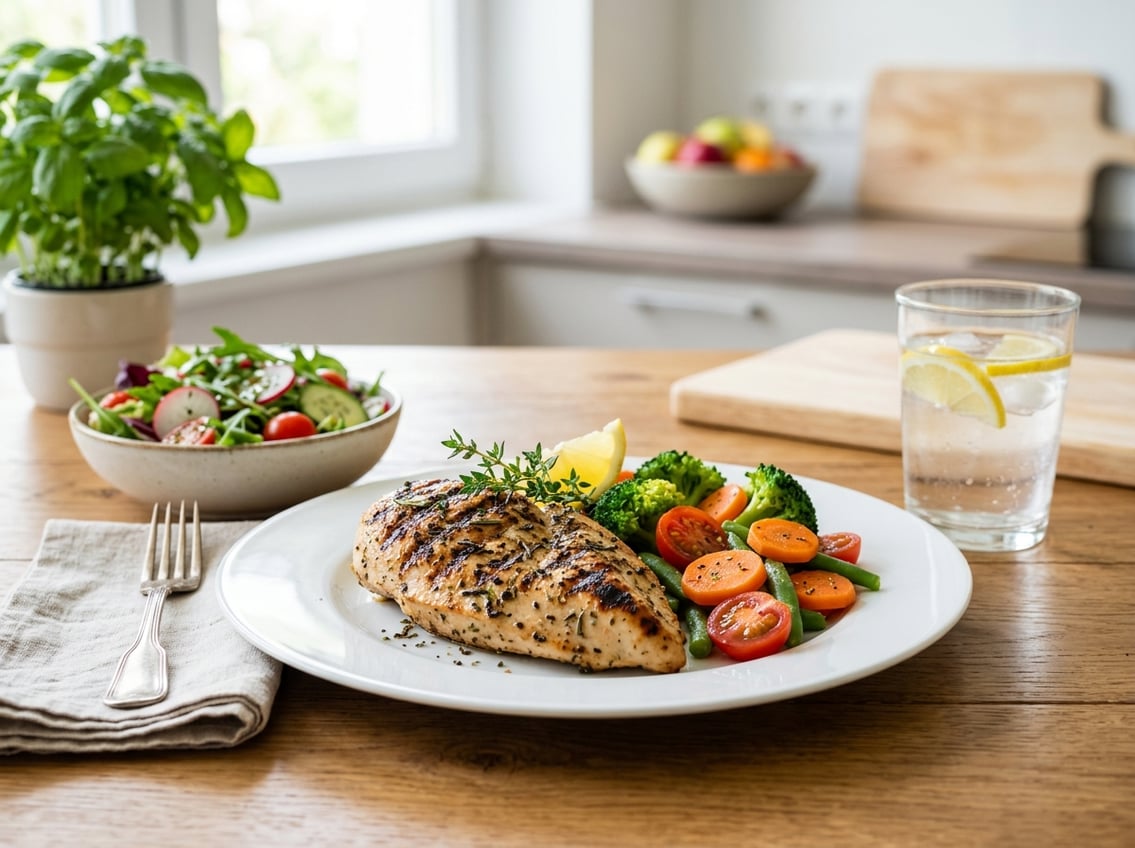
You can make chicken breast a steady part of your diet without letting it take over every meal. The key is to pair it with other foods that bring fiber, healthy fats, and extra vitamins.
Smart Portion Sizes and Meal Pairings
A simple serving of chicken breast works well when you build the rest of the plate around it. Pair it with vegetables, a whole grain, and a healthy fat such as olive oil, avocado, or nuts.
That balance helps you get more complete meals and reduces the chance that your diet becomes too narrow. Chicken salad with beans, chicken soup with vegetables, or chicken with brown rice and roasted broccoli all work well.
The Healthiest Way to Cook Chicken
The healthiest way to cook chicken is to keep added fat and salt moderate. Grill, poach, bake, or roast chicken for solid choices.
You can marinate chicken breast for flavor without relying on heavy sauces. If you use oil, choose a small amount of healthy fats such as olive oil.
Baked, grilled, or roasted chicken is a better daily choice than fried chicken, and removing the skin lowers saturated fat.
Simple Ways to Keep Meals Interesting
You do not need to eat plain chicken breast every day. Change the flavor with spice rubs, marinades, different vegetables, and different sides.
Try grilled chicken in salads, poached chicken in soups, or sliced chicken breast in grain bowls. These small changes make it easier to keep a routine without getting tired of the same meal.
Safety, Sourcing, and Guidance

You can eat chicken breast often and still keep your diet healthy if you handle it safely and choose other proteins too. The goal is not to avoid chicken, it is to avoid making it your only dependable protein.
How to Lower Food Safety Risks at Home
Raw chicken can carry campylobacter, a common cause of foodborne illness linked to poultry. Wash your hands after touching raw chicken, keep raw meat separate from ready-to-eat foods, and cook chicken to a safe internal temperature.
Do not rinse raw chicken in the sink, since that can spread bacteria around your kitchen. Clean cutting boards, knives, and counters right after contact with raw meat.
What to Know About Buying Chicken
Labels like raised without antibiotics may matter to you, and they can help guide your choices at the store. They do not change the need to cook and handle chicken safely.
It also helps to vary your sources of protein during the week. Chicken is useful, yet fish, eggs, yogurt, beans, lentils, tofu, and nuts can help support a more complete diet.
Who Should Rotate Other Proteins More Often
If you eat chicken every day, pay extra attention to the rest of your plate.
That becomes even more important if you do not eat much fish, dairy, or plant-based foods.
Eating a varied diet supports better nutrient coverage.
Chicken breast can fit into your daily meals, but you should not make it your only protein for every meal.


