
How Can You Cook Chicken Breasts: Best Methods
How can you cook chicken breasts in a way that keeps them moist, safe, and useful for different meals? The answer depends on the cut you buy, the texture you want, and how much time you have.
You can bake, pan-sear, poach, or broil chicken breasts. Each method gives you a different result.
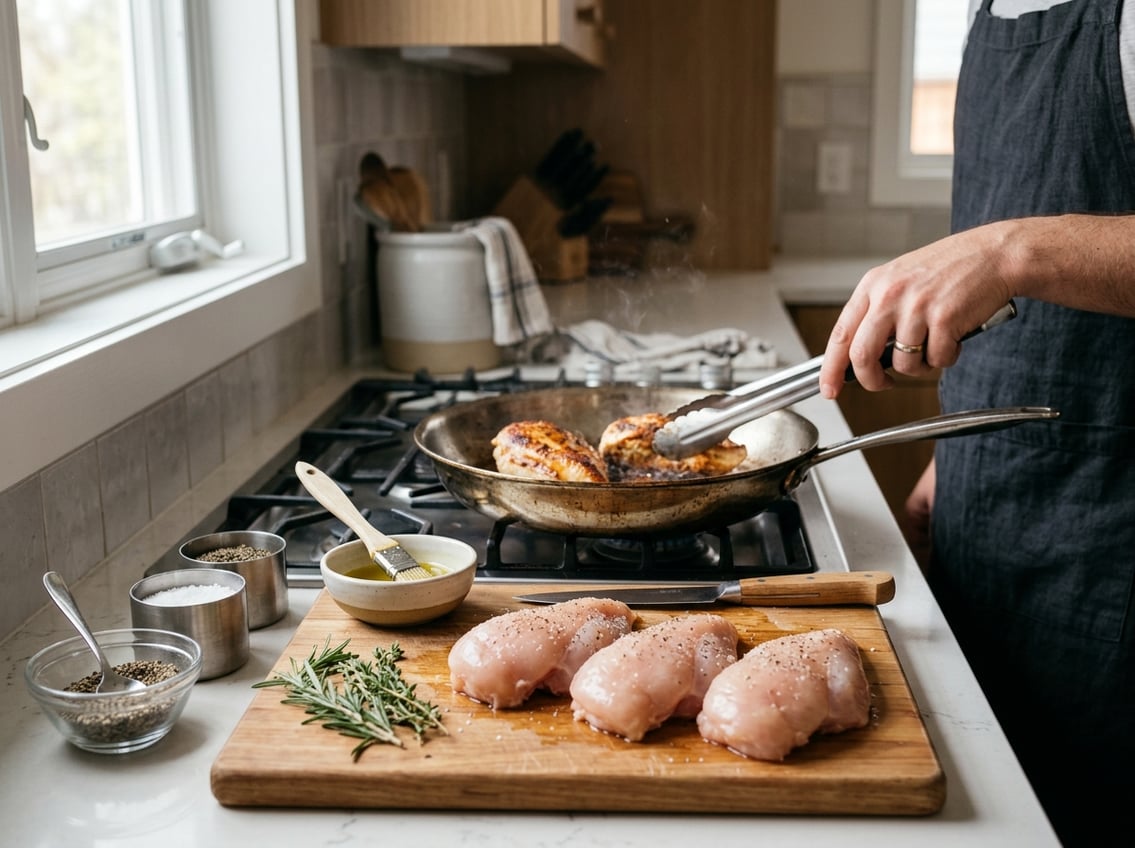
Boneless cuts work well for quick weeknight meals. Bone-in pieces often stay juicier and bring more flavor.
If you want a reliable chicken breast recipe, start with even thickness, proper seasoning, and a thermometer.
Choose the Best Cooking Method First
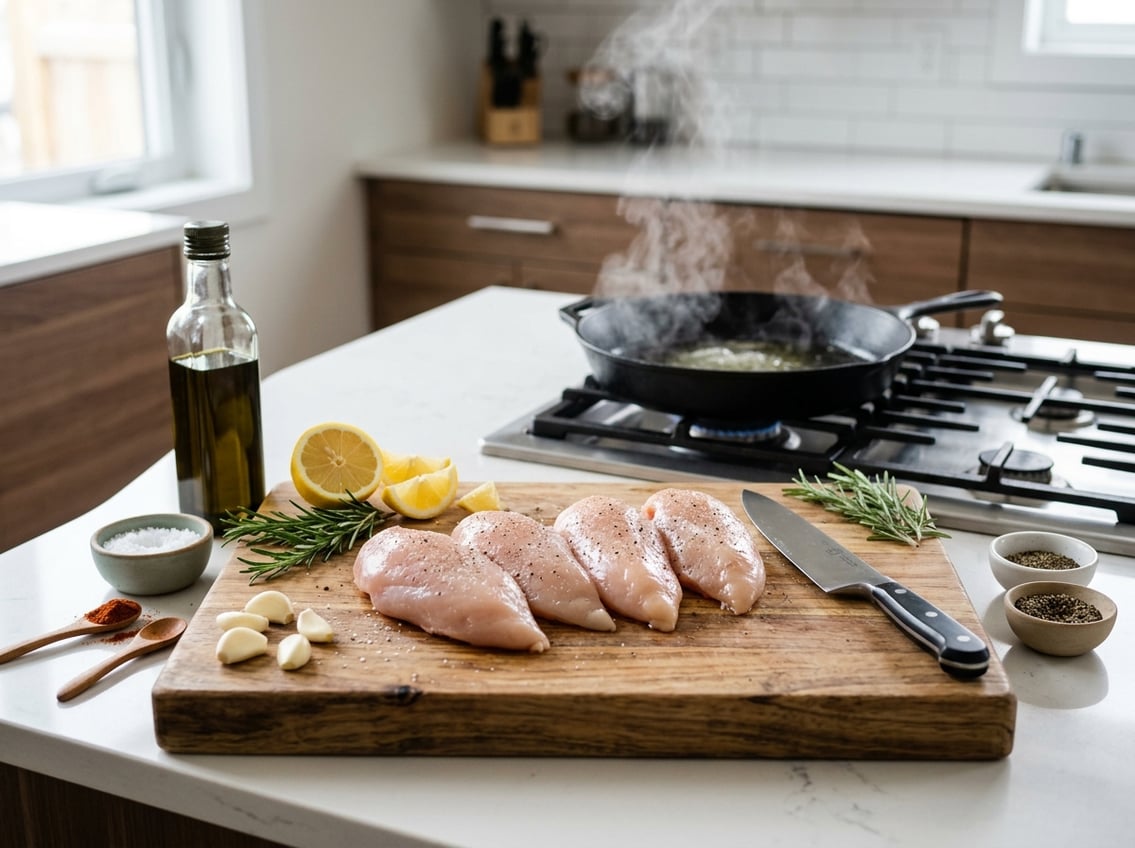
The right method depends on what you want from the finished chicken breast. For a simple dinner, you may want a baked chicken breast.
For a crisp exterior, pan-seared chicken breasts work well. For soup, salads, or shredded fillings, gentler methods often give better texture.
Bake for Hands-Off, Juicy Results
If you want to cook chicken breast with little active time, choose baking. Baking works well for meal prep or a full dinner.
Roasting at 425°F gives you a straightforward path to juicy results.
Pan-Sear for a Golden Crust
Pan-searing gives you browned edges and strong flavor in a short time. Use a hot skillet to build a better crust than low-heat methods.
This method works well for slicing chicken over rice, pasta, or vegetables.
Poach for Shredding and Meal Prep
Poaching keeps chicken tender and easy to shred. Use this method for chicken noodle soup, casseroles, tacos, or salads.
Poaching suits boneless cuts and bone-in pieces when you want a mild flavor and soft texture.
Broil When You Need Speed
Broiling cooks fast and gives you a browned top without a long oven time. Watch the chicken closely, since broilers can overdo it quickly.
Broiling is helpful when you need dinner ready fast.
Prep Steps That Keep the Meat Juicy
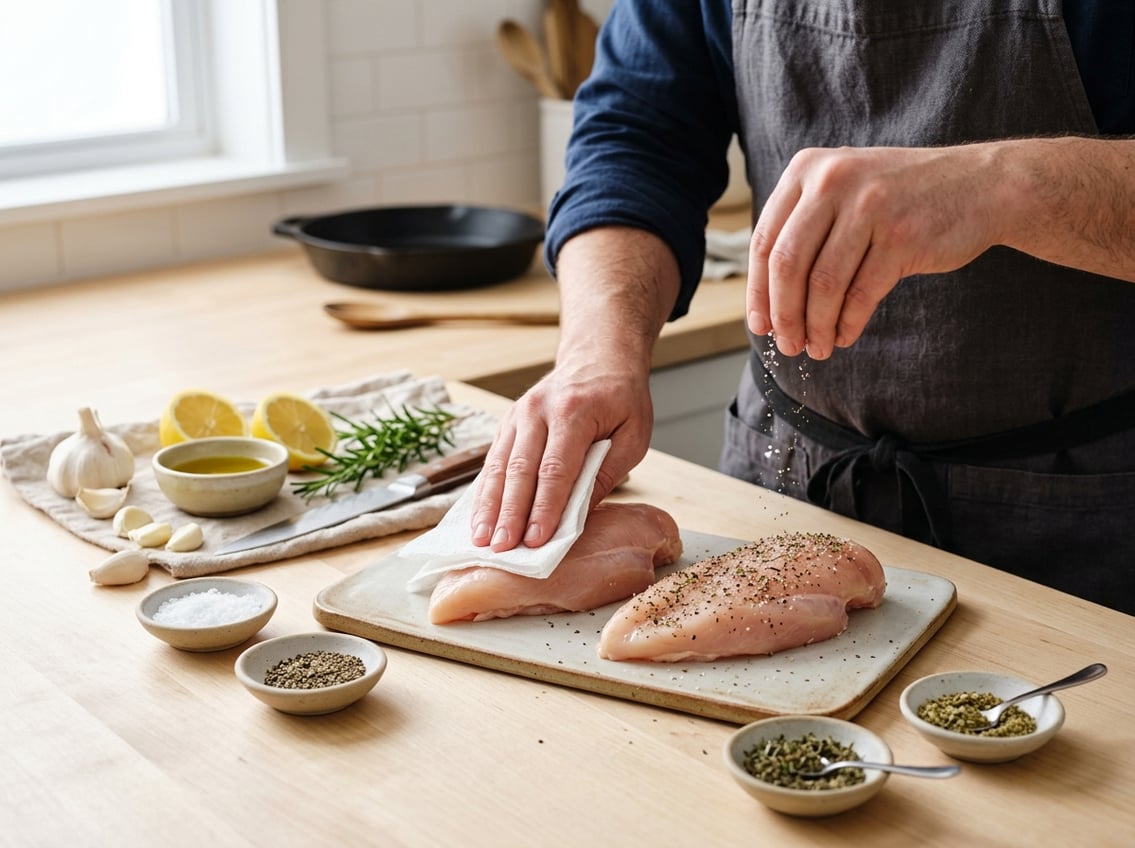
Good prep matters as much as heat. Salt, thickness, and cut type all affect whether you end up with juicy chicken or a dry one.
If you want tender chicken breasts, start before the pan or oven turns on.
When to Brine or Marinate
Brining helps the meat hold moisture, especially for lean boneless skinless chicken breasts. A short brine can improve texture before baking or pan-searing.
Marinating adds flavor. A simple overnight marinade works well for boneless skinless chicken you plan to grill, bake, or broil.
How to Flatten for Even Cooking
Pound boneless skinless chicken breasts to an even thickness so they cook at the same rate. This step helps avoid dry chicken at the thin end while the thick end finishes.
For bone-in skin-on chicken, you usually do not pound the meat. The structure helps it hold shape during cooking.
How to Season Boneless and Bone-In Cuts
Season boneless skinless chicken breasts with salt, pepper, and any dry spices you like before cooking. Bone-in skin-on chicken needs seasoning on both the meat and the skin side for balanced flavor.
A little oil helps the surface brown well and keeps spices in place.
Cooking Times, Temperatures, and Doneness
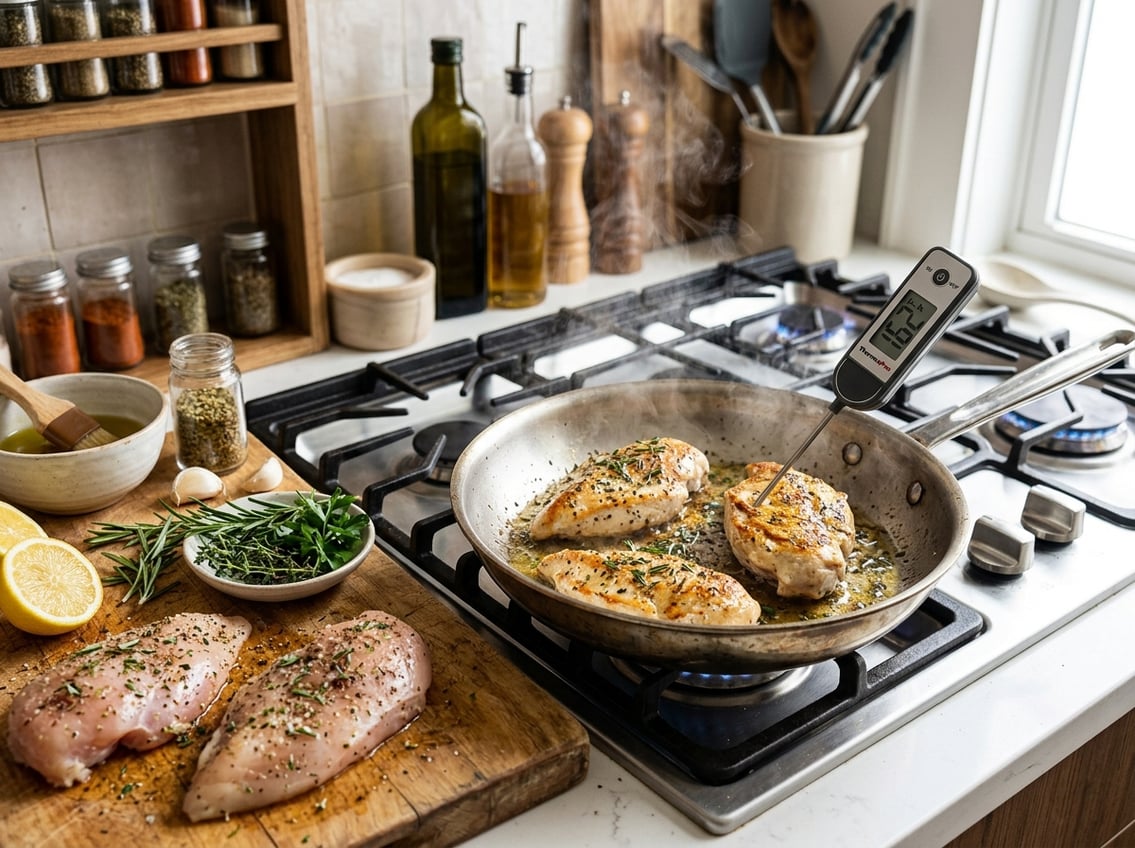
Temperature matters more than the clock. The safest and most reliable way to cook chicken breasts is to check the thickest part with a thermometer.
Time changes based on thickness, cut type, and whether the chicken is boneless or bone-in.
Safe Internal Temperature and Carryover Cooking
Chicken is done when it reaches 165°F in the thickest part. You can often pull it a few degrees early, since carryover cooking raises the temperature while it rests.
Chicken can be removed around 160°F because it will continue to rise as it sits.
Time Ranges by Thickness and Cut Type
For baked chicken breasts, a typical oven range is 20 to 25 minutes at 425°F for average boneless cuts. Thicker boneless pieces may need more time.
Bone-in skin-on chicken usually takes longer. When you bake chicken breasts, start checking early so you do not overcook them.
Resting, Slicing, and Serving
Let the chicken rest for about 5 minutes after cooking so the juices stay in the meat.
Slice against the grain for a cleaner bite and better texture.
Add cooked chicken to salads, sandwiches, grain bowls, or soups.
Serve with vegetables for a simple chicken breast dinner.


