
How Is Chicken Breast Healthy for Your Diet?
Chicken breast gives you a lot of protein with relatively little fat. It is a simple, flexible food that fits into many eating plans when you cook it in a sensible way.
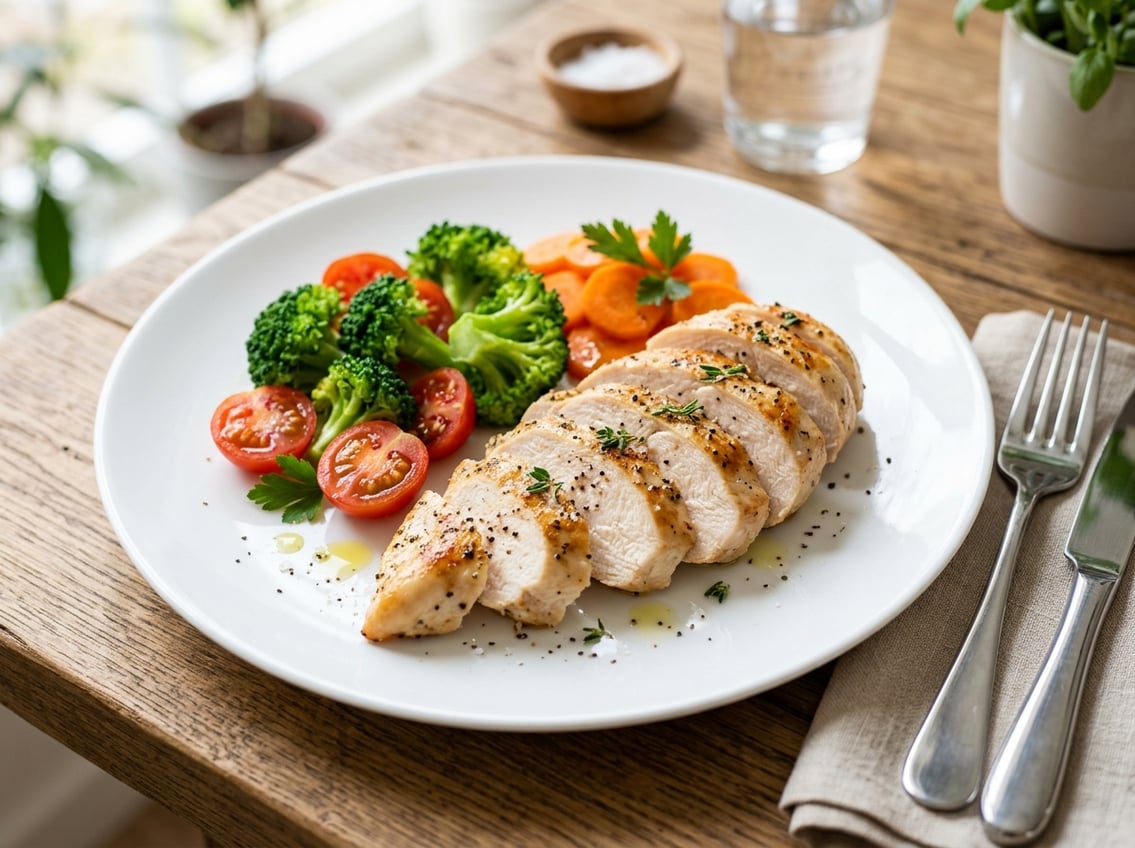
Chicken breast is healthy for your diet because it is a lean protein that supports fullness, muscle maintenance, and balanced meals without adding much saturated fat.
Skinless chicken breast pairs easily with vegetables, beans, and grains, making it useful for everyday meals. The way you cook it matters, since frying, heavy sauces, and oversized portions can change how healthy it is.
What Makes Chicken Breast a Nutritious Protein
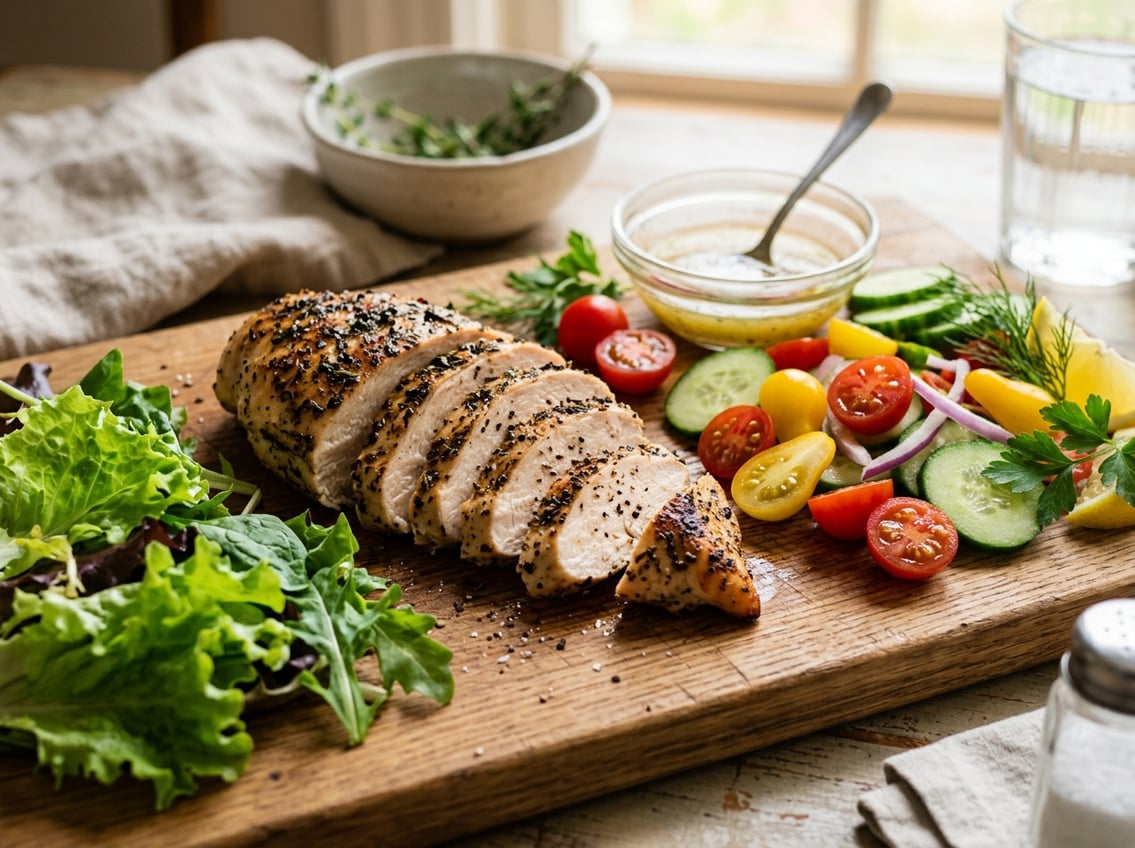
Chicken breast appears in many healthy meal plans because of its strong nutrition profile. Skinless chicken breast gives you a high amount of protein for a small number of calories.
Chicken Breast Nutrition at a Glance
A 3-ounce serving of skinless cooked chicken breast provides about 128 calories, 26 grams of protein, 3 grams of fat, and 1 gram of saturated fat, according to EatingWell’s review of chicken breast nutrition.
It also provides small amounts of vitamin B6, vitamin B12, zinc, and choline. That mix makes it useful when you want a food that is filling without being heavy.
Why Skinless White Meat Is Leaner
Skinless chicken breast has less fat than many other animal proteins. Removing the skin lowers calories and saturated fat even more.
That helps keep meals lighter and easier to fit into your daily plan. Chicken breast differs from many prepared chicken dishes that use breading, frying, or rich sauces.
Chicken Breast vs. Chicken Thighs
Chicken thighs can be flavorful and tender, and they often stay juicier during cooking. They also have more fat and more saturated fat than chicken breast.
If you want lower-fat protein, chicken breast is usually a better choice. If you want a richer taste and do not mind extra fat, chicken thighs can still fit into a balanced diet in smaller portions.
How It Supports Common Health Goals
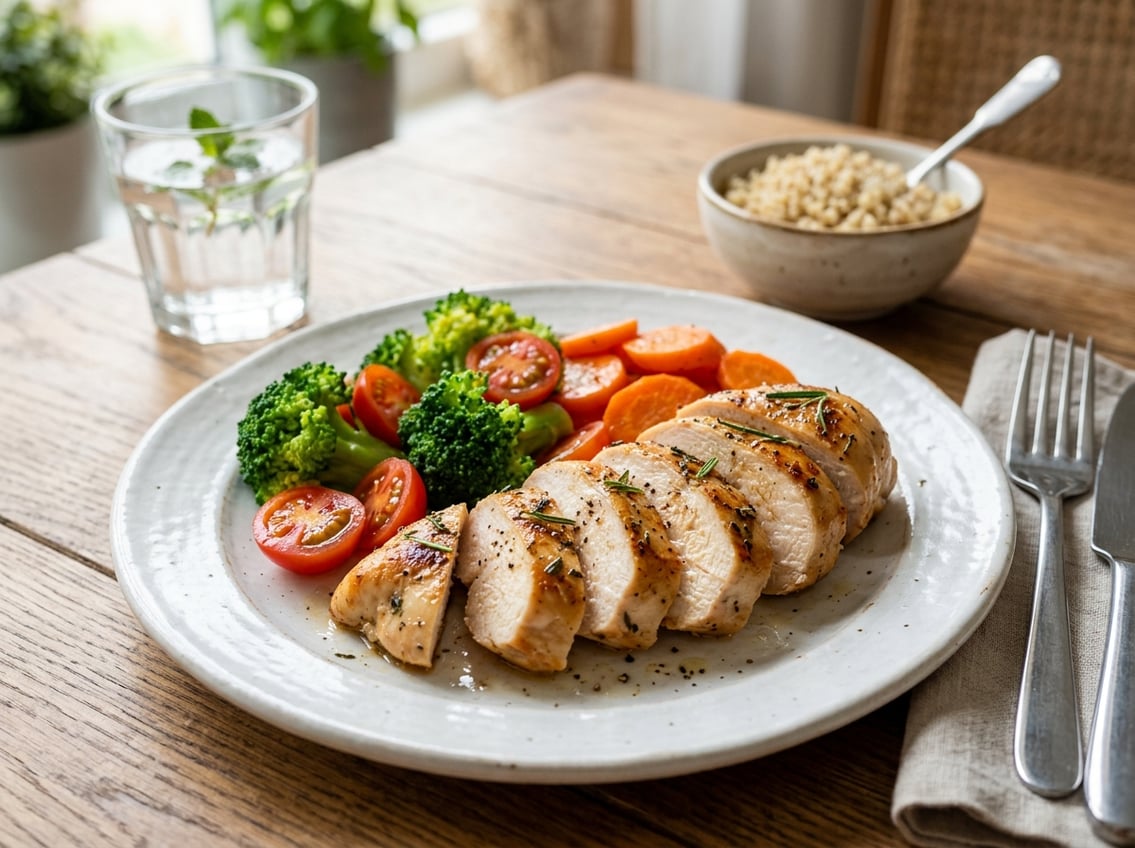
Chicken breast supports several common health goals because it gives you protein without a large amount of saturated fat. The way you build the rest of the plate matters just as much as the meat itself.
Weight Management and Fullness
Protein helps you feel full after meals, which can make it easier to manage portions. A higher-protein lunch or dinner may help reduce the urge to snack soon after eating.
Chicken breast works well for that purpose because it gives you a lot of protein for relatively few calories. Pair it with vegetables and a modest serving of brown rice, beans, or another whole grain for a more satisfying meal.
Heart Health and Lower Saturated Fat Intake
Chicken breast is often favored over red or processed meats because it is lower in saturated fat. That can support a heart-conscious eating pattern when the rest of the meal is also balanced.
Use small amounts of olive oil, herbs, lemon, and spices to add flavor without raising saturated fat much higher.
Diet Patterns Like the Mediterranean Diet and DASH Diet
Chicken breast fits well into both the Mediterranean diet and the DASH diet. Those eating patterns focus on lean protein, vegetables, beans, whole grains, and healthy fats.
A simple meal like mediterranean chicken with olive oil, vegetables, beans, and brown rice shows how it works. The same idea applies to a DASH-style plate with grilled chicken and plenty of produce.
What Research Suggests About Type 2 Diabetes Risk
Excess saturated fat can play a role in type 2 diabetes risk. Replacing processed red meat with poultry may help lower risk in some diets, according to EatingWell’s summary of the research.
Chicken breast can be a smarter protein swap when you want a more balanced eating pattern. The rest of your diet still matters most.
When Chicken Breast Becomes Less Healthy
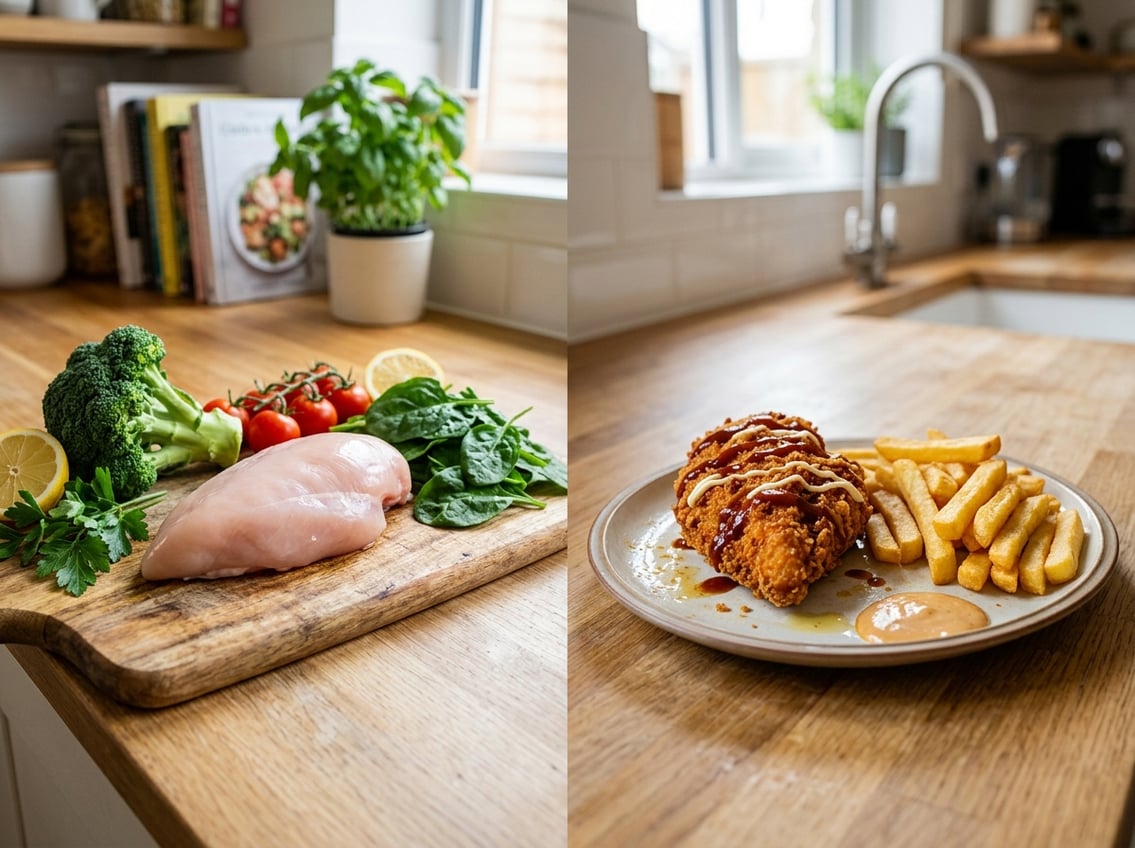
Chicken breast stays healthy when you prepare it simply. It becomes less helpful when frying, breading, heavy sauces, large portions, and extra sodium start to take over.
How Frying, Breading, and Heavy Sauces Change the Nutrition
Chicken parmesan, buffalo chicken, orange chicken, teriyaki chicken, and buffalo chicken dip contain much higher calories, sodium, sugar, and fat than plain chicken breast. Breaded and fried versions also absorb more oil.
A grilled or baked chicken breast is usually a lighter choice than a heavily coated version. Skillet chicken can still be healthy when you use a small amount of olive oil and keep the sauce simple.
Portion Size, Sodium, and Added Sugar to Watch
Restaurant and takeout versions often use large portions. That can turn one serving into two or three without you noticing.
Sauces like teriyaki, orange, and sweet glazes add a lot of sugar. Salty seasonings and dips can raise sodium quickly.
Better Ways to Keep Flavor Without Overdoing Calories
You can keep chicken breast flavorful with garlic, pepper, paprika, citrus, fresh herbs, salsa, and a small amount of olive oil. Those choices add taste without changing the nutrition as much.
Grilling, baking, and skillet cooking all work well when you keep the recipe simple. A well-seasoned grilled chicken breast can be just as satisfying as a heavier dish when you serve it with vegetables.
Healthy Ways to Eat Chicken Breast More Often
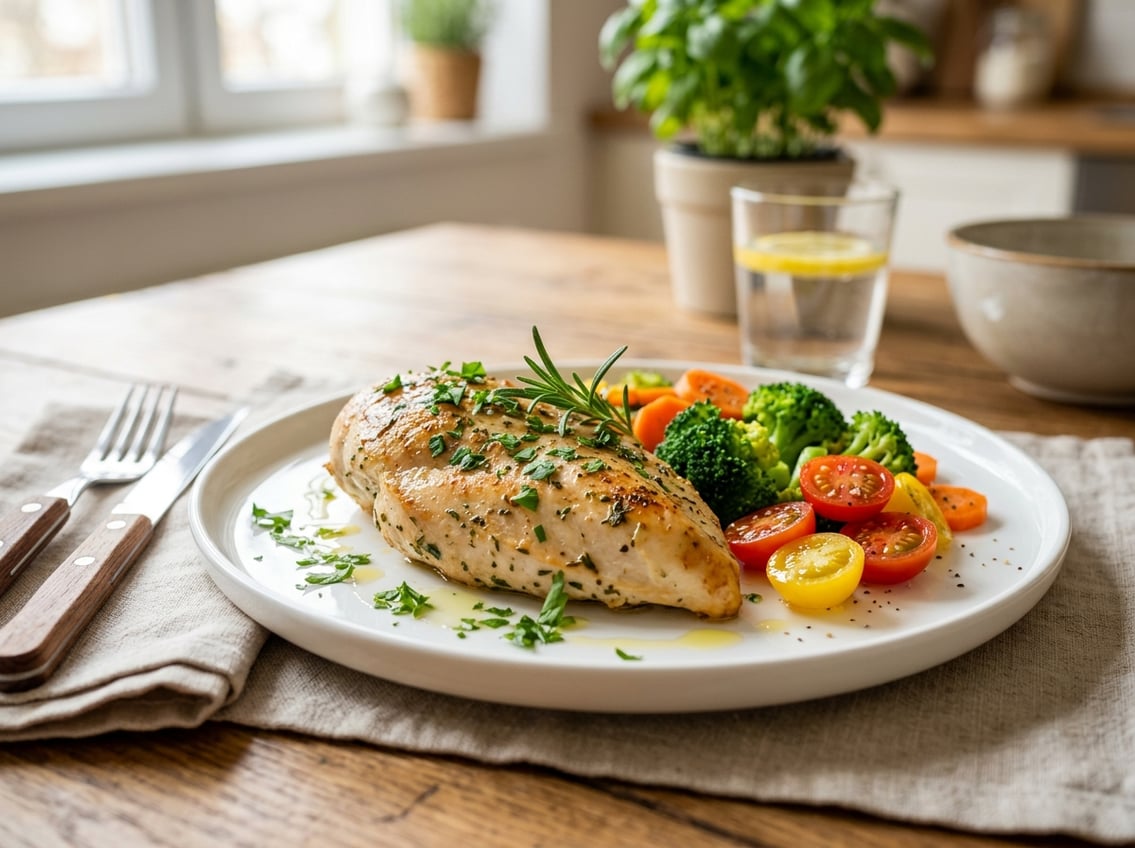
You can keep chicken breast healthy by planning meals around it instead of treating it as the main event by itself. The best recipes use balanced sides, smart cooking methods, and simple flavors you can repeat during the week.
Balanced Meal Pairings for Everyday Eating
Start with chicken breast, then add vegetables, beans, and brown rice for fiber and staying power. That mix helps turn a lean protein into a complete meal.
You can also build bowls, salads, and wraps around shredded chicken. A southwest chicken salad or chicken cobb salad works well when you keep dressings and toppings moderate.
Best Cooking Methods for Flavor and Texture
Baked chicken breast, grilled chicken breast, and skillet chicken are reliable choices for daily cooking. Air fryer chicken and sheet pan chicken are also useful when you want less cleanup.
For more tenderness, avoid overcooking. Let the chicken rest after cooking to keep it from drying out.
Recipe Ideas for Weeknights, Meal Prep, and Comfort Meals
If you want easy healthy chicken breast recipes, start with meal prep chicken, lemon herb chicken, honey mustard chicken, or maple mustard chicken.
These recipes fit well into busy weeks and hold up well in the fridge.
For bigger meal rotation ideas, try spinach stuffed chicken breast or chicken fajitas.
You can also make chicken fajita casserole, crockpot chicken tacos, shredded chicken, lemon chicken pasta, or chicken noodle soup.
Buffalo chicken soup, chicken pot pie, cashew chicken, and instant pot chicken fried rice are great options too.
Many chicken breast recipes also work well as chicken soup recipes when you want something simple and filling.
Keep the base lean and let the other ingredients add flavor.
This way, chicken breast stays useful for both quick meals and comfort food.


