
Is It Safe to Refreeze Chicken Breast? Rules to Know
Is it safe to refreeze chicken breast is a common question because plans can change quickly and food waste adds up fast.
The short answer is yes, you can often refreeze chicken breast if it stayed cold and was thawed safely. The method you used to thaw it matters a lot.
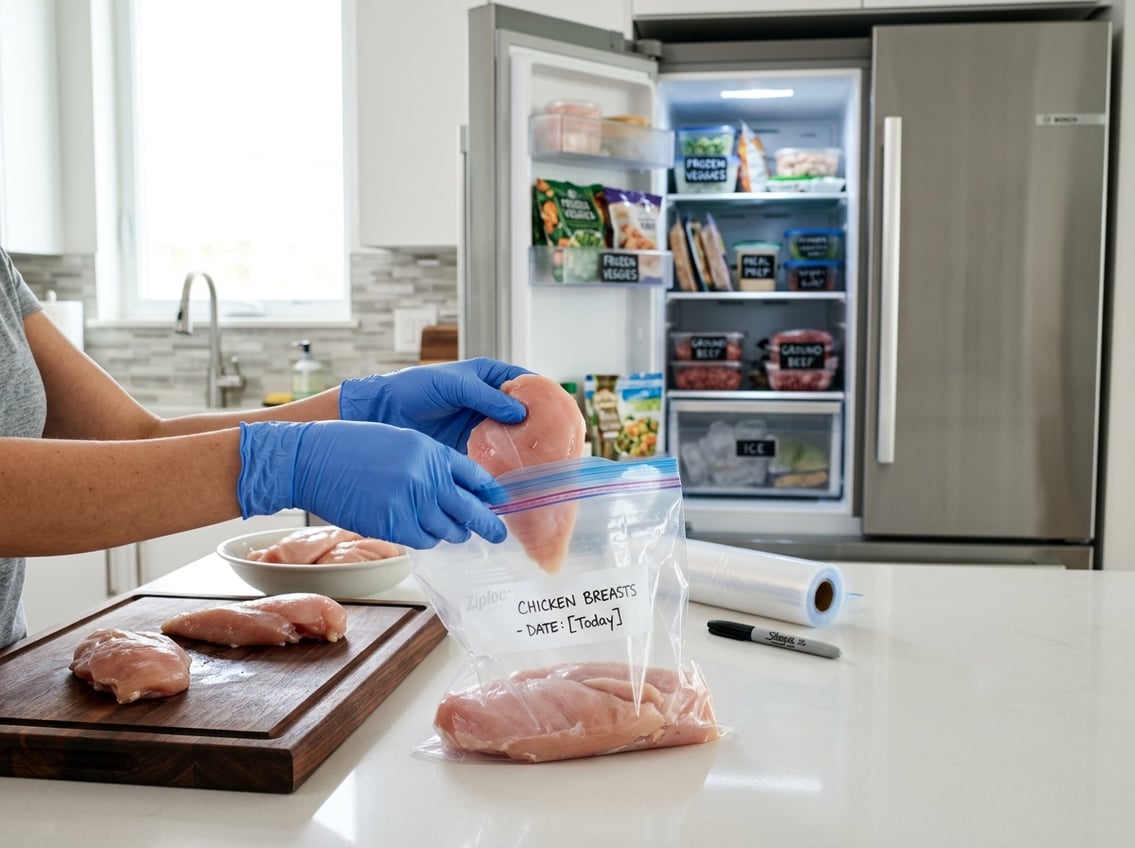
The main rule is simple. If you thawed chicken in the refrigerator, you can usually refreeze it if it still smells and looks normal and has not sat out too long.
If you thawed chicken with cold water or in the microwave, you usually need to cook it before freezing it again.
When Refreezing Is Safe and When It Is Not
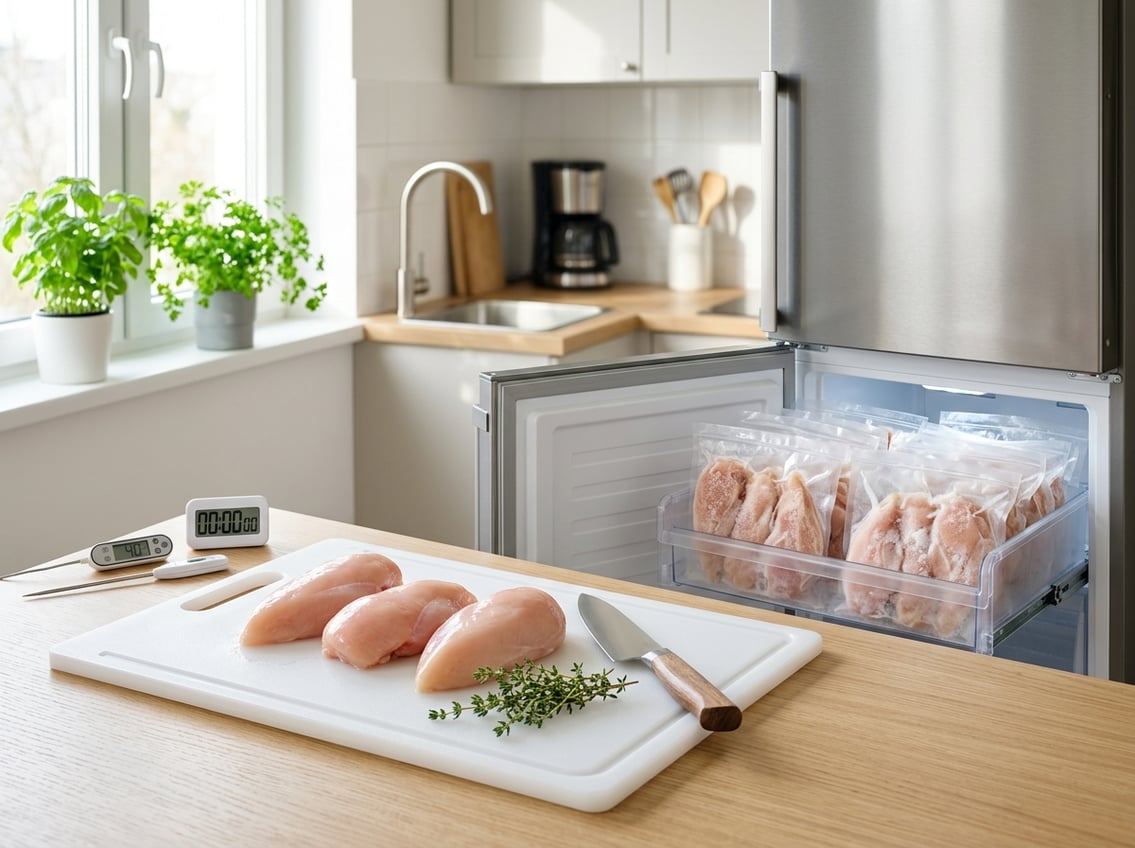
How you handled the chicken during thawing determines if it is safe to refreeze. The USDA says you can refreeze chicken thawed in the refrigerator if it stayed at 40°F or below and still looks and smells fresh.
If you used faster thawing methods, the rules change. Cold water thawing and microwave thawing move chicken into a warmer range faster, so you should cook the chicken right away instead of refreezing it raw.
Chicken Thawed in the Refrigerator
If you thawed your chicken breast in the refrigerator, you are usually in the safest situation. You can refreeze chicken breast as long as it stayed cold the whole time and did not sit out on the counter.
Keep it refrigerated and refreeze it within 1 to 2 days. If the package leaked, warmed up, or started to smell off, do not refreeze it.
Chicken Thawed With Cold Water
Cold water thawing can be safe if you change the water often and keep the chicken cold. Once chicken has been thawed this way, it is best to cook it right away rather than refreeze it raw.
Chicken can move through the danger zone more quickly with this method, which raises the risk of bacteria growth.
Chicken Thawed in the Microwave
Microwave thawing is the least suitable method for refreezing raw chicken breast. Some parts may start to warm or cook during thawing, which makes the texture uneven and raises food safety concerns.
If you thaw chicken in the microwave, cook it immediately. After cooking, you can freeze cooked chicken breast again if you cool it properly first.
How Long Thawed Chicken Can Stay Before Refreezing
The answer depends on temperature and handling, not just the clock. Chicken thawed in the refrigerator should not sit out at room temperature for more than 2 hours, or more than 1 hour if the room is very warm.
If the chicken has been in the fridge for a day or two and still looks fresh, refreezing is usually fine. If you are unsure whether it stayed cold enough, it is safer to cook it or discard it.
How to Refreeze Chicken Breast Properly
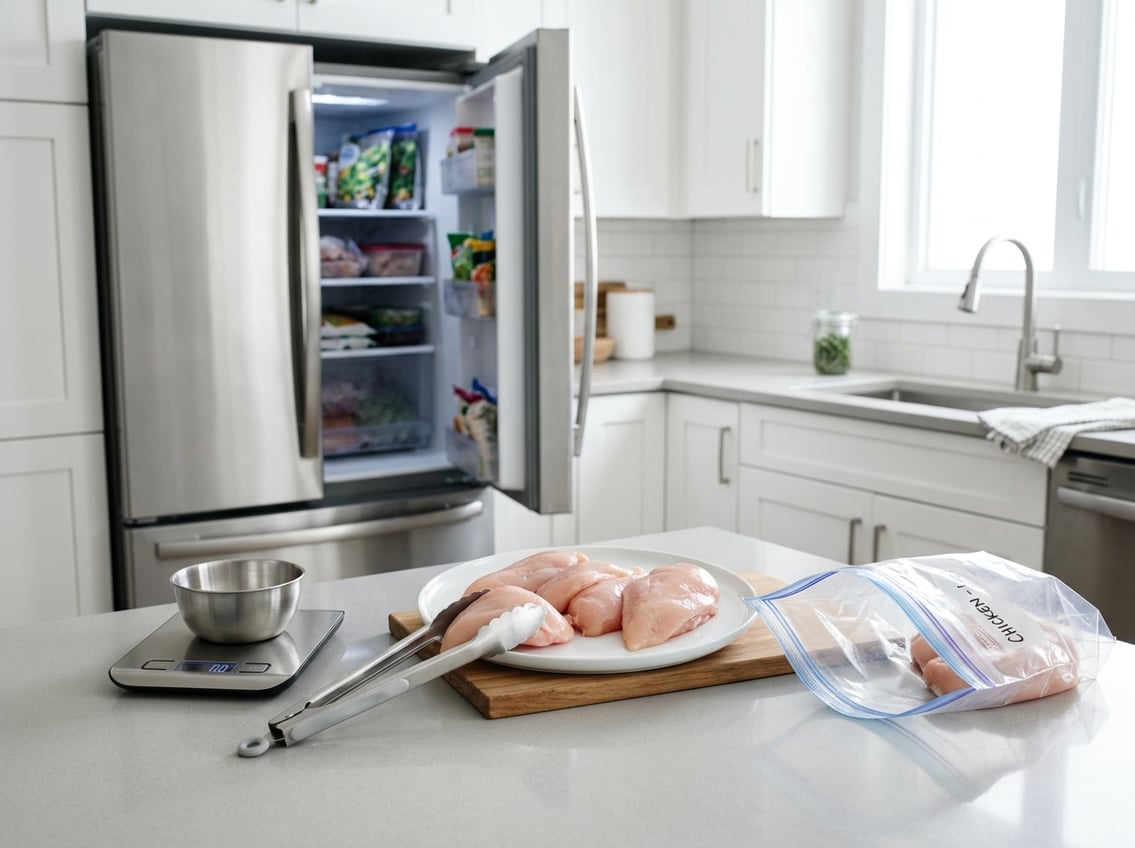
Handle chicken properly to protect both safety and quality. Refreeze chicken breast quickly, keep air off the surface, and separate raw and cooked portions.
Check for Spoilage Before Freezing Again
Check the color, smell, and texture before you freeze chicken again. Fresh chicken should smell mild, feel firm, and look pink, not gray, green, or slimy.
If you notice a sour odor, sticky texture, or unusual discoloration, do not refreeze raw chicken. Freezing does not make spoiled chicken safe.
Package It to Prevent Freezer Burn
Wrap the chicken tightly to prevent freezer burn and moisture loss. Use freezer bags, vacuum sealing, or a layer of plastic wrap followed by foil.
Press out as much air as possible before sealing. Air exposure dries out chicken and makes it tough.
Label Raw and Cooked Portions Clearly
Label each package with the date and whether it is raw or cooked. This helps you avoid mixing up raw chicken with cooked leftovers.
Clear labels also help you use older chicken first. That makes your freezer easier to manage and lowers waste.
Best Freezer Temperature and Placement
Set your freezer to 0°F or lower. That temperature helps freeze chicken breast safely and keeps it stable for storage.
Place the package in the coldest part of the freezer, not in the door. The door area gets warmer each time you open it, which can affect quality.
What Refreezing Does to Quality and Texture
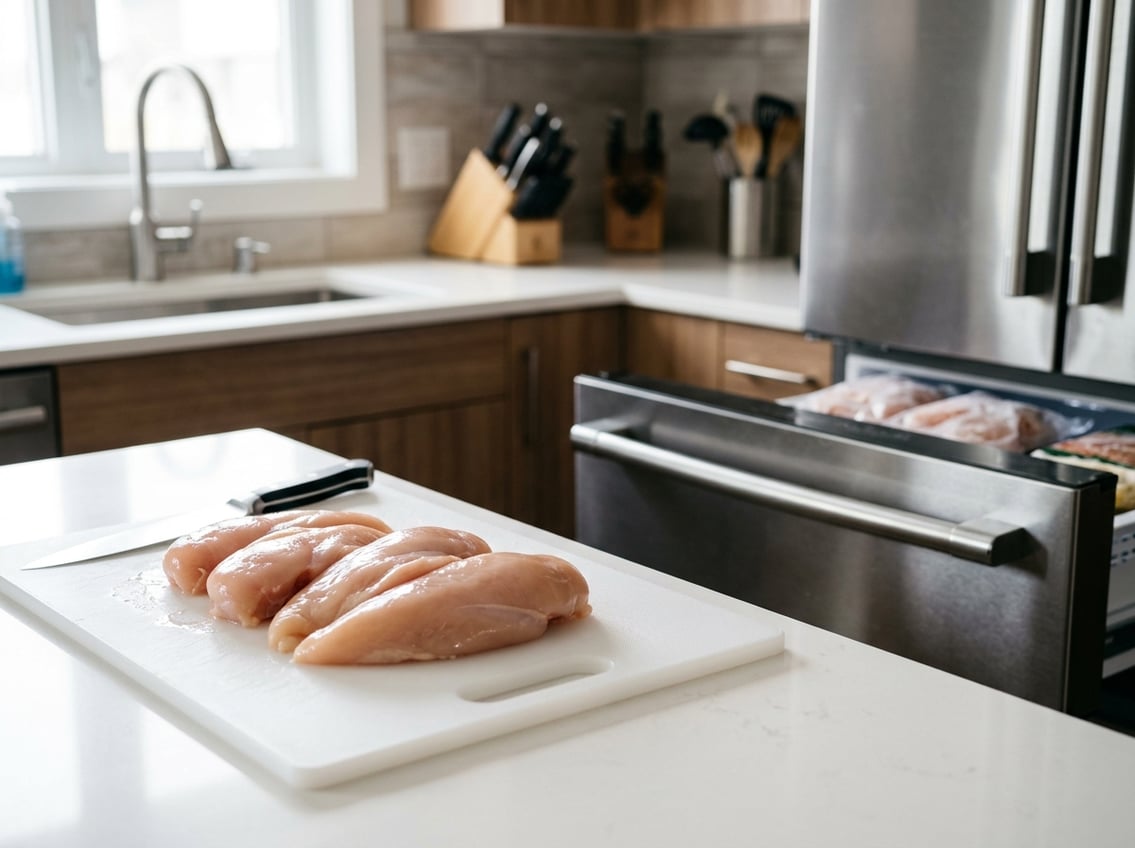
Refreezing chicken breast usually affects texture more than safety. Lean meat like chicken breast loses moisture easily, so repeated freezing can make it less juicy.
Your cooking method matters more after refreezing.
Why Moisture Loss Happens
When chicken freezes, ice crystals form inside the meat. Those crystals break cell walls, and some liquid leaks out when the meat thaws.
If you refreeze chicken, that process happens again. The result is drier meat and more liquid in the package.
How Repeat Freeze-Thaw Cycles Affect Chicken Breast
Each freeze-thaw cycle can make chicken breast a little tougher or more stringy. The change is usually small after one refreeze, but it becomes easier to notice with repeated cycles.
Freezing chicken breast once, then using it soon after thawing, gives better results than freezing and thawing it many times.
When Refrozen Chicken Is Still Worth Using
Refrozen chicken can still work well for soups, shredded chicken, casseroles, or stir-fries. These dishes hide small texture changes better than simple pan-seared chicken breast.
If you handled and sealed the chicken properly, you can still use it even if the texture is not perfect.
Mistakes That Make Chicken Unsafe or Less Usable
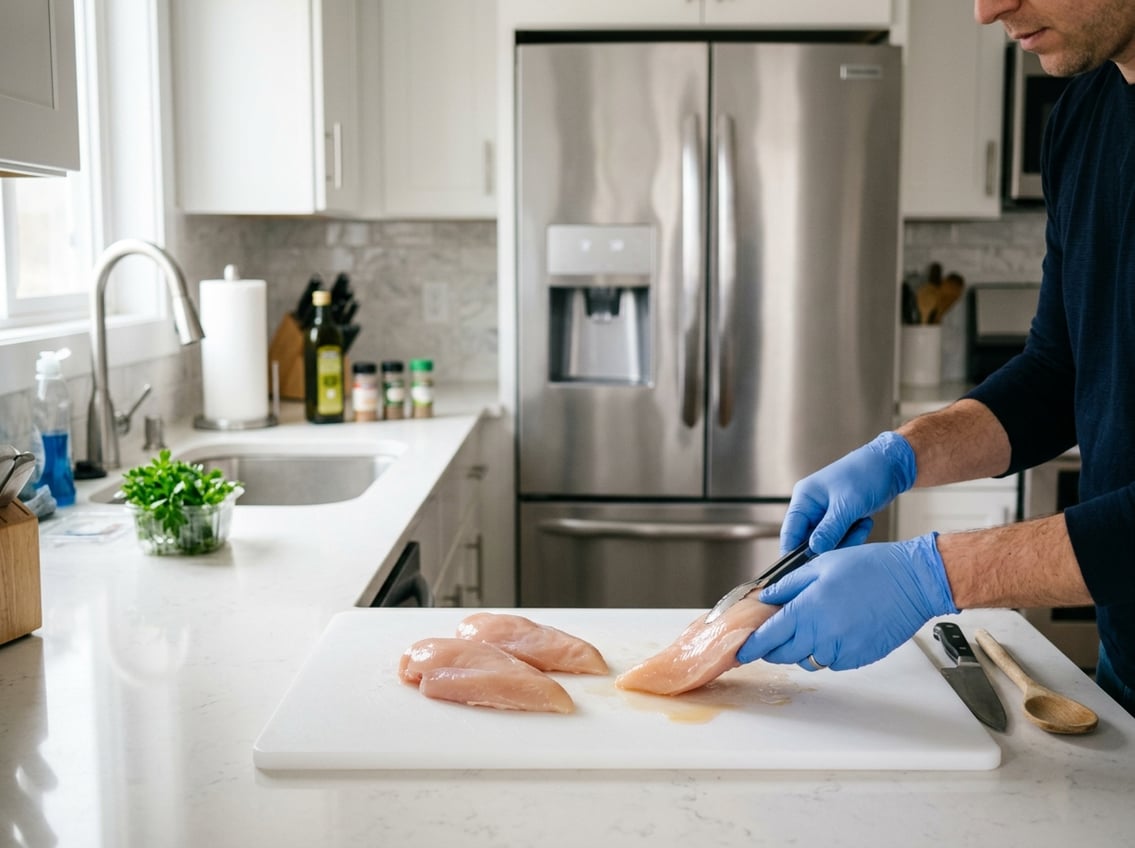
Some common refreezing mistakes create real safety problems, while others just hurt taste and texture. The biggest risks come from warm temperatures, poor wrapping, and ignoring signs that the chicken is no longer fresh.
Refreezing After Counter Thawing
If you thawed chicken on the counter, do not refreeze it. Counter thawing lets the surface warm into the danger zone where bacteria can grow quickly.
Even if the center still feels cold, the outside may have been unsafe for too long. At that point, cook or discard it.
Refreezing Partially Cooked Chicken
Do not treat partially cooked chicken like raw chicken. If it was started and then cooled, the food safety risk changes and the result can be unevenly heated meat.
If you cooked chicken before freezing, cool it properly and freeze cooked chicken breast only after it has cooled quickly in the refrigerator.
Leaving Chicken Unwrapped or Poorly Sealed
Loose wrapping lets air reach the meat, which causes freezer burn. That makes the surface dry, gray, and less pleasant to eat.
Good sealing also helps prevent odor transfer from other foods in the freezer. If you want to refreeze chicken breast with better results, airtight packaging matters.
Ignoring Dates, Smell, and Texture Changes
Dates help you stay organized, but your senses matter too.
If chicken smells sour, feels sticky, or looks discolored, it may be unsafe even if the date seems fine.
Do not rely on freezing to fix chicken that was already questionable.
Careful inspection helps you avoid common refreezing mistakes.


