
Is Chicken Breast High Cholesterol? What to Know
If you ask is chicken breast high cholesterol, the short answer is no compared with many other animal proteins. Chicken breast contains cholesterol, but it is usually one of the leanest choices, especially when you remove the skin and keep the serving size moderate.
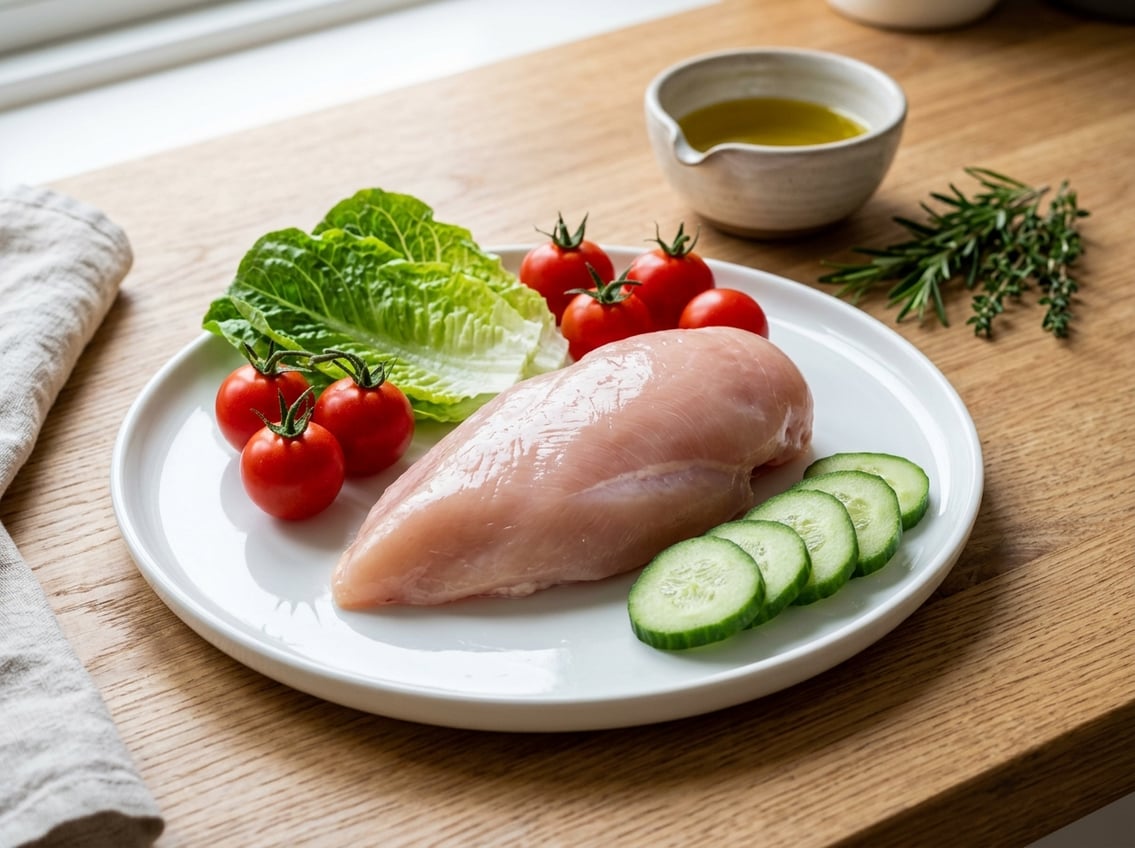
Most people can include skinless chicken breast in a heart-healthy pattern because its cholesterol content is moderate and its saturated fat is low. The bigger question is not whether chicken breast contains cholesterol, but how much you eat and how you cook it.
That distinction matters if you are watching your cholesterol levels or trying to build a heart-healthy diet. Chicken breast can be a practical lean protein source, but it is not the same as chicken prepared with skin, breading, or heavy frying.
How Much Cholesterol Chicken Breast Actually Has
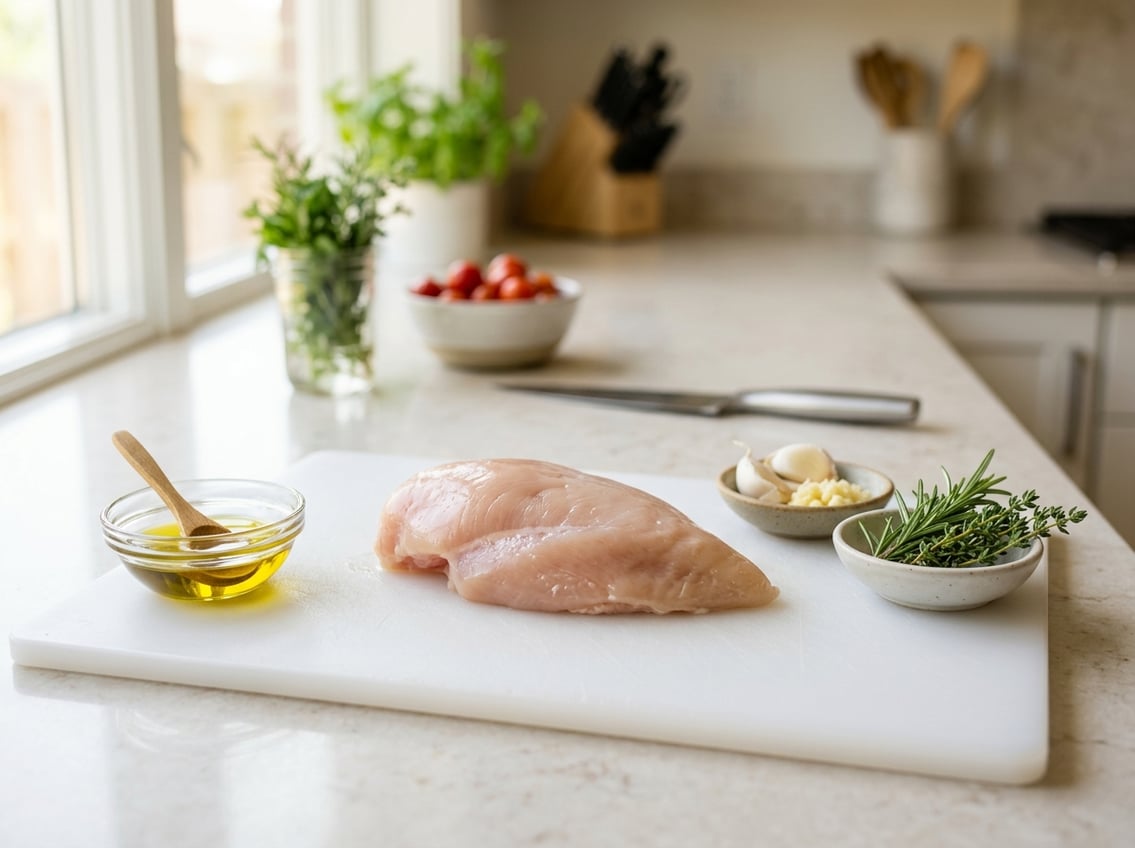
The cholesterol in chicken varies by cut, skin, and cooking method. Skinless chicken breast is usually the leanest option, while wings, thighs, and skin-on pieces add more fat and a different cholesterol content.
According to Medical News Today’s review of cholesterol in chicken, 100 grams of skinless chicken breast contains about 73 milligrams of cholesterol in raw form. A similar portion provides a solid source of protein without being especially high in fat.
Typical Cholesterol in Skinless Chicken Breast per Serving
A common serving of skinless chicken breast is about 3 to 3.5 ounces, or 85 to 100 grams. That amount usually contains roughly 70 to 85 milligrams of cholesterol, depending on the exact cut and preparation.
Chicken breast falls in a middle range for cholesterol content. It is not cholesterol free, but it is not among the highest animal foods.
How White Meat Compares With Thighs, Wings, and Red Meat
White meat chicken breast is usually lower in fat than thighs and wings, especially when you remove the skin. Wings contain more cholesterol per 100 grams than breast, and thighs can also run higher depending on the cut.
Compared with red meat, chicken breast is often the leaner choice. Red meat usually brings more saturated fat, which can matter more for cholesterol levels than dietary cholesterol alone.
Why Portion Size Changes the Real-World Impact
A small portion of chicken breast has a different effect than a large one. Two servings at one meal can double your cholesterol intake, even if the chicken itself is a lean protein.
Portion size matters because chicken is often paired with higher-fat sides, sauces, or frying oil. If you want a healthier meal, the breast matters, but the full plate matters more.
What Matters More Than the Number on Its Own

A food’s cholesterol number does not tell the whole story. Your LDL cholesterol, HDL cholesterol, saturated fat intake, and overall eating pattern all affect cardiovascular health.
A small amount of dietary cholesterol from chicken breast is only one piece of the picture. For many people with high cholesterol, the wider diet matters more than one food alone.
LDL Cholesterol, HDL Cholesterol, and Cardiovascular Health
LDL cholesterol is often called the “bad” cholesterol because high levels can contribute to plaque buildup in your arteries. HDL cholesterol helps carry cholesterol away from the bloodstream, which is one reason it is often called the “good” cholesterol.
Your cholesterol levels depend on more than one meal. Genes, body weight, activity level, smoking, and age can all play a role, and Medical News Today notes that high cholesterol can also run in families.
Why Saturated Fat and Trans Fats Often Matter More
Cholesterol and saturated fat are often discussed together for a reason. Foods high in saturated fat and trans fats raise LDL cholesterol more strongly than dietary cholesterol from lean foods.
A heart-healthy diet usually focuses on limiting fried foods, processed snacks, fatty cuts of meat, and baked goods with trans fats. A plain chicken breast is very different from a breaded, fried version covered in rich sauce.
When High Cholesterol Calls for Extra Caution
If you already have high cholesterol, you may need to pay closer attention to your full diet. This is especially true if you have familial hypercholesterolemia, which is an inherited form of high cholesterol.
Your clinician may want you to track cholesterol, saturated fat, and overall nutrition more closely. Chicken breast can still fit, though the rest of the meal should stay aligned with your treatment plan.
Cooking Choices That Make Chicken Breast Better or Worse
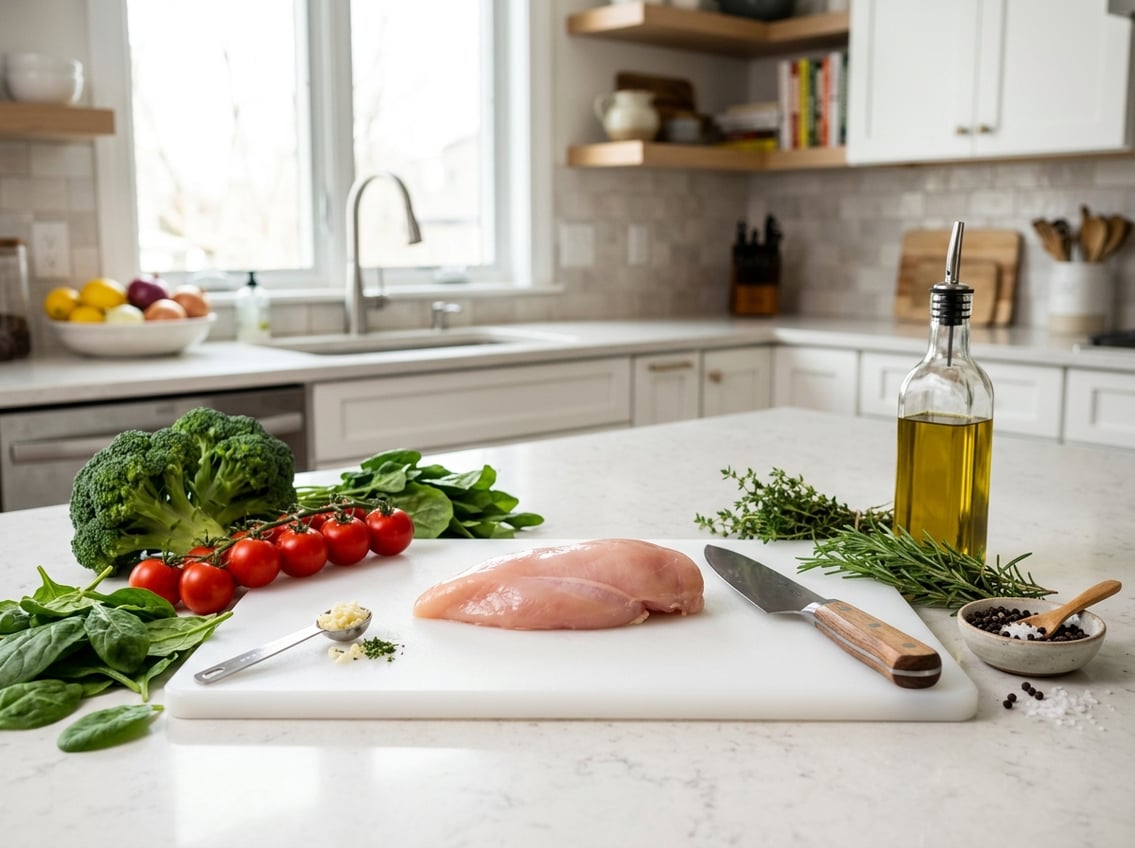
Cooking methods can keep chicken breast light or make it much less heart-friendly. Baking, grilling, poaching, and steaming usually preserve the lean profile, while frying adds extra fat and calories.
Processed chicken products change the picture as well. Sodium, added breading, and hidden fats often show up on nutrition labels, so the package matters as much as the cut.
Baking, Grilling, Poaching, and Steaming
These cooking methods are usually the best fit if you want lean protein sources. They add little or no extra fat, especially when you avoid heavy sauces.
A simple seasoning blend, herbs, lemon, garlic, or a small amount of olive oil can keep the meal flavorful without making it a high-fat dish. Skinless chicken breast is easiest to keep heart-friendly when cooked this way.
Why Frying Can Undercut the Benefits
Frying chicken adds a lot of oil, and breading can raise the calorie count quickly. Fried chicken breast can lose much of the advantage you wanted from a lean cut.
Even if the meat itself starts out lean, frying chicken changes the final meal. The oil used, the coating, and the serving size all affect the final nutrition.
How Olive Oil, Skin, and Processed Chicken Affect the Meal
A small amount of olive oil can be a smart choice in a balanced meal, especially compared with deep frying. Skinless chicken breast is still the best pick if you are focused on lowering fat intake.
Processed chicken products deserve closer review. Chicken nuggets, deli chicken, and seasoned frozen items can carry extra sodium and other processed foods ingredients, so nutrition labels matter.
How to Fit It Into a Cholesterol-Friendly Diet

Chicken breast works best when you build the rest of the plate with foods that support healthy cholesterol levels. Vegetables, whole grains, and fiber-rich foods help round out the meal and support lowering cholesterol.
The goal is to make chicken breast one lean protein choice within a balanced heart-healthy diet.
Best Pairings With Vegetables, Whole Grains, and Fiber-Rich Foods
Pair chicken breast with roasted vegetables, leafy greens, brown rice, oats, quinoa, or beans. These foods add fiber, which supports healthy cholesterol levels and helps the meal feel more filling.
Eating this way also shifts the focus away from high-fat sides. A chicken breast with vegetables and whole grains is a very different meal from chicken with fries and creamy sauce.
Simple Meal Patterns for Lowering Cholesterol
A practical plate often looks like this: half vegetables, one quarter lean protein, and one quarter whole grains. That pattern keeps the meal balanced without loading up on saturated fat.
You can also use chicken breast in soups, grain bowls, salads, and stir-fries made with minimal oil. These meal styles make it easier to keep cholesterol levels in a healthier range.
Key Nutrients Chicken Breast Still Brings to the Plate
Chicken breast provides protein, niacin, selenium, and vitamin B6.
These nutrients help the body use energy, support the immune system, and maintain normal processes.
Many people choose chicken breast as a lean protein.
When you prepare it well and keep portions sensible, it can fit into a heart-healthy diet without adding much saturated fat.


