
How Is Chicken Breast Cooked? Best Methods and Tips
You cook chicken breast best when you control heat, thickness, and timing. To keep it safe and moist, cook it to 165°F in the thickest part, then let it rest before slicing.
The most reliable method uses even thickness, moderate heat, and a thermometer. This combination gives you a juicy chicken breast instead of dry meat.
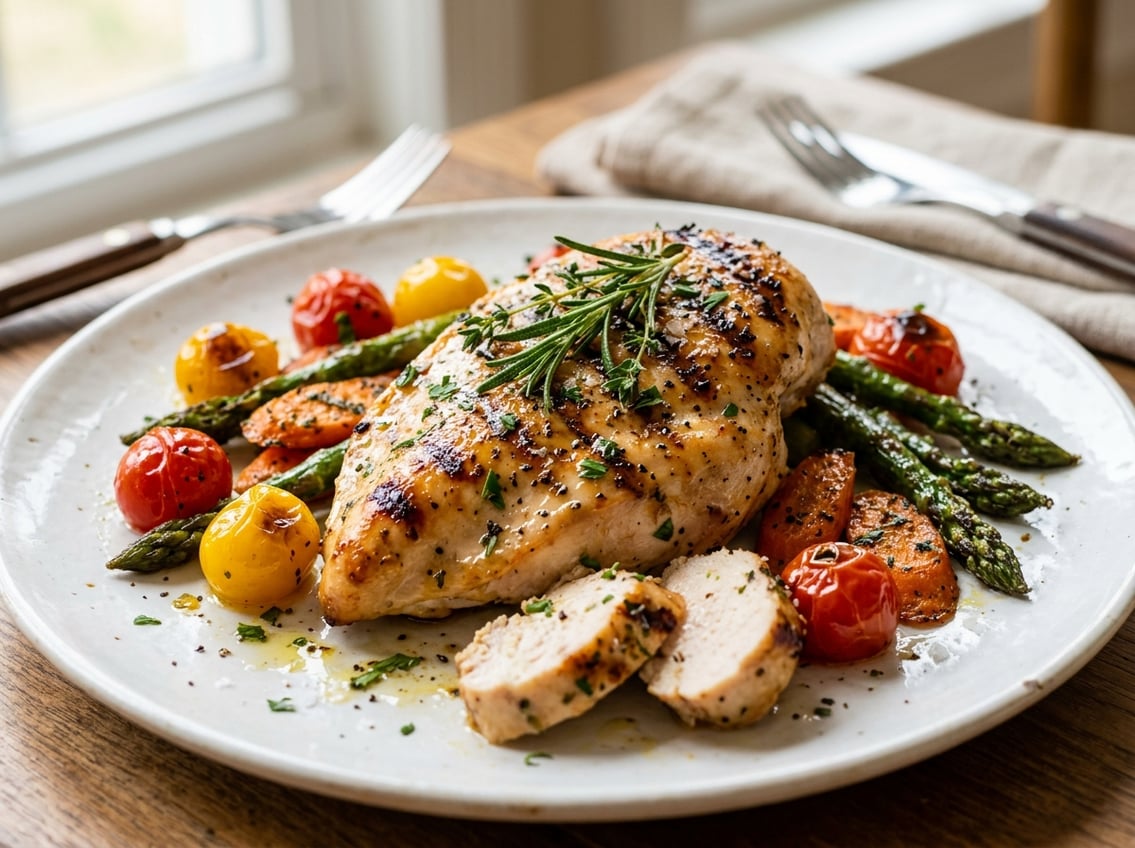
Chicken breast works well for a quick dinner, meal prep, or a simple recipe. You can bake it, pan-sear it, or grill it, and each method gives you a different result.
The right choice depends on the cut, the time you have, and the finish you want.
What Affects Texture and Juiciness First
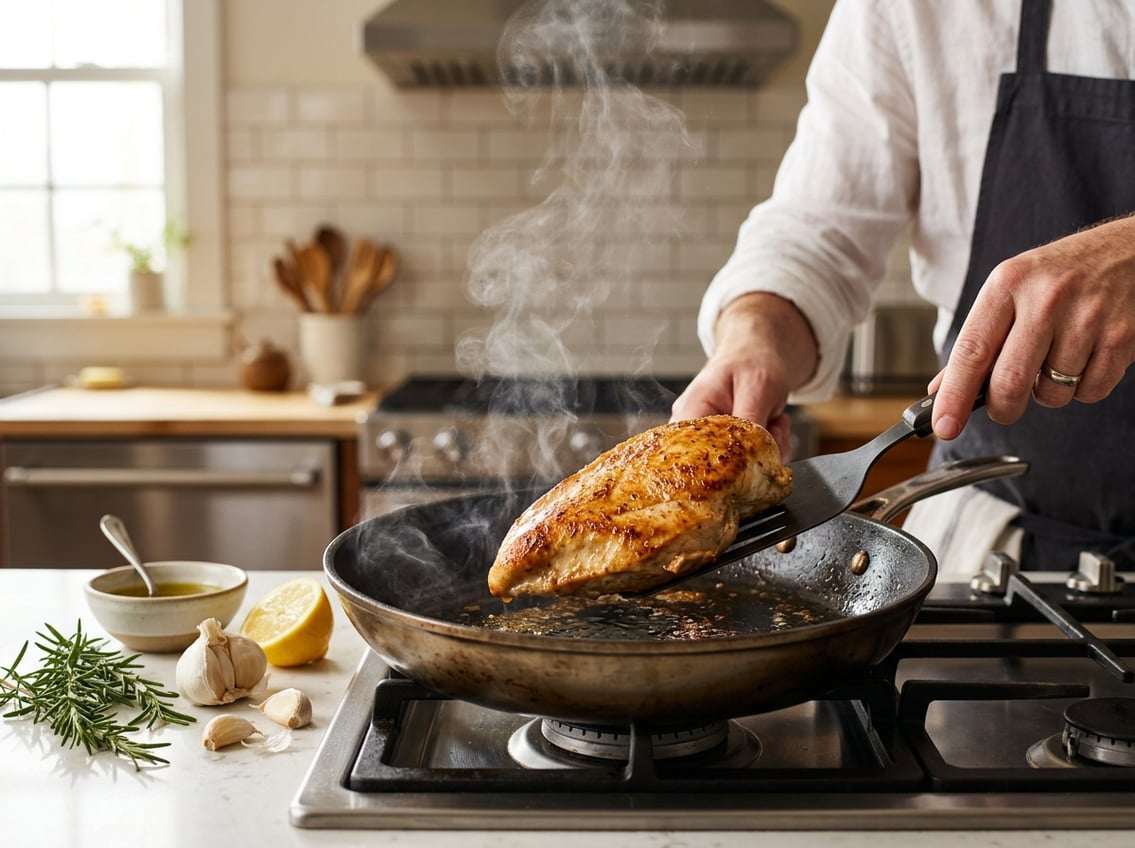
Chicken breasts are lean, so they dry out faster than darker cuts if you overcook them. Texture starts with the cut you buy, the way you prep it, and whether you add moisture with a brine or marinade.
Boneless Vs. Bone-In and Skinless Vs. Skin-On
Boneless chicken breast cooks faster than bone-in chicken breast, which makes it useful for weeknights. Bone-in chicken breast often stays juicier because the bone and skin help protect the meat, as noted by Real Simple.
Skinless chicken breast is leaner and easier to season directly. Skin-on chicken breast can give you more flavor and a better browned exterior, especially when you roast or sear it.
Why Even Thickness Matters
Uneven chicken breasts cook unevenly. The thin end can dry out before the thick end is done.
Pound boneless chicken breasts to an even thickness so they cook at the same rate. This matters whether you bake, pan-sear, or grill.
When to Brine or Marinate
A brine adds salt and moisture before cooking, which can help you make a juicy chicken breast. A marinade adds flavor, and it helps if it includes some acid and oil.
You do not need to marinate every chicken breast recipe. Use a brine for moisture and a marinade for stronger flavor from herbs, citrus, garlic, or spices.
Best Ways to Cook Chicken Breast
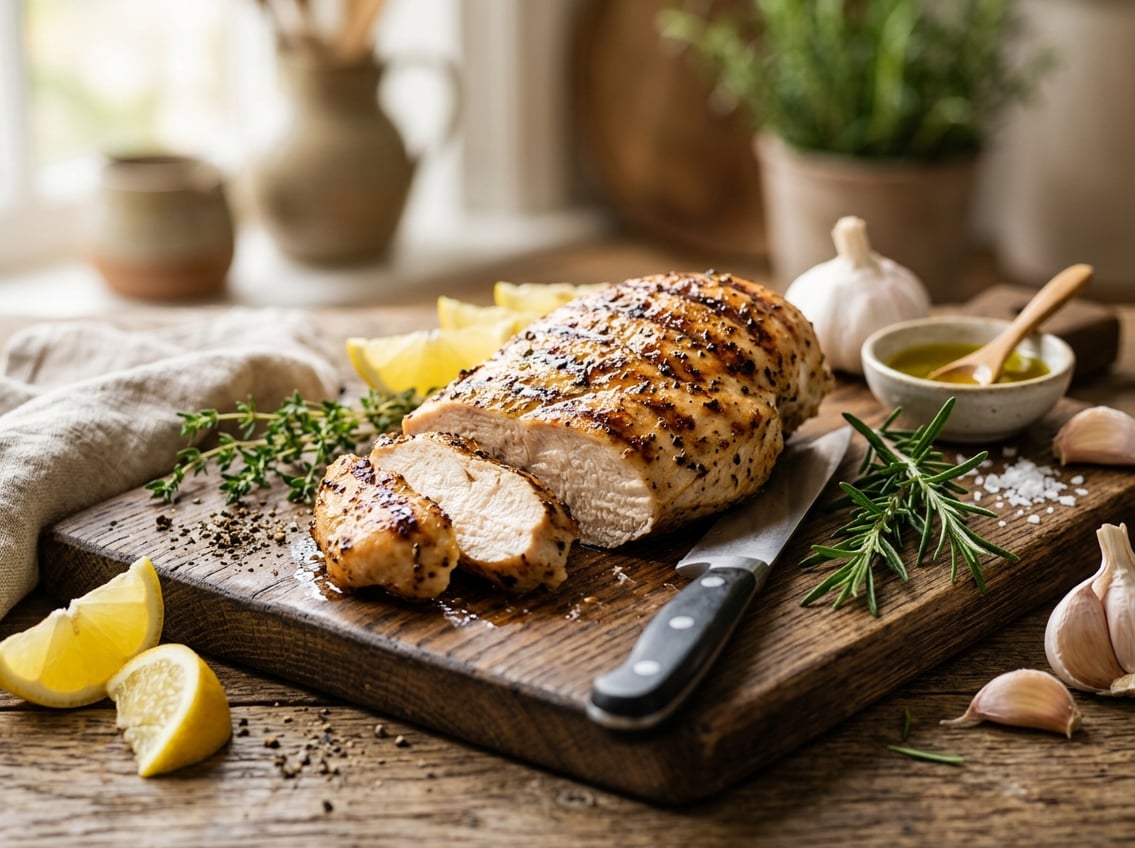
You can cook chicken breasts in several good ways, and each one fits a different meal. Baking gives you steady heat, pan-searing gives you browning, and grilling adds smoke and char.
Baking for Hands-Off Cooking
Baked chicken breast is one of the easiest choices when you want less active time. Heat the oven, season the chicken, and bake until it reaches a safe temperature.
A hot oven cooks the meat fast enough to limit moisture loss. A baked chicken breast recipe often uses olive oil, salt, pepper, and simple spices.
According to Real Simple, roasting at 425°F is a practical hands-off method.
Pan-Searing for Fast Browning
Pan-searing works well when you want a seared chicken breast with a browned crust. Use medium-high heat, add a little oil, and let the first side cook without moving it too much.
Pan-searing gives you strong flavor in a short time. It also works well before finishing the chicken in the oven if the breast is thick.
Grilling for Smoky Flavor
Start with even thickness when you grill chicken breast so it cooks through before the outside burns. Oil the grates, season the meat, and flip only once or twice.
Grilled chicken breast picks up direct heat and light smoke, which works well with dry rubs, citrus, or a simple marinade. It is a strong choice for summer meals and quick cookouts.
Timing, Temperature, and Resting
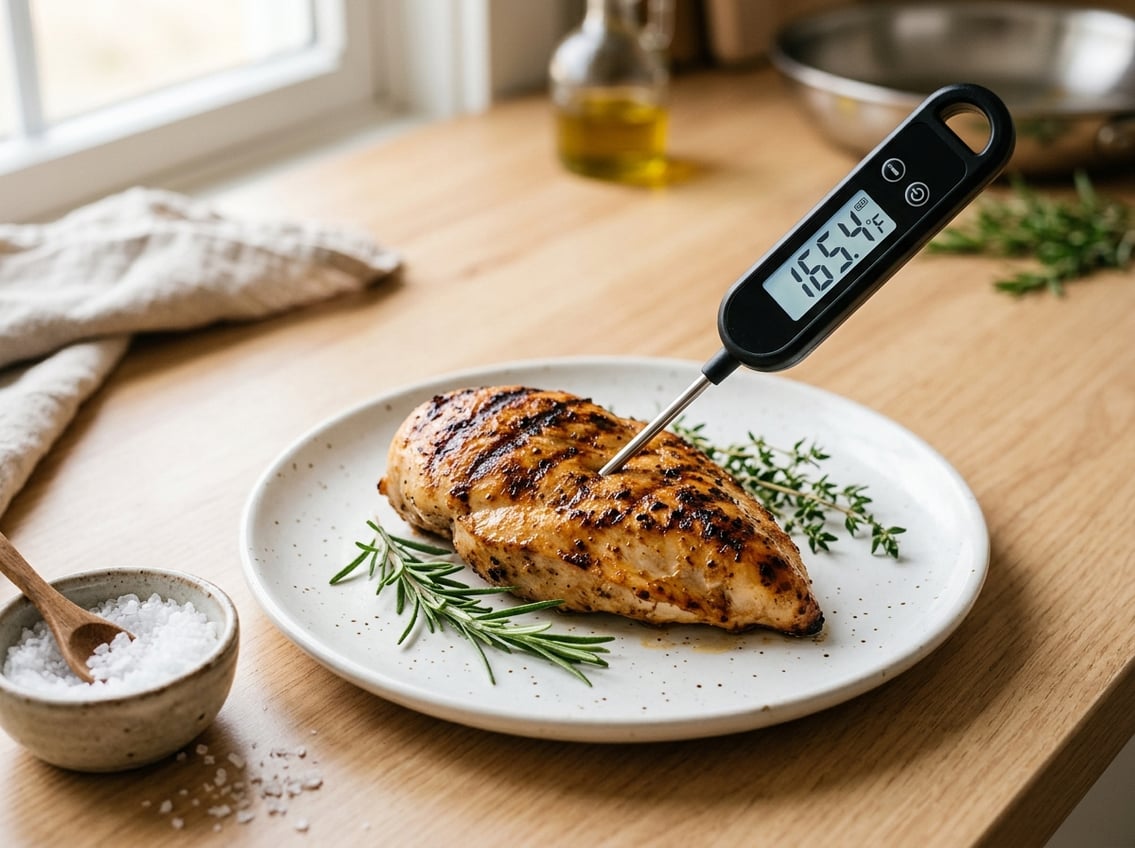
If you want to cook chicken breast without drying it out, temperature matters more than guesswork. You need the right internal temperature, enough time for the heat to finish the job, and a short rest after cooking.
Safe Internal Temperature and Carryover Cooking
Cook chicken breast to 165°F in the thickest part for safety. Use a thermometer to check.
You can pull the chicken a little earlier, around 160°F, because carryover cooking raises the temperature as it rests, as noted by Real Simple.
How Long Each Method Usually Takes
Baking often takes about 20 to 25 minutes at 425°F, depending on thickness. Pan-searing usually takes less time on the stove, while grilling takes only a few minutes per side for thinner pieces.
Bone-in chicken breasts need more time than boneless chicken breasts. Thicker pieces always need more attention than thin, even pieces.
Common Mistakes That Dry It Out
Overcooking is the most common problem. Cutting into the chicken too soon also lets juices run out onto the board.
High heat for too long can toughen the outside before the center is done. Skipping the rest period can leave you with drier meat, even if the chicken reached the right temperature.
Serving Ideas and Leftover Storage
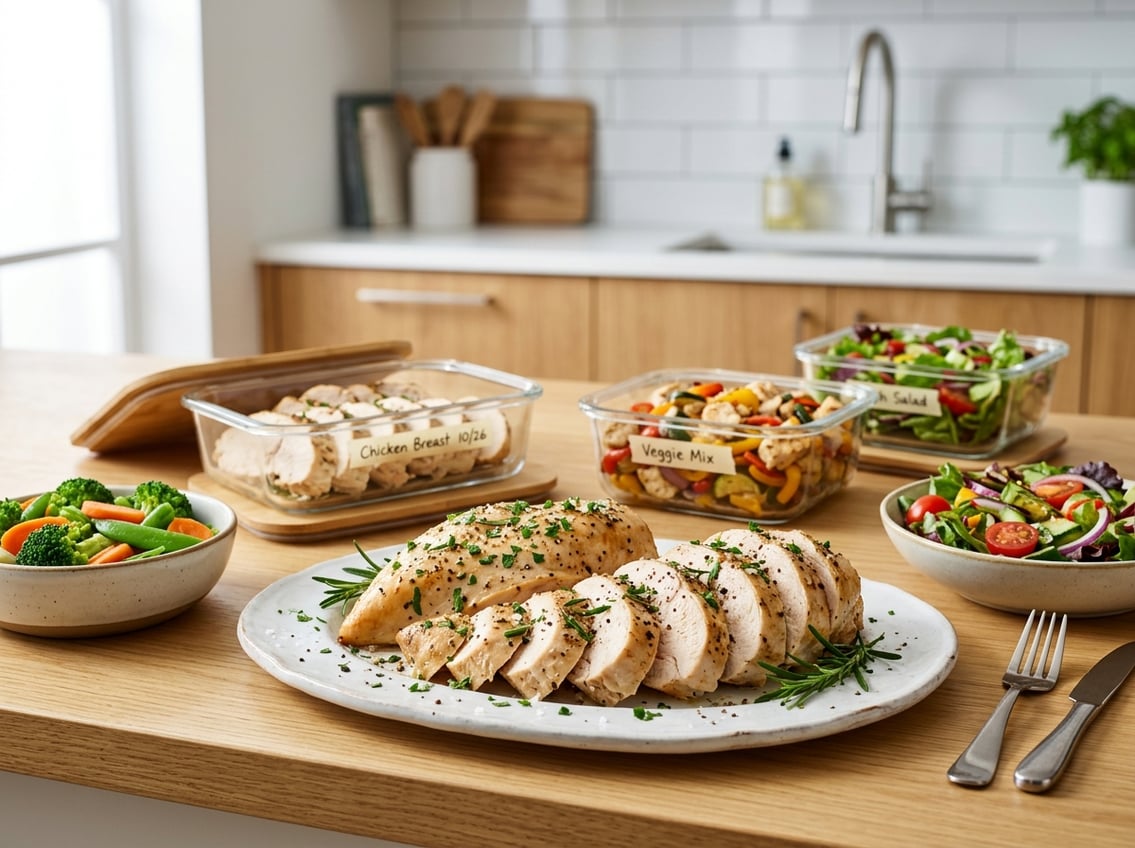
A cooked chicken breast can fit into many meals, from salads to pasta to sandwiches. It also stores well, which makes it useful for meal prep and next-day lunches.
Simple Seasonings and Easy Recipe Uses
Keep seasonings simple when you want a flexible chicken breast recipe. Salt, pepper, garlic powder, paprika, lemon, and olive oil cover many meals.
A baked chicken breast recipe works well with rice, roasted vegetables, grain bowls, wraps, or chopped salads. You can also slice it for tacos or add it to soup.
For extra flavor, a Whole Foods Market chicken breast recipe shows how overnight marinade options can fit into a last-minute dinner plan.
How to Store and Reheat Cooked Chicken
Place leftover cooked chicken in a shallow airtight container after it cools. Refrigerate it within two hours for safety and quality.
Reheat chicken using low heat to keep the meat moist. Add a splash of broth or water, cover it, and warm it gently until hot.
Use leftover sliced chicken breast in soups, casseroles, or salads to prevent waste.


