
What Does Chicken Breast Taste Like? Flavor and Texture
Chicken breast tastes mild, gently savory, and lightly sweet, with a clean poultry flavor that pairs easily with almost anything.
When you cook it well, chicken breast feels tender and juicy. Its low fat content means it can turn dry fast.
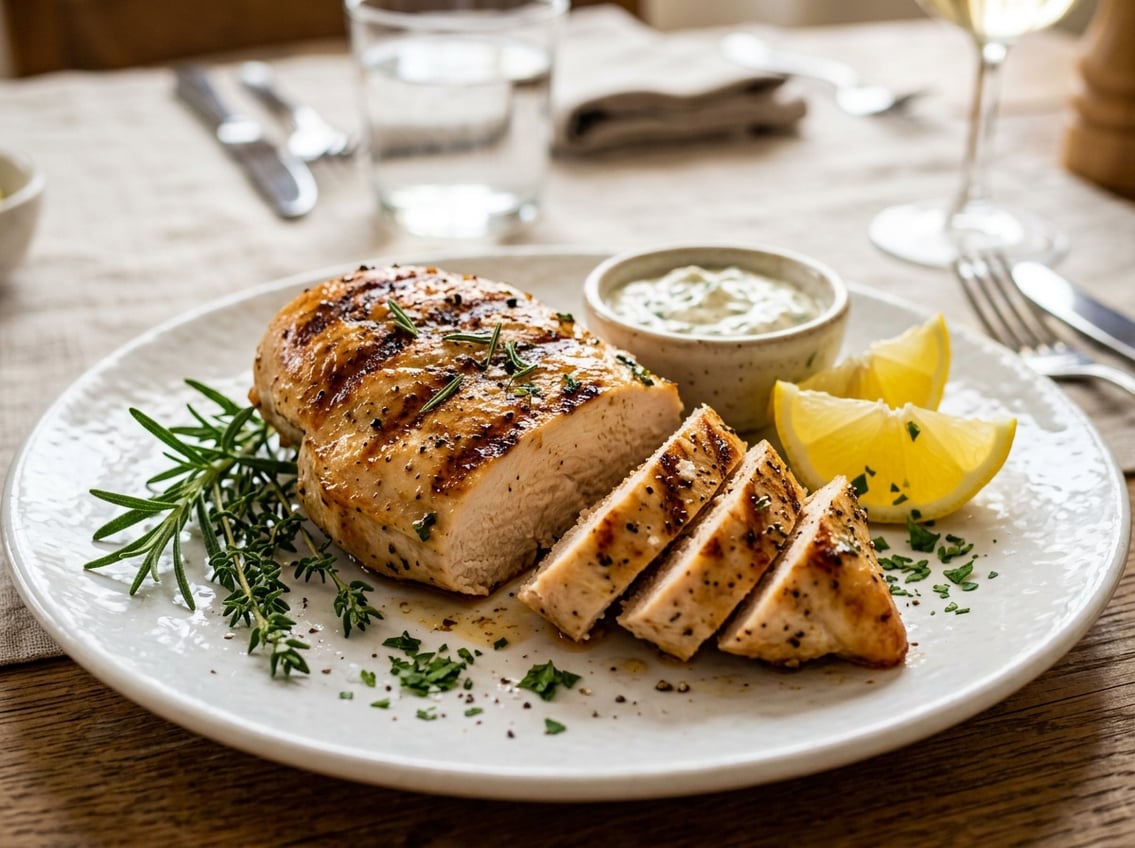
Chicken breast tastes like a mild lean protein with a soft savory flavor. The cooking method shapes the final result.
Because the flavor is so neutral, chicken breast picks up seasoning, marinades, smoke, browning, and sauces very well.
Its appeal is easy to see in everyday cooking. Many people in the U.S. choose chicken breast because it is versatile, lean, and simple to use in quick meals and high-protein diets.
Core Flavor Profile
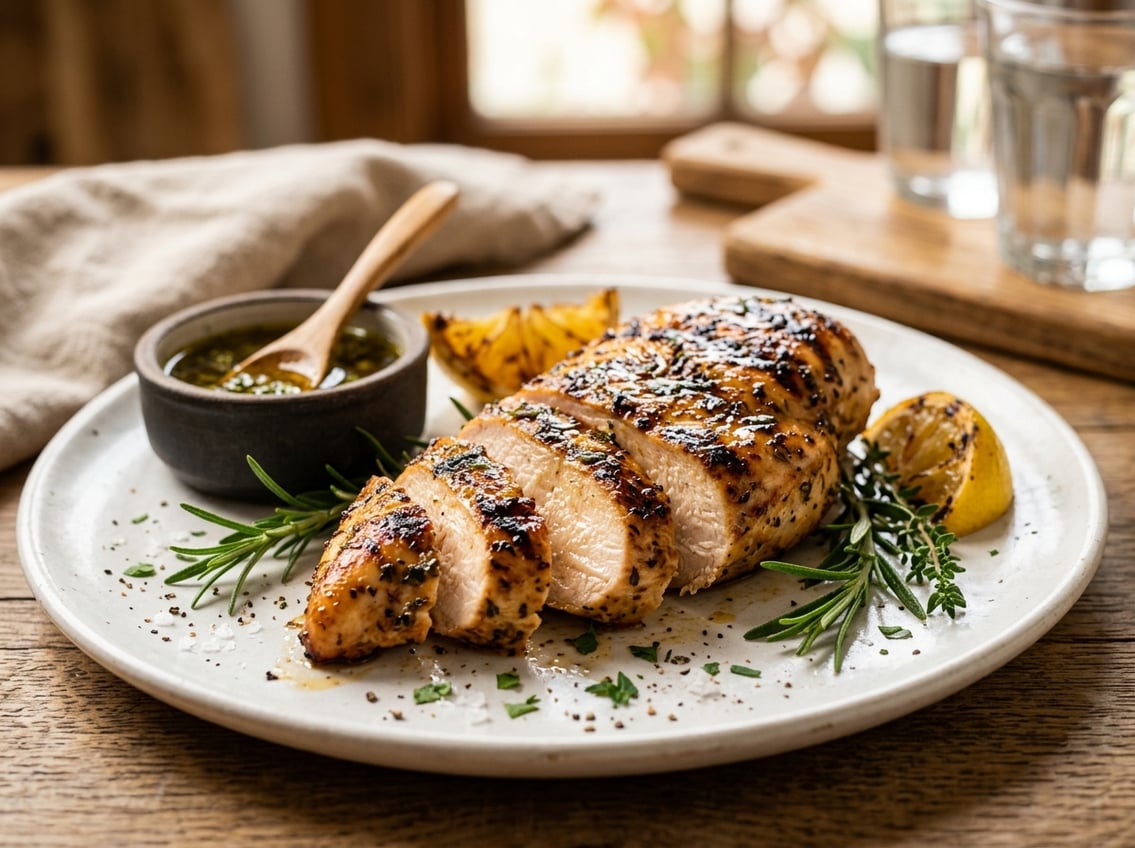
Chicken breast has a quiet flavor compared with many other meats. It is best described as mild, lightly savory, and a little sweet, with very little gamey taste.
That calm flavor makes chicken breast work well as a lean protein. It gives you a clean base that lets salt, herbs, spices, and sauces stand out.
How Mild Savory Notes Show Up on the Palate
When you bite into chicken breast, you usually notice a soft savory taste, not a strong meatiness. The flavor lands gently, with a faint natural sweetness and a clean finish.
According to Chicken Breast: Flavor, Taste, Uses, Nutrition & Health Effects, chicken breast has a subtle, mild, slightly sweet profile that is gently savory without much gaminess.
Texture, Juiciness, and Aroma When Cooked Well
Texture changes your experience as much as taste does. Well-cooked chicken breast feels firm, tender, and moist, with enough juiciness to keep each bite from tasting flat.
When roasted, grilled, or sautéed properly, chicken breast gives off a warm poultry smell with light browned notes. That aroma adds more appeal than the meat’s raw flavor alone.
How Chicken Breast Compares With Dark Meat
Chicken breast is leaner and milder than thighs or drumsticks. Dark meat usually tastes richer because it has more fat and connective tissue, which carry more flavor during cooking.
If you prefer a stronger chicken taste, breast may seem plain next to dark meat. If you want a cleaner flavor that works with many recipes, chicken breast gives you that flexibility.
What Changes the Flavor Most
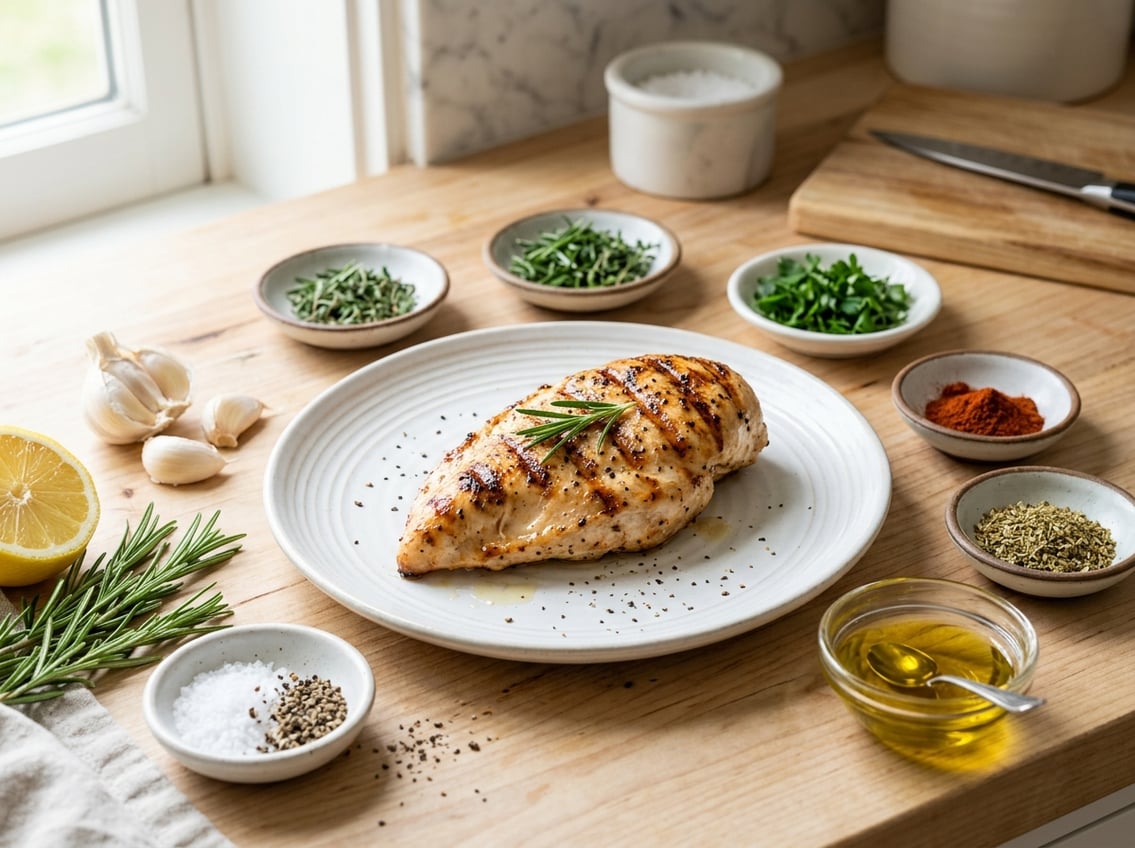
Cooking and seasoning change the taste of chicken breast more than the meat itself. Browning, salt, moisture, and the bird’s raising conditions all influence how much flavor you notice.
A plain breast can taste bland. A well-seasoned grilled chicken breast can taste rich and satisfying.
Cooking Method and Browning Effects
Heat creates flavor through browning. Grilling, roasting, and pan-searing build savory notes on the surface that poached or steamed chicken breast will not have.
Grilled chicken breast often tastes deeper because the outside picks up char, caramelization, and smoke. That outer layer adds more flavor and helps the meat taste less plain.
Seasoning, Brining, and Marinades
Salt quickly improves chicken breast taste. Brining or seasoning ahead of time helps the meat hold moisture and carry flavor more evenly.
Marinades add extra taste, especially when they include acid, fat, and aromatics like garlic, citrus, yogurt, or herbs. Brining and flavoring ingredients can improve both moisture and taste.
Bird Diet, Breed, and Processing Quality
The chicken itself also matters. Diet, breed, growth rate, and processing quality can all affect flavor and texture, even if the changes are subtle.
Chickens raised on more varied diets may develop a richer taste. Better handling during processing can improve the final eating quality.
Poor processing or heavy water retention can leave meat with a watery or diluted flavor.
How to Recognize Better or Worse Eating Quality
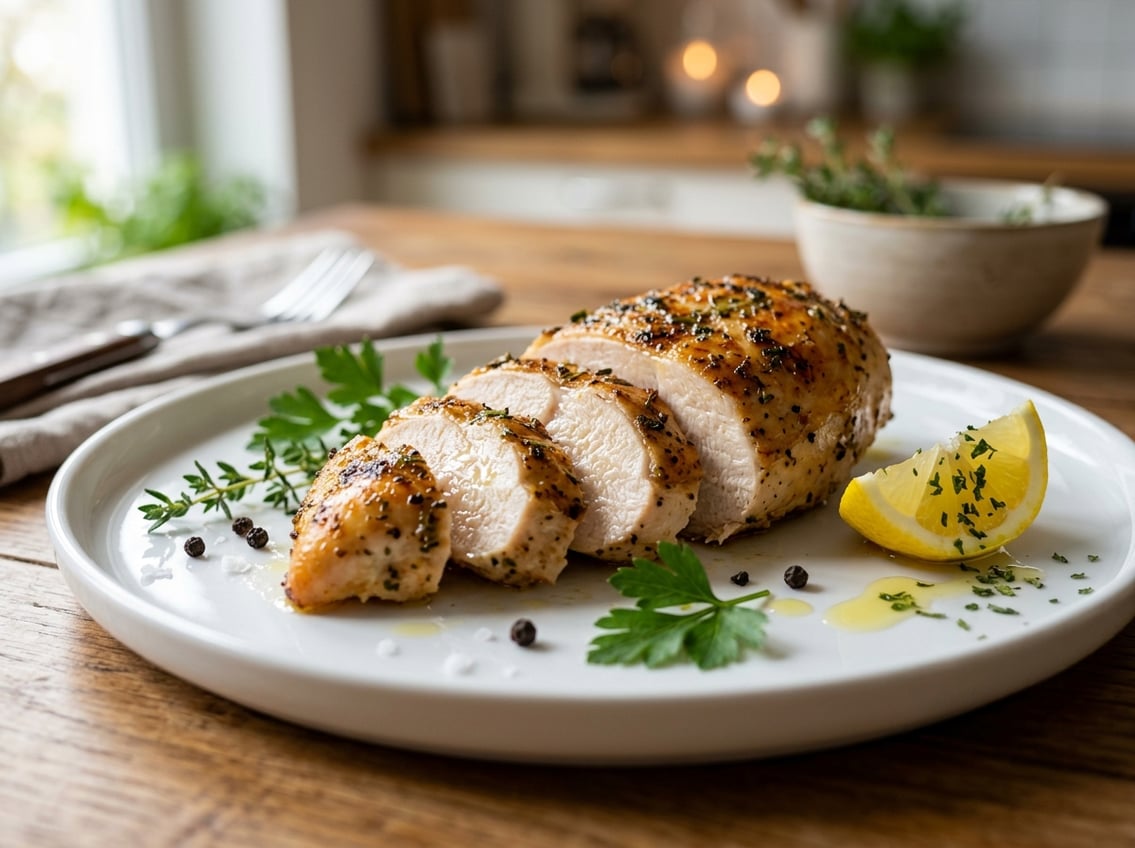
You can tell a lot about chicken breast by smell, appearance, and bite. Fresh meat should taste clean and mild, while poor cooking or poor quality often shows up as dryness, rubberiness, or a flat flavor.
Small changes in look and texture usually point to bigger changes in eating quality. Trust your senses before and after cooking.
Signs of Fresh, Clean-Tasting Meat
Fresh chicken breast should look pale pink, feel firm, and have little odor. After cooking, it should taste clean and mild, with a moist bite and no sour or stale notes.
A good piece of chicken breast should not feel slippery or smell strong before cooking. According to Chicken Breast: Flavor, Taste, Uses, Nutrition & Health Effects, fresh chicken should be firm, moist, and free of off-odor or discoloration.
Why Some Pieces Taste Bland, Dry, or Rubbery
Chicken breast often tastes bland because it is very lean. With little fat to carry flavor, it can seem flat unless you season it well or cook it with enough moisture.
Weak cooking technique or poor storage often causes dry or rubbery meat. Freezing, thawing, and long refrigeration can also make the texture less appealing, which changes how the chicken tastes in practice.
How Overcooking Alters Flavor and Mouthfeel
Overcooking quickly ruins chicken breast. As moisture escapes, the meat turns stringy and dry.
The taste becomes less sweet and less savory because less juice remains to carry flavor across your mouth. Pull chicken breast from heat as soon as it is safely cooked through.


