
What Does the Chicken Breast Look Like? Visual Guide
What does the chicken breast look like when you see it raw, frozen, or fully cooked? The answer depends on the cut, how you store it, and how you prepare it.
The most common raw version is pale pink, smooth, and plump. If you know the normal shape, color, and texture, you can spot a typical chicken breast quickly and reduce food safety mistakes.
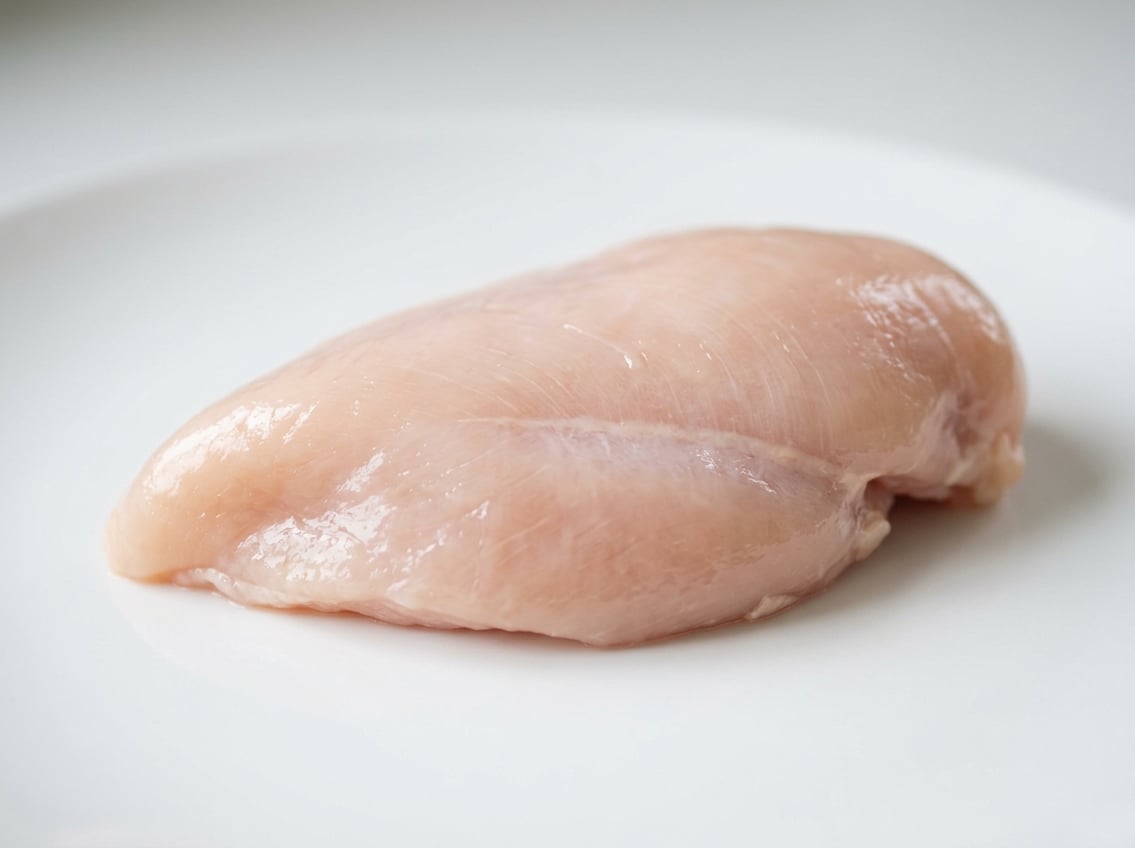
The chicken breast is the front chest muscle of the bird. This cut is one of the most familiar in the grocery store.
Chef’s Resource explains that it is the upper part of the chicken’s chest and is often called white meat because of its light color. You can identify it by shape, but you should also pay attention to freshness and safe handling.
Appearance alone does not prove that chicken is safe. Food safety rules still matter every time you buy, store, or cook it.
How to Identify Chicken Breast at a Glance
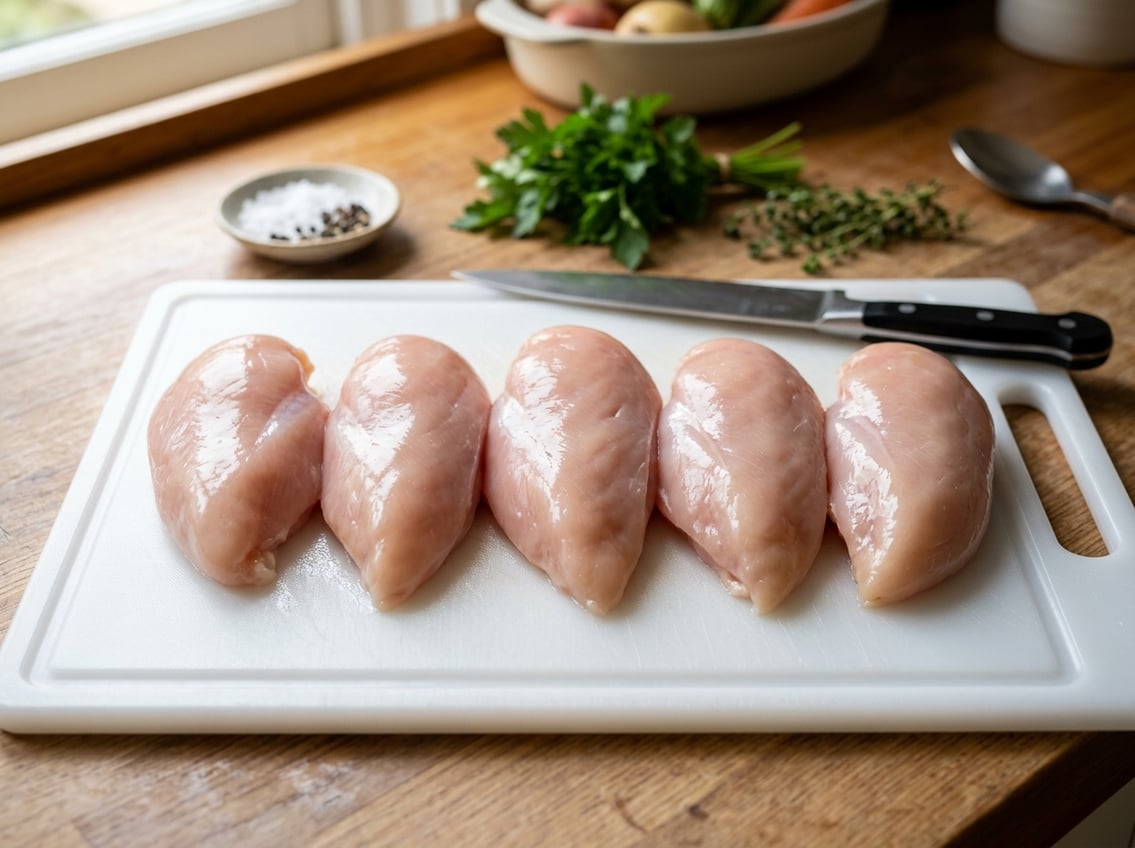
You can usually spot a chicken breast by its broad, meaty look and light color. The cut is common in stores, and fresh chicken breast often looks smooth, firm, and slightly glossy.
Typical Shape, Size, and Thickness
A chicken breast is usually oval or teardrop shaped. It is wider and thicker at one end, then tapers toward the other end.
Boneless pieces are often larger and flatter than bone-in cuts. They may come as two separate halves from the same bird.
Some are small and narrow, while others are large enough to fill your palm or more.
Color and Surface Texture of Raw Meat
Raw chicken breast is usually pale pink to light peach. It should look moist, not dry or gray, with a smooth surface and no sticky film.
Small amounts of natural variation are normal. The color can shift slightly based on the bird, packaging, and lighting in the store.
How Boneless, Bone-In, Skinless, and Skin-On Pieces Differ
Boneless, skinless breast is the most common store version. It looks like a smooth slab of meat with no visible bone or skin.
Bone-in, skin-on breast is bulkier because it includes part of the rib cage and skin. If you buy a split breast, you may see the bone edge and a thicker, more uneven shape.
What Changes Its Appearance
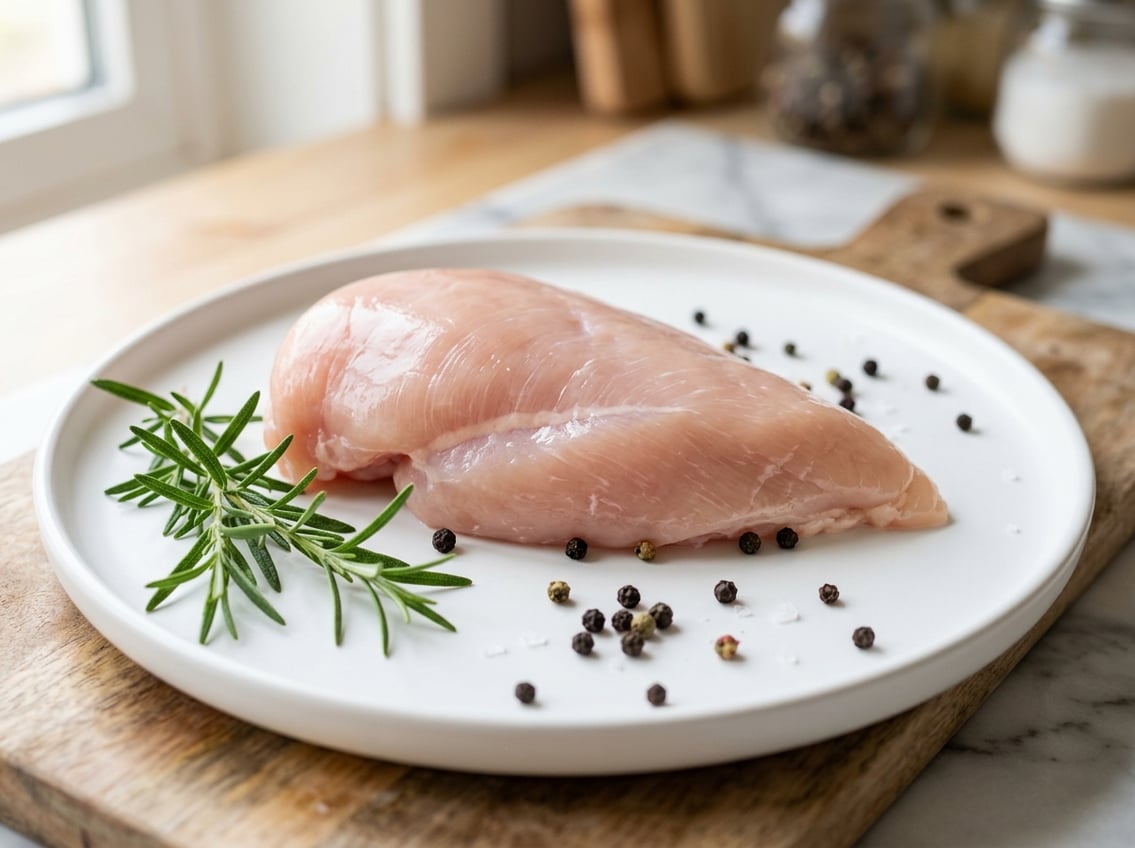
Cooking, freezing, storage time, and package size all change how chicken breast appears.
Raw vs Cooked Shrinkage and Color Changes
Raw chicken breast is soft-looking, moist, and pink. When you cook it, it turns opaque and much lighter, often white or light tan.
It also shrinks as moisture leaves the meat. A thick breast can look much smaller after cooking, especially if you bake or grill it at high heat.
Package Size, Weight, and Portion Visuals
Package labels can help you estimate what the meat should look like. A larger package often contains thicker or longer breasts, while smaller packages may hold thinner cuts.
If you need a rough size guide, one pound often looks like two medium breasts or one very large breast, according to Tatnuck Meat and Sea. That can help you compare what you see in the store with what you need for a recipe.
Frozen, Thawed, and Previously Stored Chicken
When you freeze chicken, the color can look paler and the surface may show frost or ice crystals. Frozen chicken may also look slightly flattened if you packed it tightly.
Thawed chicken should return to a look closer to fresh chicken, though it may release liquid and seem softer. If you store it too long, you may notice dull color, excess moisture, or an odd surface texture.
How to Tell If It Is Fresh or Unsafe
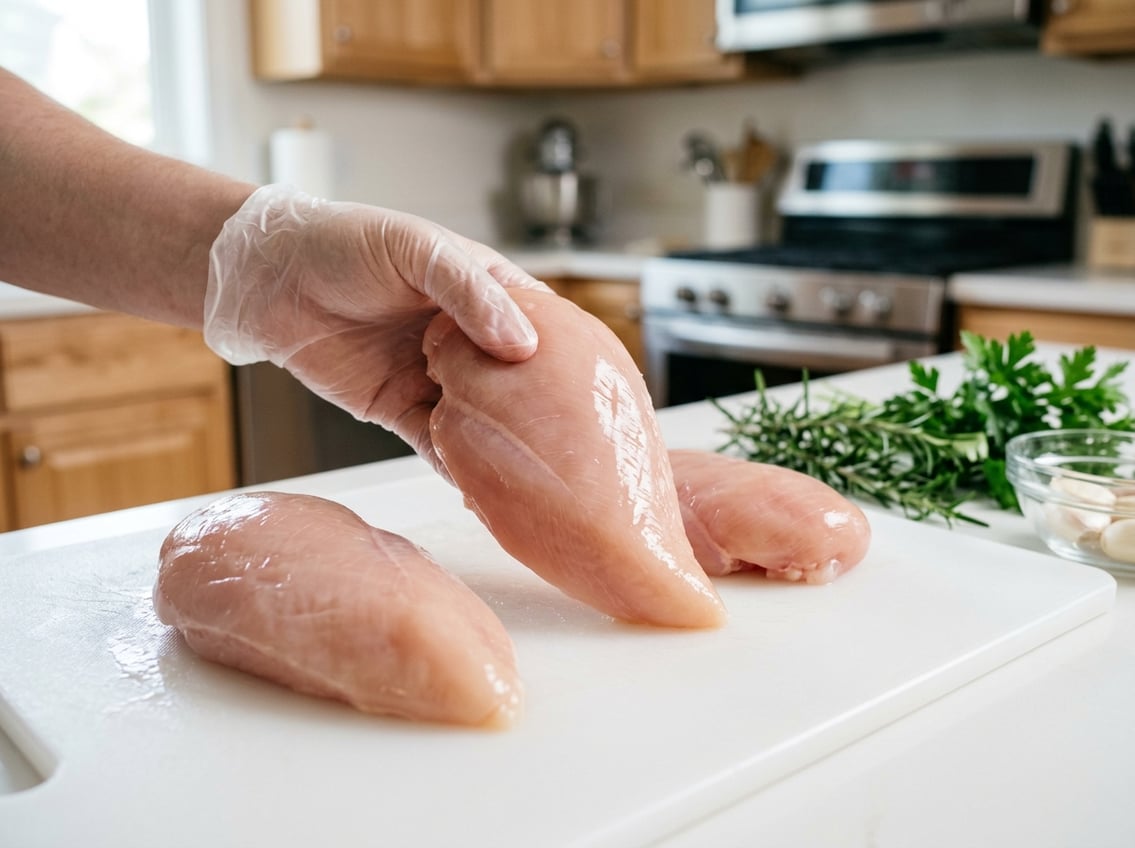
Fresh chicken should look clean, moist, and neutral in smell. Unsafe chicken often gives away problems through odor, texture, and color, so you need to check more than just appearance.
Signs of Freshness to Look for in the Store
Fresh chicken breast should look pink and firm, with no strong smell. The package should also be cold, intact, and free of excess liquid leaking around the meat.
If the meat looks plump and even in color, that is a good sign. Clear sell-by dates and proper refrigeration matter too.
Spoilage Clues Such as Odor, Slime, and Discoloration
A sour, rotten, or ammonia-like smell warns you of spoilage. A slimy feel, sticky surface, or dull grayish color can also mean the chicken is spoiled, as noted by Food Creeks.
Do not rely on rinsing to fix bad chicken. If the meat seems off, it is safer to throw it away.
Safe Handling to Prevent Kitchen Contamination
Keep raw chicken away from ready-to-eat foods. Use a separate cutting board, wash your hands well, and clean knives and counters after contact.
Juices can touch other foods or surfaces and cause cross-contamination. That risk matters as much as the chicken’s appearance.
What It Should Look Like When Properly Cooked
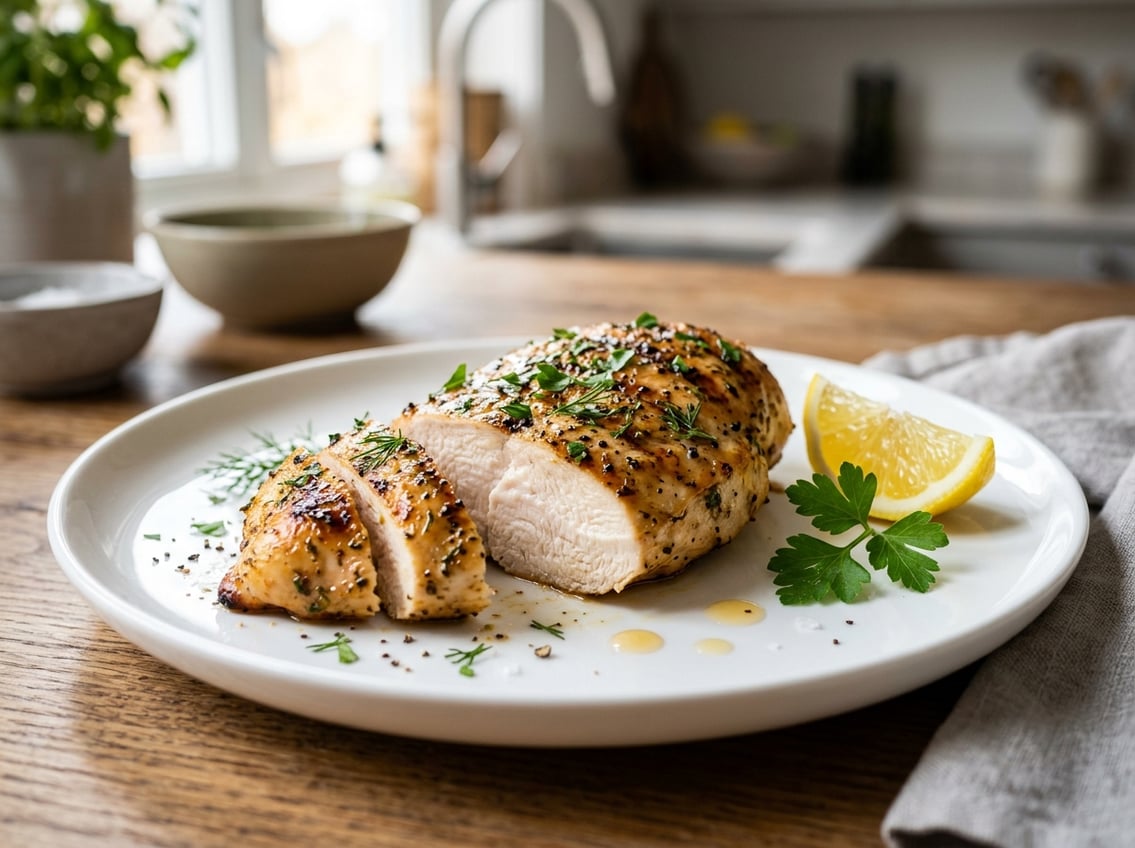
Properly cooked chicken breast should look opaque all the way through and feel firm, not soft or rubbery. Color can help, yet temperature is the safer way to confirm doneness.
Internal Temperature and Juices
Chicken breast is safe when it reaches 165°F, according to food safety guidance cited by ExplainThat. The juices should run clear, not pink, when you cut the meat.
Clear juices can be a useful clue, yet they do not replace temperature checking. Thick areas can stay undercooked even when the outside looks done.
Texture, Fibers, and Doneness Cues
Cooked chicken breast should pull apart into visible fibers when sliced. It should feel firm and spring back lightly when you press it.
If it looks dry, stringy, or very tough, it may be overcooked. If the center looks glossy, translucent, or gelatinous, it may still need more time.
Why a Meat Thermometer Matters Most
A meat thermometer gives you the most reliable answer.
Food safety depends on temperature, not just color or texture.
Insert the thermometer into the thickest part of the breast for the most accurate reading.
If it reads 165°F, you can serve it with more confidence.


