
Are in One Chicken Breast: Calories, Protein, and Serving Size
You may wonder how many calories and how much protein are in one chicken breast. The answer changes with size, bone, skin, and cooking method.
A cooked, skinless chicken breast often weighs around 3 to 6 ounces of edible meat. This can mean roughly 140 to 280 calories and 26 to 54 grams of protein, depending on size.
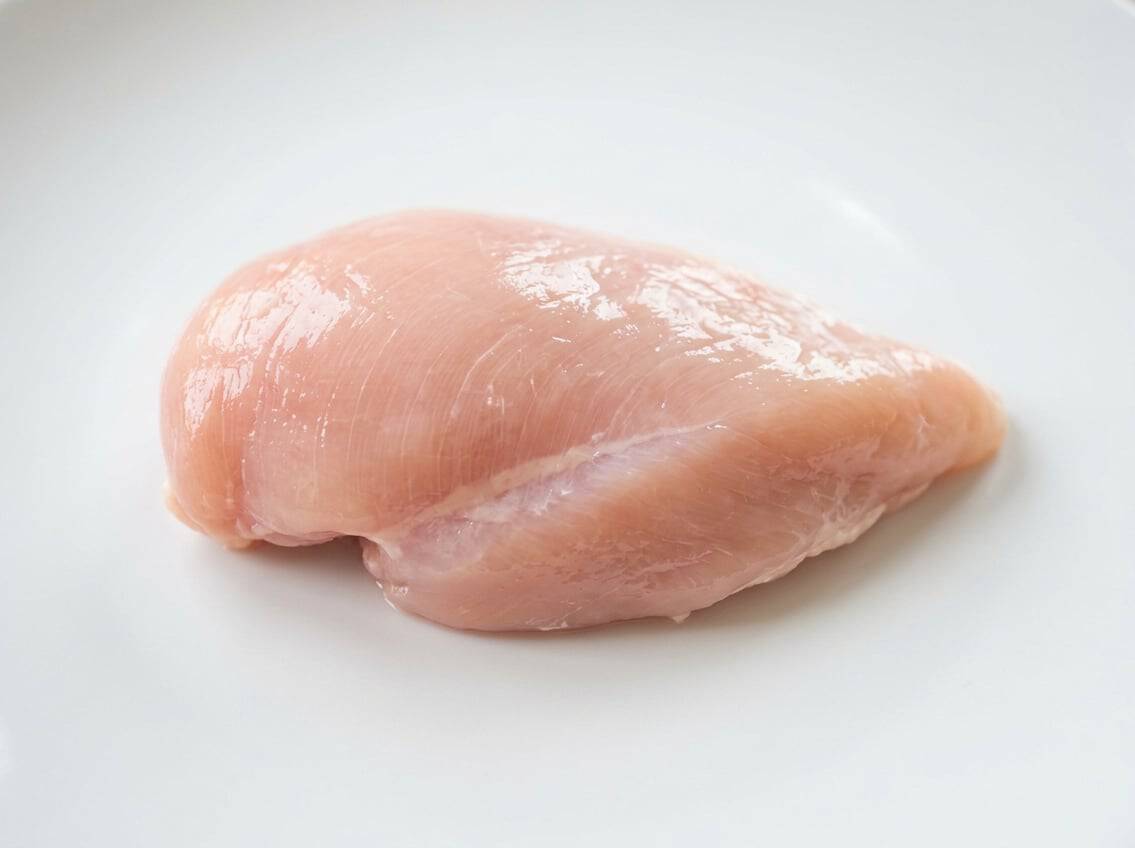
Chicken breast is a common protein choice in US kitchens. People use it in weeknight meals, meal prep, and many recipes because it is lean, easy to season, and flexible.
What One Chicken Breast Typically Contains
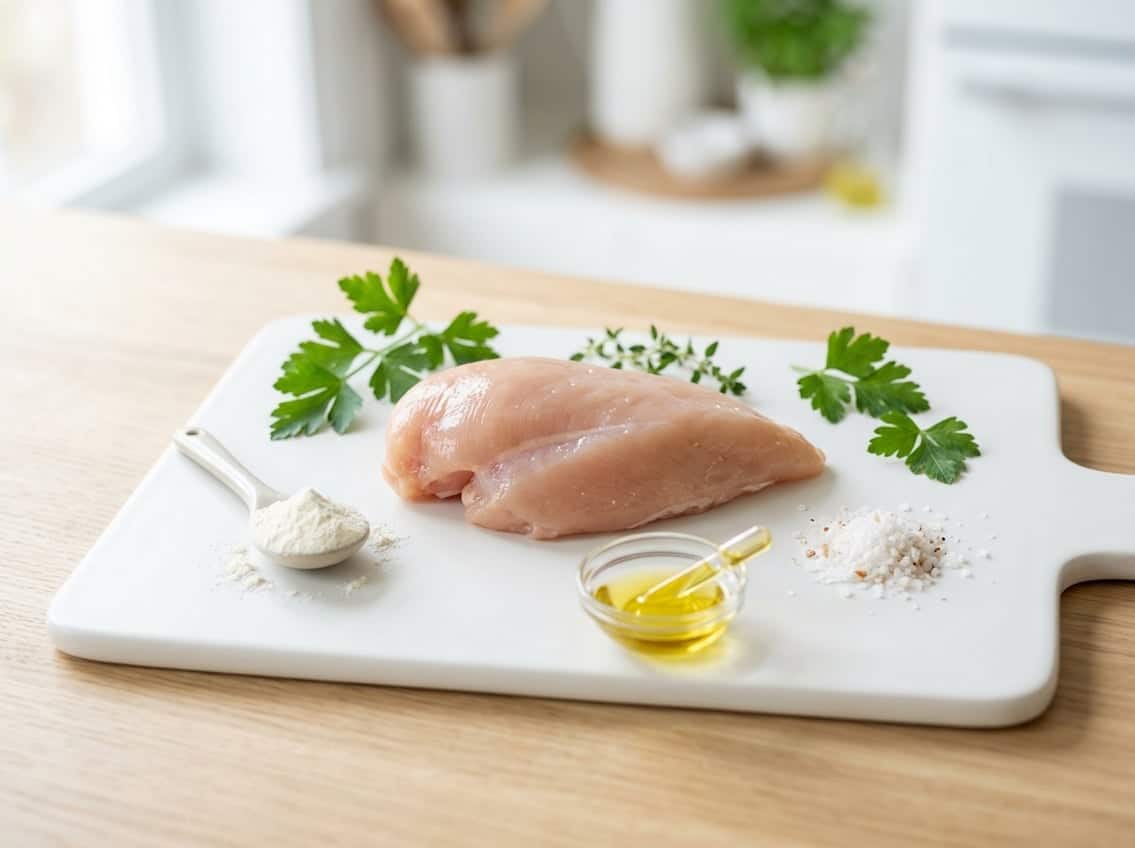
A skinless chicken breast is lean, high in protein, and low in carbohydrate. The exact numbers depend on whether you measure raw or cooked meat and the size of the piece.
A standard reference point is a 3-ounce cooked portion, about the size of a deck of cards. Larger grocery store breasts can easily weigh two to four times that amount.
Calories, Protein, and Fat in a Standard Portion
A 3-ounce cooked, skinless chicken breast usually has about 140 calories, 26 grams of protein, and 3 to 4 grams of fat, according to chicken breast nutrition data. This makes it a dense protein source with very little carbohydrate.
If you eat a breast that is closer to 6 ounces cooked, you usually get about 280 calories and around 52 grams of protein. The numbers stay lean as the portion gets bigger.
How Size Changes Nutrition Per Piece
Size is the main reason one chicken breast can mean different things. A small breast may equal one serving, while a large one may equal two or more.
Many chicken breasts sold in stores weigh about 6 to 12 ounces raw, according to serving-size guidance. One piece can go far beyond a single standard serving once cooked and trimmed.
Skinless vs. Skin-On Differences
Skinless chicken breast stays lower in fat and calories. Skin-on chicken breast adds extra fat, which raises the calorie count.
If you want the leanest option, choose skinless chicken breast. Cooking with the skin on adds flavor but increases the calorie load per piece.
How Portion Size and Cooking Method Change the Numbers
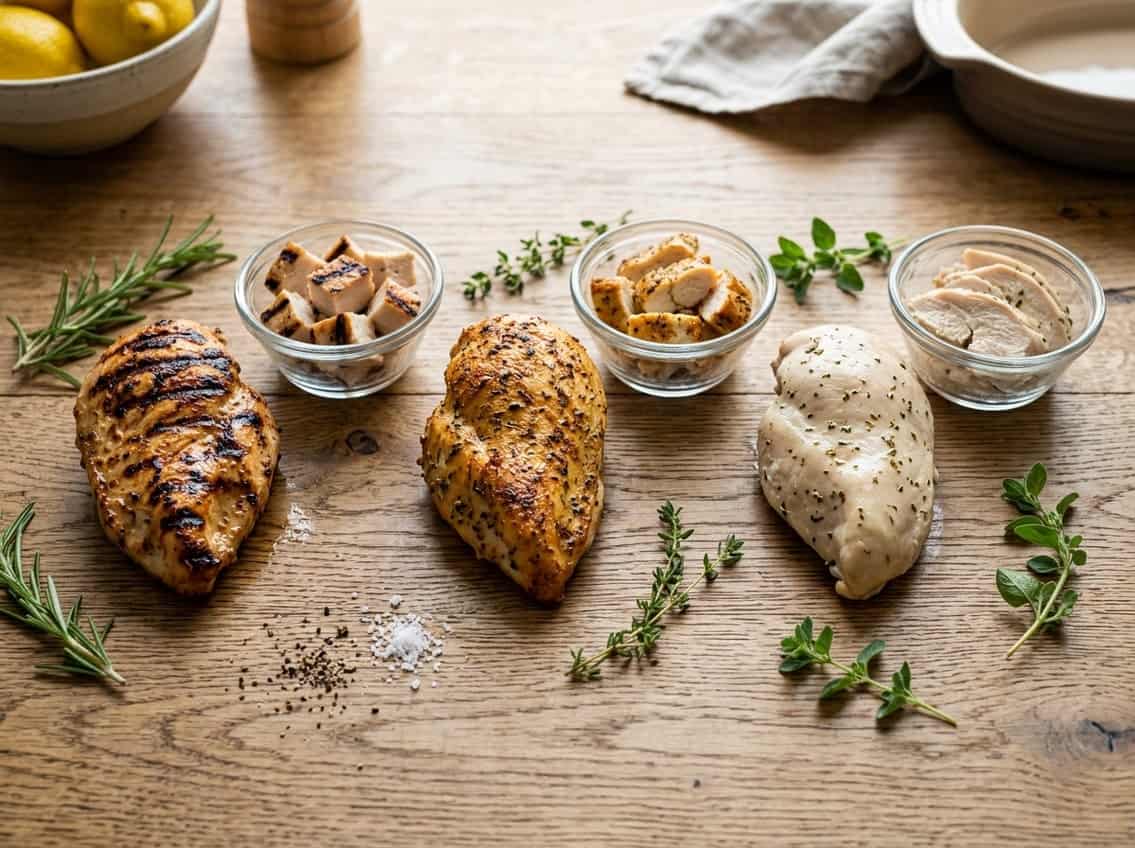
Raw weight and cooked weight are different because chicken loses water during cooking. One pound of raw chicken breast does not stay one pound after it is cooked.
Grilled, baked, and pan-cooked chicken all change the final weight in different ways. The cooking method also affects how much added fat ends up in the meal.
Raw vs. Cooked Weight
A raw breast usually weighs more than the cooked piece because moisture cooks off. A 6-ounce raw breast may turn into a 4 to 5-ounce cooked portion, depending on heat and time.
If you track food for calories or protein, pick one method and stay consistent. Raw tracking works best before cooking, while cooked tracking works well when the chicken is already on the plate.
Why Grilled and Baked Portions Look Different
A grilled chicken breast often looks smaller after cooking because the surface dries and tightens. Baking can have a similar result, though added oil, butter, or sauce changes the final calorie count.
A plain grilled breast and a pan-fried breast may weigh about the same after cooking. The pan-fried version can contain more calories from oil.
How to Weigh and Track a Single Breast Accurately
Weigh the chicken in the state you plan to log, raw or cooked, using a kitchen scale. If you buy chicken in bulk, divide the total weight by the number of breasts or servings before cooking.
For meal planning, portion by cooked ounces for the most reliable method. A 3-ounce cooked piece is a common serving target, and hand-size estimates can help when you do not have a scale.
How to Build a Full Meal Around One Breast
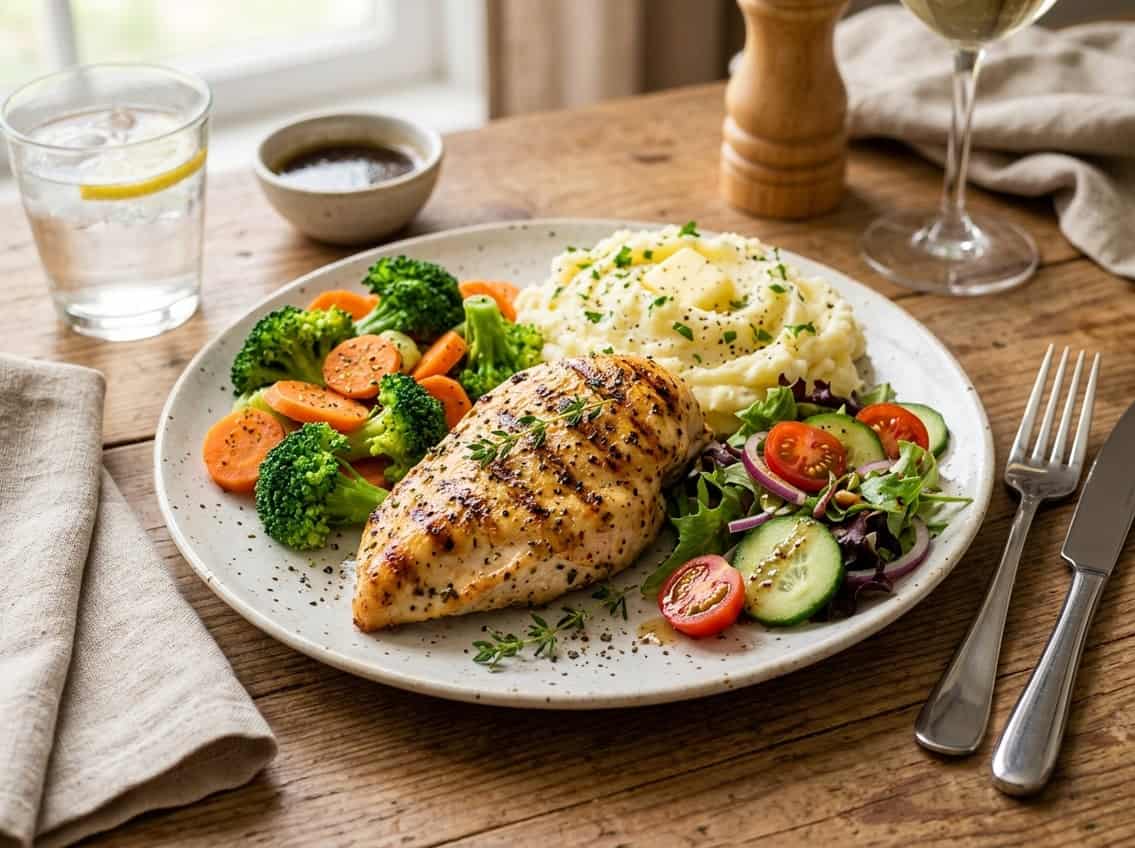
One chicken breast becomes much more satisfying when you pair it with vegetables, grains, or a simple starch. The goal is to add volume, fiber, and balance without making the meal heavy.
You can also stretch a single breast across more than one serving by slicing it thin or mixing it into a larger dish. This works well for lunch bowls, salads, pasta, and wraps.
Best Side Pairings for a Balanced Plate
A balanced plate often includes chicken, vegetables, and a modest portion of starch. Good choices include steamed green beans, roasted potatoes, brown rice, quinoa, or a simple salad.
Chicken breast recipes work best when the sides add texture and color. Vegetables like bok choy also fit well because they cook quickly and keep the meal light.
Low-Calorie Meal Combinations
If you want a lower-calorie meal, keep sauces light and focus on vegetables. A grilled chicken breast with steamed green beans and bok choy gives you protein, fiber, and plenty of food volume for the calories.
You can also serve chicken with broth-based soup, cauliflower rice, or a crisp side salad. These pairings make the plate feel full without increasing the calorie total too much.
Easy Dinner Uses for Leftover Chicken
You can use leftover chicken in soups, quesadillas, grain bowls, and wraps.
Slice it thin for salads or add it to a simple stir-fry with vegetables.
Many chicken breast recipes help stretch a small amount of meat across several meals.
If you cook extra, you can turn one breast into lunch for the next day with very little effort.


