
Can You Refreeze Chicken Breast? Safety Rules
You can refreeze chicken breast if it stayed cold, thawed safely, and never sat in the danger zone. You can refreeze chicken breast that was thawed in the refrigerator, but chicken thawed by risky methods usually needs to be cooked first.
The answer depends more on how you handled the chicken before putting it back in the freezer. If your thawed chicken stayed under refrigeration and still looks and smells normal, it is often safe to refreeze it from a food safety standpoint.
The main tradeoff is quality. Each round of thawing and freezing can dry out the meat, so refreeze only when needed and do it quickly.
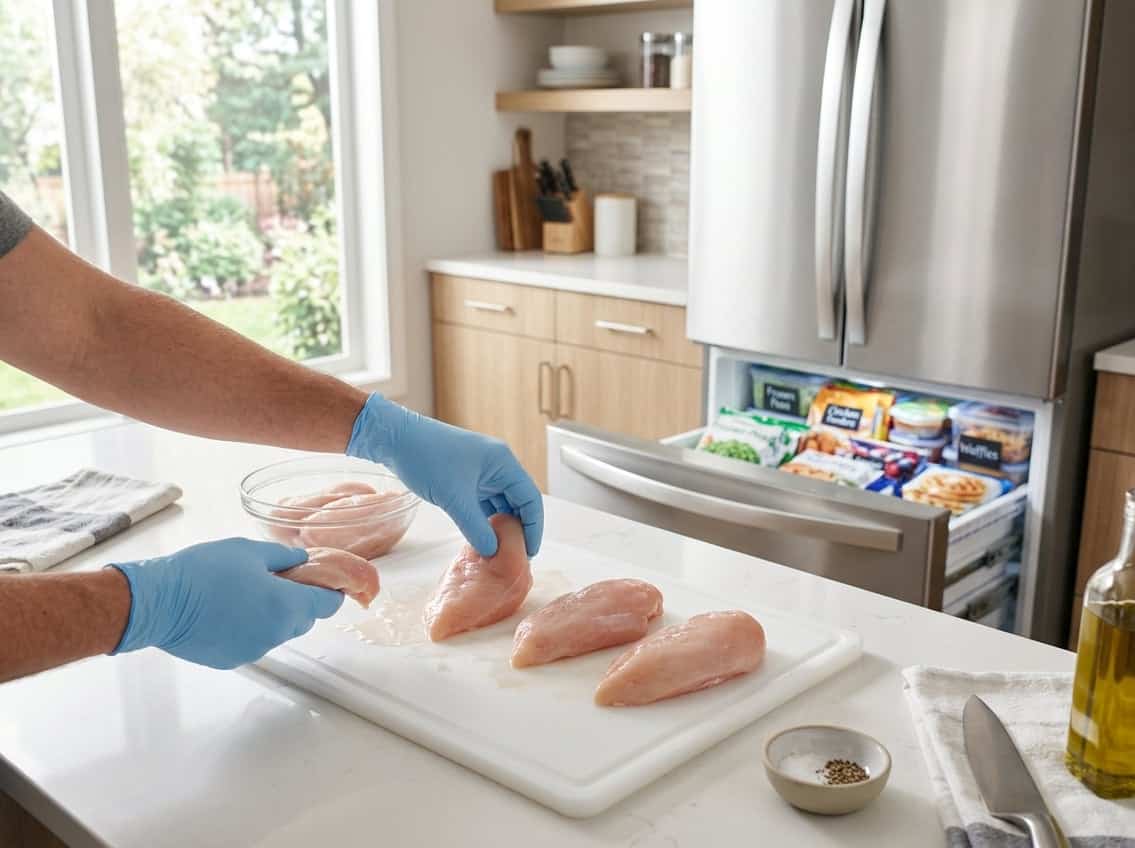
When Refreezing Is Safe
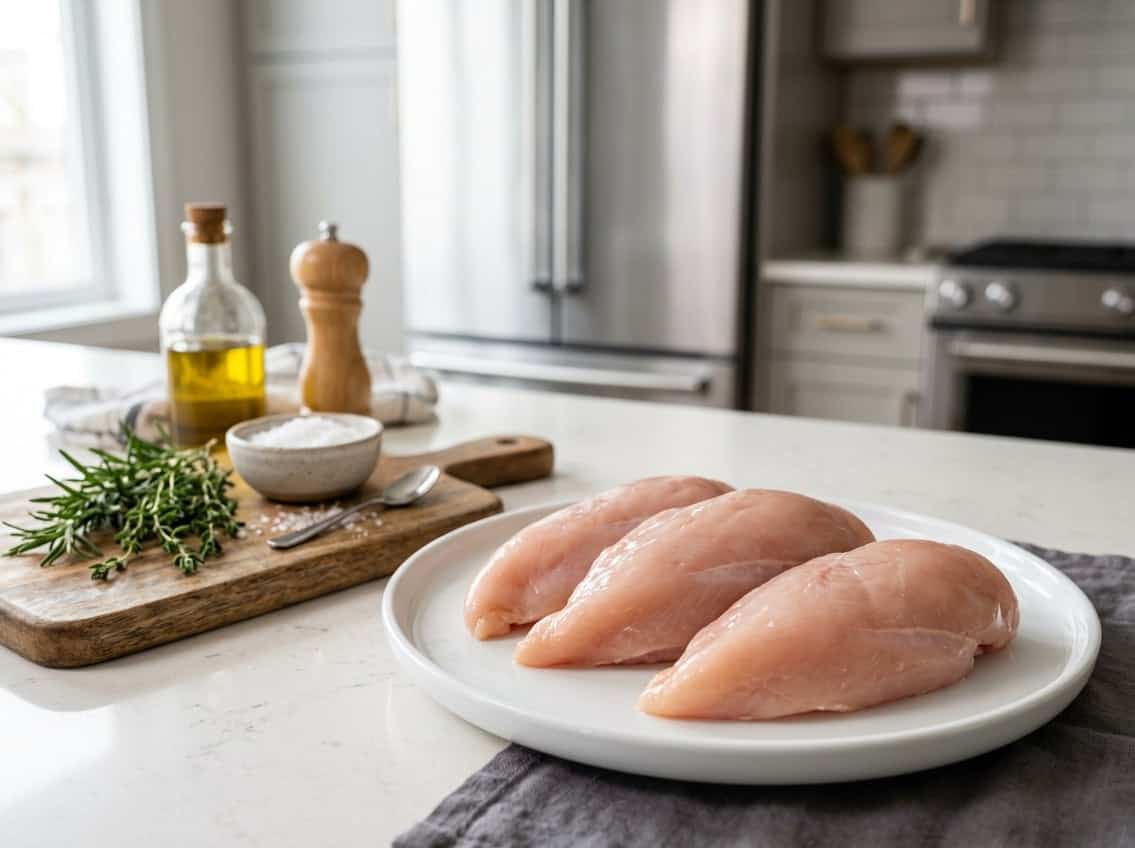
You can usually refreeze chicken when it stayed cold the whole time and never began to spoil. That applies to chicken breast, other cuts of raw chicken, and some cooked leftovers, as long as you handle the food within the proper time window.
According to MedicineNet’s chicken refreezing guidance, refrigerator-thawed chicken can be safely refrozen if it has not been left out and has been kept cold.
Raw Chicken Thawed in the Refrigerator
If you thawed raw chicken in the fridge, you can usually refreeze it within 1 to 2 days. The chicken should still be cold, not slimy, and not have a sour smell.
This is the safest path for thawing chicken because the meat stays at a controlled temperature the whole time.
Cooked Chicken Within Its Safe Fridge Window
You can also refreeze cooked chicken and cooked chicken breast if the leftovers have been refrigerated promptly and are still fresh. A common food safety rule is to use cooked chicken within about 4 days, then freeze it again if needed.
When Chicken Must Be Cooked Instead of Refrozen
Some thawing methods make refreezing a bad idea. If the chicken partially cooked during thawing, or if it spent too long at room temperature, you should cook it right away or discard it.
How Thawing Method Changes the Answer
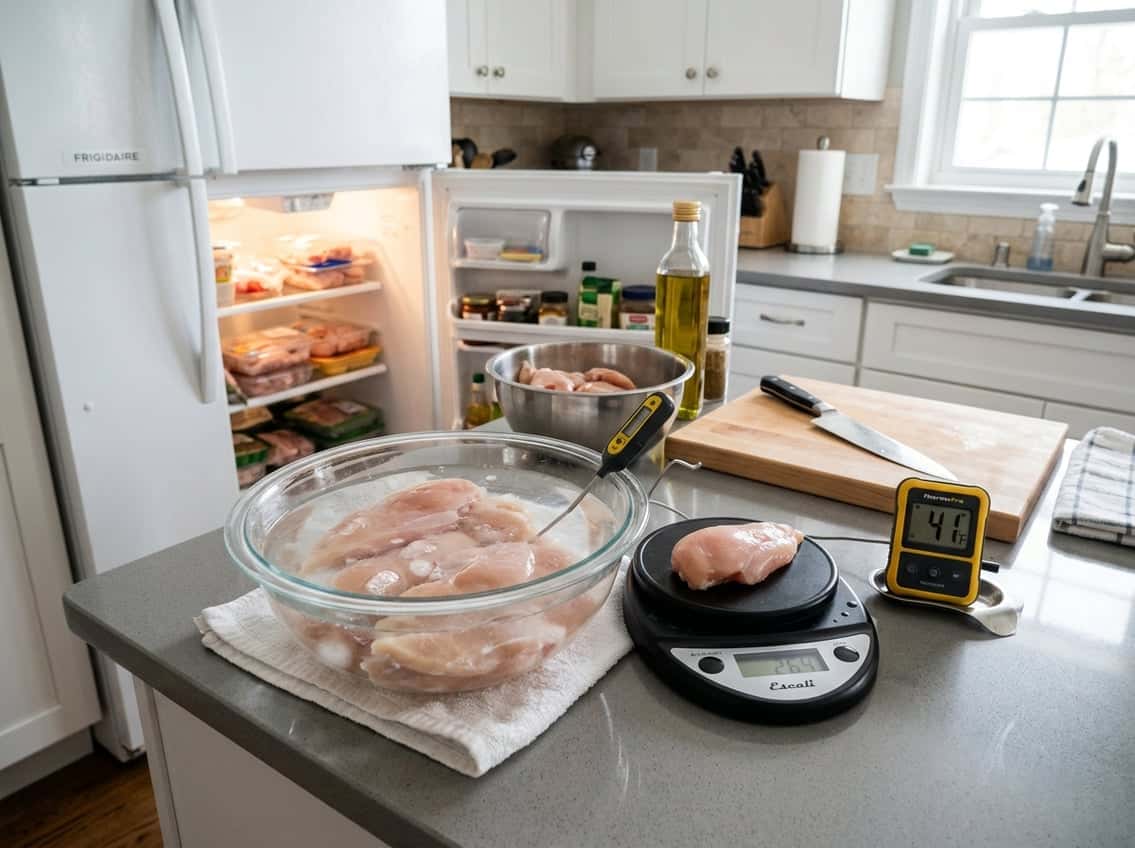
The way you thaw chicken changes whether you can safely freeze it again. Refrigerator thawing keeps chicken cold enough for refreezing, while faster methods raise the risk of bacterial growth or partial cooking.
Refrigerator Thawing and the 1-to-2-Day Rule
Refrigerator thawing is the safest option. If your chicken stayed in the fridge during thawing and you use it within 1 to 2 days, it is usually safe to refreeze if it remained cold and raw the whole time.
Cold Water Thawing Requires Immediate Cooking
With cold water thawing, you must cook the chicken right after it thaws. Even if the water stays cold, this method does not give you a safe window for refreezing.
Microwave Thawing and Partial Cooking Risk
Microwave thawing can create hot spots and start cooking the edges. Once the chicken is partly cooked, you should not treat it like raw meat for refreezing.
In that case, cook it fully before eating or discard it if it has been left out or handled unsafely.
Food Safety Risks and Spoilage Checks
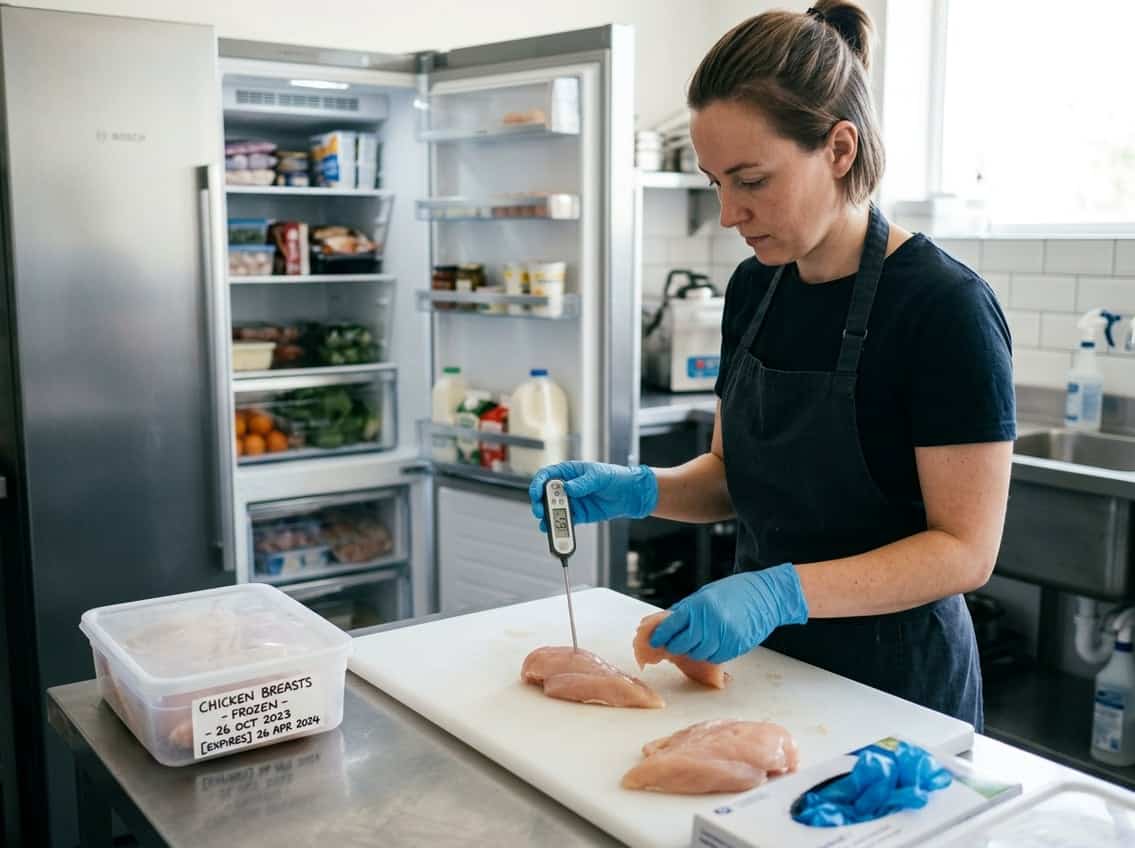
Raw poultry can carry harmful bacteria even when it looks normal. The biggest risks come from poor temperature control, long exposure to room air, and mistakes that allow germs to grow.
Why Salmonella and Campylobacter Matter
Salmonella and campylobacter are two of the most common bacteria linked to chicken. They can cause vomiting, diarrhea, fever, and stomach pain, and the illness can be serious for young children, older adults, and people with weak immune systems.
Danger Zone Timing and Room-Temperature Exposure
Chicken should not sit at room temperature for more than 2 hours, and no more than 1 hour if the room is hot. Once food enters the danger zone, bacteria can grow fast, and it is no longer safe to refreeze.
Signs Chicken Should Be Discarded
Throw chicken away if it smells bad, feels sticky or slimy, has turned gray or green, or has been left out too long. If you are unsure, do not rely on smell alone.
It is safer to discard questionable chicken than risk food poisoning from refreezing raw chicken that was mishandled.
Best Storage Practices for Quality
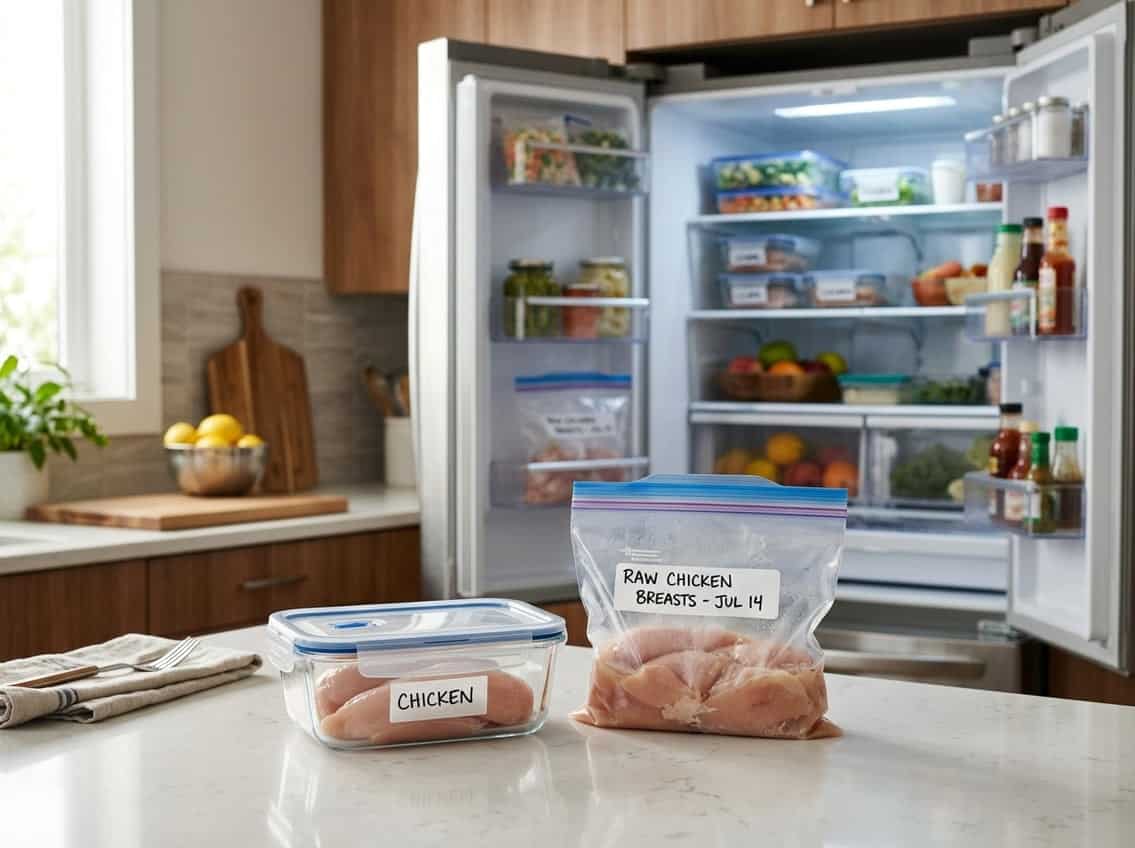
Good storage helps you keep both safety and texture under control. If you want to freeze chicken or refreeze chicken breast without major quality loss, package it well and move it to the freezer as soon as the timing is right.
How to Package Chicken Breast to Prevent Freezer Burn
Wrap chicken tightly in plastic wrap, foil, or freezer paper, then place it in a sealed freezer bag or airtight container. Press out extra air to prevent freezer burn.
How Long Refrozen Raw and Cooked Chicken Keeps
Refrozen chicken can stay safe in the freezer for a long time, but quality drops over time. For best texture, use raw chicken within several months and cooked chicken within a few months as well.
The more often you refreeze chicken, the drier it can become.
Ways to Freeze Chicken Breast for Better Texture Later
Freeze chicken in meal-size portions. Label the date and flatten the bags so they freeze faster.
Store cooked chicken breast in sauce, broth, or a sealed container that limits air exposure. Avoid repeated thawing, since that is a fast way to lose texture.


