
Does Chicken Breast Have Potassium? What to Know
Chicken breast contains potassium and provides a meaningful amount for a lean protein food. If you are asking does chicken breast have potassium, the answer is yes, and the amount is moderate rather than high.
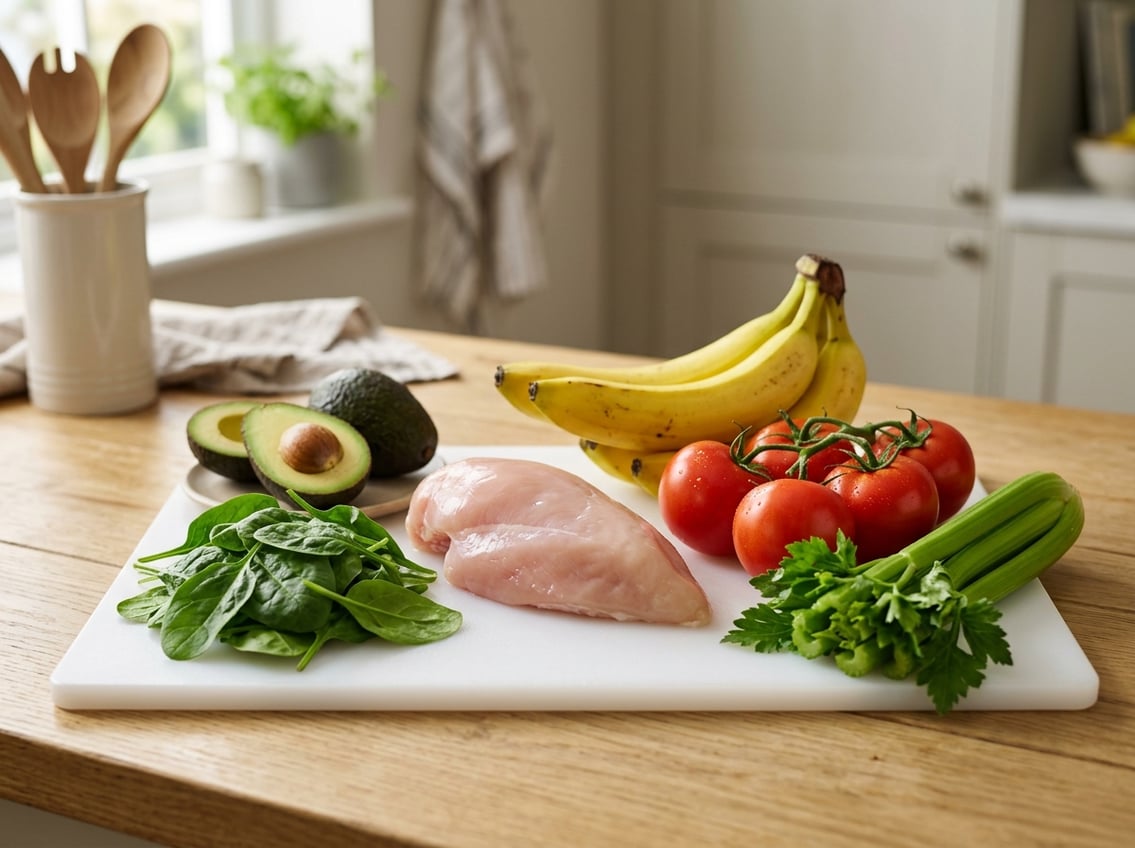
A typical serving of chicken breast adds potassium to your day without pushing intake too high. This makes it useful if you want a protein-rich food that also supports your potassium goals.
How Much Potassium Chicken Breast Provides
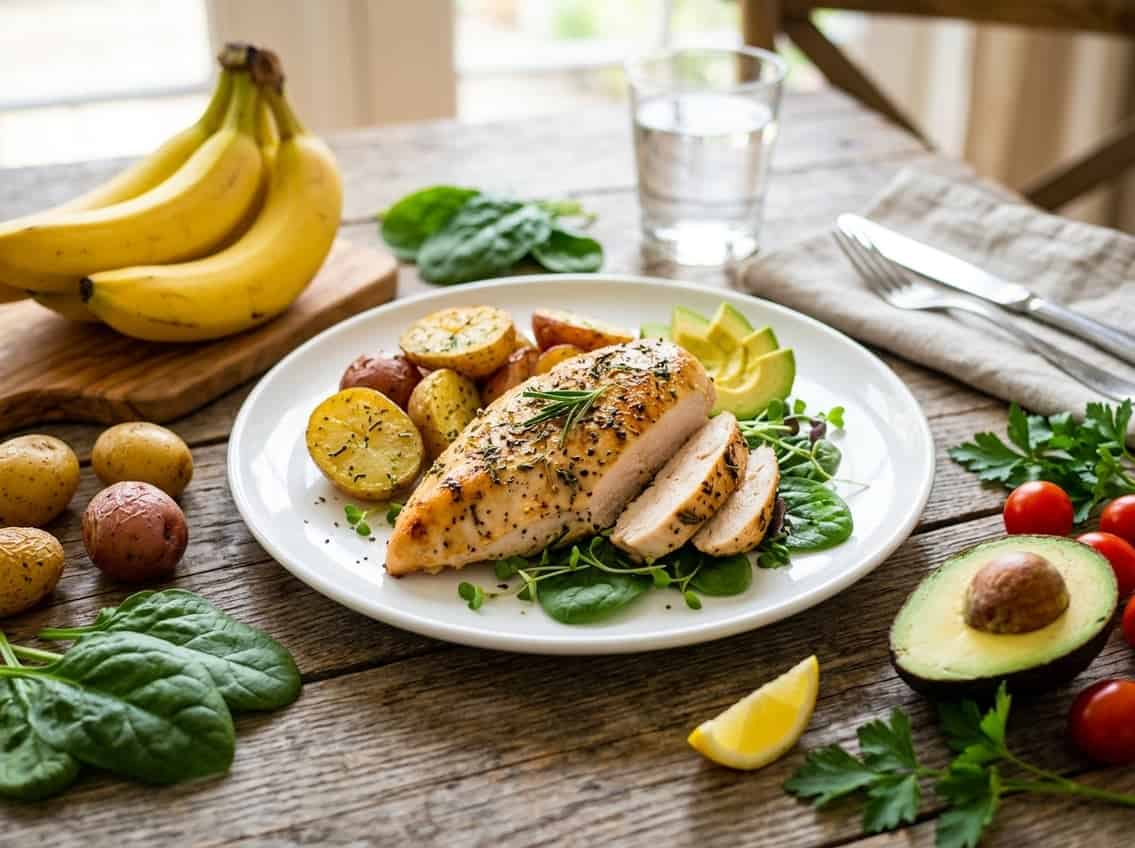
Potassium in chicken breast varies by cut, cooking method, and serving size. A standard portion gives you a modest amount, and it adds up when you eat chicken regularly.
Typical Potassium Amount per 3-Ounce Serving
A 3-ounce serving of boneless, skinless chicken breast usually contains about 220 to 250 milligrams of potassium, according to a review from Tatnuck Meat and Seafood.
Some nutrition databases place cooked chicken breast around the same range, with a 3.5-ounce serving listed at 256 milligrams in Ohio Poultry’s nutrition facts PDF.
How Chicken Breast Compares With Other Chicken Cuts
Chicken breast is a solid potassium source, though not the richest part of the bird. Dark meat such as thighs often contains a bit more potassium, and some bone-in cuts may show lower potassium per ounce because the edible meat portion is smaller.
Is It a High, Moderate, or Low Source?
Chicken breast is best described as a moderate source of potassium. It is not as potassium-dense as foods like potatoes, beans, spinach, or avocado, but it contributes more than many expect from a protein food.
What That Amount Means for Daily Intake
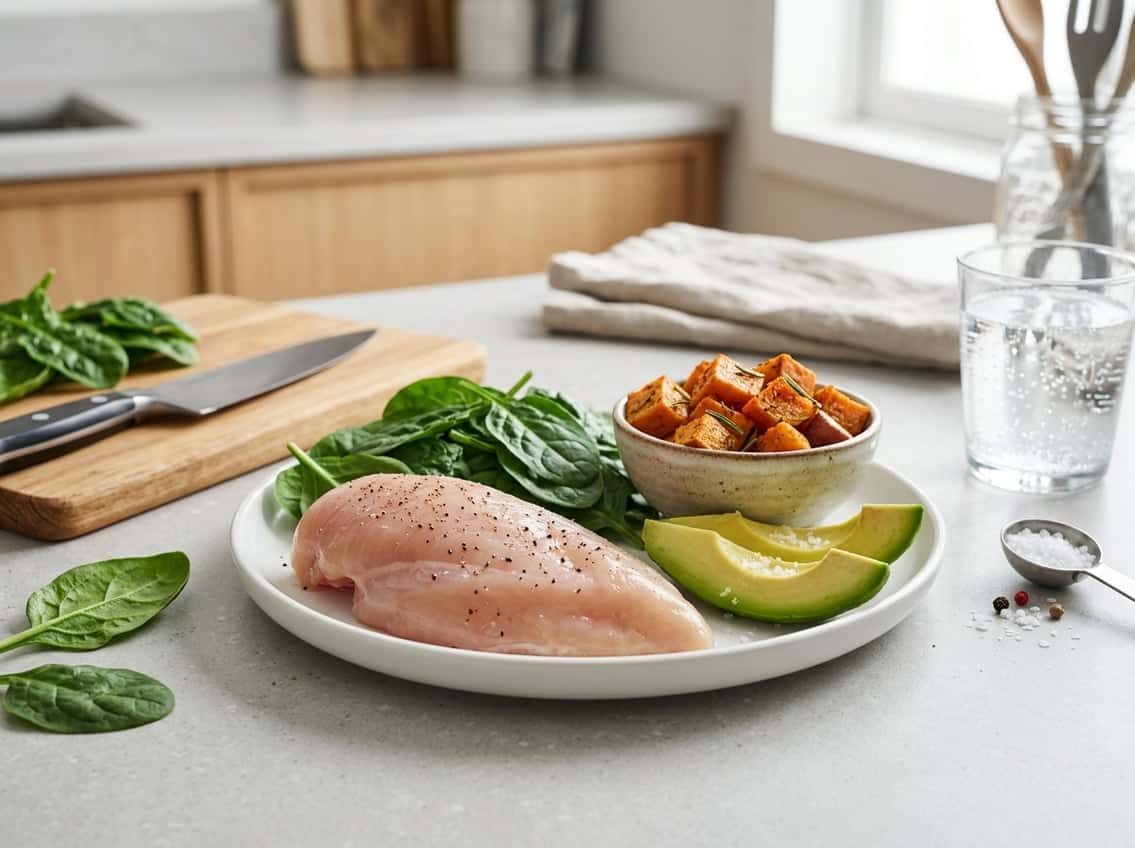
Your daily potassium needs are much higher than what one serving of chicken breast provides. Chicken can help, but it should be eaten alongside fruits, vegetables, beans, dairy, and other potassium-rich foods.
Daily Potassium Requirement for Adults
Adult potassium targets are commonly set around 3,400 milligrams per day for men and 2,600 milligrams per day for women in the U.S., based on the National Academies’ adequate intake levels.
Some health groups use slightly different daily potassium requirements, but the range is still well above what most single foods provide.
How One Serving Fits Into Daily Potassium Needs
A 3-ounce serving with about 220 to 250 milligrams of potassium provides only a small slice of your daily potassium needs. That is roughly 7% to 10% of a 2,600 to 3,400 milligram target, depending on your age and sex.
Daily Potassium Requirements Compared With Higher-Potassium Foods
Foods like baked potatoes, beans, spinach, yogurt, avocado, and bananas usually provide more potassium per serving than chicken breast. Plant foods often do the heavier lifting when it comes to potassium.
A wider food pattern matters more than relying on one item for your daily potassium requirement.
Factors That Change the Potassium Content
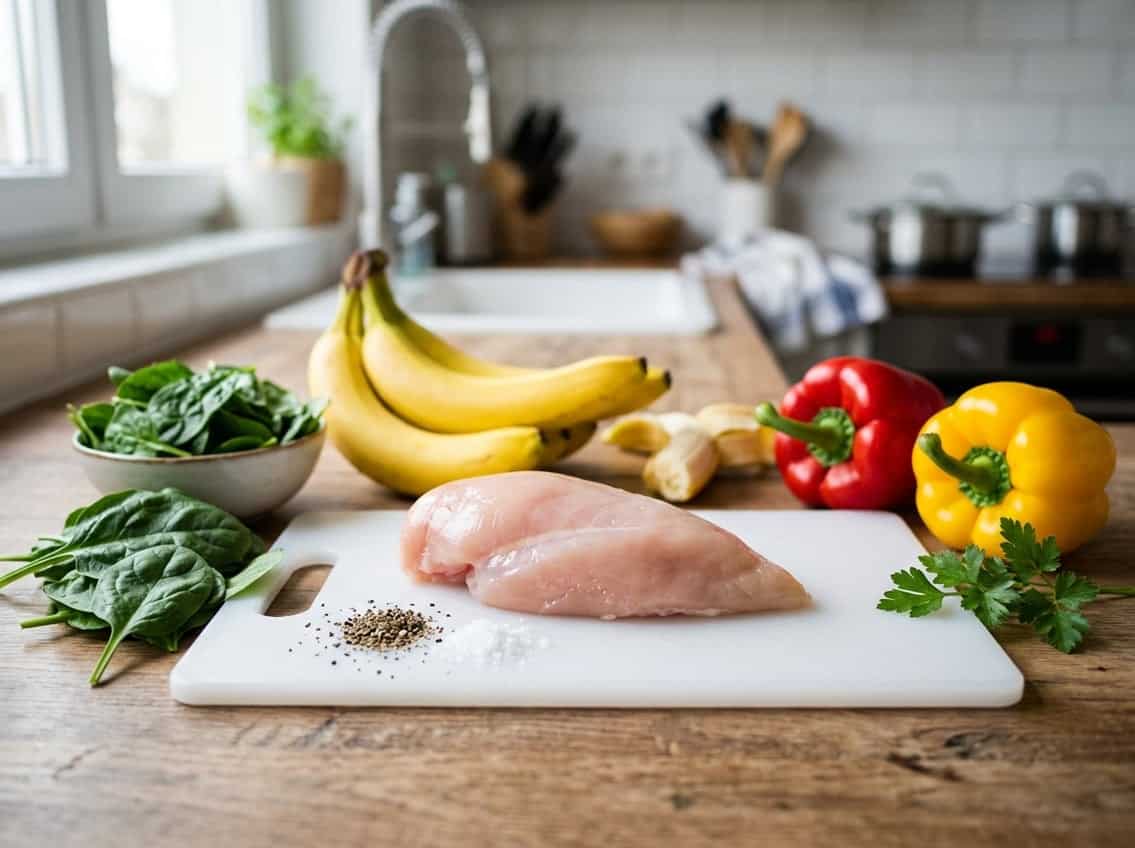
The potassium in chicken breast is fairly stable, yet preparation can change the final amount you eat. Portion size, cooking method, and processing can all shift the number on your plate.
Serving Size and Cooked Weight
A larger serving gives you more potassium in chicken breast. Cooked weight also matters, since moisture loss can make the same piece of chicken seem more nutrient-dense per ounce after cooking.
Grilling, Roasting, Boiling, and Nutrient Retention
Grilling and roasting preserve potassium better because less of the mineral moves into cooking liquid. Boiling can reduce potassium in chicken if the mineral leaches into the water, which is why Tatnuck Meat and Seafood notes that water-based cooking can lower the amount in the meat.
Processed Chicken, Additives, and Label Checks
Processed chicken products, such as deli meat or pre-seasoned cuts, may contain added sodium and other ingredients that change the nutrition profile. Label checks help if you want to keep potassium in chicken breast in line with your goals.
Fresh, plain chicken gives you the clearest picture.
When Potassium Intake Needs Extra Attention
Potassium is essential, yet both too little and too much can cause problems. Your needs may change if you have certain health conditions or take medications that affect kidney function.
Potassium Deficiency and Common Symptoms
Low potassium, or potassium deficiency, can cause muscle weakness, fatigue, cramps, constipation, and irregular heartbeat. If your intake is low for a long time, your daily potassium needs may not be met through food alone, especially if your diet is low in fruits and vegetables.
Hyperkalemia and Who May Need to Limit Intake
Hyperkalemia means your potassium level is too high. People with kidney disease, heart failure, or certain medication regimens may need to limit potassium intake and track food choices more carefully.
When Chicken Breast Makes Sense in a Potassium-Conscious Diet
Chicken breast can fit well in a potassium-conscious diet because it provides protein without an extreme potassium load.
It may be a practical choice if you need steady nutrition and want to spread potassium intake across the day. If you have a kidney condition or your clinician recommends a low-potassium plan, your clinician can help you match chicken portions to your needs.


