
Is It Best to Bake Chicken Breast? What to Know
Is it best to bake chicken breast? In many home kitchens, yes. Baking gives you a simple, reliable way to cook chicken evenly with little active attention.
It works well for weeknight dinners, meal prep, and recipes where you want a clean flavor that fits many sides and sauces.
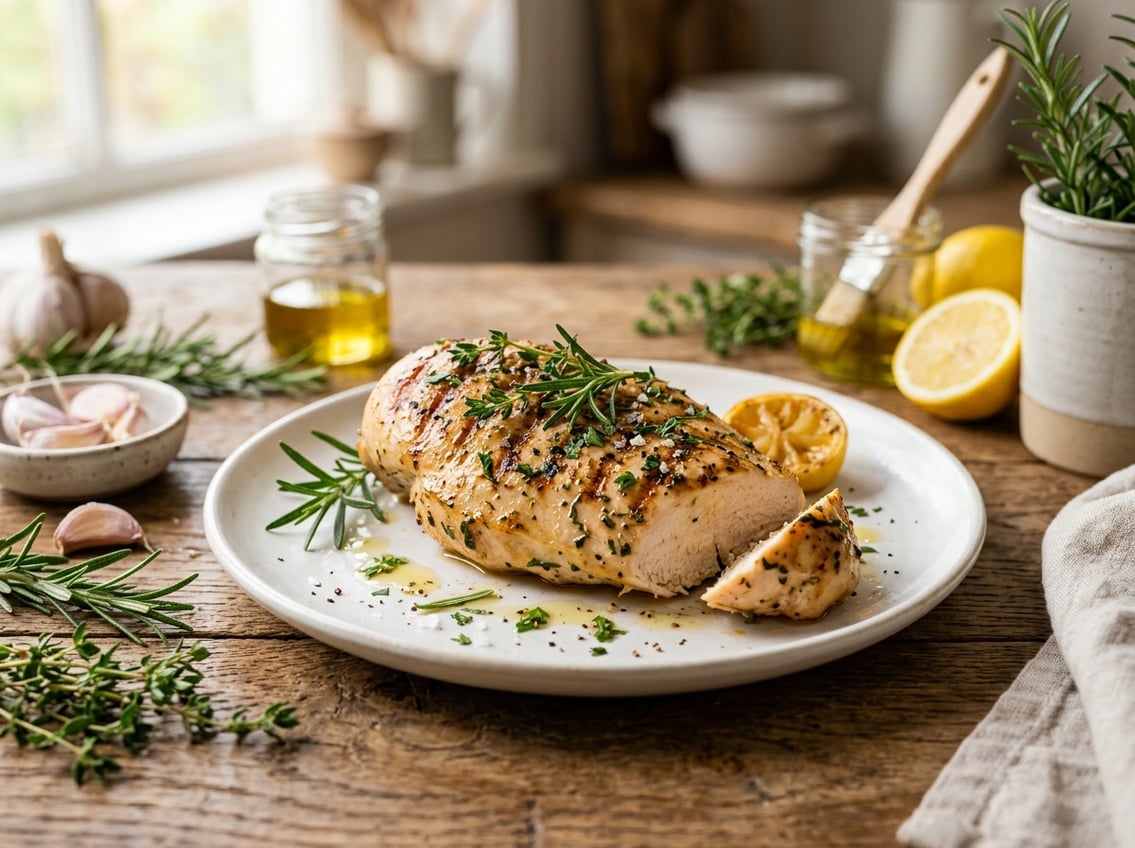
If you want a lean, flexible, and easy method, choose baking for chicken breast. Just manage heat, thickness, and doneness carefully.
Baked chicken breast offers a practical advantage. You can use it in simple recipes, add it to salads, slice it for sandwiches, or serve it as a main dish.
Oven-baked chicken stores well, making it useful for both same-day dinners and make-ahead meals.
When Baking Is the Best Option
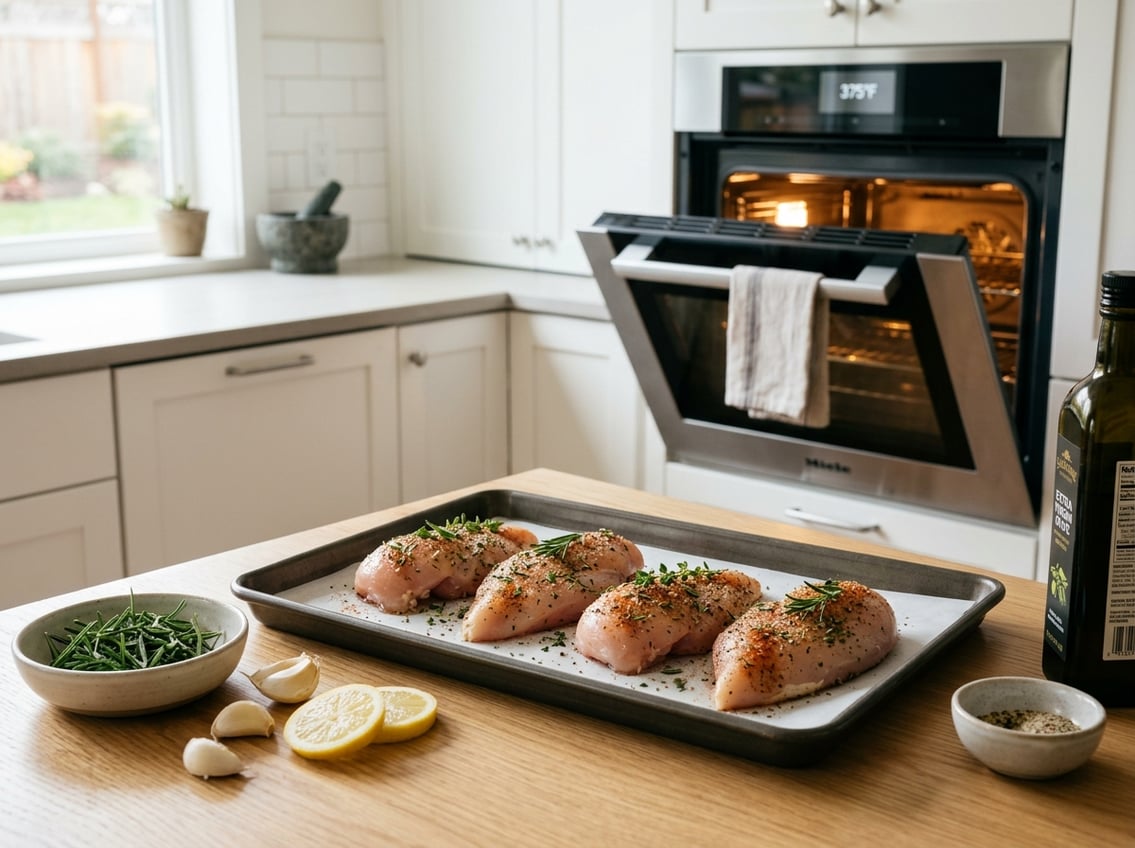
Bake chicken breast when you want even cooking, easy cleanup, and little hands-on time. Baking is a strong choice when you need more than one portion at once, since you can bake several breasts together on one pan.
Best Uses for Oven Cooking
Choose baking for busy weeknights, meal prep, and dishes that need cooked chicken added later. Baked chicken is useful for pasta, salads, and grain bowls, and it stores well for later use.
Baking also gives you a neutral base for seasoning. You can adjust the flavor for different meals without changing the cooking process.
When Another Method Works Better
Pan-searing works better when you want faster browning and a stronger crust. Grilling makes sense for smoky flavor, while poaching is best when you want very soft chicken for shredding.
If you want a very crisp exterior, sear the chicken first or finish it under the broiler.
Boneless Vs. Bone-In Considerations
Boneless skinless chicken breast cooks faster and is the most common choice for baking. It is easy to slice and use in many recipes, but it dries out more quickly if overcooked.
Bone-in chicken breast takes longer to cook, but it can stay juicier because the bone slows heat transfer. If you want juicy chicken breast with a little more cushion for error, choose bone-in pieces.
How to Get Juicy Results in the Oven
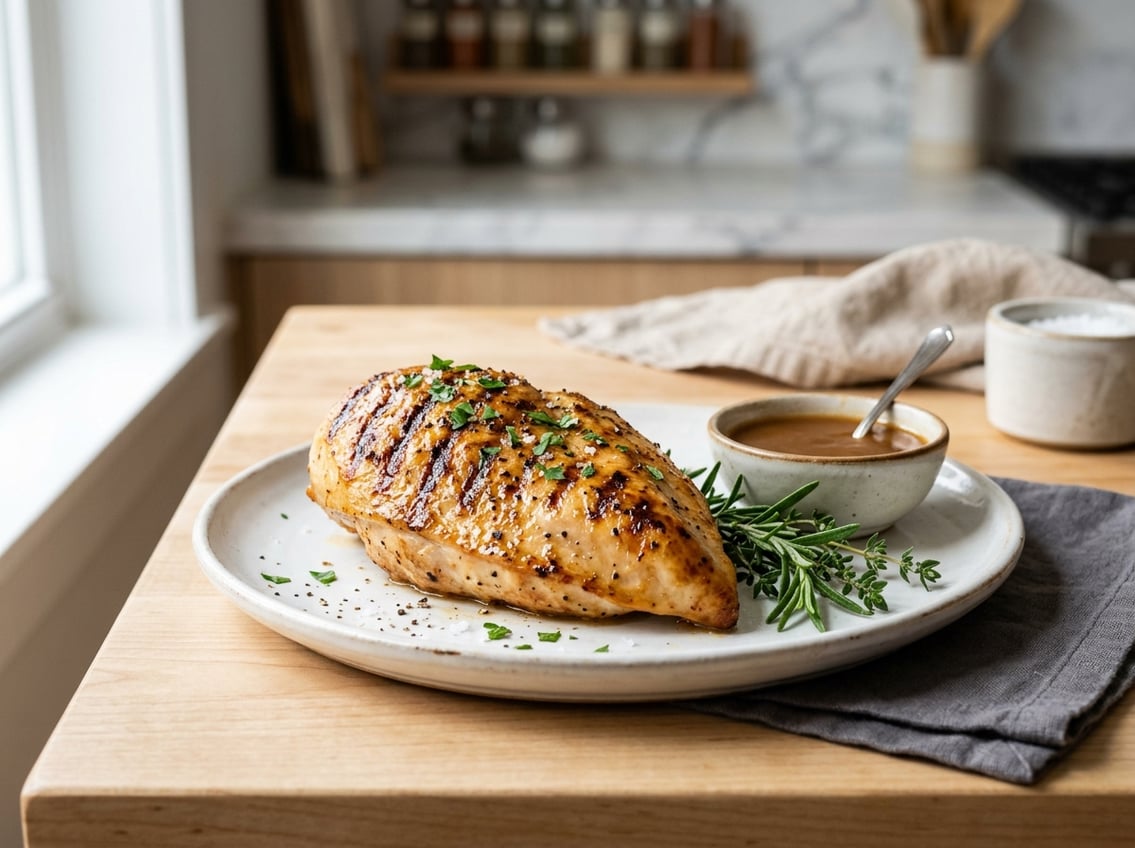
Juicy results depend on heat, seasoning, and thickness. Use enough fat on the surface to help the meat brown and stay moist while it cooks.
Best Oven Temperature and Pan Setup
Set your oven to a moderate temperature around 375°F. For most cooks, a single layer on a baking sheet or shallow pan works best.
Line the pan for easier cleanup. Leave space between pieces so heat can move around the chicken evenly.
Seasoning and Fat for Moisture
Start with olive oil or melted butter to help seasoning stick and the surface cook more evenly. Use basic flavoring like garlic powder, onion powder, kosher salt, and black pepper.
Fat adds flavor and helps the outside cook without drying too quickly. Keep seasoning simple if you plan to use the chicken in a dish with strong flavors later.
Thickness, Resting, and Carryover Cooking
Use a meat mallet on a cutting board to even out thick parts before baking. Even thickness helps the chicken cook at the same rate and prevents dry edges or underdone centers.
Let the chicken rest after baking so the juices settle. Carryover cooking can raise the temperature a little after it leaves the oven, so resting matters for juicy chicken breasts.
Timing, Doneness, and Common Mistakes
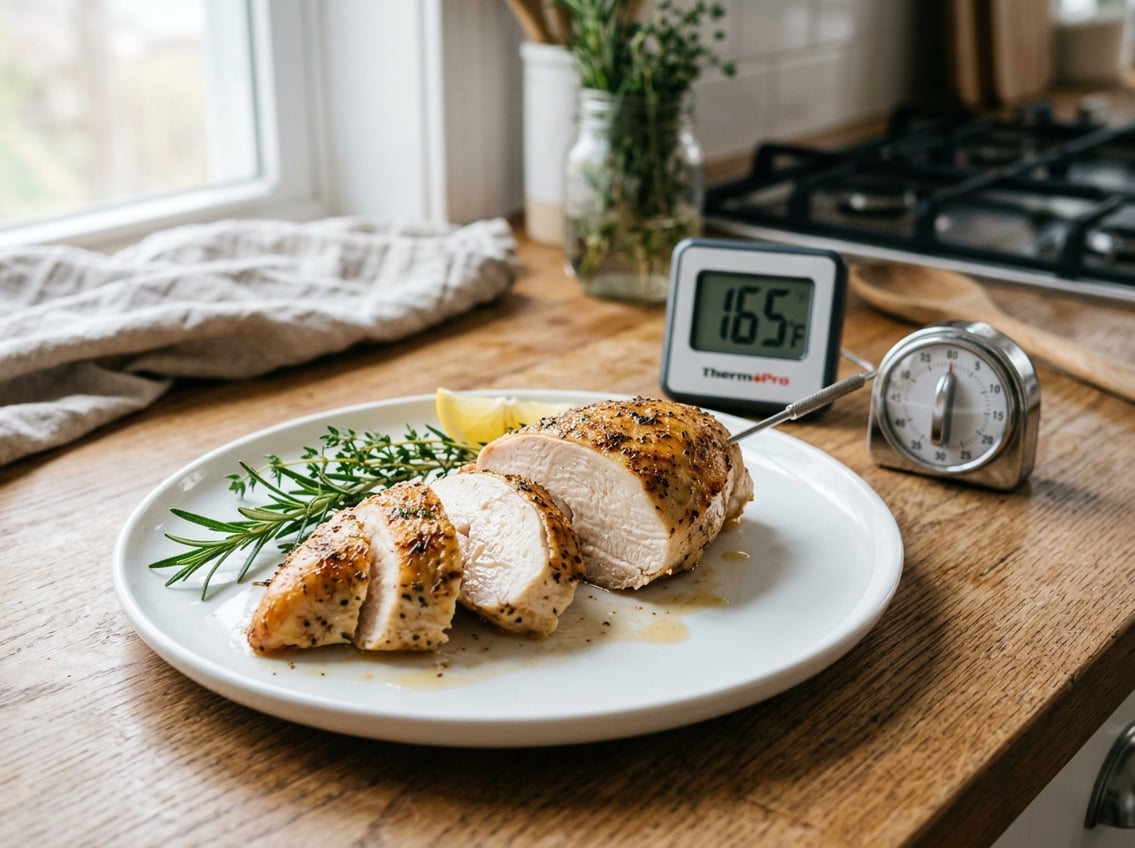
Timing changes based on size, thickness, and whether the chicken is boneless or bone-in. Use a thermometer to protect both texture and food safety.
How Long to Bake Chicken Breasts
For most boneless skinless chicken breasts, bake for 25 to 30 minutes at 375°F. Larger pieces may need more time, and thinner pieces may need less.
If you want a quicker method, use higher heat, but watch the temperature closely. The right time depends on the size of the pieces, not just the clock.
How to Tell When Chicken Is Done
Check doneness with an instant-read thermometer in the thickest part of the breast. Chicken is done when it reaches 165°F in the center.
Look for clear juices and opaque meat, not pink in the middle. A thermometer removes the guesswork and helps you avoid overcooking.
Why Chicken Breast Turns Out Dry
Dry chicken usually comes from too much time in the oven, uneven thickness, or skipping the rest time. Starting with cold, very thick pieces can also create uneven results.
Use moderate heat, season well, and check doneness early for the best results.
Best Ways to Serve and Repurpose It
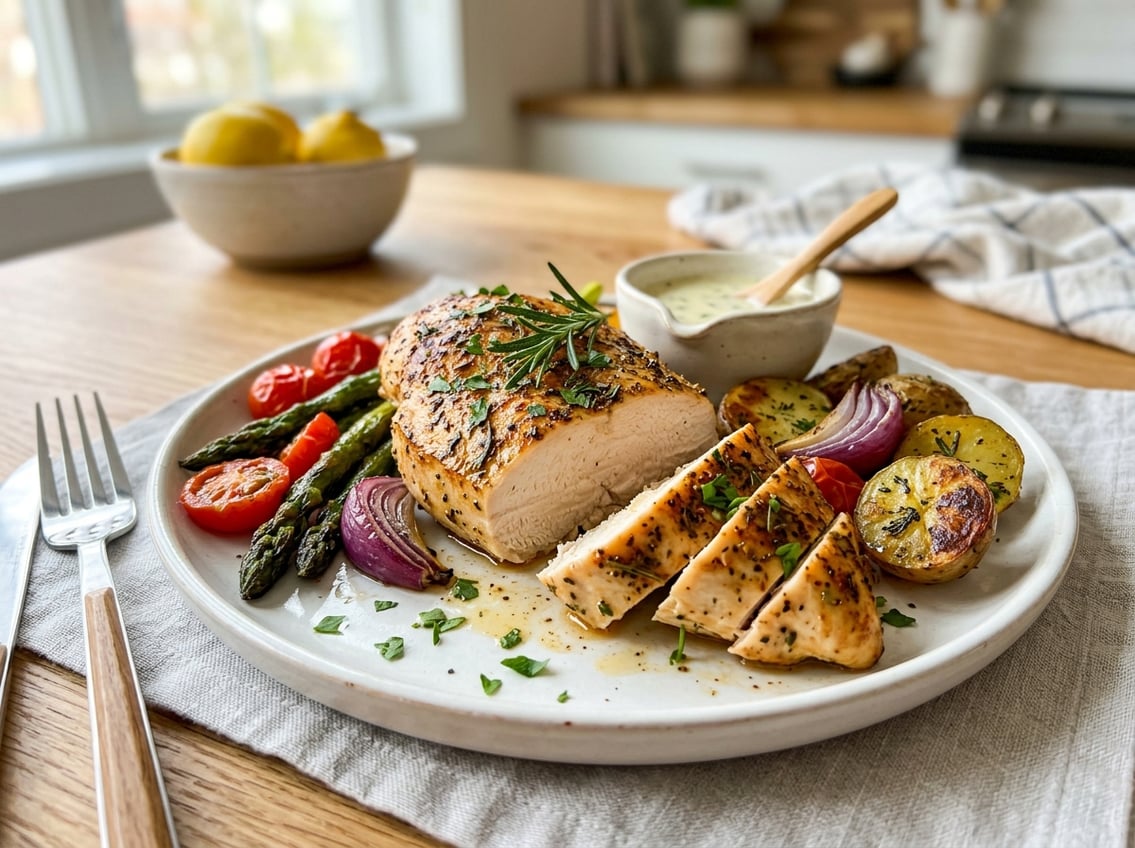
Baked chicken breast fits many meals. Once you cook a batch, you can serve it fresh or turn it into new dishes over the next few days.
Simple Meals for Freshly Baked Chicken
Serve baked chicken breasts with roasted vegetables, rice, potatoes, or a green salad. Slice the chicken and add it to pasta or grain bowls for an easy dinner.
For a lighter meal, keep the seasoning simple and add a bright sauce or dressing. That gives you flexibility without needing a new recipe each time.
Best Leftover Ideas
Leftover chicken works well in chicken salad, chicken caesar salad, and chicken caesar wraps. Stir chopped chicken into chicken pesto pasta or fold it into a chicken casserole.
Using leftovers helps reduce waste and saves time. Leftover chicken saves energy while helping cut food waste.
Storage and Reheating
Store cooked chicken in a sealed container in the refrigerator for a few days. Freeze it for longer storage if needed.
Keep portions separate so you can reheat only what you plan to use.
Reheat gently so the chicken stays moist. Cover the chicken in the oven with a little broth or water in the pan to help retain moisture, as suggested by Better Homes & Gardens.


