
What Is the Best Chicken Breast Marinade? Key Factors
A balanced marinade is the best answer to what is the best chicken breast marinade. You want enough oil to carry flavor, enough acid to brighten and soften, enough salt to season the meat, and enough herbs or spices to make the chicken taste complete.
For boneless, skinless chicken breasts, choose a marinade that adds flavor without relying on too much acid or sugar. That balance helps you get juicy chicken for grilling, baking, or pan-searing.
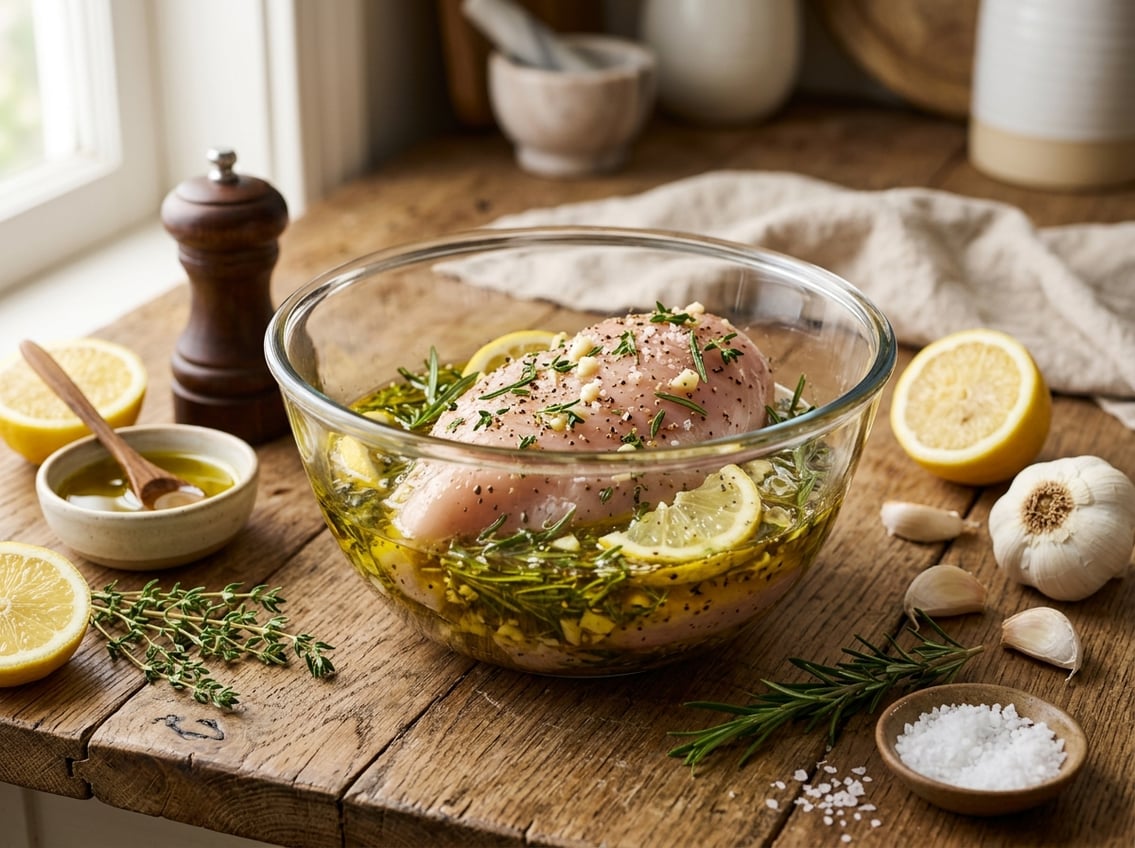
You do not need a complicated chicken recipe to get reliable results. A smart chicken marinade should fit the cut, the cooking method, and the time you have.
What Makes a Marinade Work Well on Chicken Breast
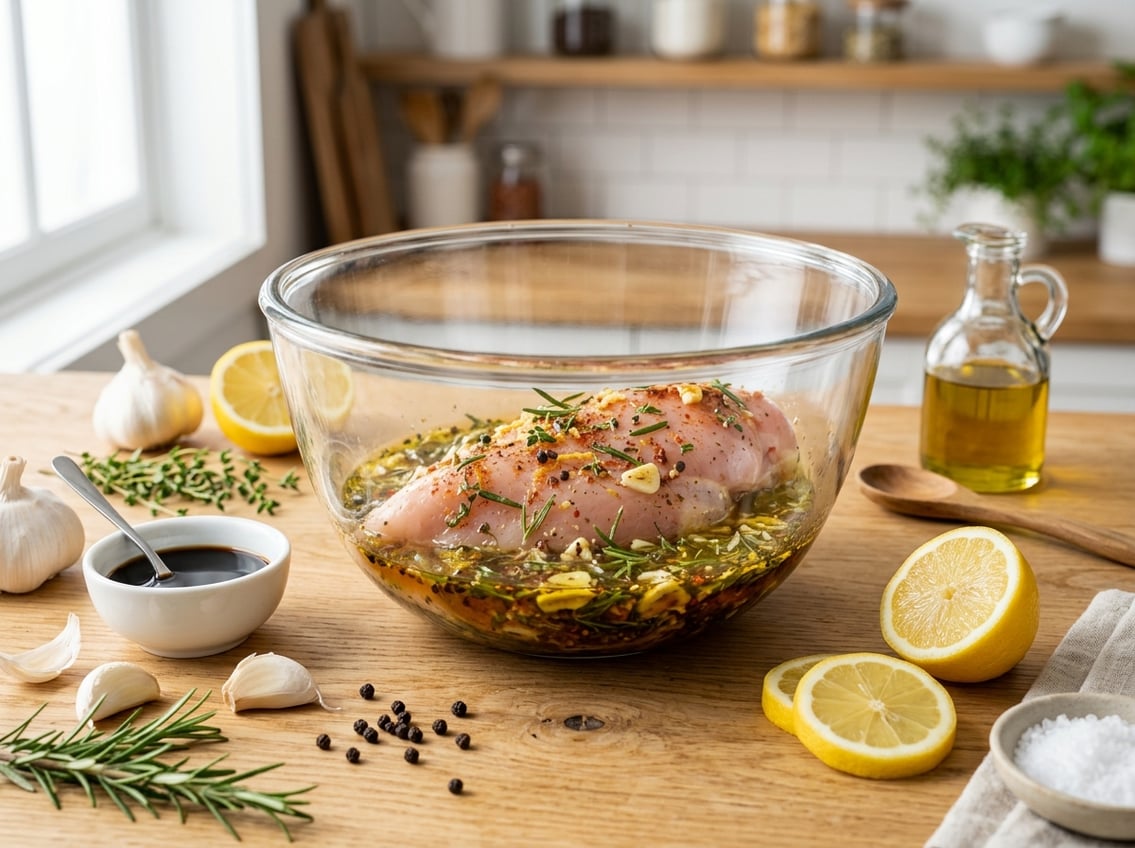
A good chicken breast marinade works because it is balanced, not because it has a long ingredient list. The goal is to season lean meat evenly and protect it from drying out while it cooks.
When you choose marinade ingredients with care, you get better flavor and a more tender bite. Many marinades for chicken use a mix of fat, acid, salt, and aromatics.
The Ideal Balance of Oil, Acid, Salt, and Seasoning
Oil helps carry flavors across the surface of the chicken breast and promotes even browning. Acid, such as lemon juice or vinegar, adds brightness and can help the outer layer soften a little.
Salt is one of the most important parts of any marinade recipe because it seasons the meat itself, not just the surface. Garlic, herbs, and spices round out the flavor so the chicken tastes complete after cooking.
How Marinades Help Tenderize and Flavor Lean Meat
Chicken breast is lean, so it dries out faster than fattier cuts. A marinade can help tenderize chicken by adding moisture and seasoning before the heat goes in.
Traeger’s chicken breast marinade guide explains that a marinade adds flavor and extra tenderness to chicken breast. That matters when you want dependable results for a simple weeknight chicken recipe.
Why Boneless Skinless Chicken Breasts Need a Different Approach
Boneless skinless chicken breasts do not have much built-in fat, so they need help staying juicy. They cook quickly, so a heavy-handed marinade can create a sour or mushy surface if you leave it on too long.
A lighter, well-balanced marinade works best here. Use enough flavor to soak in, but not so much acid that the texture turns soft.
The Most Reliable Flavor Profiles to Use
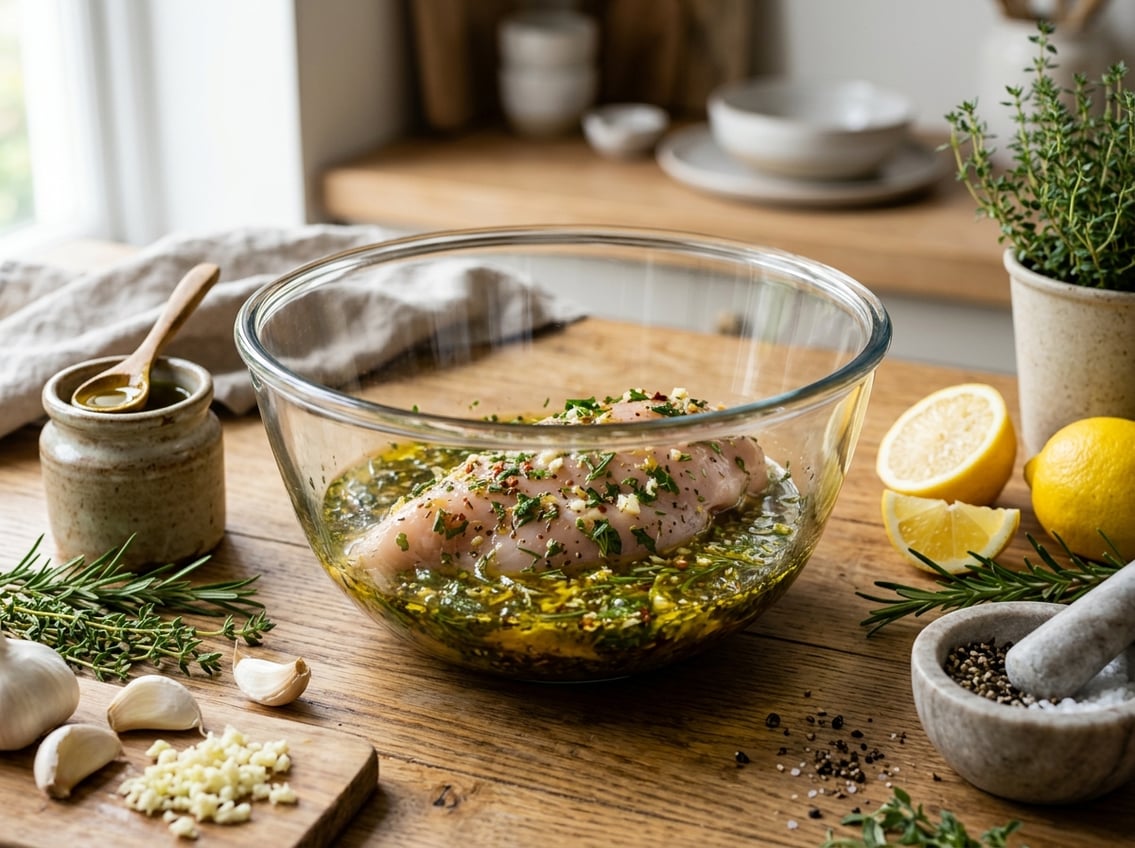
The most reliable marinade recipes usually fall into a few familiar flavor families. These profiles are easy to match with side dishes and work well for marinated chicken breast and other simple chicken dishes.
You can keep the base familiar and shift the flavor with a few ingredients. That makes it easy to repeat a recipe without it feeling repetitive.
Classic Garlic Herb Blends for Everyday Cooking
Garlic, black pepper, olive oil, and herbs create a clean, flexible flavor. Garlic powder works well because it spreads evenly, while dried rosemary adds a savory, woodsy note that pairs well with poultry.
This style works when you want the chicken to fit into salads, rice bowls, pasta, or sandwiches. It is one of the easiest ways to build a reliable marinade for daily cooking.
Greek and Yogurt-Based Options for Extra Tender Results
A Greek chicken marinade often uses lemon, garlic, oregano, and olive oil. That mix gives you a bright, savory finish that fits roasted vegetables, pita, and rice.
Yogurt marinated chicken uses dairy to help coat the meat and keep it tender. The texture is creamy and the flavor stays mild, which is useful when you want juicy results without a sharp acidic edge.
Citrus-Forward Marinades for Fast, Bright Flavor
A lime chicken marinade gives chicken a fresh, quick flavor that works well when you need dinner fast. Citrus pairs well with garlic, chili, cumin, and cilantro for a bright finish.
These marinades are useful for tacos, grain bowls, and quick grilled chicken. Citrus gives you fast flavor without a long ingredient list.
How Long to Marinate and How to Cook It Well
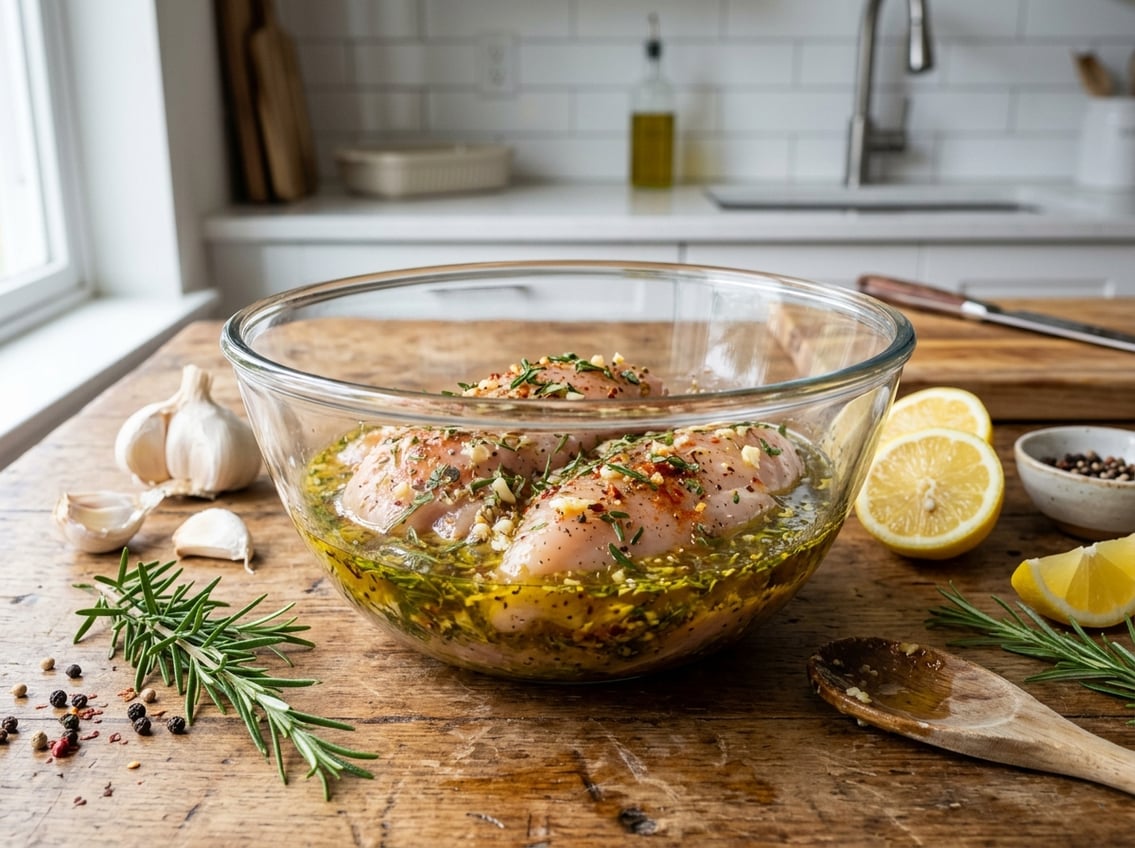
Marinating time depends on the ingredients you use and how thick the chicken is. The cooking method matters too, since grilled chicken, baked chicken, and pan-seared chicken all respond a little differently.
A good chicken breast marinade should improve texture and flavor. Timing and heat control turn good marinade ingredients into a good meal.
Best Marinating Times for Different Ingredients
Light marinades with oil, salt, herbs, and mild acid can work in as little as 30 minutes. For more flavor, 2 to 6 hours is a strong target for most marinated chicken breast recipes.
The BEST Chicken Marinade recipe suggests that 4 to 6 hours gives strong flavor, and overnight can also work if the acid level stays moderate. More acidic marinades need less time, or the chicken can turn soft on the outside.
When to Grill, Bake, or Pan-Sear Marinated Chicken
Grilling works well when your marinade includes a little sugar or honey, since the heat helps create browning. Baking is a good option for thicker chicken breasts and is simple when you want less hands-on time.
Pan-searing gives you quick color and a crisp surface, especially for thinner pieces. Pat off extra marinade before cooking so the chicken sears instead of steaming.
Common Mistakes That Make Chicken Dry or Mushy
Too much acid is a common problem, especially with lemon or vinegar-heavy mixes. Leaving chicken in an aggressive marinade too long can weaken the texture.
Cooking straight from the fridge with very thick chicken breasts is another mistake. Let them sit briefly at room temperature, then cook to 165°F at the thickest part for safe, juicy results.
How to Prep Ahead, Store, and Freeze Safely
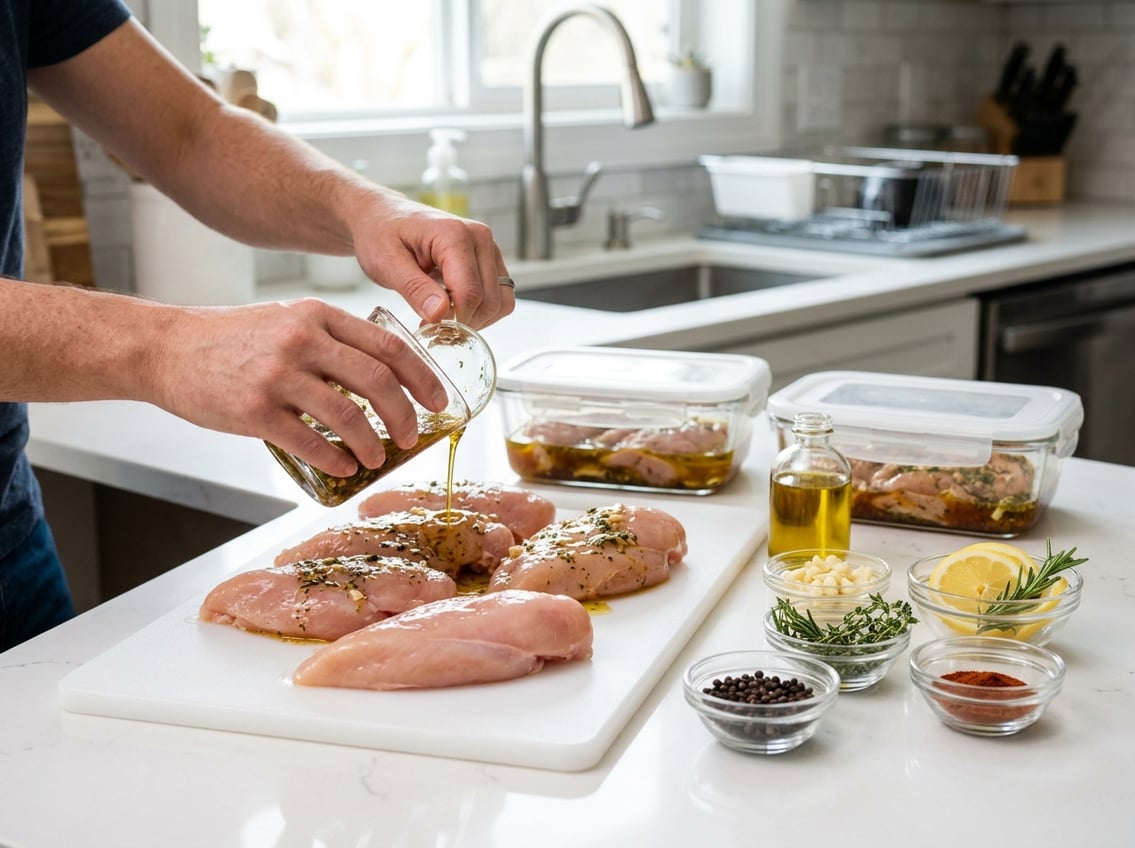
A good chicken marinade can save time during busy weeks if you plan ahead. Mix a base marinade recipe, portion it, and keep dinner moving with less effort.
Prep is where food safety matters most. Handle raw chicken and marinade carefully so your chicken recipe stays safe and keeps a good texture.
Make-Ahead Tips for Busy Weeknights
Mix the marinade ingredients ahead of time and store them in the fridge for a few days if the recipe allows it. Add the chicken when you are ready and let it marinate while you make sides or prep vegetables.
If you use the same marinade recipes often, write down what worked best. That makes it easier to repeat a chicken breast marinade that fits your taste and schedule.
How to Freeze Marinated Chicken Without Losing Texture
You can freeze marinated chicken in a freezer bag or airtight container, then thaw it in the refrigerator before cooking. This method works well when you want to freeze marinated chicken for later meal prep.
Keep the marinade balanced and avoid too much citrus if the chicken will freeze for a long time. Freezing slows everything down, but strong acid can still affect texture after thawing.
How to Scale One Base Marinade Into Multiple Variations
Start with one base made from oil, salt, pepper, and a mild acid. Change the herbs, citrus, or spices to create new flavors without making a second full marinade recipe.
Add oregano and lemon to a garlic herb base to make it Greek. Use cumin and cilantro with lime for a different twist.


