
Are Chicken Breast Tenders the Same as Tenderloins? Key Differences
Are chicken breast tenders the same as tenderloins? Not exactly.
People often mix up these terms in grocery stores and recipes. They can refer to different parts of the chicken or different ways of selling the meat.
If you want the right cut for cooking, remember that tenderloins are a specific muscle. “Tenders” can mean either that cut or a prepared product made from chicken breast.
That small language difference changes how you shop and cook.
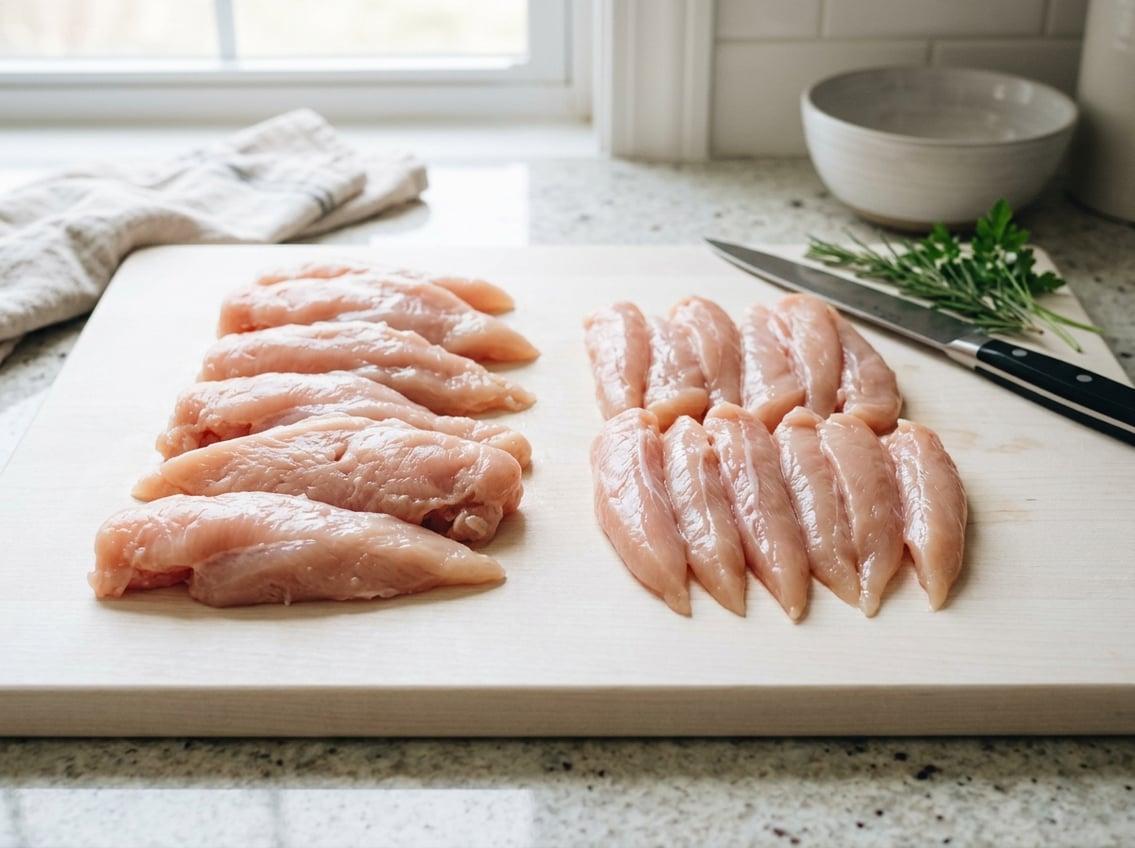
You will see all kinds of labels in the meat aisle, including chicken tender, chicken tenders, chicken tenderloin, and chicken tenderloins.
Knowing what each one means helps you pick the best cut for grilled chicken or fast weeknight meals.
What These Cuts Actually Are
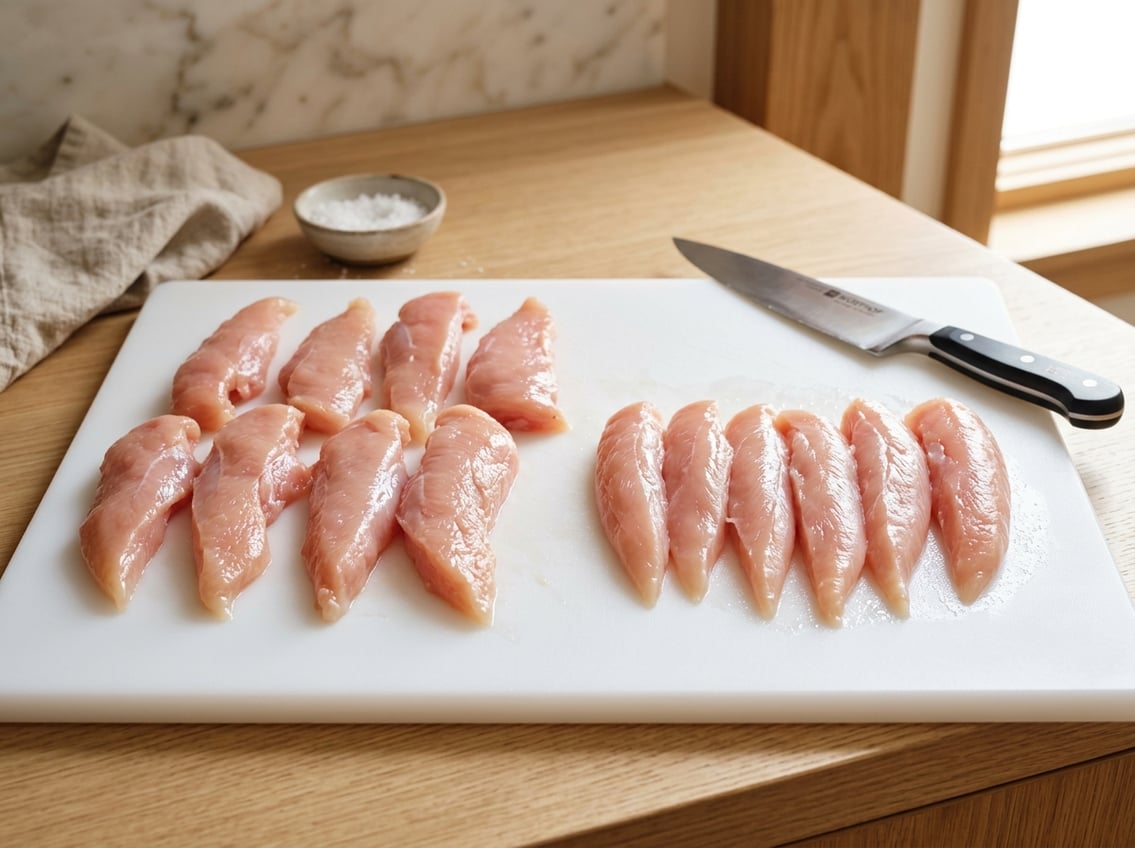
Chicken breast and chicken tenderloin both come from white meat. Both are lean.
Even so, they are not the same cut, and the muscle location matters.
The breast is the large muscle on the underside of the bird, called the pectoralis major. The tenderloin is a smaller strip of meat, attached beneath the breast and linked by a thin white tendon.
This is the pectoralis minor or a nearby minor pectoral muscle, depending on how the cut is described in store meat labeling. As Martha Stewart explains, the tenderloin sits under the breast against the rib bones.
Chicken Tenderloin as a Distinct Muscle
A chicken tenderloin is a specific strip of muscle, not a prepared product. It is small, narrow, and naturally tender.
Because it is attached to the breast, you may also see it sold as part of a skinless chicken breast package.
If the package says tenderloins, you are usually buying the small inner strip. If it says breast tenders, it may still be tenderloin meat, or it may be chicken breast sliced into strips.
How Chicken Breast Tenders Are Labeled in Stores
Store labels are not always consistent. Some retailers use chicken tenders to mean the tenderloin cut, while others use the word for boneless chicken breast strips.
The cut of chicken matters more than the name on the front of the package. If you want the smaller natural strip, check the package description and the shape of the pieces.
Tenderloins are usually thin and uniform. Breast strips are often wider, flatter, and cut by hand from larger chicken breasts.
Chicken Strips and Chicken Fingers Are Not the Same Cut
Chicken strips and chicken fingers are usually recipe terms, not precise butchery terms. They often refer to pieces of chicken breast that are cut into strips, then breaded, baked, or fried.
By contrast, chicken tenderloins are a raw cut. Chicken fingers can be made from tenderloins or from sliced breast meat.
If you are buying for a recipe, the label tells you less than the actual shape and cut of the meat.
Size, Texture, and Nutrition Differences
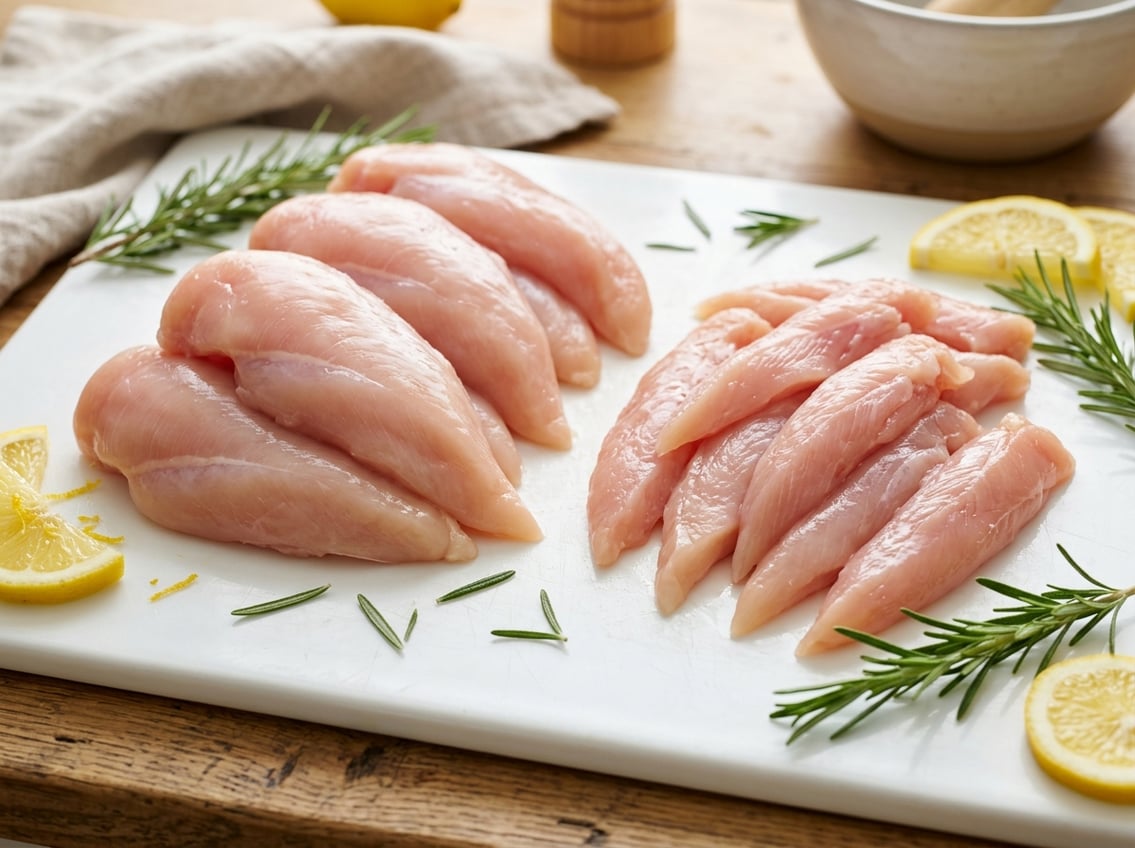
Size is the easiest way to tell these cuts apart. Chicken breast is larger and thicker, while chicken tenderloin is smaller, thinner, and more delicate.
Both cuts are lean protein. The main differences show up in cook time, texture, and how forgiving each cut is in the pan or oven.
How Size Affects Cook Time
Chicken tenderloins cook faster because they are smaller and thinner. Chicken breasts take longer because the meat is thicker and more uneven in shape.
That matters when you are cooking over high heat. A tenderloin can move from raw to done very quickly, while a chicken breast may need more time to cook through without drying out.
As noted by Martha Stewart’s chicken tenderloin guide, breasts are larger, thicker, and less delicate.
Flavor and Texture in Everyday Cooking
The flavor of chicken tenderloin is close to chicken breast. Texture is where you notice more change.
Tenderloins tend to feel a little softer and more delicate. Breasts are firmer and more substantial.
That makes tenderloins a good fit for quick meals. Chicken breasts work well when you want slices, cutlets, or a bigger center-of-plate portion.
Which Option Is the Leaner Protein
Both are lean, high-protein choices. Skinless chicken breast is often viewed as the classic lean protein option because it is widely available and easy to portion.
Chicken tenderloins are also lean, and the nutrition difference between the two is usually small. Your cooking method changes the final nutrition more than the cut itself, especially once you add breading, oil, or sauce.
Best Uses in the Kitchen

The best choice depends on speed, shape, and the finished dish you want. Tenderloins are ideal for fast cooking and easy portioning.
Chicken breasts give you more control for larger recipes.
For many culinary uses, you can swap them in similar dishes, especially when the meat is sliced or chopped.
When to Use Tenderloins for Fast Cooking
Use chicken tenderloins when you want quick results. They work well for chicken tenderloin recipes, skewers, simple sautés, and small pieces that need to cook evenly.
They are also a smart choice for chicken strips, chicken tenders, or chicken fingers because the shape already fits the dish.
As Martha Stewart notes, tenderloins are well suited to breading, frying, baking, searing, and grilling.
When Chicken Breast Works Better
Choose chicken breast when you need more meat in one piece. It is a better fit for grilled chicken, baked chicken, stuffed chicken, or sliced servings for salads and sandwiches.
Skinless chicken breast also gives you more flexibility if you want to cut your own strips. If tenderloins are not available, slicing chicken breasts into strips works well for many recipes.
How Marinating and Breading Change the Result
Marinating chicken improves tenderness and flavor, especially with chicken breast.
Chicken breast benefits from extra seasoning time because it is larger.
Breading changes the texture and the cooking style.
Cooks often use tenderloins or breast strips for breaded chicken tenders and breaded chicken strips, depending on the recipe.
The coating adds crunch and protects the meat during frying or baking.
Breading helps either cut taste more moist.


