
Where Does Costco Get Their Chicken Breasts? Sources Explained
Costco chicken breasts come from the same poultry system that supports its rotisserie chicken business. A large share of that system is tied to Fremont, Nebraska.
Most shoppers find that Costco’s chicken breasts, including Kirkland Signature options, are linked to Lincoln Premium Poultry and Costco’s vertically integrated supply chain.
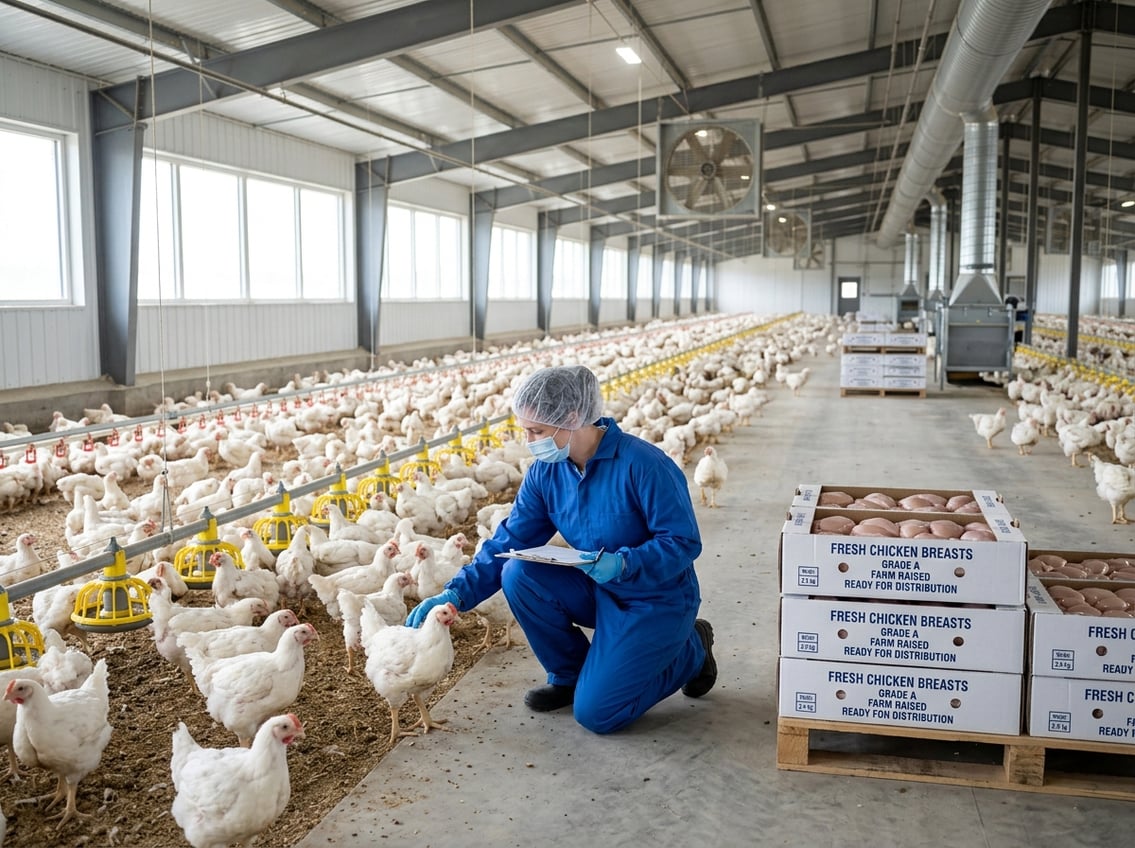
Costco built more control into its poultry operation than many other retailers. Instead of relying only on outside suppliers, Costco manages feed, raising, processing, and distribution through its Nebraska operation.
The answer to where Costco gets their chicken breasts depends on the specific product. The company has worked to pull more of its chicken business into one system.
Where Costco Chicken Breasts Come From
Lincoln Premium Poultry operates Costco’s poultry complex in Fremont, Nebraska. Costco built this plant so it could oversee more of the process itself.
The Fremont operation can handle up to 100 million chickens per year at full capacity. This scale supports both fresh chicken breasts and the chain’s rotisserie business.
Fremont, Nebraska’s Role in Costco’s Poultry Supply
Fremont serves as the center of Costco’s poultry setup in the U.S. The facility operates as a large, vertically integrated operation, so Costco manages many steps in one place.
The Nebraska plant helps with cost and consistency. It also reduces reliance on outside processors for chicken sold under Costco’s store brand.
What Lincoln Premium Poultry Does
Lincoln Premium Poultry raises and processes the birds for Costco. The operation includes feed mills, hatcheries, processing, and testing, which gives Costco more control over quality and supply.
This is a large industrial system designed to supply a high volume of chicken products, including breasts.
Do All Chicken Breasts Come From Costco’s System?
Not every chicken breast on every Costco shelf comes from exactly the same place. Costco has used a mix of sourcing, and the company’s poultry supply has evolved over time.
Costco has moved a major share of its chicken business into its Nebraska system. Lincoln Premium Poultry remains the most important source for Costco chicken breasts.
How Costco’s Poultry Supply Chain Works
Costco’s poultry supply chain supports both low prices and steady supply. It is closely connected to the company’s rotisserie chicken program.
The $4.99 chicken is part of a broader poultry model that needs a high volume of birds, consistent sizing, and efficient processing.
Why Costco Built Its Own Poultry System
Costco built its own poultry system to cut out middlemen and control more of the cost structure. This helped Costco keep prices low even when other retailers raised theirs.
That control also helps Costco manage bird size. Rotisserie chickens need to fit its equipment, so a dedicated system gives the company more flexibility.
Contract Growers and Processing Facilities
Lincoln Premium Poultry works with growers and processing facilities to keep the supply moving. This mix of owned infrastructure and contracted farming helps Costco scale up without running every stage on a small in-house farm.
The Nebraska operation handles very large demand. With Costco aiming at 100 million chickens per year, that kind of structure keeps stores stocked.
Chicken Breasts and Rotisserie Demand
Costco’s rotisserie chicken demand shapes the whole poultry system. The chain sold about 91 million rotisserie chickens in 2018, showing how much volume Costco needs.
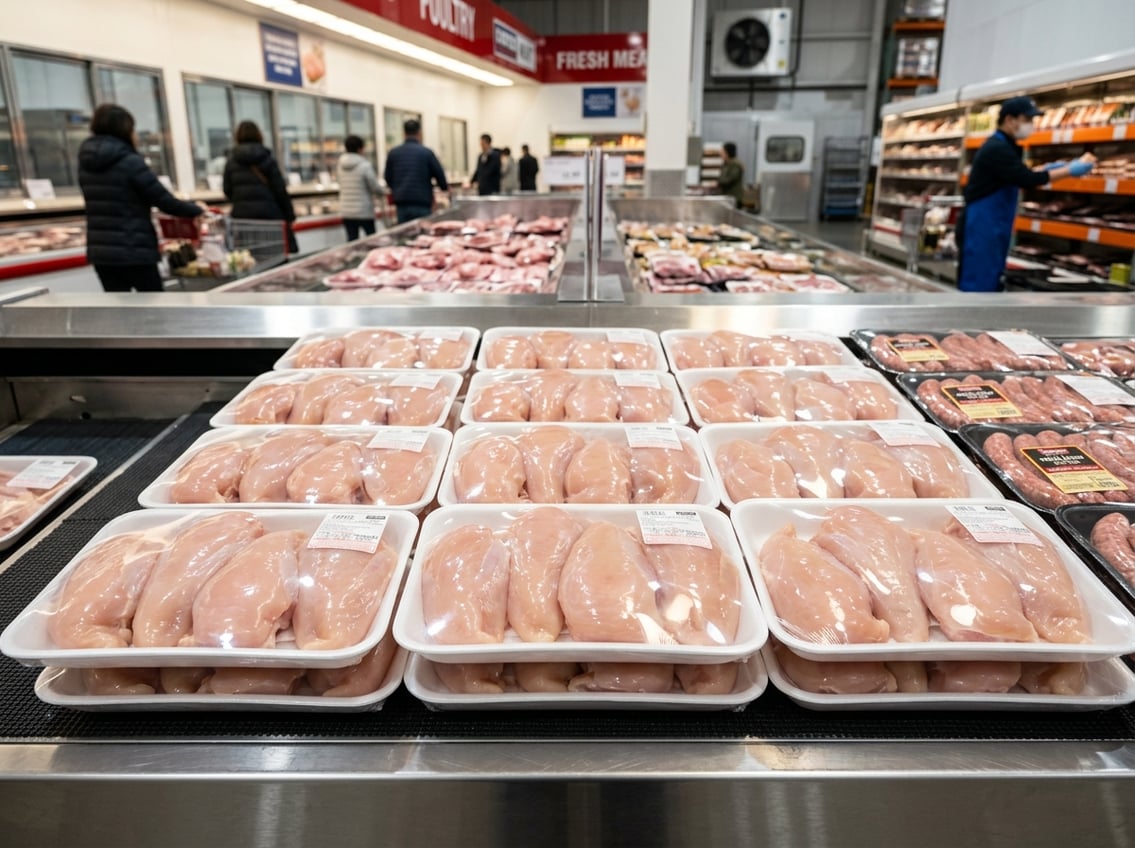
When Costco processes birds for rotisserie use, it also has other cuts to sell, including breasts for fresh and packaged meat cases.
Organic and Kirkland Signature Options
Costco’s organic chicken and Kirkland Signature chicken products follow the same broad poultry model, with extra rules for organic certification. If you buy organic, the label matters as much as the store brand.
You may see Kirkland Signature chicken breasts sold as conventional or organic products. The differences affect feed, animal care rules, and certification standards.
Where Kirkland Signature Organic Chicken Comes From
Costco’s organic chicken, including organic Kirkland Signature chicken, has been tied to the Fremont, Nebraska operation. Costco’s organic groceries page shows how broad its organic Kirkland Signature line is, even though not every item is chicken.
Organic chicken must meet USDA Organic rules. That means organic feed, no routine antibiotics, and outdoor access requirements.
How Organic Products Differ From Conventional Chicken Breasts
Organic Kirkland Signature chicken breasts must follow stricter feed and living standards. Conventional products do not have to meet those organic rules.
The texture, price, and packaging can also differ. If you want organic chicken, the package should clearly say USDA Organic or Kirkland Signature Organic Chicken.
Labels You May See In-Store
Labels may include Kirkland Signature chicken, Kirkland Signature organic chicken, and organic Kirkland Signature chicken. The exact wording matters.
A plain Kirkland Signature label usually means a conventional product. An organic label should include USDA Organic certification language if it meets that standard.
Quality, Welfare, and Concerns
Costco says it uses animal welfare standards in its poultry system. The company has taken steps that go beyond basic industry practice.
Some shoppers still look closely at food safety, texture, and criticism around large-scale poultry production. The Nebraska operation gives Costco more control while also placing more responsibility on one system.
Animal Welfare Standards
Costco says its poultry program follows animal welfare expectations, including audit programs and welfare policies. Costco uses the Five Freedoms framework in its poultry policies.
That does not remove all concern, but it shows that Costco has put formal standards into the operation.
Controlled Atmosphere Stunning and Stocking Density
Costco’s Fremont plant uses controlled atmosphere stunning and limited stocking density. These practices are meant to reduce stress and give birds more space.
Controlled atmosphere stunning is a processing method used before slaughter. Limited stocking density means fewer birds in a given space, which can improve welfare conditions.
Why Some Shoppers Also Look Into Safety and Criticism
Some shoppers pay attention to food safety and packaging quality. They also read reports about poultry operations tied to Lincoln Premium Poultry.
Concerns about salmonella and production practices continue in the industry.
Many Costco shoppers check both the label and the farm system behind it.
If you want to know where Costco gets its chicken breasts, the answer involves how Costco manages quality, scale, and oversight.


