
Why Chicken Breast So Big: What’s Really Behind It
The reason chicken breast is so big is mostly simple. Modern meat chickens grow fast and put more of that growth into breast muscle.
That change comes from selective breeding and better feed. Controlled housing and years of poultry production focused on yield also play a role.
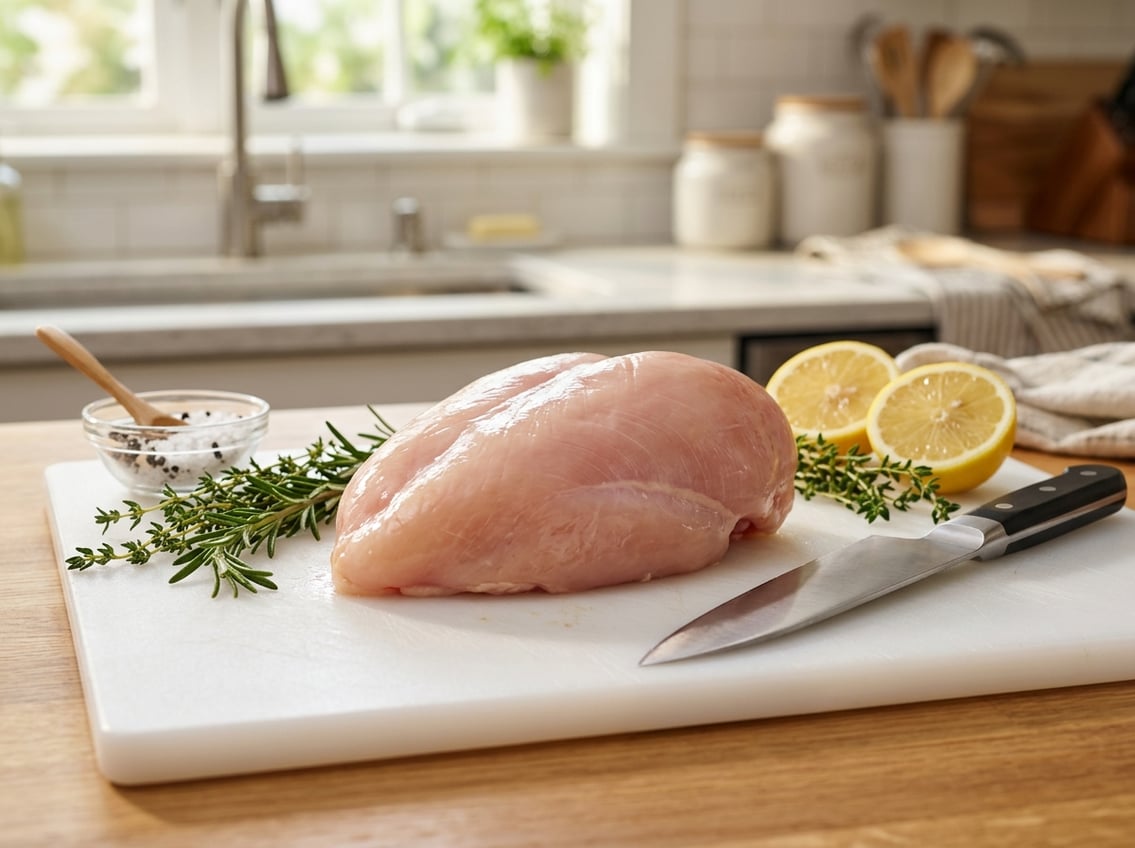
If your chicken breast looks much larger than the one you remember from years ago, breeding and farming choices usually cause that, not hormones or injections. U.S. grocery stores mostly sell broilers, which farmers raise for meat rather than eggs.
According to Mississippi State Extension, breeders select broilers to produce a large amount of meat in a short amount of time. That is why the modern chicken breast can look oversized compared with older breeds and backyard birds.
The change is real and tied to how broiler chickens are selected, raised, and marketed.
The Main Reason Breasts Are Larger Today
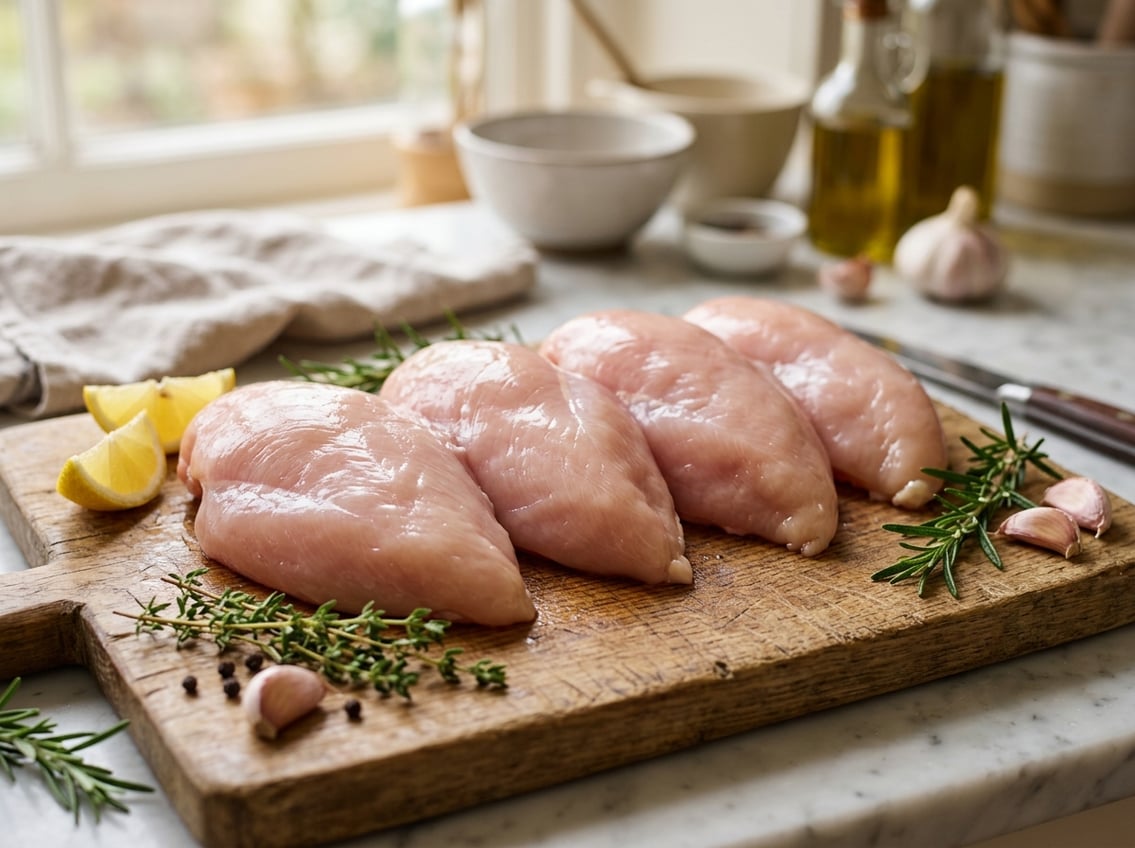
Breeders have spent decades selecting broiler chicken lines that grow more breast meat. Birds that turn feed into a bigger breast faster are most likely used for meat production.
The breast is the main muscle that poultry producers have targeted for size. That focus has changed the shape of broilers more than almost anything else.
Selective Breeding for More Breast Meat
Selective breeding means choosing parent birds with traits that perform well in production. In broiler chickens, those traits include fast growth, feed efficiency, and a larger breast.
Older breeds, including birds like the Brahma chicken, were larger in a different way. They had more balanced body growth and less emphasis on breast size.
How Broiler Genetics Changed Over Time
The poultry industry wanted birds that mature faster and yield more saleable meat, so broiler genetics changed. As companies kept selecting the best-performing birds, the body shape changed along with the growth rate.
Today’s broilers look different from older farm chickens. The breast became a bigger share of the bird, which makes it more valuable for processors and more familiar to shoppers.
Why Broilers Grow Faster Than Older Breeds
Older breeds did not reach market weight quickly. Modern broiler chicken lines are built for rapid growth and convert feed into meat much more efficiently.
That speed helps keep chicken affordable. It also explains why the breast area often looks much larger than the legs or wings on the same bird.
What Makes Modern Birds Grow So Efficiently
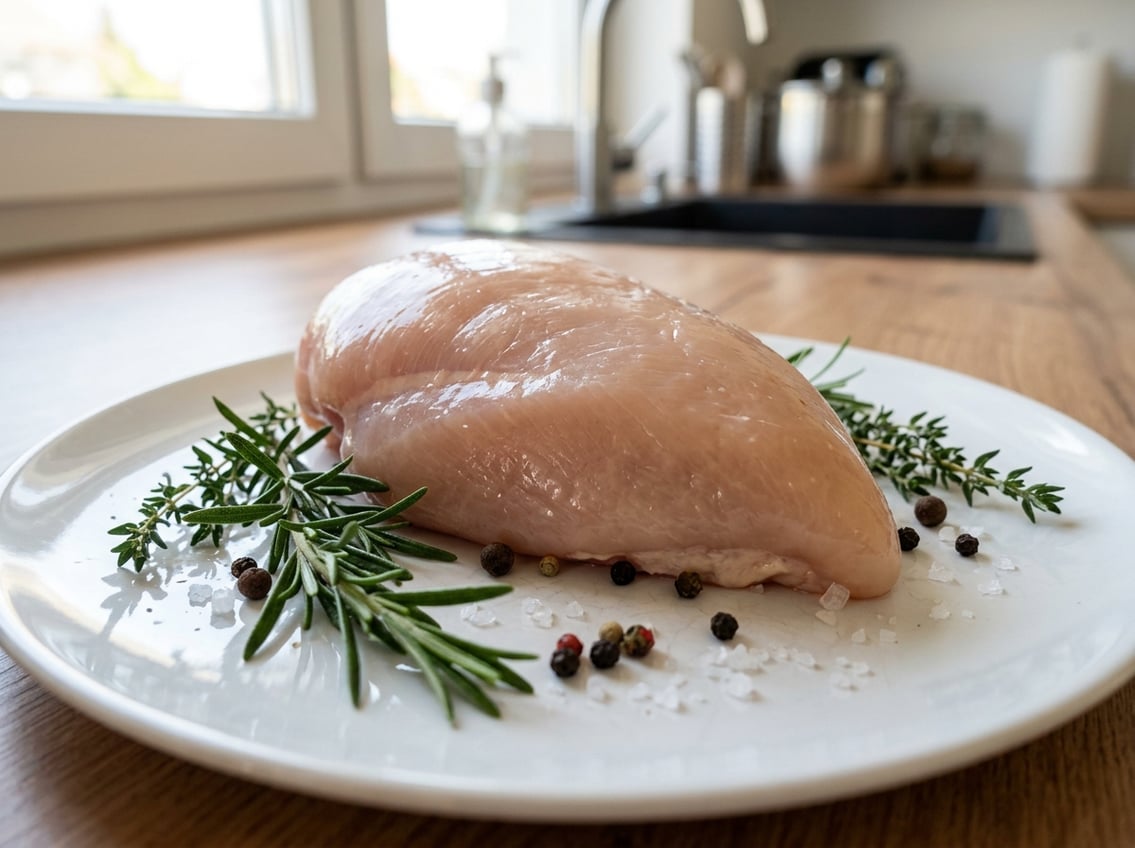
Genetics are not the only factor in breast size. Feed quality, housing, and health management all help modern birds grow into larger, more uniform chicken breasts.
Consumer demand plays a part as well. When shoppers buy more breast meat than whole birds, producers keep selecting for that cut.
Feed, Protein, and Muscle Development
Farmers feed broiler chickens diets designed for fast muscle growth. Those diets are carefully balanced so the birds get enough energy and protein to build breast meat efficiently.
A bird that eats the right feed at the right time can grow faster and stay more uniform. That is one reason large chicken breasts are so common in U.S. stores.
Barn Conditions, Health Management, and Growth
Modern poultry barns help birds grow with less stress. Temperature control, clean bedding, and disease prevention support steady weight gain.
When birds stay healthy, more of their energy goes into growth instead of fighting illness. That contributes to the size and consistency you see in the meat case.
Why Consumer Demand Favors Bigger Portions
Many U.S. shoppers want boneless, skinless chicken breasts because they are easy to cook and fit many meal plans. Producers respond by raising birds that yield more of that cut.
That demand pushes the industry toward larger breasts and faster-growing broiler chickens. Smaller or older-style birds are less common in regular grocery stores.
Hormones, Injection Claims, and Other Myths
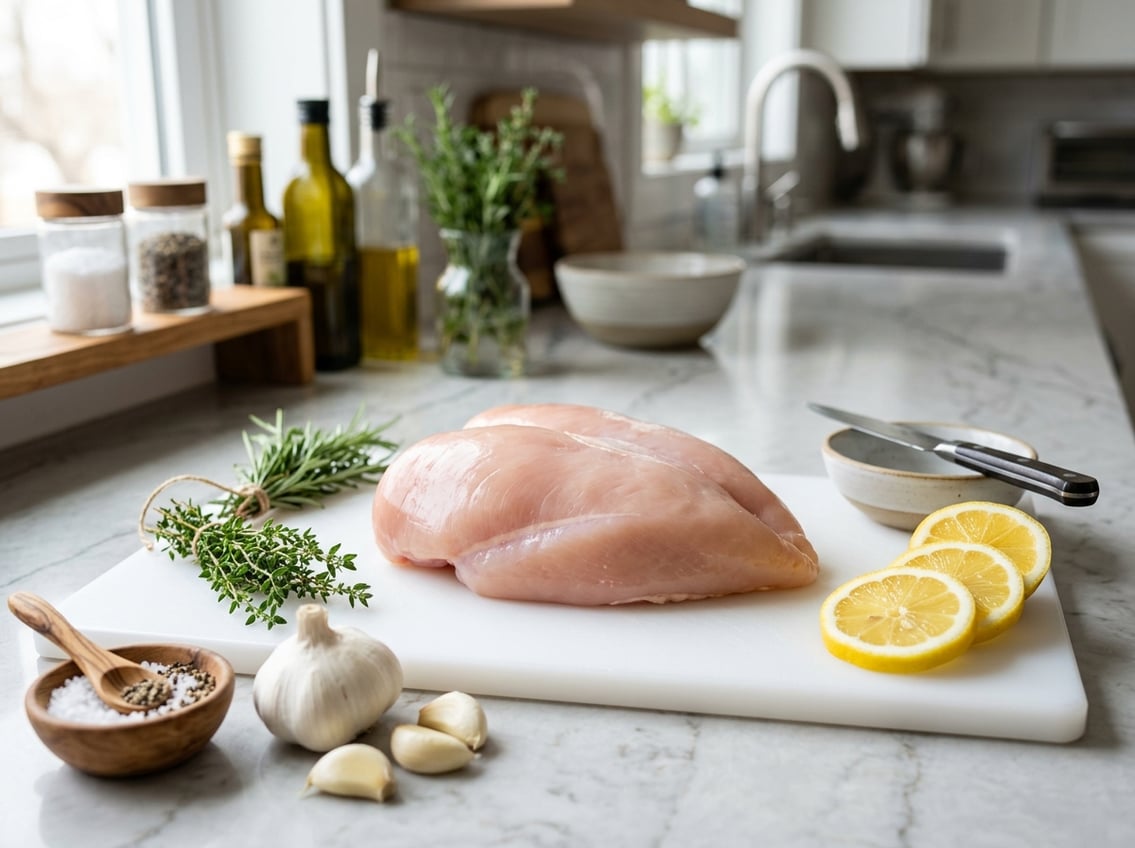
Many people assume large chicken breasts must come from hormones, but breeding, feed, and management are the real drivers. Federal and industry explanations point out that producers do not use hormones in poultry meat production.
Are Chickens Injected With Hormones?
Chickens are not injected with hormones to make them grow bigger. Hormone use is not part of standard U.S. poultry production.
UAEX’s poultry hormone publication explains that production methods, not hormone treatment, are responsible for the size. The myth does not fit the industry.
Are Chickens Injected at All?
Commercial broiler producers do not routinely inject chickens with growth hormones. The idea does not match how poultry is raised in the United States.
Genetics and feeding systems, not injections, cause large chicken breasts.
Hormones in Chicken vs. Legal Reality
People often ask about hormones in chicken, but U.S. law does not allow growth hormones in poultry meat production, as noted in a review on science-based reasons hormones are not used in poultry.
The larger size of modern broilers comes from breeding and management, not hormone implants or hormone feed additives.
Do Growth Hormones in Chicken Affect Humans?
Since growth hormones are not used in chicken production, the direct health concern does not apply to ordinary U.S. chicken meat. Your real food-safety concerns are better focused on handling, cooking, and storage.
What Bigger Breasts Mean for Quality and Nutrition
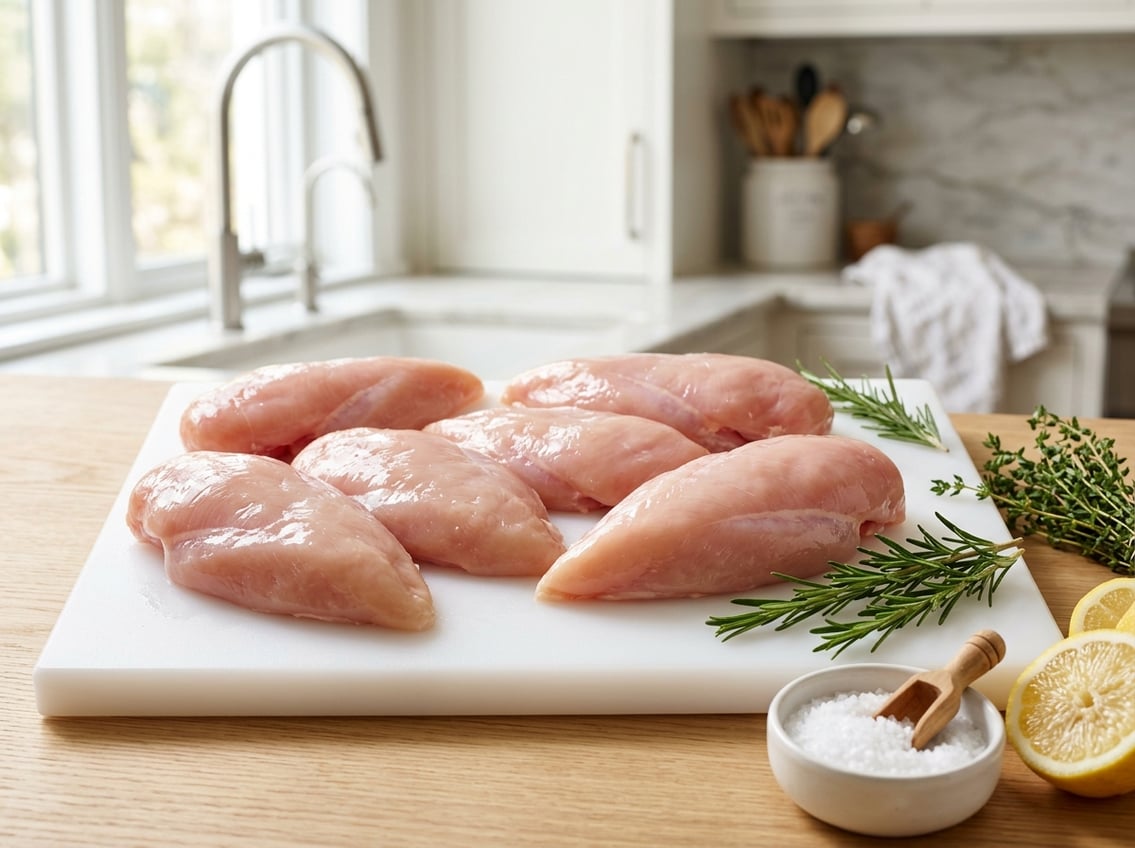
Bigger chicken breasts are not automatically better. Size can affect texture, moisture, and how the meat cooks.
Chicken breast remains a lean protein. You should watch for quality changes that come with very fast growth.
Woody Breast and Woody Chicken Breast Explained
Woody breast is a texture problem seen in some large broiler chickens. The meat can feel firm, rubbery, or grainy, and it may not cook as evenly.
Faster growth can sometimes create texture issues that affect the eating experience.
Are Large Chicken Breasts Healthy?
Chicken breasts are lean and high in protein. Large cuts can fit a balanced diet just as smaller ones can.
The main issue is not nutrition alone. Portion size, cooking quality, and texture problems from rapid growth also matter.
How to Shop for Better-Quality Cuts
Look for chicken breasts that are evenly shaped and pale pink. Make sure they feel free from strange firmness.
Buy smaller cuts or trim large breasts into cutlets for more even cooking. Choose air-chilled, local, or pasture-raised chicken to get a different texture and size profile than standard grocery store broilers.


