
Does Chicken Breast Have Protein? Nutrition and Serving Guide
You may ask, does chicken breast have protein, and the answer is yes. Chicken breast is one of the most reliable high-protein foods you can eat.
It is also one of the leanest. That makes it useful when you want more protein in chicken without adding much fat or carbohydrate.
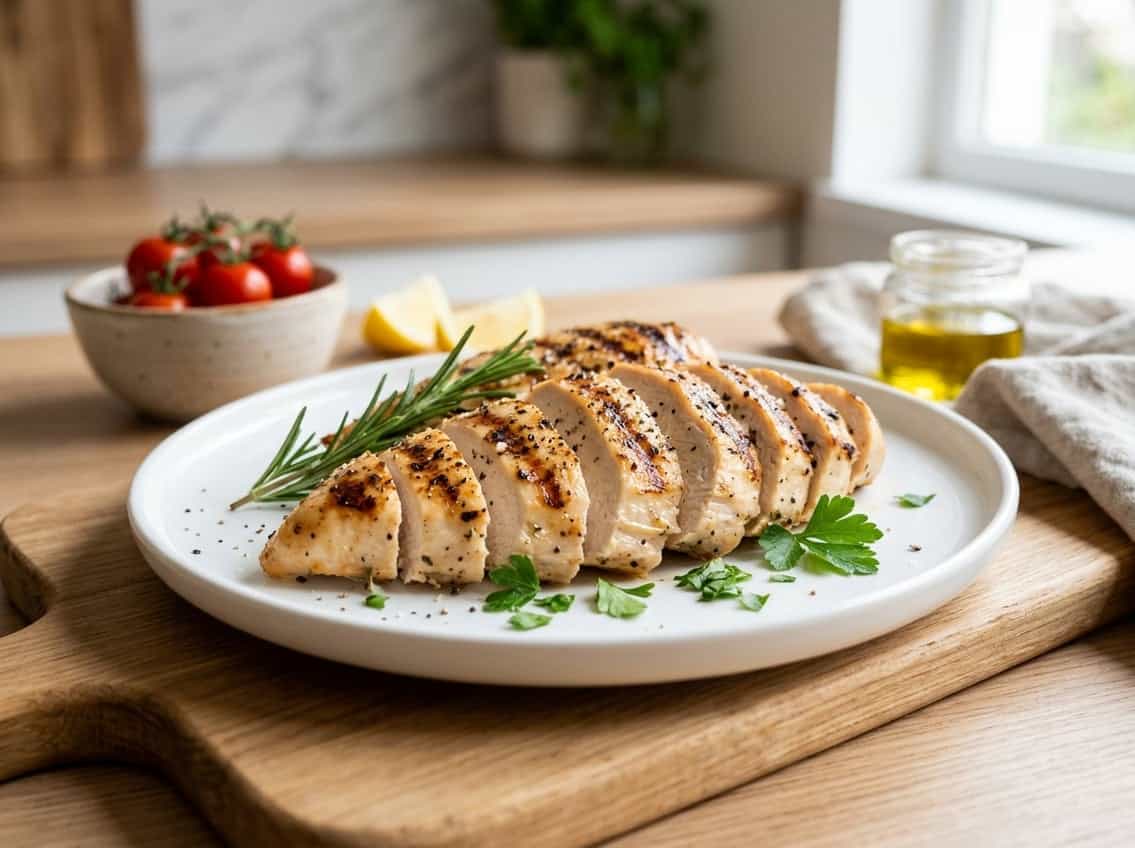
Chicken breast gives you a large amount of protein in a small serving. This makes it an easy fit for weight control, muscle repair, and high-protein meal plans.
The exact amount depends on the size of the piece, whether the chicken is raw or cooked, and whether it has skin or bones attached. Most people use a cooked, skinless chicken breast as the standard reference point for lean protein when tracking macros.
How Much Protein Chicken Breast Provides
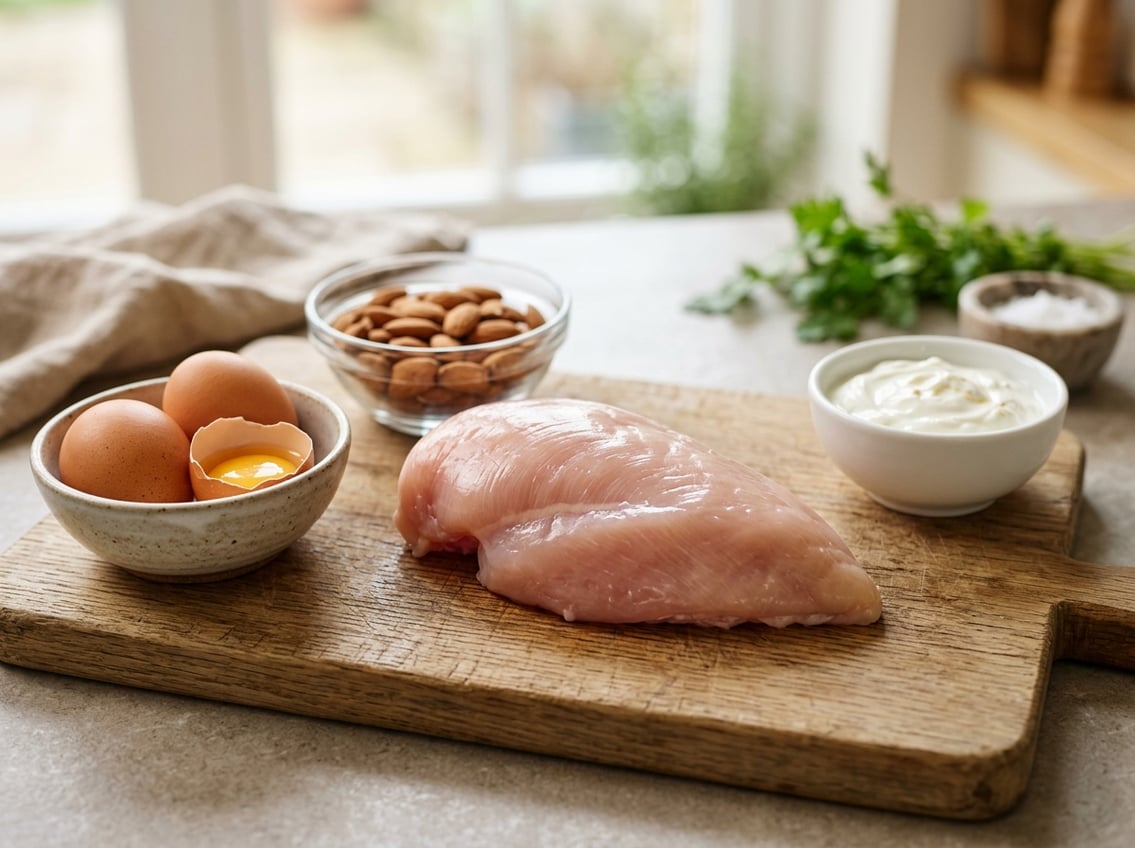
Chicken breast is one of the most protein-dense foods you can choose, especially compared with many other common meals. For accurate tracking, it helps to think in grams and cooked portions.
Size can vary a lot from one breast to the next. Measuring by weight gives you the best estimate.
Protein Per 100 Grams
A cooked, skinless chicken breast provides about 31 to 32 grams of protein per 100 grams, according to a medical review of chicken breast protein. That is a strong amount for a food that is also low in fat.
Raw chicken breast has less protein per 100 grams because it still holds more water. Cooking concentrates the protein as the water cooks off.
Protein in a 3-Ounce Serving
A 3-ounce cooked serving of chicken breast gives you about 26 grams of protein. This is close to the classic “deck of cards” portion size many dietitians use.
That amount works well for a single meal if you want a solid protein base without a very large portion. It is also easy to pair with vegetables, grains, or potatoes.
Protein in a Full Breast
A full chicken breast can vary a lot in size, so the protein count changes with the weight. A standard cooked chicken breast, around 172 grams, contains about 54 grams of protein.
Larger breasts can give you much more, which is why weighing your food is the most reliable method.
What Changes the Protein Count
Cooking does not remove protein from chicken breast, but the number on the scale can change. Water loss, skin, and bones all affect how much protein you get per ounce or per gram.
Raw vs Cooked Weight
Raw chicken breast weighs more because it holds more water. After you cook it, the same piece weighs less, so the protein looks higher per gram even though the total protein stays about the same.
If you log food by raw weight, use raw nutrition values. If you log by cooked weight, use cooked values to keep your numbers accurate.
Skin-On vs Skinless Cuts
Skinless chicken breast is the leanest option and the easiest choice for tracking lean protein. Skin adds fat and calories, which lowers the protein-to-calorie ratio.
Skin-on chicken breast still has protein, just with more calories coming from fat. If your goal is a lighter meal, skinless cuts are the better fit.
Bone-In vs Boneless Portions
Bone-in chicken breast includes parts you do not eat, so the edible portion is smaller than the listed weight. That means the protein count per ounce of the packaged piece is lower than a boneless breast of the same size.
Boneless chicken breast is simpler for meal prep and macro tracking. You get more predictable protein per serving, with less waste to account for.
How It Compares With Other Chicken Cuts

Chicken breast is usually the top choice when you want the most protein with the least fat. Other cuts provide useful protein sources, but they tend to come with more fat or fewer grams of protein per calorie.
Breast vs Thigh
Chicken breast usually gives you more protein and less fat than chicken thigh. Thigh meat tastes richer, but it is not as lean.
If your goal is protein density, breast is the better pick. If you want more flavor and a little more fat, thigh can still fit into a balanced diet.
Breast vs Drumstick and Wings
Drumsticks and wings contain protein, but they have less protein per calorie than chicken breast. They also tend to have more skin and more fat, especially when cooked with the skin on.
That makes them less efficient for lean meal plans. They can still work well when taste matters more than strict macro targets.
Best Choice for Protein Per Calorie
For most people, chicken breast is the best choice for protein per calorie. It gives you a high amount of protein with very little fat when skinless and boneless.
A recent guide comparing protein in chicken by cut shows that breast is typically the leanest cut. If you want the most protein with fewer calories, it is usually the easiest option.
Who Benefits Most From Eating It

Chicken breast fits many eating styles, especially when you want high protein without a heavy meal. It is useful for calorie control, exercise recovery, and simple meal prep.
Weight Loss and Calorie Control
If you are trying to lose weight, skinless chicken breast can help you stay full while keeping calories in check. Lean protein often works well in weight-loss meals because it supports fullness better than low-protein foods.
You can build a plate around chicken breast, vegetables, and a moderate side of carbs. That gives you a filling meal without a large calorie load.
Muscle Building and Recovery
If you lift weights or train hard, chicken breast is a dependable protein source for recovery. A meal with about 25 to 40 grams of protein is a common target after training, and chicken breast fits that range easily.
It also works well in larger portions when your protein needs are higher. That is one reason it stays popular in sports nutrition and fitness meal plans.
Easy Ways to Add It to Meals
Add chicken breast to salads, rice bowls, wraps, soups, and pasta dishes. You can also use it for meal prep because it reheats easily and keeps its texture in many recipes.
For simple cooking, season chicken breast with salt, pepper, garlic, and herbs. Then bake, grill, or pan-sear it.
Pair it with high-fiber sides for a balanced meal. This makes it easy to repeat during the week.


