
Why Is Chicken Breast So Expensive? Key Cost Drivers
Chicken breast costs more because high demand, limited supply, and higher handling costs all play a role. In the U.S. market, you pay more for chicken breast not just because of what it is, but because the industry processes, packages, and sells it in a way that adds expense.
White meat carries a premium because many shoppers want lean protein in a convenient form. The supply chain works harder to deliver it.
When chicken breast prices rise, production costs, market competition, and short-term shocks usually cause the increase.
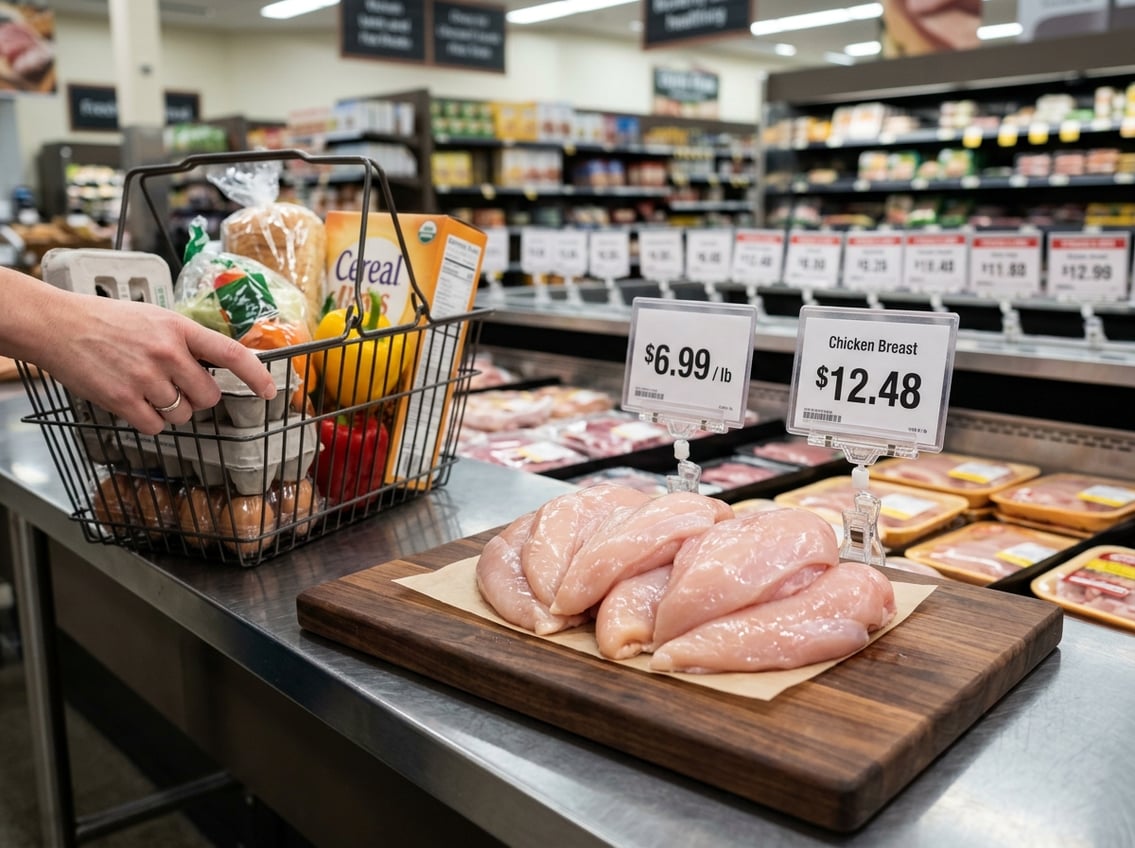
Why Breast Meat Commands a Premium

Chicken breast gets priced as a premium cut because it matches what many shoppers want most: lean protein, easy cooking, and a mild flavor. That preference pushes the price of chicken breast higher than less popular parts of the bird.
The market favors convenience. Boneless, skinless chicken breast is ready for fast meals, making it especially attractive in grocery stores and food service.
High Demand for Lean, Convenient Cuts
Chicken breasts are popular because they are easy to season, grill, bake, and meal prep. Many shoppers choose them for nutrition goals since they are a common source of lean protein.
That steady demand gives retailers room to keep chicken breast prices above other cuts.
Limited Yield From Each Bird
A chicken produces only a limited share of breast meat compared with its full weight. The rest of the bird is made up of legs, wings, and other parts.
Strong demand chases a smaller amount of breast meat. Even if total chicken production stays high, the supply of usable breast meat remains constrained.
Why White Meat Has Historically Led the Market
The U.S. chicken industry has long marketed white meat as the healthier, more versatile option. That history shaped buyer habits and grocery merchandising.
Chicken breast often becomes the default choice for consumers who want familiar, lean protein.
Production and Supply Chain Costs

Raising chickens is only the first step. By the time chicken breast reaches your cart, the product has gone through labor-heavy processing, trimming, packaging, and transport.
These added steps raise chicken breast prices. Chicken costs are tied to feed, labor, transportation, and broader production pressures in the chicken market.
Feed, Labor, and the Cost of Raising Chickens
Feed is one of the largest expenses in poultry farming. When grain and other input costs rise, the cost of raising chickens goes up.
Labor matters at the farm and plant level. Workers manage flocks, maintain facilities, and keep production moving, which adds to the final chicken breast price.
Deboning, Trimming, and Packaging Expenses
Chicken breast is usually sold in a trimmed, ready-to-cook form. Extra labor is needed to remove bones, skin, and excess fat.
Packaging adds another cost layer. Individually packed breasts, sealed trays, and branded labels all increase the price compared with less processed chicken parts.
Supply Chain Disruptions and Transportation Pressure
Supply chain disruptions can raise the cost of getting chicken breast from plant to store. Fuel costs, truck shortages, and processing slowdowns all affect what you pay.
When the chicken industry faces delays, chicken breast prices often react faster than prices for simpler products.
How Market Trends Change What Shoppers Pay
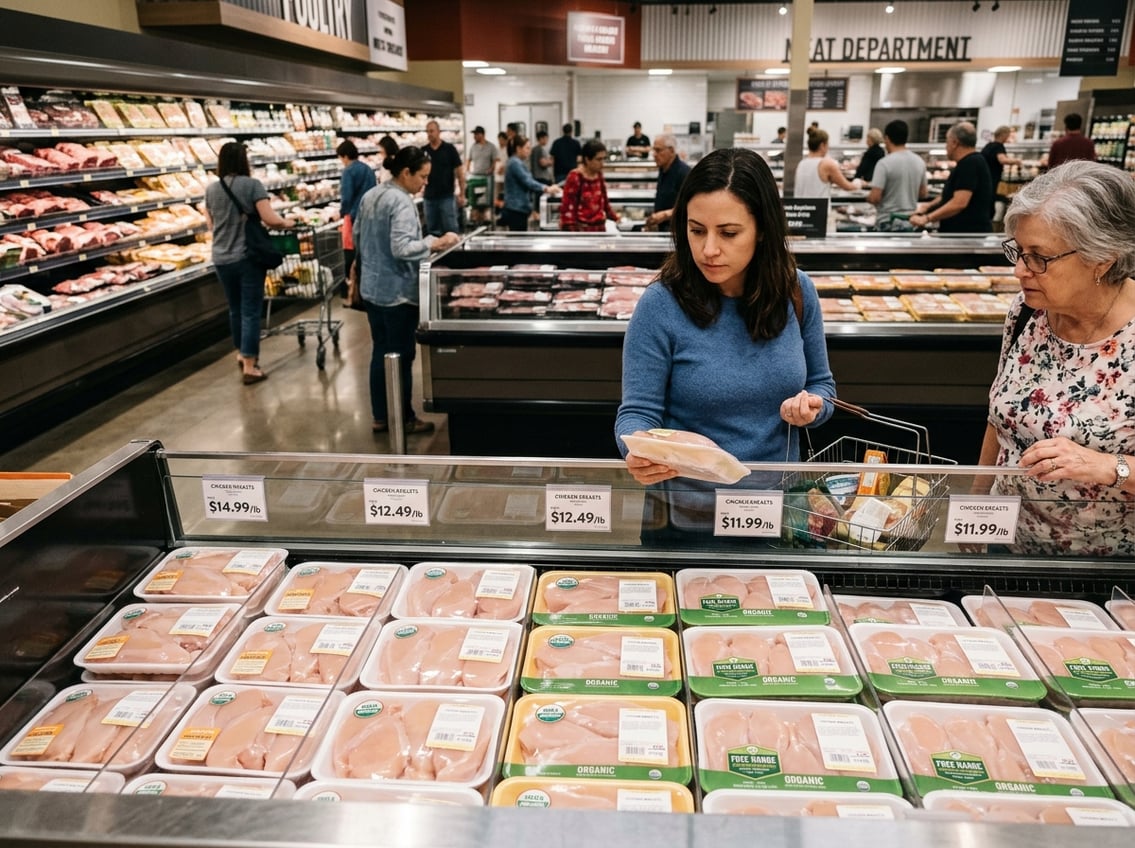
Your grocery bill reflects more than production costs. Restaurant demand, seasonal buying habits, disease risk, and fast changes in the chicken industry all play a role.
These shifts can push white meat prices up or down in a short time.
Restaurant Demand and Prepared Food Competition
Restaurants, meal kits, and deli counters all compete for the same chicken breast supply you see in stores. When food service demand rises, grocery buyers may face tighter availability.
Prepared food demand favors breast meat because it is easy to portion and sell. That competition can raise chicken breast prices in retail aisles.
Seasonality, Disease Risk, and Short-Term Price Swings
Chicken prices often move with the season. Summer grilling, holidays, and back-to-school meal planning can all change buying patterns.
The U.S. poultry market can tighten quickly when disease outbreaks disrupt flocks or processing, which may cause short-term price swings in chicken breast prices.
Why Chicken Thighs Are No Longer Always the Cheaper Option
Chicken thighs used to be the budget pick in many stores. That is still common, but the gap is not always as wide as it once was.
More buyers now want thighs for flavor and value, so demand has increased. When that happens, the industry can push thigh prices closer to breast prices.
Lower-Cost Alternatives and Smarter Buying Choices
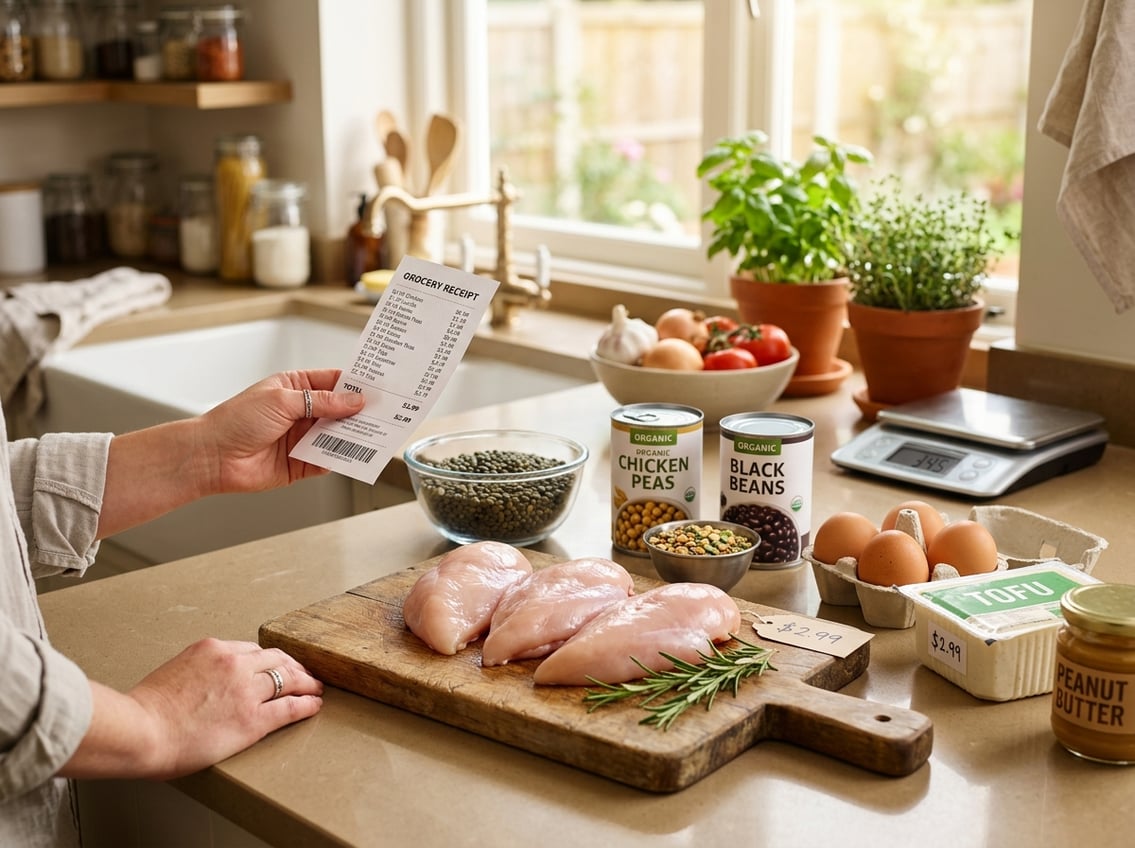
You can often spend less by choosing a different cut or buying in a different form. The best value depends on how much meat you actually use and how you cook.
A quick price check can help you avoid paying extra for convenience you do not need. It also makes it easier to compare chicken breasts with other lean protein choices.
When Chicken Thighs or Whole Birds Offer Better Value
Chicken thighs usually cost less per pound than chicken breast, and they stay juicy in many recipes. Whole birds can also offer better value if you are comfortable breaking them down yourself.
If you want breast meat, buying a whole chicken and using the breast plus other parts can stretch your food budget.
How to Compare Cost Per Pound Versus Usable Meat
Shelf price alone can be misleading. A boneless, skinless pack may seem easy to compare, but a bone-in cut can have less usable meat after cooking.
Divide the price by the amount of usable meat, not just the package weight. That gives you a more accurate picture of chicken breast prices versus other cuts.
Alternative Protein Sources to Consider
If chicken breast stays too expensive, you may find other proteins that fit your budget better.
Eggs, tofu, beans, lentils, canned fish, and ground turkey can all provide useful protein at a lower cost.
Your best choice depends on your meal plan and nutrition goals.
If you want lean protein without paying a premium, try rotating other options to reduce your weekly grocery total.


