
Is the Chicken Breast Healthy and Worth Choosing?
Chicken breast is a common choice when you want a lean, high-protein meat that fits many meals. You can use it for simple dinners, meal prep, and lighter recipes when you cook it with care.
If you want a cut of chicken that is easy to season, quick to cook, and lower in fat than many other parts of the bird, chicken breast is usually a smart pick.
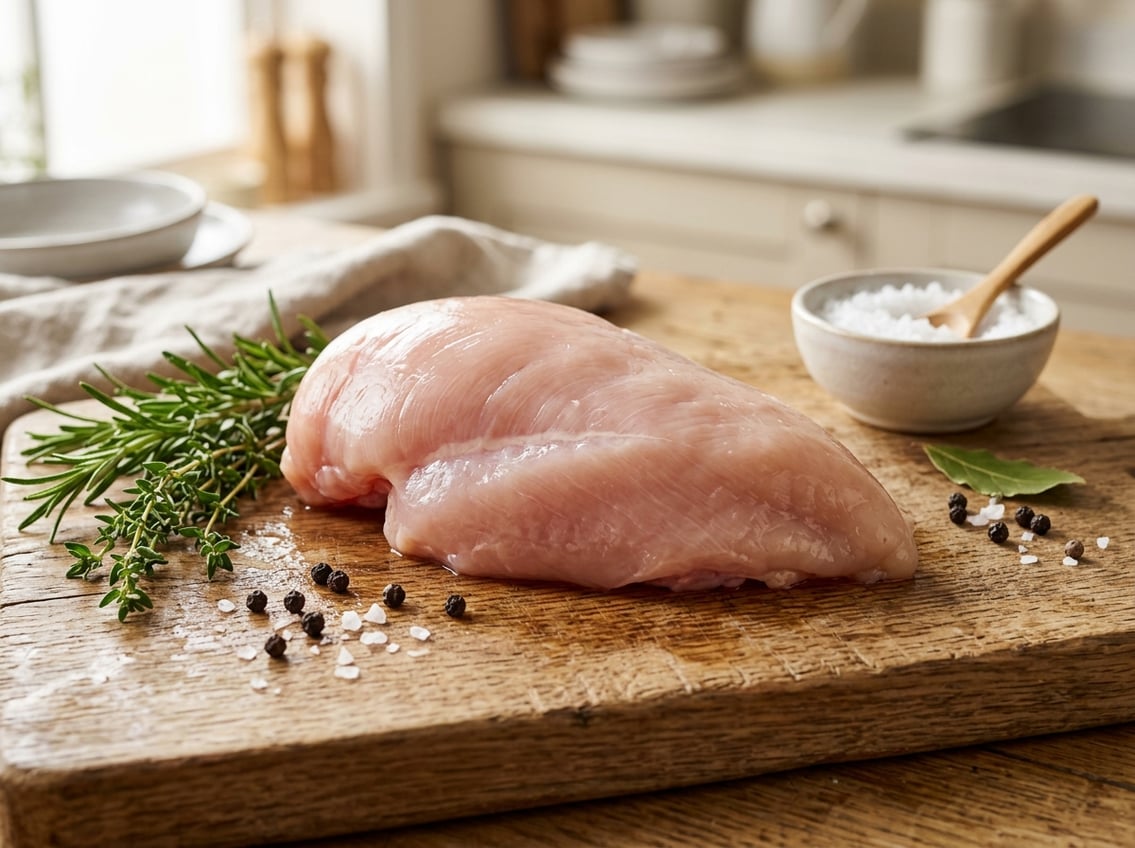
Chicken breast is one of the most versatile cuts of poultry. If you overcook it, the meat can turn dry, so you get the best results with good timing and the right method.
Nutrition and Health Profile
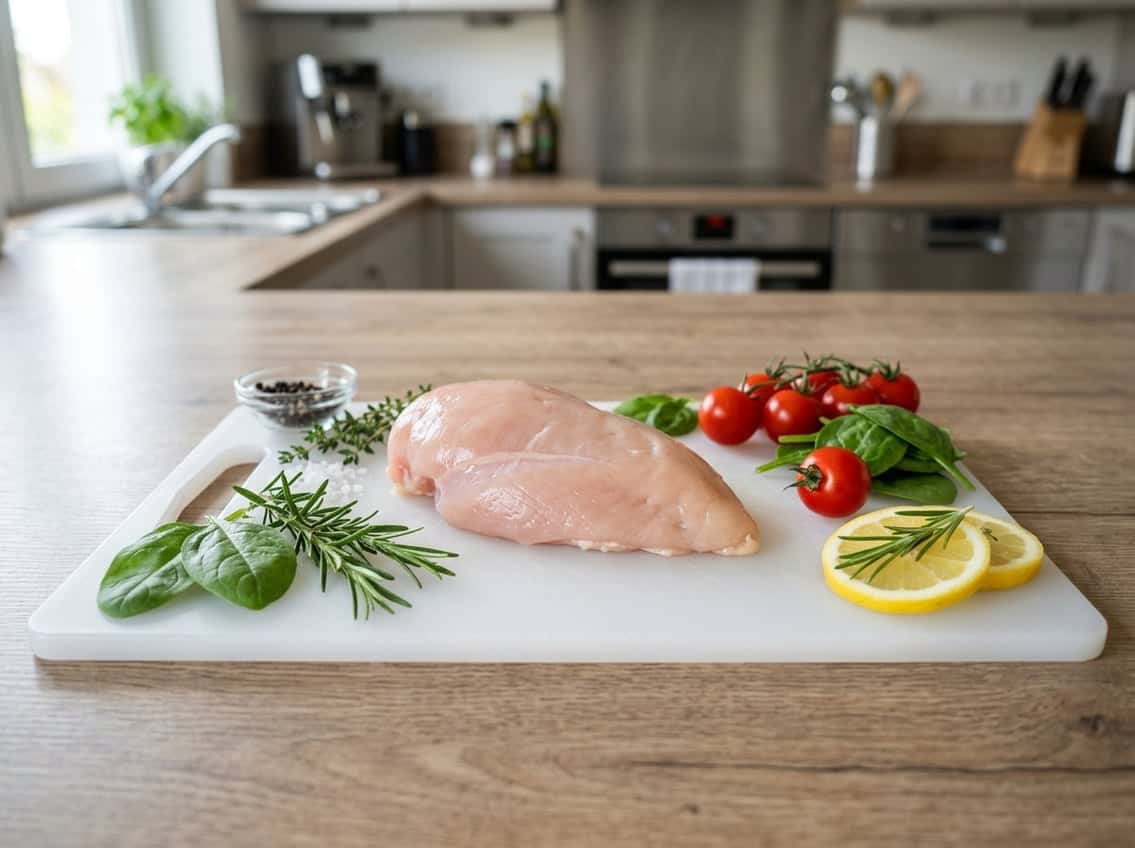
Chicken breast is lean, high in protein, and fits into many eating patterns. It offers a filling main dish without much added fat.
Protein, Calories, and Fat Content
Chicken breast offers a high protein content. A raw, skinless breast fillet has about 142 calories and is mostly protein, according to Eat This Much.
That makes it useful for muscle repair, satiety, and meal planning. The exact numbers change with size and cooking method.
You can buy boneless chicken breast as one of the leanest forms, as the National 4-H Poultry and Egg parts guide notes.
Chicken Breast vs. Chicken Thigh
Chicken breast is leaner than chicken thigh. Thigh meat has more fat, which can make it juicier and richer in flavor.
If you want a lower-fat cut, choose breast. If you want more flavor and a softer texture, thigh can be a better fit for some chicken recipes.
How Cooking Method Changes Nutrition
How you cook chicken matters as much as the cut. Baking, grilling, and roasting usually use less added fat than frying.
Grilling and roasting help keep the lean profile intact. Frying adds breading and oil, which increase calories and fat.
When you cook with certain oils, polyunsaturated fat can rise, so the cooking fat matters too.
Best Ways to Cook It Well
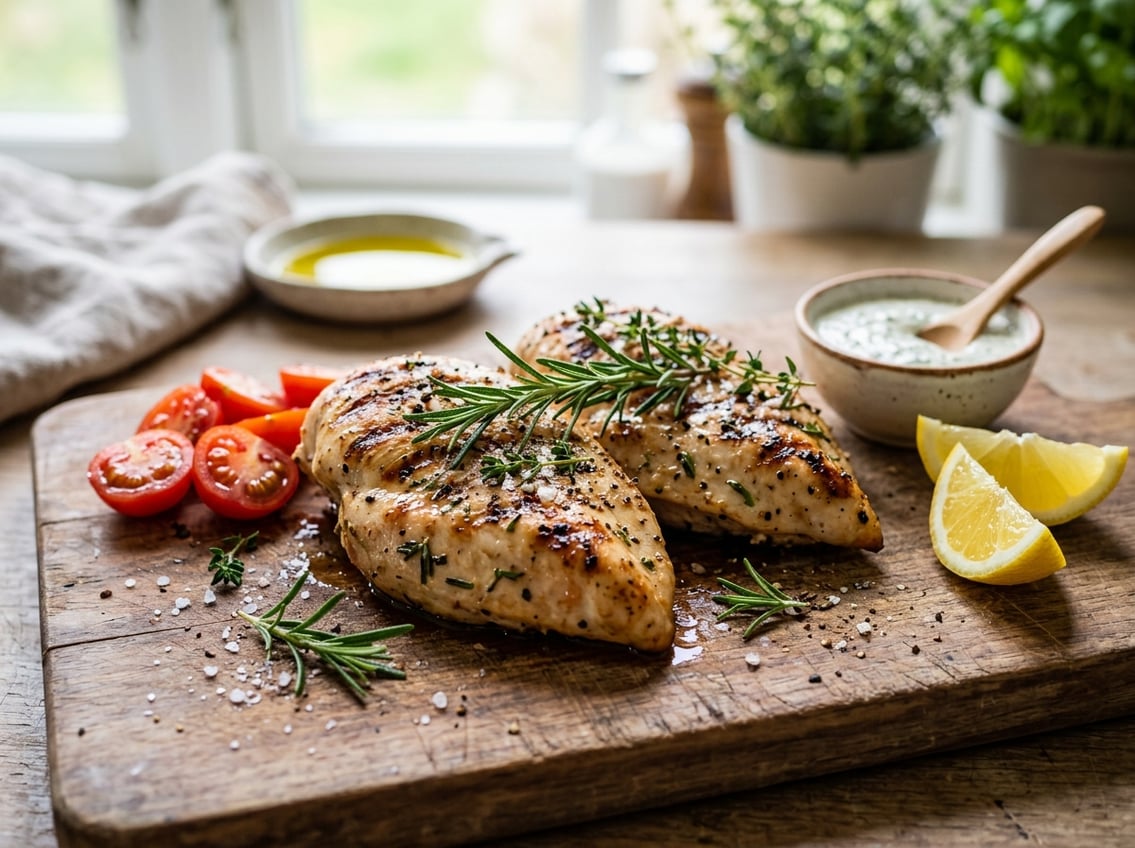
Choose a recipe that keeps the meat moist and gives you enough flavor. Dry heat works well if you control temperature, and gentle methods help when you want extra tenderness.
Pan-Seared for Juicy Results
Pan-searing gives you good browning and quick cooking. Start with even thickness and a hot pan for a golden crust.
A simple butter sauce or pan sauce adds flavor after cooking. Use a splash of chicken stock to loosen browned bits and create a fast, savory sauce.
Poached and Shredded for Meal Prep
Poaching keeps chicken breast moist and tender. It works well when you want shredded meat for soups, salads, and wraps.
According to EatingWell, poaching uses gentle heat in liquid such as water or broth and produces shreddable chicken.
Grilled, Baked, and Roasted Options
Grilling works well when you want char and a fast cook time. Baking and roasting are more hands-off and suit a full chicken breast recipe.
Use a thermometer and pull the meat as soon as it reaches a safe internal temperature. If you use a fryer, expect a richer result and more fat than oven or grill methods.
When It Works Best in Meals
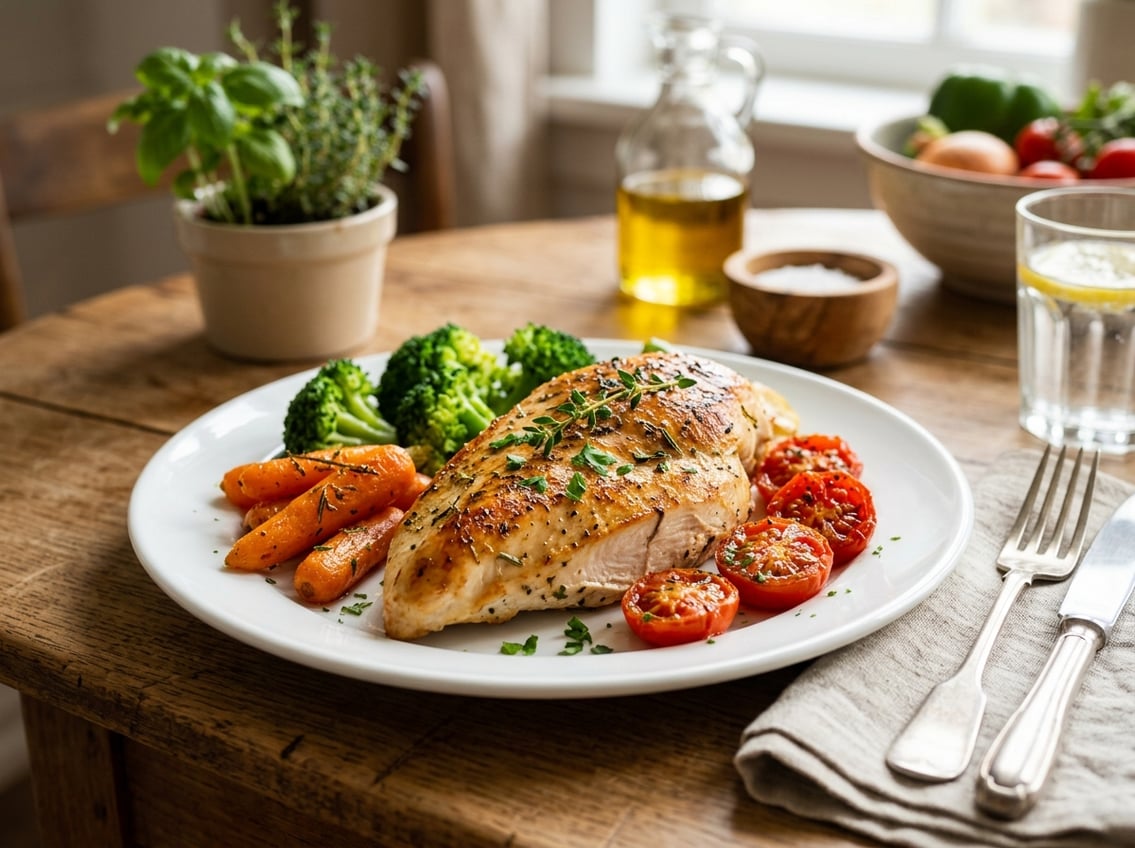
Chicken breast works well when you need a fast protein that can take on many flavors. It fits simple dinners, meal prep bowls, and dishes that use sauce, seasoning, or breading.
Fast Weeknight Dinners
Chicken breast recipes suit busy nights because they cook quickly and pair with many sides. You can keep the seasoning simple or build a meal around one pan.
Easy examples include chicken piccata, chicken parmesan, and barbecue chicken. These dishes use sauce to add moisture and flavor without much extra effort.
Salads, Wraps, and Bowls
Chicken breast is a strong choice for lighter meals. You can slice it over a chicken caesar salad, fold it into wraps, or add it to grain bowls.
It works well with chicken fajitas, ranch chicken, and ranch seasoning. These meals benefit from the mild flavor of the meat, since the seasoning carries most of the taste.
Breaded and Comfort Food Dishes
When you want comfort food, chicken breast can fit. Breaded cutlets, creamy sauces, and baked casseroles all work.
It pairs well with chicken soup and many recipes that use tender pieces. If you want the richer texture of fried chicken or the flavor of a chicken wing, breast is a different experience, but it can still satisfy in a more balanced meal.
Buying, Storing, and Safety Basics
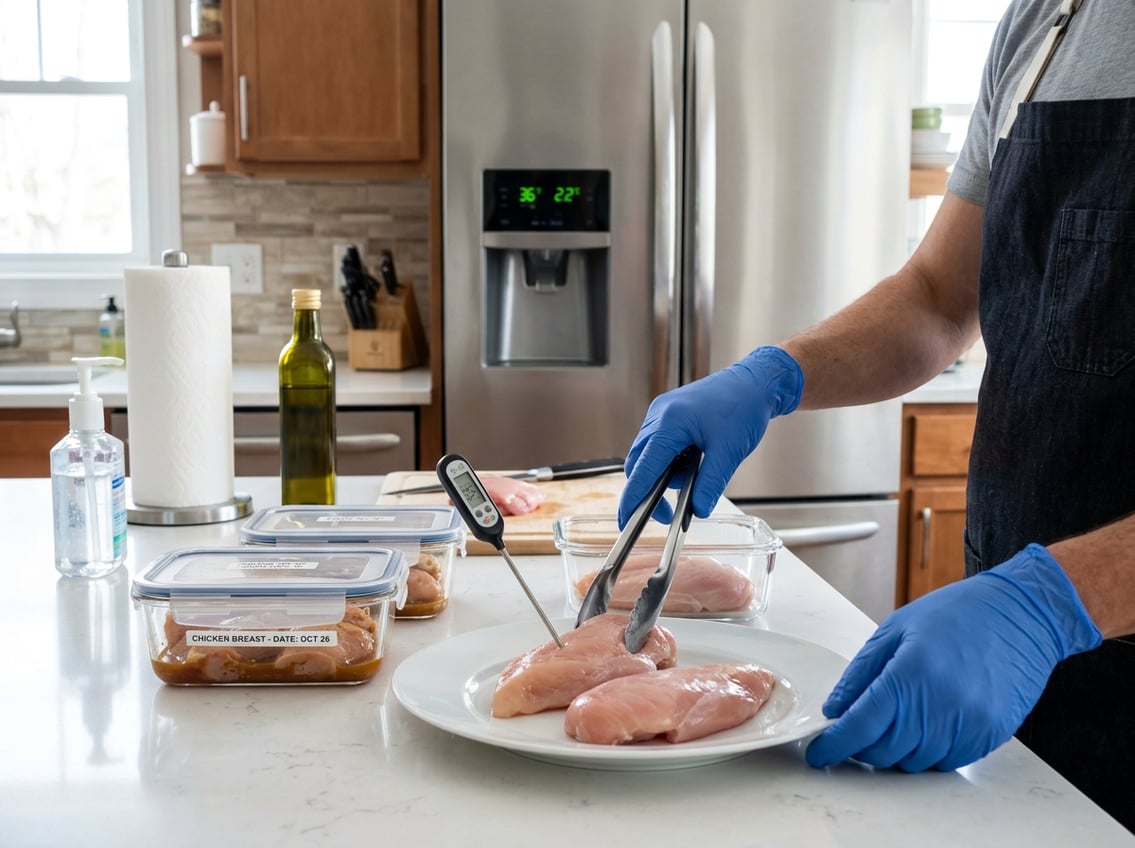
Safe handling matters with all poultry, especially raw chicken breast. Good buying and storage habits protect both quality and food safety.
What to Look for at the Store
Choose boneless chicken breast that looks firm, cold, and well packaged. Avoid packages with tears, swelling, or excess liquid.
Use the sell-by date as a guide, and refrigerate the meat as soon as you get home. Freeze it if you do not plan to cook it soon.
Safe Internal Temperature and Handling
Cook chicken breast to an internal temperature of 165 F. Place a food thermometer in the thickest part of the meat, since color alone is not reliable.
Keep raw chicken separate from ready-to-eat foods. Wash your hands, cutting boards, knives, and counters after contact with raw poultry.
Storage, Leftovers, and Reheating
Store raw chicken breast in the coldest part of the fridge and use it soon.
The USDA Food Safety and Inspection Service gives clear guidance on safe handling from purchase through cooking.
Cool leftovers quickly and place them in shallow containers.
Reheat chicken until it is steaming hot all the way through.
Use leftover pieces in soup, salads, or chicken stock-based dishes within a few days.


