
Will Chicken Breast Make Me Gain Weight? What Matters Most
Will chicken breast make me gain weight? Not by itself.
What matters most is your total calorie intake, your portions, and how you prepare and serve the chicken breast.
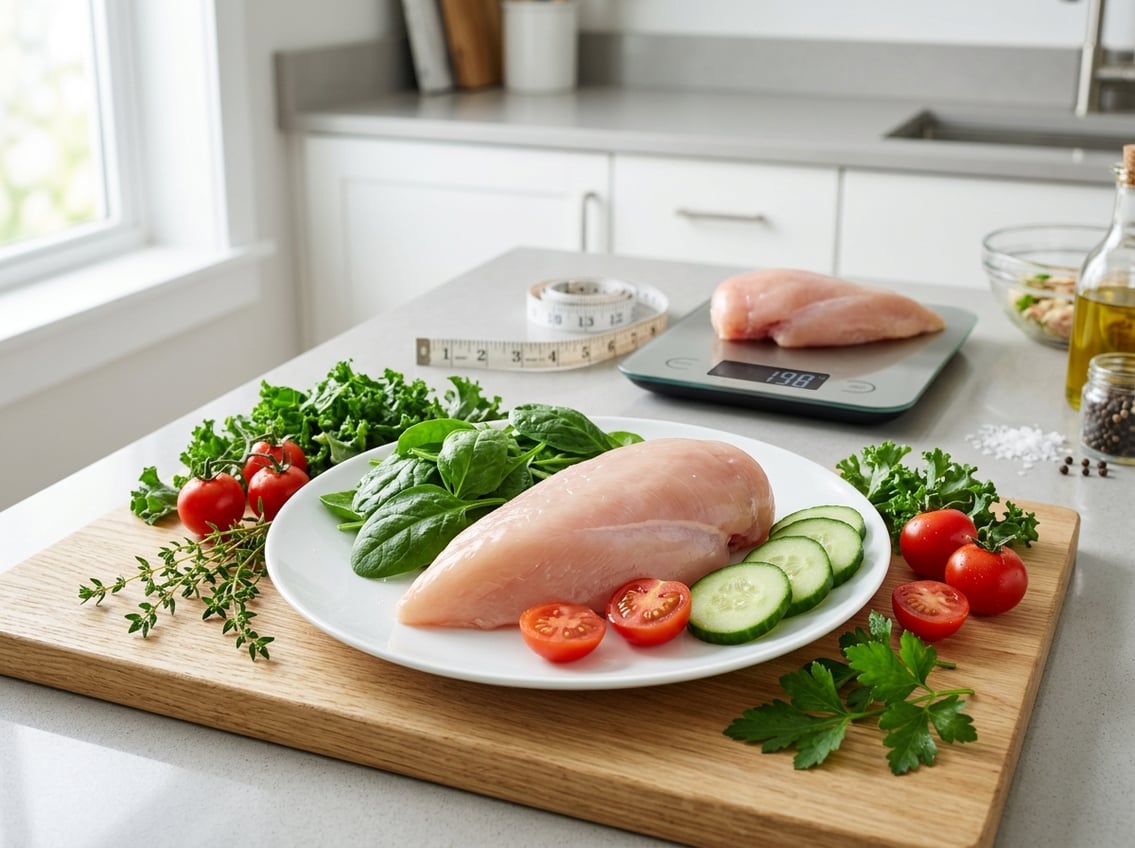
Chicken breast is a lean protein source, so many people use it in meal plans for weight control.
It can fit well into a calorie-conscious diet.
The calorie content of chicken changes a lot based on serving size, cooking method, and added ingredients.
If you keep your meals balanced, chicken breast can support your goals.
What Actually Determines Weight Gain
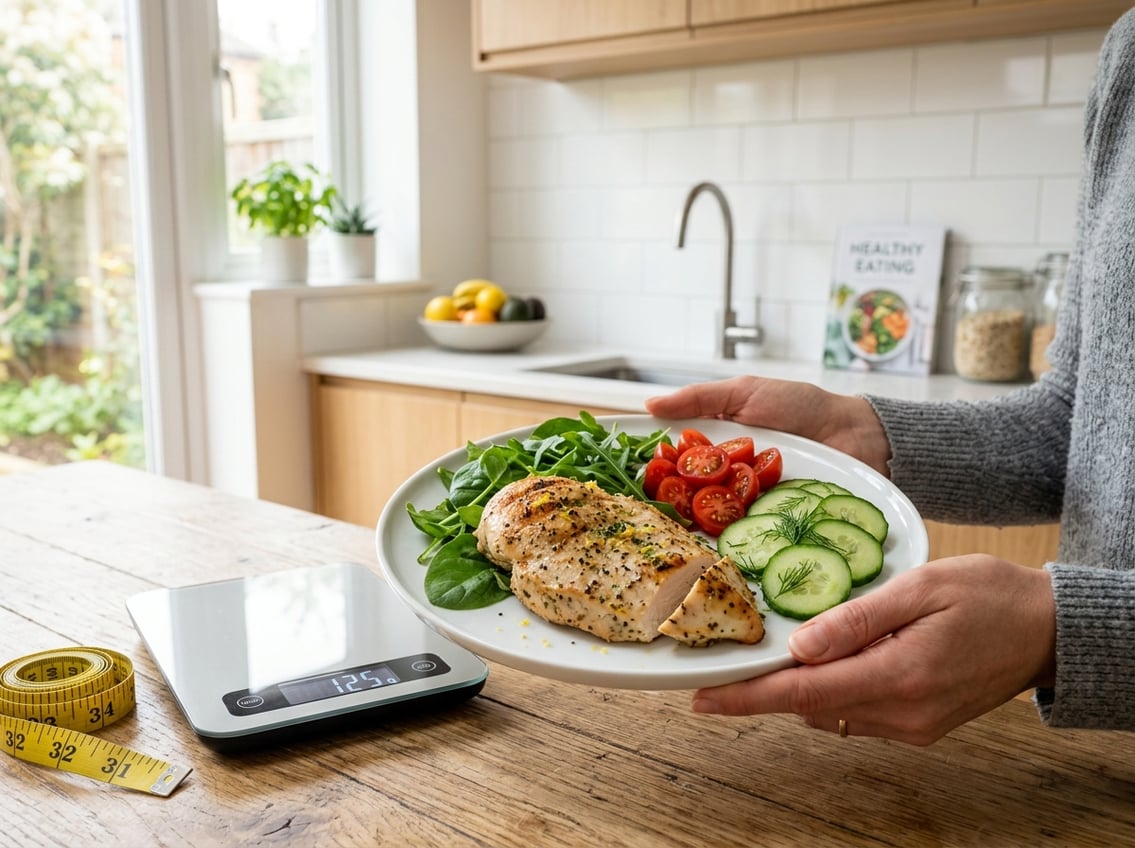
When you eat more calories than your body uses, you gain weight.
A lean protein source like chicken breast does not automatically cause fat gain, because the food itself is only one part of your daily intake.
Small changes in portions, oils, sauces, and side dishes can shift a meal from light to high calorie.
That is why planning the full meal matters when using chicken breast for weight loss.
Calorie Balance Drives Weight Change
You gain weight when calorie intake stays higher than calorie burn for a long period.
Chicken breast can fit into weight-loss or weight-gain plans, depending on your portions and what you eat with it.
A plain chicken breast is not the same as a breaded cutlet with fries and creamy sauce.
What you put on the plate with the chicken makes a bigger difference than the protein alone.
Why Lean Protein Does Not Automatically Add Fat
Lean protein gives you protein with relatively little fat and few carbs.
According to a review of chicken breast nutrition, a 3-ounce serving of cooked chicken breast is typically around 110 to 140 calories and provides a large amount of protein.
Chicken breast is a practical choice if you want better control over your calorie intake.
Protein also takes more energy to digest than fat or carbs, so it can help you feel full.
How Chicken Breast Can Help With Weight Management
Chicken breast can help with weight management when you use it as a steady, lean protein base.
It can make meals more filling, which may help you feel satisfied with fewer calories.
It also helps preserve muscle while you lose fat, especially when you stay active.
How Chicken Breast Nutrition Fits Into Your Diet
Chicken breast gives you a strong protein boost with very little carbohydrate.
This makes it easy to fit into many eating styles, from higher-carb meal plans to low-carb approaches.
The key is to match the serving size and meal design to your goal.
A lean protein source works best when it supports fullness without pushing calories too high.
Protein, Satiety, and Muscle Retention
Chicken breast is popular because it is rich in protein and relatively low in fat.
Protein helps you feel full after meals, which can make it easier to stay within your calorie target.
It also helps protect muscle during weight loss.
If you are trying to lose fat, keeping muscle matters because it supports strength, function, and a healthier metabolism.
Calorie Content of Chicken by Serving Size
Portion size changes the calorie content of chicken in a big way.
A 3-ounce serving of cooked chicken breast is often around 110 to 140 calories, while a much larger serving can add up fast.
Here is a simple guide:
| Serving size | Approximate calories |
|---|---|
| 3 oz cooked chicken breast | 110 to 140 |
| 6 oz cooked chicken breast | 220 to 280 |
| 8 oz cooked chicken breast | 290 to 370 |
If you do not weigh portions, you may eat more than you planned.
How Chicken Breast Compares With Higher-Fat Cuts
Chicken breast is leaner than cuts with more skin or dark meat.
That means fewer calories from fat in the same amount of food.
Higher-fat cuts can still fit into your diet if you like them more.
Chicken breast is often easier to use when your goal is calorie control.
Why Chicken Meals Become High Calorie
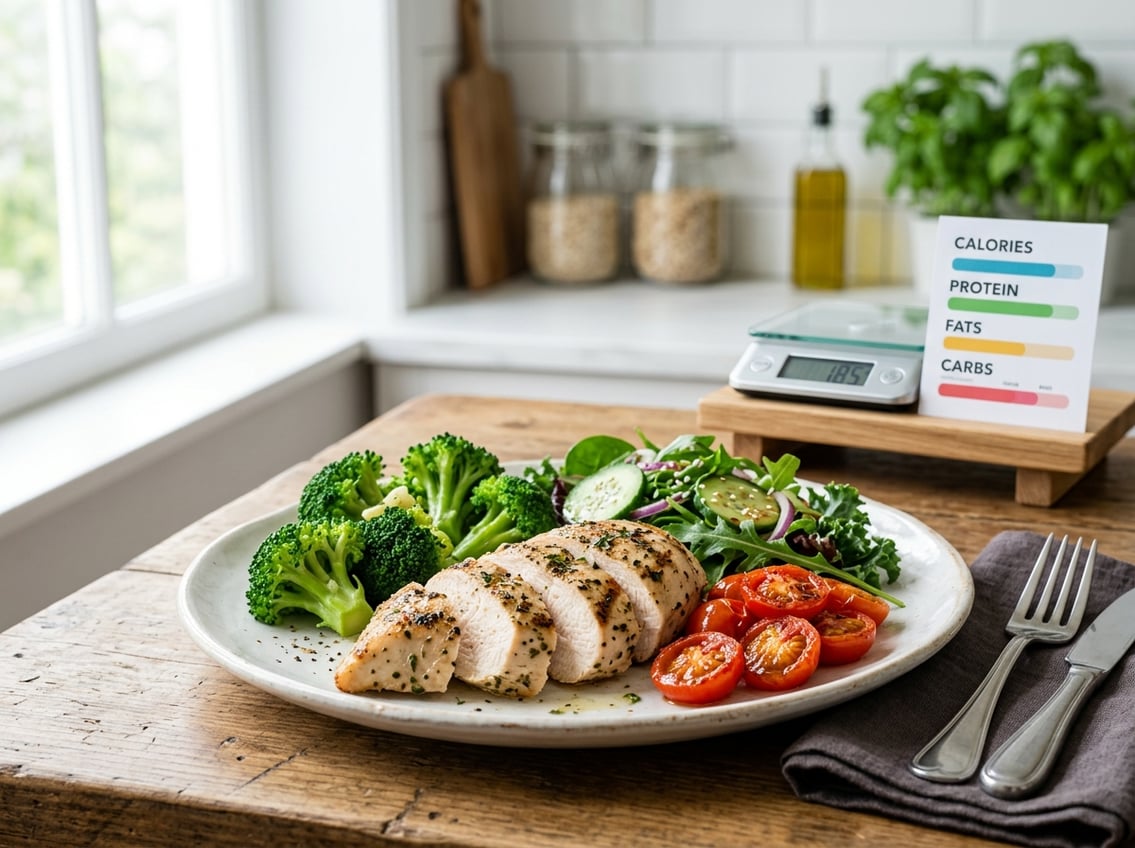
Chicken breast itself is usually not the problem.
Extra calories often come from cooking fats, breading, sauces, and packaged products.
That is why two chicken meals can look similar on the plate and still have very different calorie totals.
Healthy Cooking Methods That Keep Calories Lower
Grilling, baking, roasting, and poaching are healthy cooking methods that help keep calories lower.
These methods let you add flavor without a lot of extra fat.
Using herbs, spices, citrus, garlic, and vinegar can help you build flavor without making the meal heavier.
A small amount of oil is fine, as long as you account for it.
Frying, Skin, Sauces, and Breading
Frying adds a lot of extra calories, especially when you coat chicken in flour or breadcrumbs first.
Chicken skin also raises fat and calorie content.
Creamy sauces, sweet glazes, and heavy breading can turn a lean meal into a much richer one.
According to Chef’s Resource, breading, frying, and high-calorie sauces can significantly increase the calorie load of chicken meals.
Processed Chicken Products and Hidden Calories
Processed chicken products can look convenient, but they often include extra sodium, starches, oils, and fillers.
That can raise calories and make portion control harder.
If you want more control, choose plain chicken breast over nuggets, patties, or heavily seasoned frozen items.
Reading the label helps you spot hidden calories before they become part of your routine.
How to Eat Chicken Breast Without Undermining Your Goals
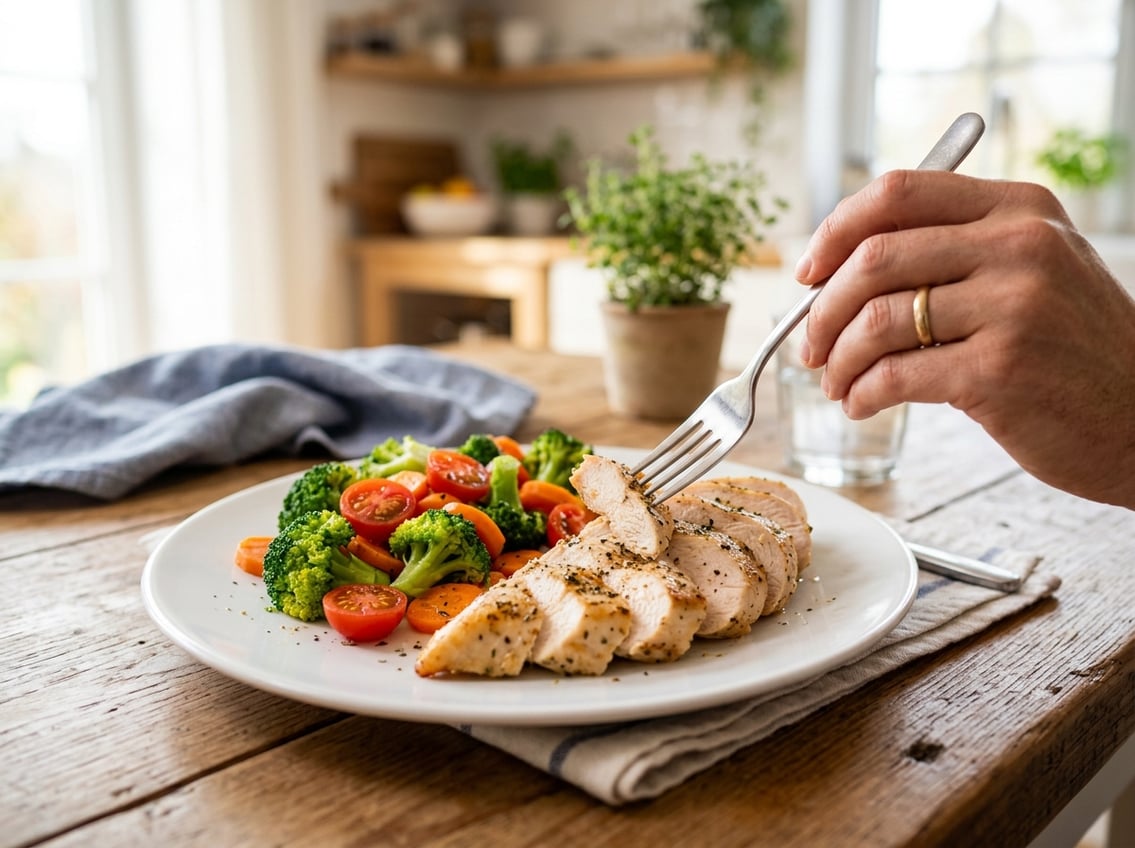
You can use chicken breast for weight loss, muscle support, or simple meal planning if you keep portions realistic.
A few small habits make it easier to stay on track without feeling restricted.
The best approach is to build meals that are filling, balanced, and easy to repeat.
Smart Portion Sizes for Different Goals
If your goal is weight loss, a 3 to 4 ounce portion is a practical place to start.
That gives you plenty of protein without pushing calories too high.
If you are more active, or you need a larger meal, you may choose more.
The main point is to match the portion to your total daily needs, not just your appetite.
Meal Pairings That Improve Fullness
Chicken breast works well with vegetables, beans, whole grains, or a small amount of healthy fat.
These foods add fiber, texture, and staying power.
A simple plate might include chicken breast, roasted vegetables, and brown rice.
That kind of meal can keep you satisfied longer than chicken alone.
Simple Ways to Make Chicken Breast for Weight Loss More Sustainable
Choose meals you actually like, so the plan is easy to keep.
Rotate seasonings, use lower-calorie sauces, and add different vegetables to avoid boredom.
Cook extra chicken ahead of time for quick lunches and dinners.
When you use easy, healthy cooking methods, chicken breast becomes a useful lean protein source.


