
Can Chicken Breasts Have Worms? What to Know
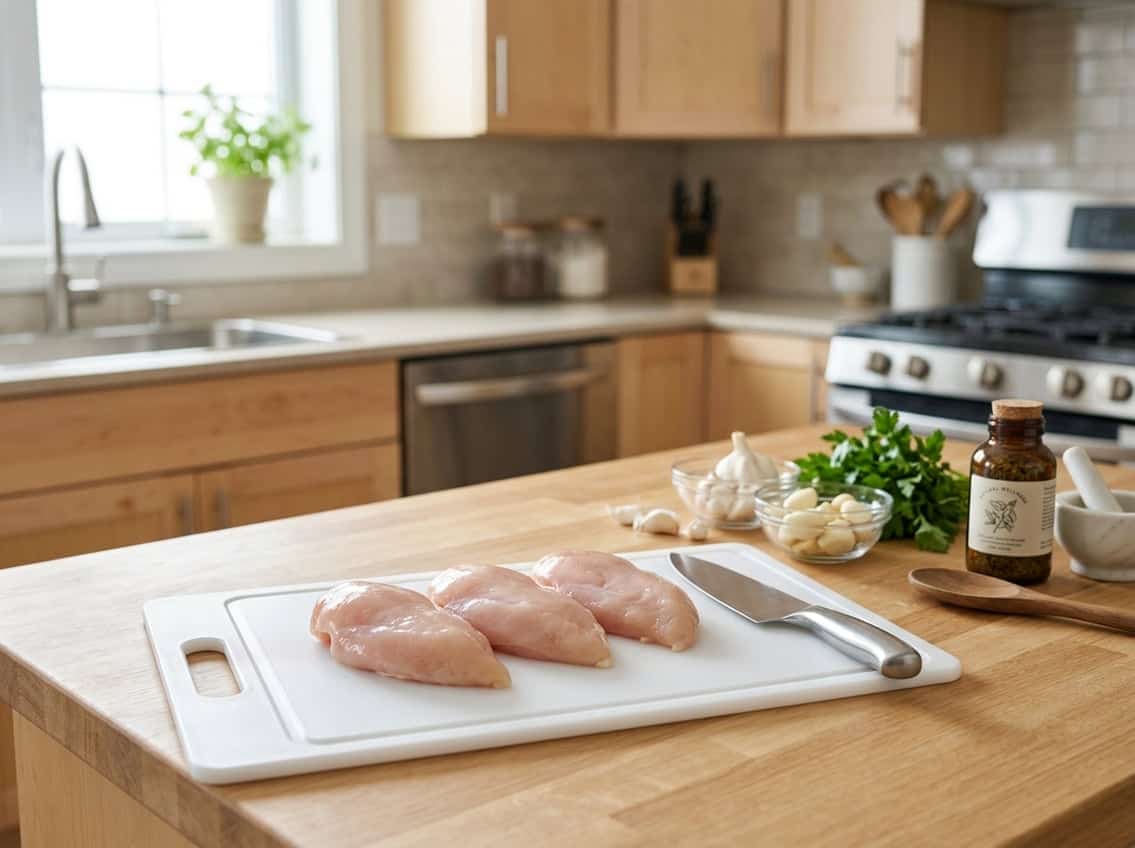
Can chicken breasts have worms? Properly cooked chicken breasts do not contain live worms. Visible worms in raw meat are not normal.
If you notice something unusual in chicken, treat it as a food safety problem first. Consider a parasite issue second.
For most people, the real concern is not a worm hiding in the breast meat. The main issues are whether the bird had an internal parasite problem, whether the meat was handled safely, and whether it was cooked to a safe temperature.
Chicken worms usually affect the bird’s digestive tract. They are not a standard feature of the meat you buy at the store.
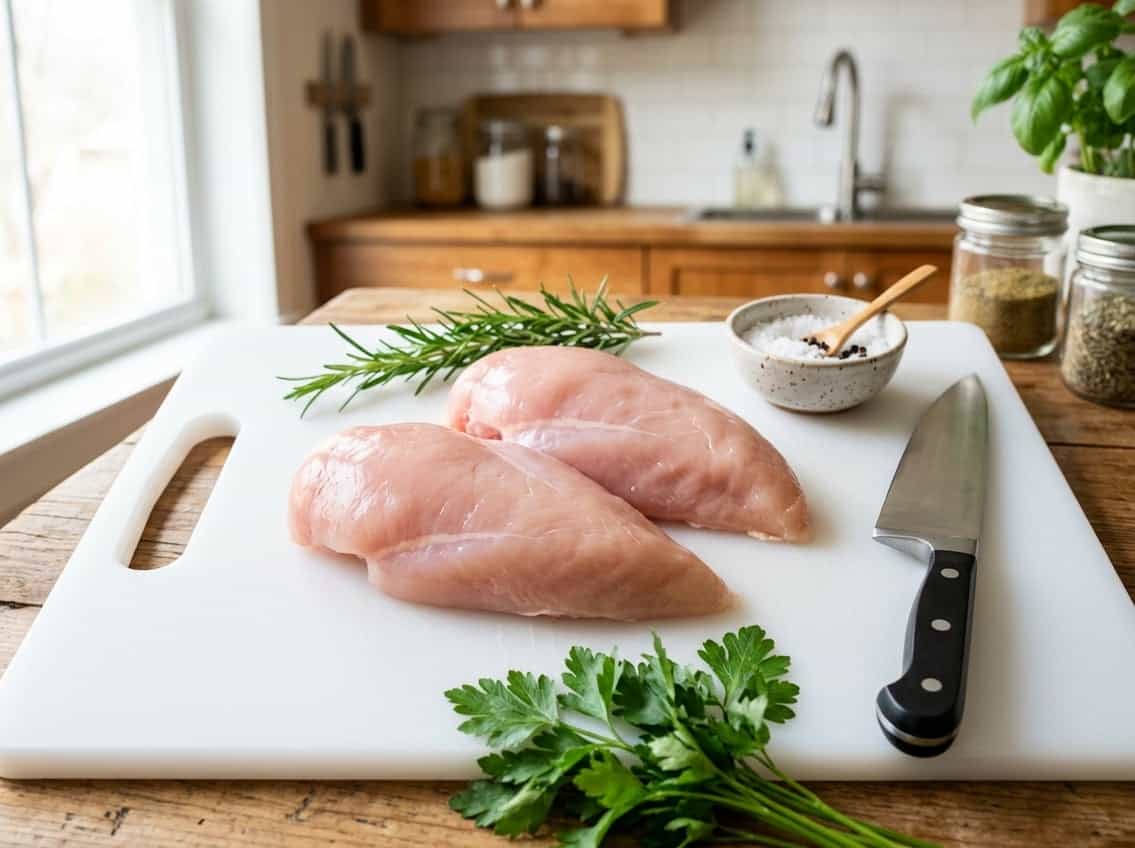
If you raise chickens, you might wonder whether worms in chickens can spread to meat, eggs, or the coop. The answer depends on the type of worm, the bird’s health, and flock management.
A small parasite load may cause no obvious damage. A heavy one can lead to illness, reduced egg output, and sometimes death, as noted in a backyard chicken parasite guide.
What Worms in Meat Usually Mean
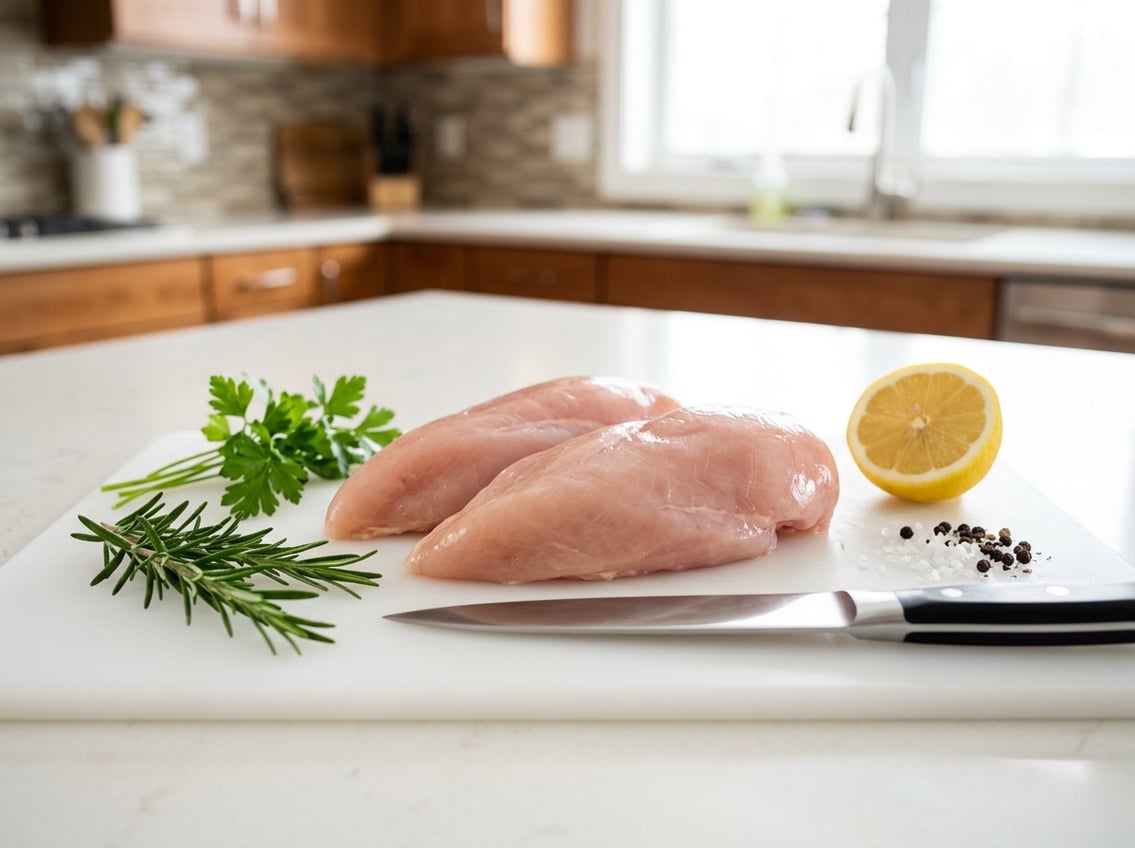
Worms in chicken usually originate in the bird’s body, not in the breast meat. Internal parasites live in the gut, airway, crop, gizzard, or other tissues.
They can affect the bird’s health long before you notice anything unusual. The presence of odd material on meat or eggs does not automatically mean parasites are present.
Contamination, poor handling, or a sick bird may be involved. Cooking matters a great deal for safety.
Can Edible Meat Be Affected?
Edible chicken meat should not contain visible worms. If you see moving material, discoloration, or an off smell in raw chicken breasts, do not eat it.
Internal parasites are usually identified in live birds, droppings, or during veterinary testing. You will not find them by normal inspection of boneless meat.
A report on chicken meat and worms notes that worms inside the bird are usually a health issue for the bird, not a routine meat defect.
Can Eggs Have Worms?
It is very uncommon for an egg to contain a worm. Eggs can be contaminated on the outside by dirt or droppings, which is a separate issue.
If you crack open an egg and see something strange, do not eat it. The most common egg problem is contamination, not a parasite in the yolk or white.
Why Poop on Eggs Is Not Proof of Parasites
Poop on eggs does not prove worms in chickens. Chickens can step in droppings, roost over nests, or lay in a dirty nesting box, leaving manure on the shell.
Clean or discard a dirty egg based on how soiled it is. If you suspect an internal parasite problem, stool testing or a veterinary exam gives you a much clearer answer than shell appearance alone.
Signs of an Internal Parasite Problem
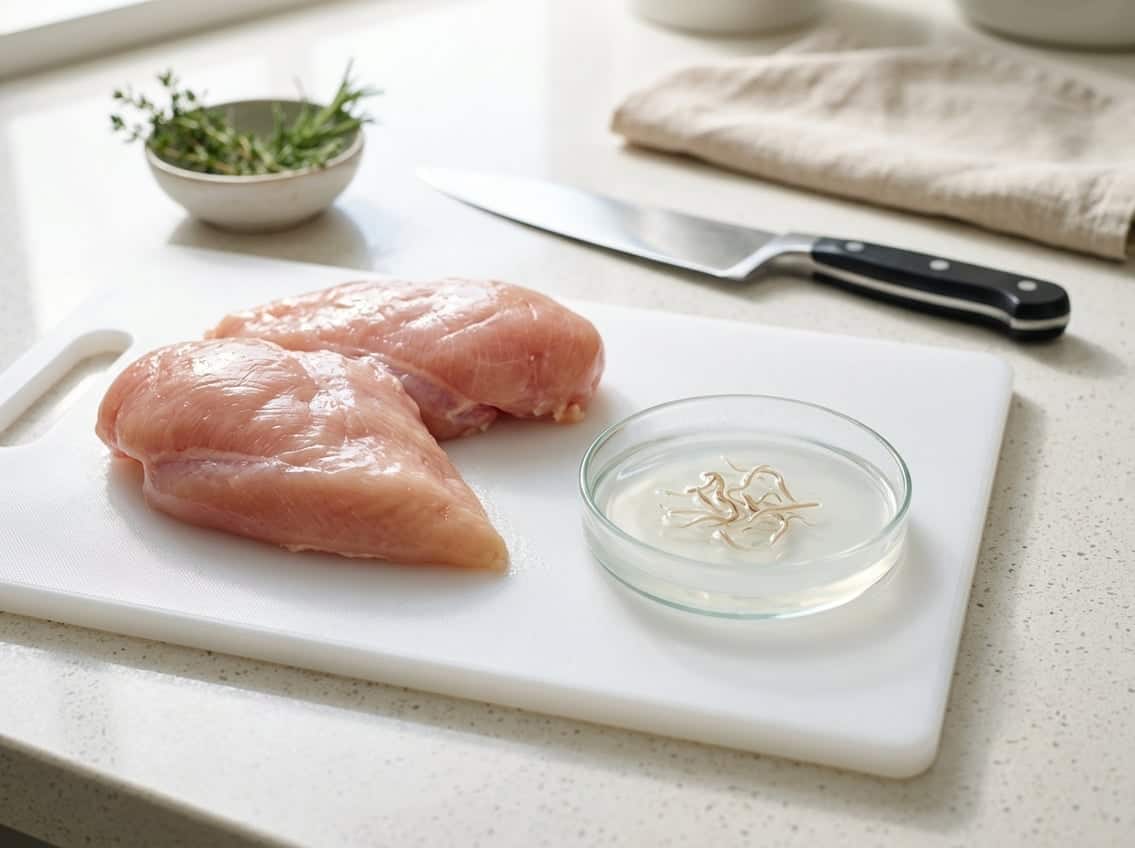
The signs of worms in chickens often appear slowly. Some birds look normal at first, while others show changes in droppings, weight, appetite, or egg laying.
A flock can carry a worm burden without dramatic symptoms. Close observation is important.
The earlier you notice changes, the easier it is to treat worms in chickens before the problem spreads.
Symptoms That Show Up Early
Common symptoms of worms in chickens include dullness, pale combs, lower energy, and reduced egg production. You may also notice weight loss even when the bird eats well.
Other early signs include a drop in feed efficiency, rough feathers, and less interest in normal activity.
Some birds show no obvious warning signs at all.
What Worms in Chicken Poop Look Like
Worms in chicken poop may look like white or cream-colored spaghetti, short threads, or small rice-like pieces. Roundworms are the easiest to spot when they pass in droppings.
According to a practical chicken worm guide, large roundworms and tapeworm segments can sometimes be visible in manure. Tiny worms may be hard to see without a closer look.
When a Heavy Worm Burden Becomes Dangerous
A heavy worm burden becomes dangerous when the bird cannot absorb enough nutrients or loses too much fluid from diarrhea. Weakness and dehydration may become serious.
Severe infestations can lead to death, especially in young, stressed, or weak birds. Trouble breathing, severe weight loss, and extreme weakness require quick attention.
The Main Worms That Affect Chickens
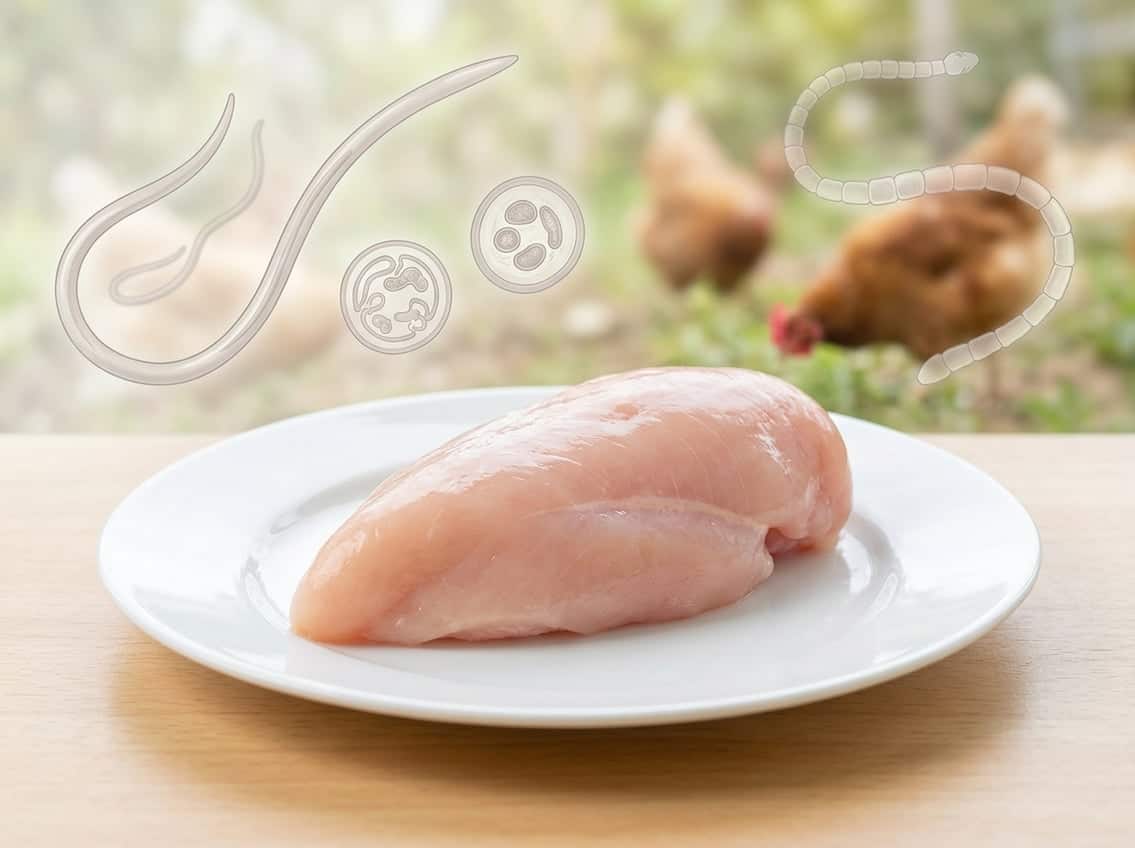
Different worms in chickens affect different body parts. Some live in the intestines, some in the airway, and some in the eyes or gizzard.
Knowing the common types helps you match symptoms to the likely parasite. A fecal test or vet exam is the best way to confirm what you are dealing with.
Ascaridia galli and Other Roundworms
Ascaridia galli is the most common roundworm in chickens. It lives in the small intestine and can reduce nutrient absorption, leading to poor growth or lower laying.
Roundworms are often the first parasite people think of when they hear chicken worms. They are among the easiest to spot in droppings during a strong infestation.
Heterakis gallinarum, Cecal Worms, and Blackhead Disease
Heterakis gallinarum is commonly called the cecal worm. It lives in the ceca, the paired blind pouches in the lower gut.
Cecal worms can carry the organism linked with blackhead disease in turkeys and some other birds. Flock hygiene helps prevent problems even when the worms themselves seem minor.
Capillaria, Hairworm, and Threadworm
Capillaria is a group of thin worms often called capillary worms, hairworm, or threadworm. They may affect the crop, esophagus, or intestines.
These worms are small and can be harder to spot than roundworms. Birds may show poor condition, irritation, or reduced appetite before you see a worm.
Gapeworm and Syngamus trachea
Gapeworms, also called Syngamus trachea, live in the windpipe. They can cause open-mouth breathing, neck stretching, head shaking, and gasping.
These signs look alarming because the bird seems to struggle for air. If you suspect gapeworm, act quickly.
Gizzard Worms and Eyeworms
Gizzard worms and eyeworms are less common, but they still matter. Gizzard worms affect digestion, while eyeworms can cause rubbing, squinting, and irritation around the face.
The common worm list for chickens notes that eyeworms may lead to scratching and rubbing. If you see those signs, a parasite workup is worth pursuing.
Treatment, Deworming, and Prevention
Start treatment with correct identification. Different worms respond to different drugs.
Repeat dosing is often needed to catch newly hatched parasites. Prevention matters just as much as treatment.
Clean housing, dry litter, and careful flock management lower the chance that worms keep returning.
Is Deworming Necessary?
Deworming is not always necessary on a set schedule. Many flocks need treatment based on symptoms, fecal test results, exposure risk, and local conditions.
Some keepers deworm chickens on a schedule. Others treat only when tests or signs point to a problem.
The best plan depends on your flock and your veterinarian’s advice.
How to Treat Worms in Chickens
To treat worms in chickens, use a poultry-approved or vet-recommended dewormer matched to the parasite. The exact product, dose, and repeat timing depend on the worm type and the bird’s age and condition.
A 2025 parasite treatment guide notes that identifying the parasite type helps guide treatment. Follow label directions and legal withdrawal guidance for eggs or meat before eating products from treated birds.
Flock Management to Reduce Reinfection
Good flock management lowers reinfection risk. Keep the coop dry and remove manure often.
Avoid crowding. Quarantine new birds before adding them to the flock, since new arrivals can bring worms or eggs.
Rotate ranging areas when possible. Keep feeders off the ground and clean waterers regularly to prevent contamination.
If you suspect worms in chickens, check the whole environment, not just the bird. Eggs, litter, soil, and new birds all contribute to whether the problem returns.


