
Can You Freeze Chicken Breast? Safe Storage and Thawing
You can freeze chicken breast, and doing it well helps you keep a safe, useful protein on hand for quick meals.
When you package it correctly, freezing preserves quality and reduces waste, whether you store raw pieces or cooked leftovers.
Freeze chicken breast at 0°F or below, package it airtight, and thaw it safely in the refrigerator or cold water.
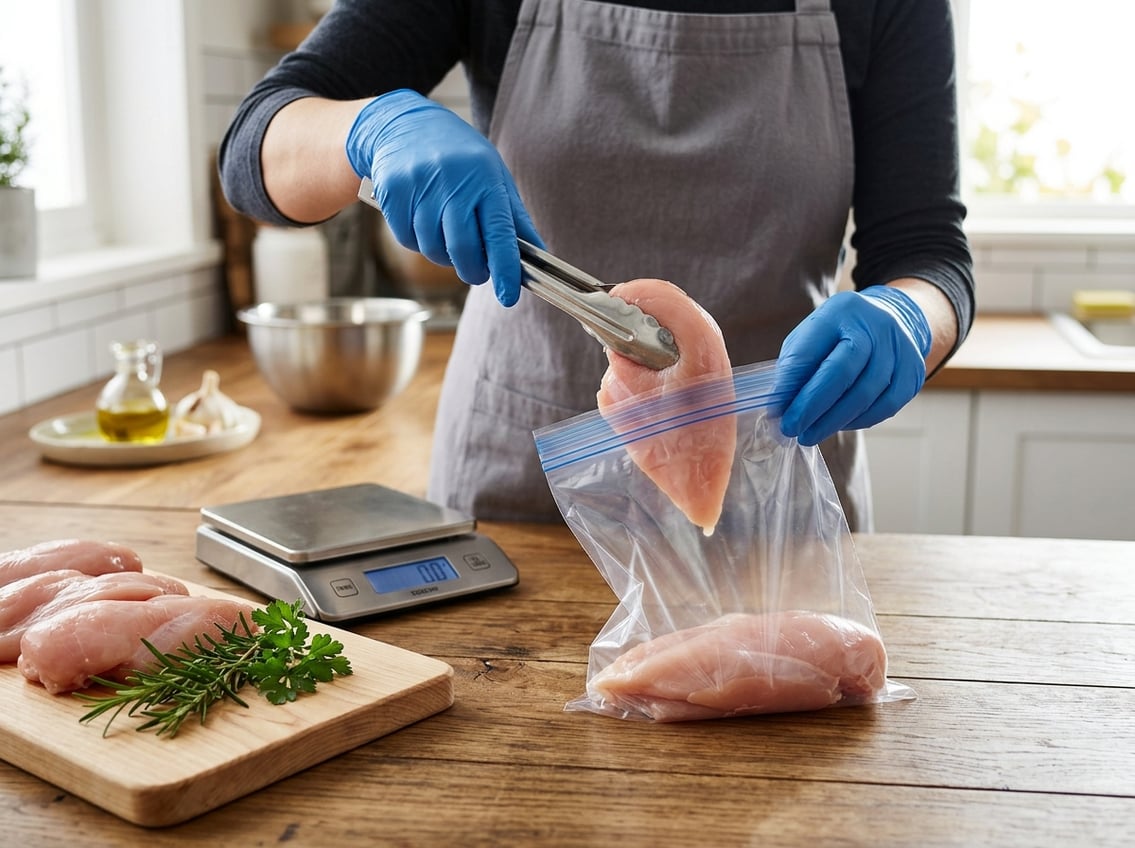
Freezing does not make chicken last forever at peak quality.
The way you prep it matters.
The best results come from portioning, labeling, and keeping air away from the meat.
How to Freeze Chicken Breast Properly
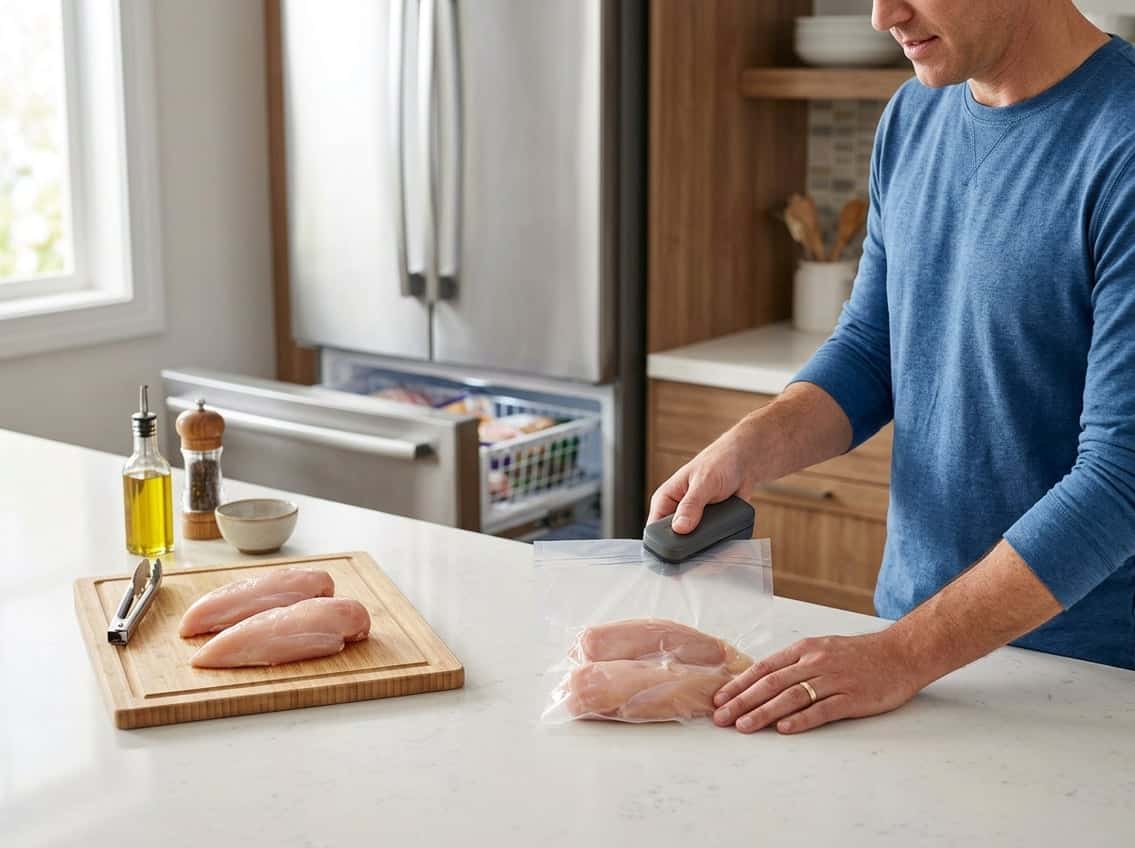
Move chicken breast into airtight packaging as soon as possible.
Good wrapping protects both raw and cooked chicken from moisture loss and freezer burn.
This helps you store raw chicken in the freezer with better texture later.
Best Way to Freeze Raw Portions
Start with dry, trimmed portions if you want to freeze raw chicken.
Pat the chicken dry, then wrap each piece tightly or place it in a freezer bag with as much air removed as possible.
For better texture, freeze chicken breasts in a single layer first if space allows.
Once they are firm, you can stack them so pieces do not stick together.
How to Freeze Cooked Portions
You can freeze cooked chicken for easy meal prep.
Let it cool first, then package it in meal-sized portions so you only thaw what you need.
If you plan to freeze cooked chicken breast for soups, casseroles, or sandwiches, slice or shred it before freezing.
That makes reheating faster and more even.
Packaging, Labeling, and Portioning Tips
Use freezer bags, vacuum sealing, or tightly wrapped freezer-safe containers.
Keep out air, because air causes quality loss.
Label each package with the contents and date.
That helps you track rotation and makes it easier to use older food first.
A guide from Southern Living on the best way to freeze chicken also stresses tight packaging for better quality.
How Long Frozen Chicken Stays at Best Quality
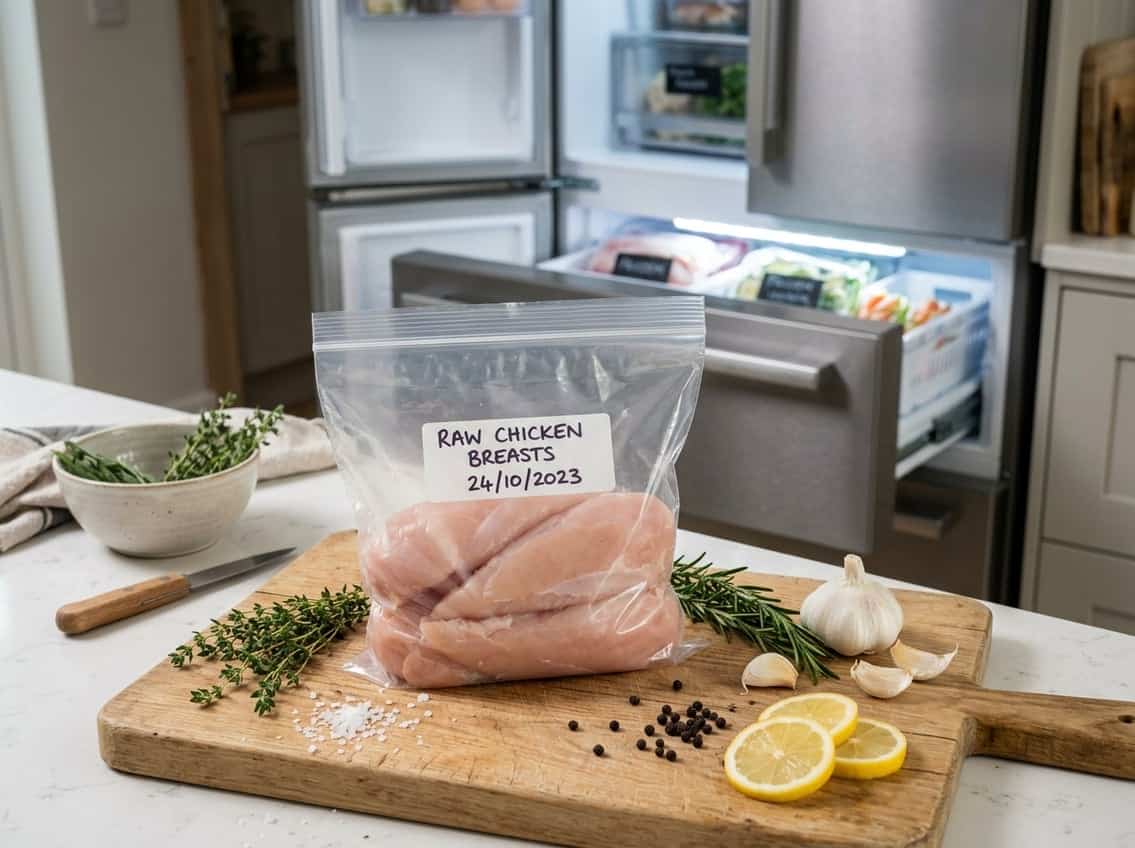
Frozen chicken stays safe for a long time if your freezer stays at 0°F or below.
Quality changes over time.
The real question is not only how long you can freeze chicken breast, but also how long it keeps its best texture and flavor.
Recommended Timelines for Raw Breast Meat
For best quality, use raw chicken breast within 9 to 12 months in the freezer.
That timeline matches guidance commonly shared in food storage resources, including how long chicken lasts in the freezer.
If the package stays airtight and the freezer temperature is steady, the meat can remain safe longer.
Quality, taste, and moisture decline first.
How Long Cooked Portions Keep Well
Cooked chicken usually keeps its best quality for about 2 to 6 months.
It can still be safe beyond that if frozen properly, but the texture may dry out more quickly.
Freeze cooked chicken in small portions for best results.
That makes it easier to use in recipes without repeated thawing and refreezing.
How Freezer Temperature and Storage Affect Quality
A stable freezer temperature matters as much as the clock.
Frequent temperature swings can create ice crystals and dry spots, which lower quality faster.
Thick packaging, little air inside the bag, and clean handling all help protect flavor.
When you store raw chicken in the freezer the right way, quality stays better for longer.
How to Thaw Chicken Breast Safely
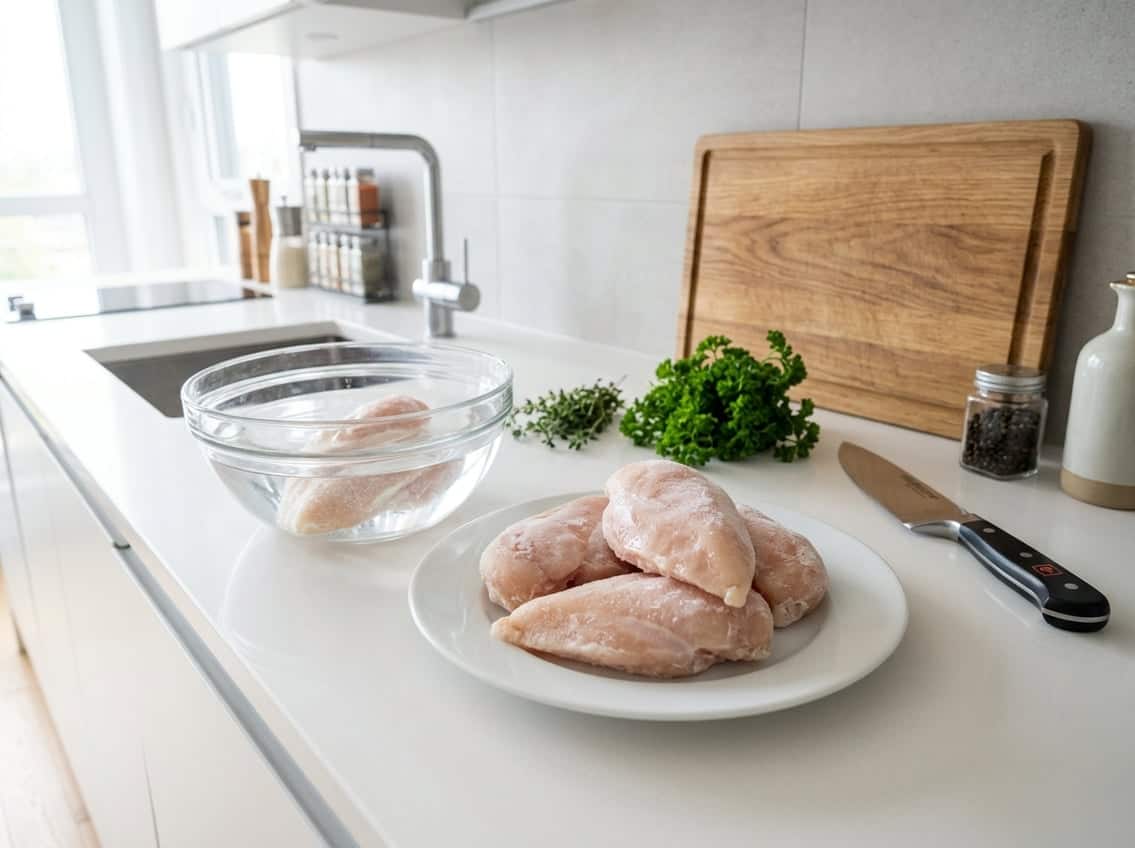
Thaw frozen chicken with care, because unsafe thawing can move the meat into the danger zone.
The safest methods are refrigerator thawing and cold water thawing.
Never thaw chicken at room temperature.
Refrigerator Thawing
Refrigerator thawing is the safest way to thaw frozen chicken breast.
Place the packaged chicken on a plate or tray in the fridge so any drips stay contained.
Small pieces may thaw overnight.
Larger breasts can take a day or more.
If you thaw chicken this way, you can usually keep it in the refrigerator for a short time before cooking.
Cold Water Thawing
Cold water thawing works well when you need chicken sooner.
Keep the chicken sealed in leak-proof packaging, submerge it in cold water, and change the water every 30 minutes.
This method is faster than refrigerator thawing, and it still stays safer than leaving chicken on the counter.
A guide from The Kitchn on the best way to defrost chicken notes that this method can thaw breasts in about 1 to 1.5 hours, depending on size.
When to Cook Immediately and When Refreezing Is Safe
If you thaw chicken in the refrigerator, you can usually refreeze it if it stayed cold and you did not leave it out.
Each freeze-thaw cycle can reduce texture.
If you thaw by cold water or microwave, cook it right away.
Do not leave thawed chicken at room temperature, and do not refreeze it unless it has stayed properly chilled and safe.
Avoiding Freezer Burn and Other Common Mistakes
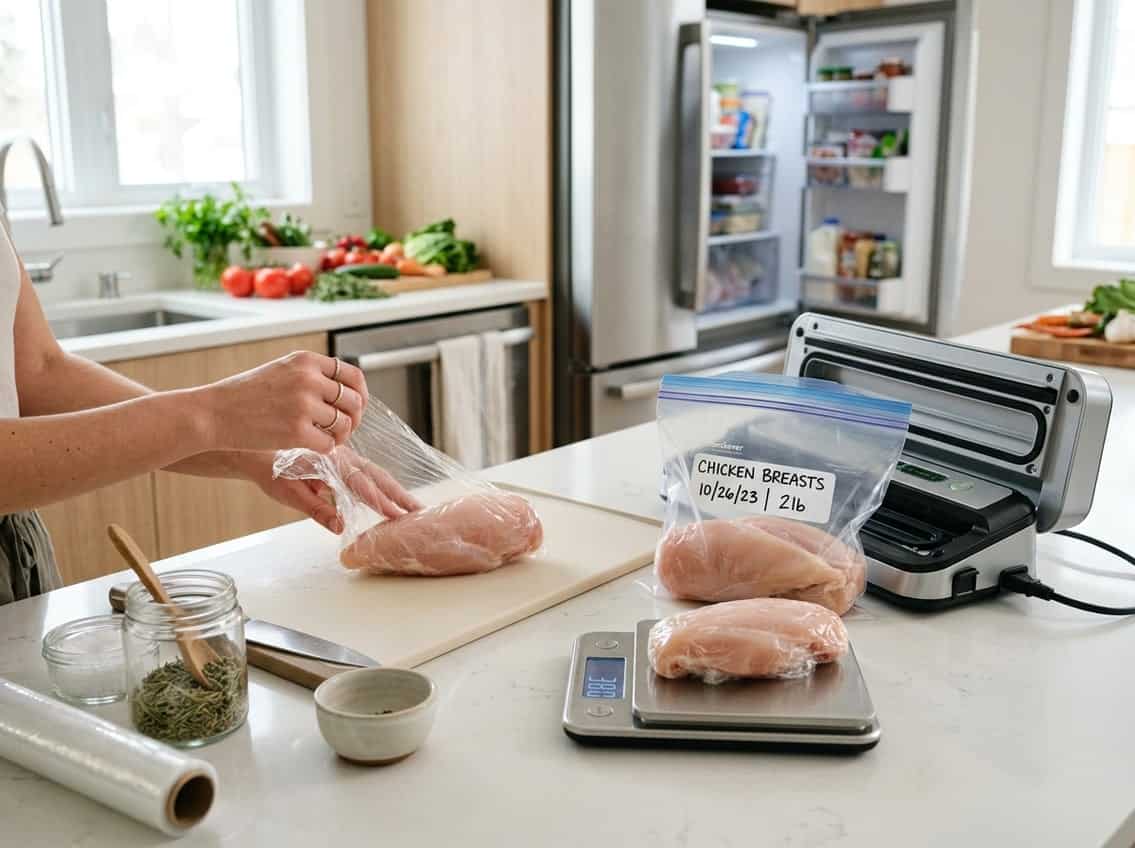
Freezer burn is common and usually points to poor packaging, not unsafe food.
Prevent freezer burn with airtight wrapping, quick freezing, and careful storage.
What Freezer Burn Means for Safety and Quality
Freezer burn happens when air reaches the surface of the chicken and moisture escapes.
The meat may look dry, gray, or patchy, and the texture can turn tough.
Freezer burn does not automatically make chicken unsafe, but it does lower eating quality.
The food may taste bland or stale, especially if the damage is severe.
How to Prevent Dry Texture and Off Flavors
Remove as much air as possible from the package to prevent dry texture and off flavors.
Vacuum sealing works well, and heavy-duty freezer bags also help when you press out air before sealing.
Wrap portions tightly and freeze them quickly.
Keep the freezer closed as much as possible.
The same habits help when you freeze cooked chicken, since cooked meat can also dry out.
Mistakes That Increase Contamination Risk
Leaving chicken at room temperature while it thaws is the biggest mistake. Bacteria can grow quickly on the outside before the inside is thawed.
People also make errors like reusing weak packaging. Putting warm food straight into the freezer without cooling first is another mistake.
Forgetting to label packages can also increase risk. Clean hands, clean surfaces, and sealed bags lower contamination risk.


