
What’s Chicken Breast in Spanish? Translation and Usage
You’re looking for what’s chicken breast in Spanish, and the direct answer is pechuga de pollo.
That is the standard Spanish translation you will see in restaurants, recipes, and grocery stores.
If you want to ask for it, order it, or recognize it on a menu, “pechuga de pollo” is the phrase you should know.
It is the most natural and widely used Spanish translation for chicken breast, and it works in most everyday situations.
The Direct Translation
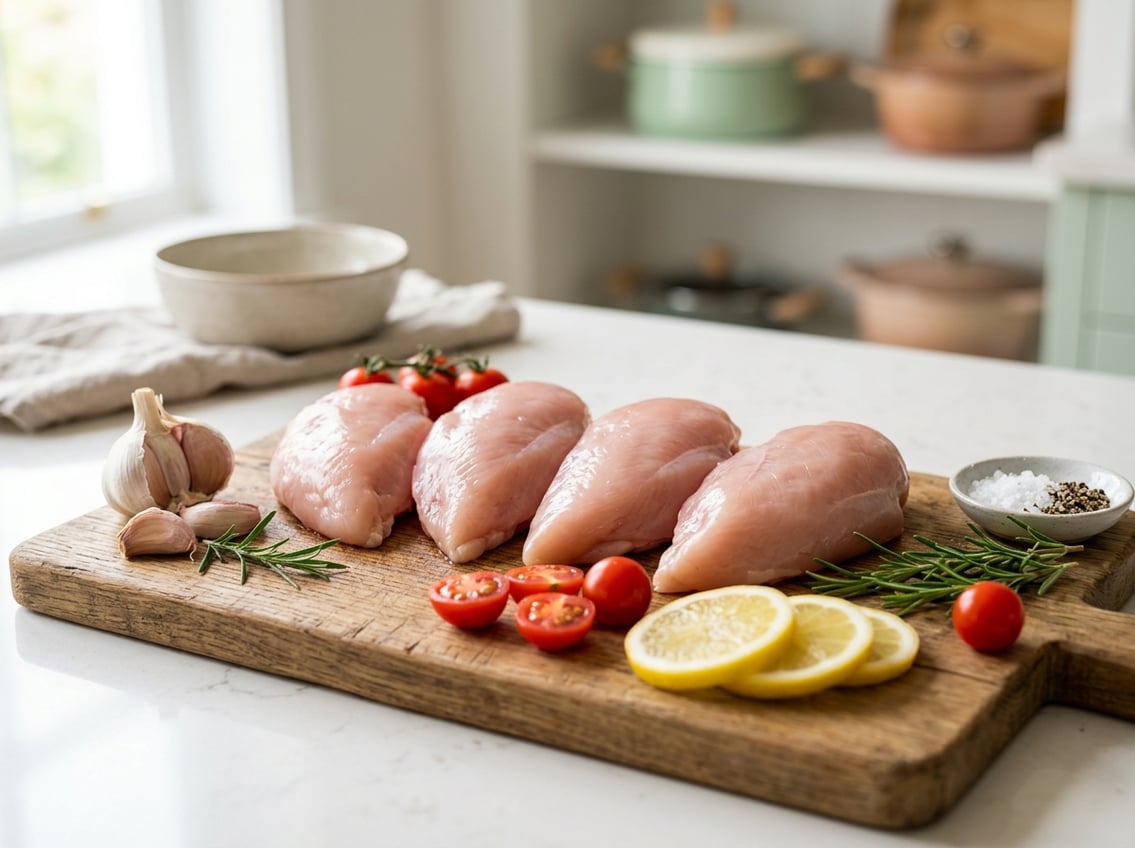
The direct Spanish translation of chicken breast is pechuga de pollo.
You will also see la pechuga de pollo, which simply adds the feminine article “la” because pechuga is a feminine noun.
If you check a dictionary, you may see this same phrase listed in resources such as SpanishDict’s chicken breast translation, along with examples and pronunciation help.
That is useful if you want to hear how the phrase sounds in real use.
How to Say Pechuga de Pollo Correctly
Say peh-CHOO-gah deh POH-yoh in a simple, natural way.
The stress falls on pechuga and pollo, not on de.
If you want to sound polite at a restaurant, you can say:
- Quiero pechuga de pollo.
- Una pechuga de pollo, por favor.
Both mean that you want chicken breast.
The second one sounds more complete when ordering food.
When Pechuga Alone Is Enough
In many food contexts, pechuga alone is enough when the dish is clearly chicken.
A menu may say pechuga a la plancha or pechuga empanizada, and the chicken part is implied.
At a market or butcher shop, use pechuga de pollo to remove any doubt.
Pechuga can also refer to the breast of other birds in some contexts.
Literal Meaning of Pollo and Pechuga
Pollo means chicken as a food or a young chicken.
Pechuga means breast.
Put together, pechuga de pollo literally means “breast of chicken.”
That literal structure is common in Spanish.
It matches how people name many foods, especially meat cuts, in a clear and direct way.
Common Variations and Food Contexts
You may see several ways to refer to chicken breast depending on the dish, the country, and the menu style.
The phrase changes a little, but the meaning stays close to the same.
In everyday food language, pechuga de pollo is the safest form.
You may also see phrases tied to cooking methods, especially when the chicken is grilled or pan-cooked.
How to Say Grilled Chicken Breast
A common phrase is pechuga de pollo a la plancha, which means grilled or pan-seared chicken breast.
On some menus, you may also see pollo pechuga or pechuga a la plancha when the chicken is obvious from context.
If you want to order it, you can say:
- Quiero una pechuga de pollo a la plancha.
- Me gustaría una pechuga a la plancha.
The first is more specific.
The second is shorter and still works in many restaurants.
Menu and Grocery Store Phrases
On menus, pechuga de pollo usually appears in dishes like salads, rice plates, sandwiches, and grilled entrées.
In grocery stores, it may appear on labels for raw chicken, pre-seasoned cuts, or prepared meal packs.
You may also see:
- Pechuga de pollo sin hueso, boneless chicken breast
- Pechuga de pollo sin piel, skinless chicken breast
- Pechuga de pollo fileteada, sliced chicken breast
These labels help you identify the cut more precisely before you buy or order it.
Regional Alternatives
Most Spanish speakers use pechuga de pollo, but you may see other wording in some regions or food settings.
A few sources mention unusual alternatives in specific contexts, though they are not as common as the standard phrase.
When in doubt, use pechuga de pollo.
It is widely recognized and less likely to cause confusion than a local variation.
Related Chicken Words That Can Cause Confusion
Spanish has a few chicken-related words that look simple but do not always mean the same thing.
The main ones to watch are pollo, gallina, and pechuga.
These words matter because the wrong choice can change whether you mean chicken meat, a live bird, or a specific cut.
Pollo vs Gallina
Pollo usually means chicken meat or a young chicken.
Gallina means hen, an adult female chicken.
In food language, pollo is the word you will use far more often.
If you want chicken breast in Spanish, pollo is the key meat word inside pechuga de pollo.
Using gallina instead would sound incorrect in most dining or shopping situations.
Why Chick Is Not the Same as Chicken
In English, chick means a young bird.
It is not the same as chicken, which can mean the animal or the meat.
Spanish makes this distinction in a different way, so a direct word-for-word swap can mislead you.
If you are translating a recipe or ordering food, focus on the meat term, not the age of the bird.
For chicken breast, that means pechuga de pollo, not a word that means chick.
Other Poultry Terms Worth Knowing
If you shop for poultry, a few related words help.
- Pavo, turkey
- Pechuga de pavo, turkey breast
- Pato, duck
- Pechuga, breast
These terms help when a menu lists more than one kind of meat.
They let you read ingredients and order the dish you want.
For bilingual reference, Glosbe’s chicken breast translation in Spanish and Linguee’s chicken breast examples show how the phrase appears in real sentences.


