
What Is Chicken Breast Fillets? Cuts, Uses, and Differences
What is chicken breast fillets? It usually refers to a boneless piece of meat cut from the chicken breast, often trimmed for quick, even cooking.
In U.S. kitchens, people use the label loosely, so you may see the same cut called chicken fillets, a breast fillet, or simply chicken breast.
Chicken breast fillets are usually the lean, boneless breast meat you buy when you want a cut that cooks fast and portions easily.
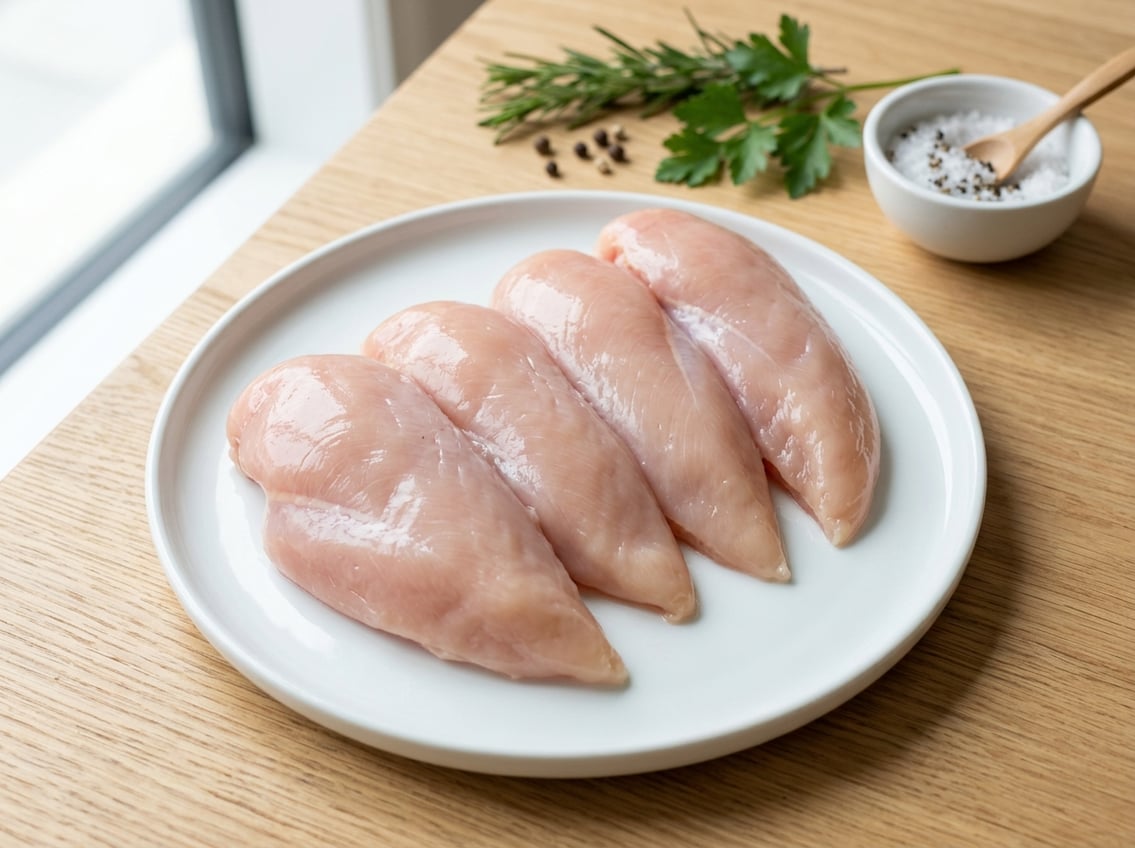
That flexibility makes the difference between chicken fillet and chicken breast feel confusing at the store.
The exact meaning depends on how the butcher, grocer, or recipe writer uses the term.
What the Label Means
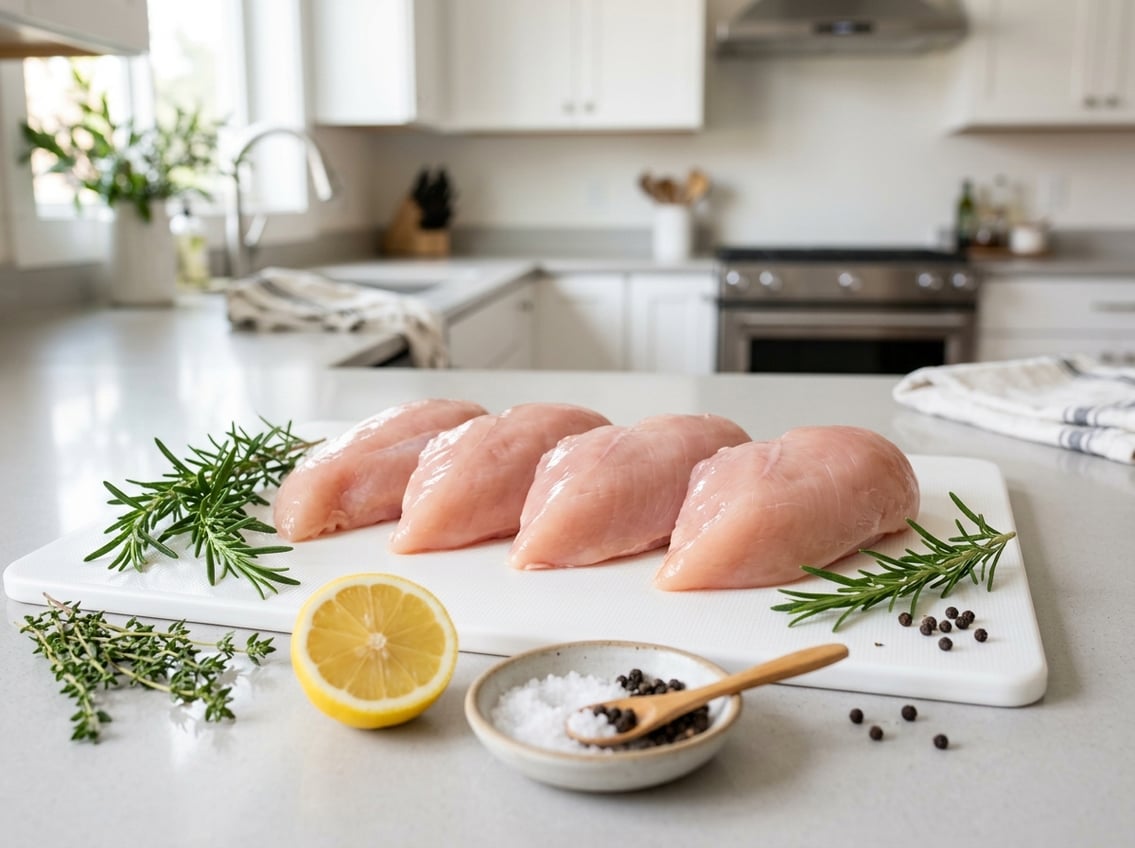
Chicken breast fillets are usually a trimmed, boneless form of breast meat.
In many U.S. stores, the label points to a skinless chicken breast that someone has cleaned up for easy cooking, though some packages use the term more loosely.
How Chicken Breast Fillets Are Usually Defined
A chicken breast fillet is generally a single portion cut from the breast, with the bone and skin removed.
You may see it sold as a plain breast fillet, a chicken fillet, or chicken fillets when the package contains two pieces.
In practical terms, you are often buying a ready-to-cook piece of breast meat.
According to Cook Answers, the term is common on packages and in recipes, and it often means a trimmed, boneless portion from the chicken breast.
Where the Cut Comes From on the Bird
Chicken breast comes from the pectoral muscles, which do most of the bird’s flight work.
The larger outer muscle is the main breast meat, while the smaller inner strip is often sold separately.
A butcher may call the main chest meat a chicken breast, while a recipe may call a trimmed slice a breast fillet or chicken fillet.
Why Packages and Recipes Use Different Terms
Package labels focus on what is inside the tray.
Recipes focus on how the meat should cook and may say chicken breast fillet when they want a thin, even piece that cooks quickly.
A package may say skinless chicken breast, skin-on chicken breast, or chicken breast fillets, even when the cut looks nearly the same.
The label choice can reflect trimming, portion size, or store style, not a strict rule.
How It Differs From Similar Cuts
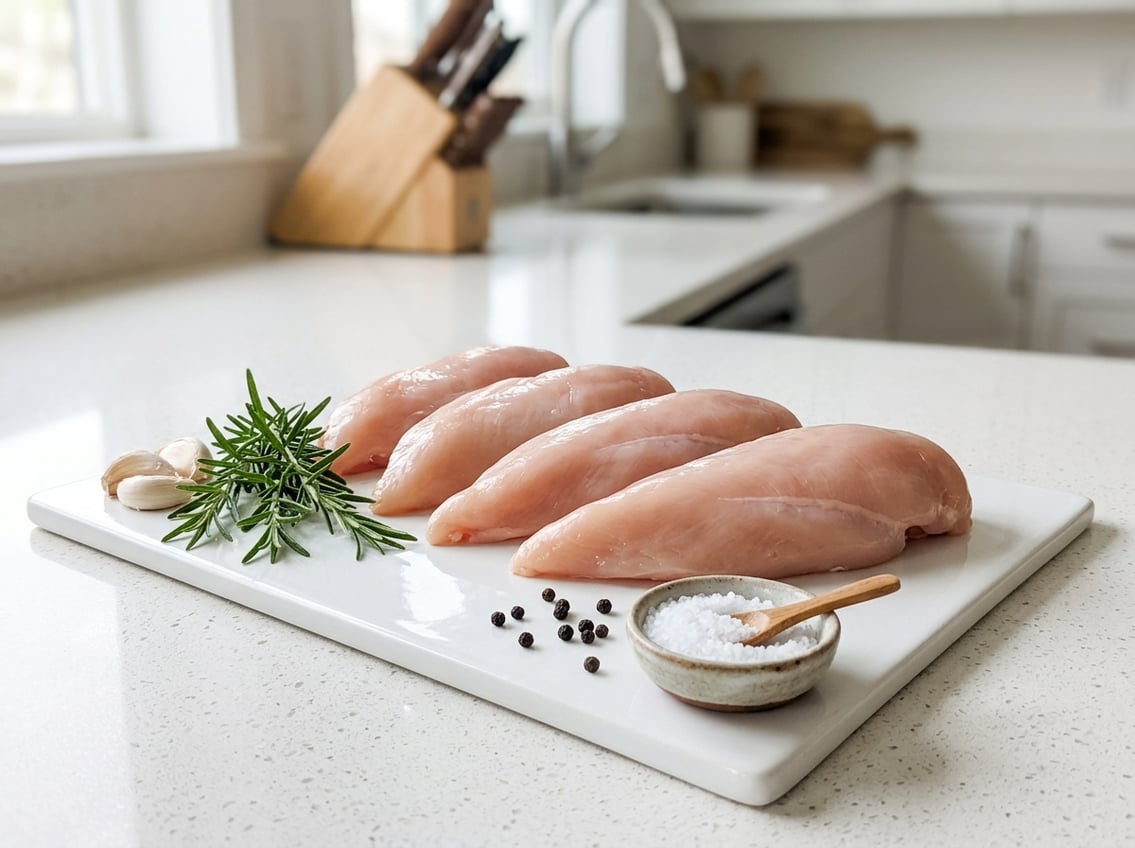
The main differences come down to where the meat comes from, how much trimming it has, and how thick it is.
The difference between chicken fillet and chicken breast matters most when you plan your cooking time or need an exact cut for a recipe.
Breast Portion vs Trimmed Fillet
A chicken breast is the full breast portion from the bird’s pectoral muscles.
A chicken breast fillet is usually a trimmed piece of that breast, often thinner, more even, and easier to portion.
If you buy skin-on chicken breast, the piece is thicker and may cook more slowly.
A skinless chicken breast or breast fillet is often easier to season and cook evenly.
Tenderloin vs Fillet
A chicken breast tender, chicken tender, chicken tenders, or chicken tenderloin usually refers to the small strip attached under the breast.
It is not the same as the larger breast fillet.
Tenderloins are smaller and softer, so they cook faster and are often used for breaded strips or quick pan dishes.
A breast fillet is usually broader and more like the main breast cut.
Texture, Thickness, and Cooking Speed
Thickness changes cooking more than the label does.
Thin fillets cook faster and dry out more easily if you overcook them, while thicker chicken breasts need more time or gentle heat.
If you want fast, even results, chicken breast fillet is often easier to use than whole chicken breasts.
Best Ways to Cook and Use It
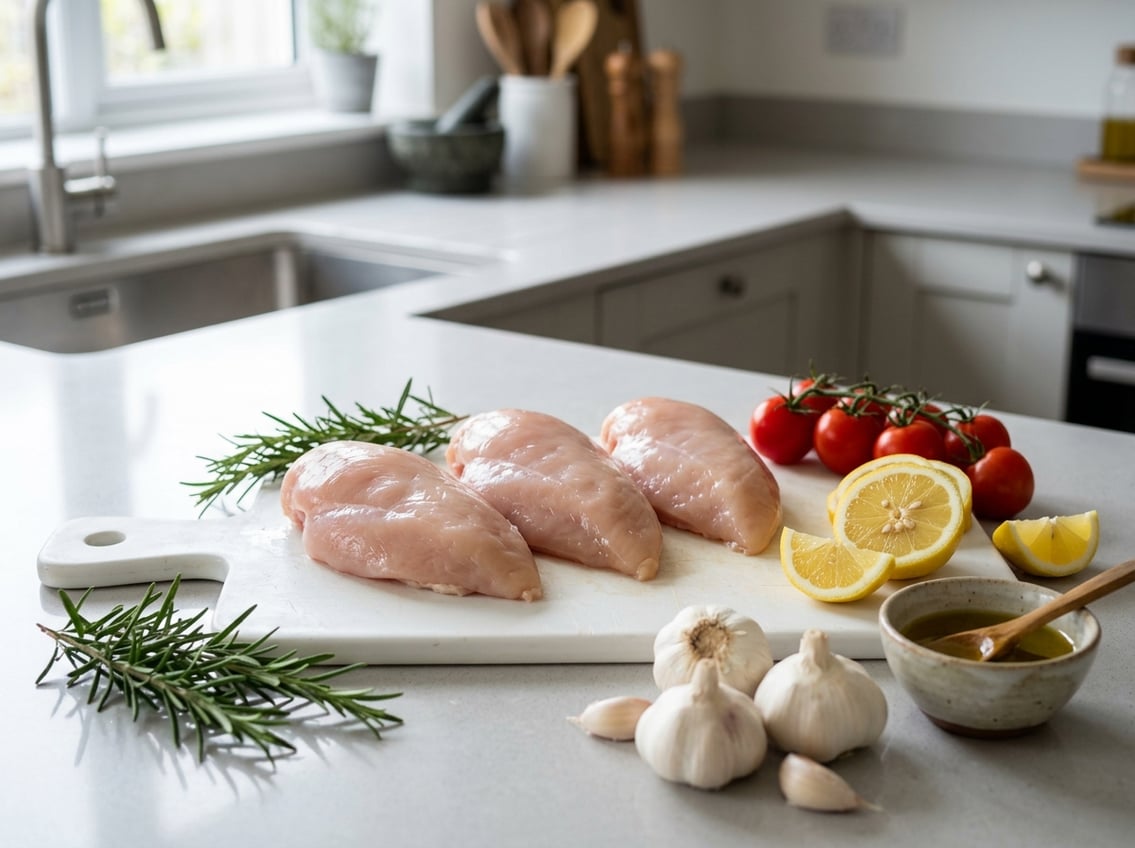
Chicken breast fillets fit many everyday meals because they cook quickly and slice cleanly.
They work well for simple cooking, fast dinners, and recipes where you want neat pieces of meat.
Fast Methods for Juicy Results
You can use baking, grilling, pan-searing, or sautéing for chicken breast fillets.
Thin pieces need short cooking times, while thicker pieces do better if you pound them to an even thickness first.
For cooking chicken breast, steady heat helps keep the meat from drying out.
Many home cooks also use marinades or light seasoning before grilling or baking, especially for grilled chicken breast.
When Fillets Work Better Than Full Breasts
Choose chicken breast fillets when you want quick, even cooking.
They are a good fit for meals where the meat gets sliced, tossed, or layered, such as salads, wraps, or pasta.
Full breasts make more sense when you want a larger serving or plan to stuff the meat.
Fillets are easier when speed and portion control matter.
Popular Meals and Everyday Recipe Ideas
Chicken breast fillets work well in chicken salad, chicken parmesan, chicken piccata, and chicken fajitas.
They also fit into pasta dishes and simple family dinners.
If you cook for a busy family, you can keep a few chicken fillets on hand to make weeknight meals easier.
This cut also reheats easily in many recipes, making it useful for meal prep.


