
How Are Chicken Breasts So Big? The Main Reasons
You may notice that chicken breasts in U.S. stores can look much larger than what you expect from a chicken. The size comes from breeding, feeding, housing, and the way modern poultry is processed.
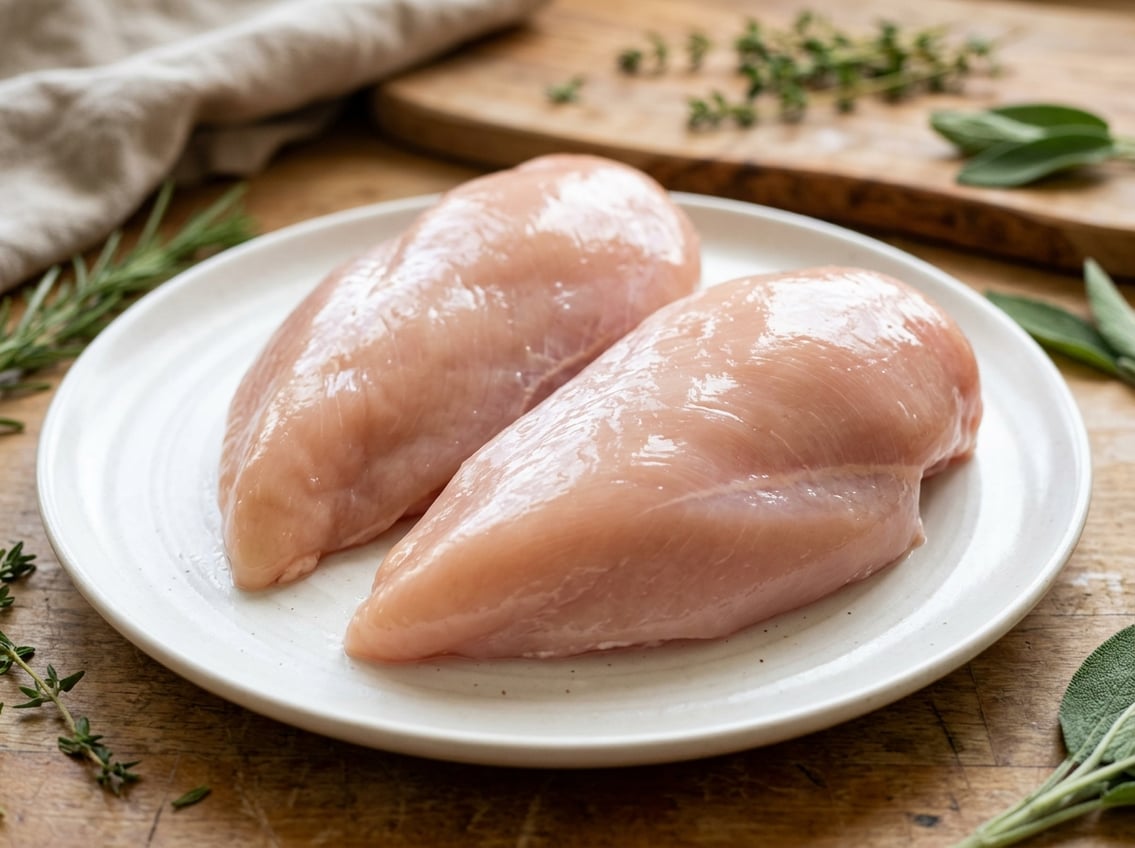
Commercial broilers have been bred and raised to gain muscle quickly, with a strong focus on white meat yield. That change affects what ends up in your grocery cart and shapes the look and texture of the meat you cook at home.
The Main Reasons Breasts Are Larger Today
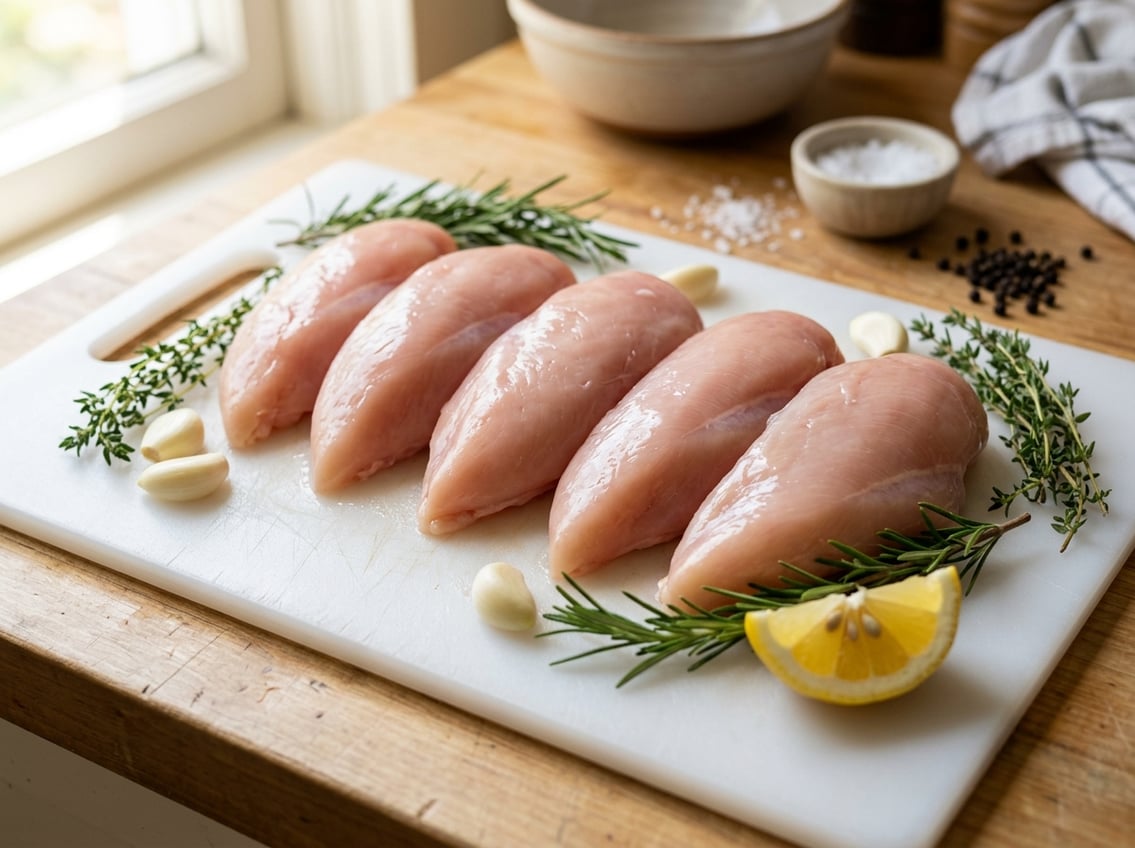
Farms have spent decades selecting birds that grow fast and put more weight into the breast muscle. Better feed, tighter climate control, and lower-stress housing help broilers reach market weight sooner.
Selective Breeding for Bigger Breast Meat
Selective breeding has led the industry to birds with larger breast muscles. Farmers choose breeding stock that passes on traits linked to more meat, faster growth, and better feed efficiency.
Consumer demand for white meat made bigger chicken breasts more valuable. Breeders kept selecting for that trait generation after generation.
Genetic Selection in Modern Broilers
Modern broilers are different from backyard chickens or older farm birds. Companies have developed lines specifically for meat production, with genetic selection aimed at fast growth and high breast-meat yield.
Today’s meat chickens are bred and raised to be much bigger and faster-growing than chickens from past decades. That is a major reason you see such large breast portions now.
Improved Nutrition and Faster Muscle Growth
Feed quality matters. When birds get balanced diets with enough protein, energy, and key amino acids, their muscles grow faster and more efficiently.
Improved nutrition helps the bird turn feed into body mass more quickly. That extra growth shows up most clearly in the breast, which is the largest muscle group in a market chicken.
Environmental Control and Lower Stress During Growth
Temperature, lighting, ventilation, and space management all affect how well birds grow. Modern farms use environmental control to reduce heat stress, cold stress, and other problems that slow growth.
Lower stress helps birds use more of their energy for growth instead of survival. That supports larger chicken breast size by the time the birds reach processing age.
Why Grocery Store Portions Look So Oversized
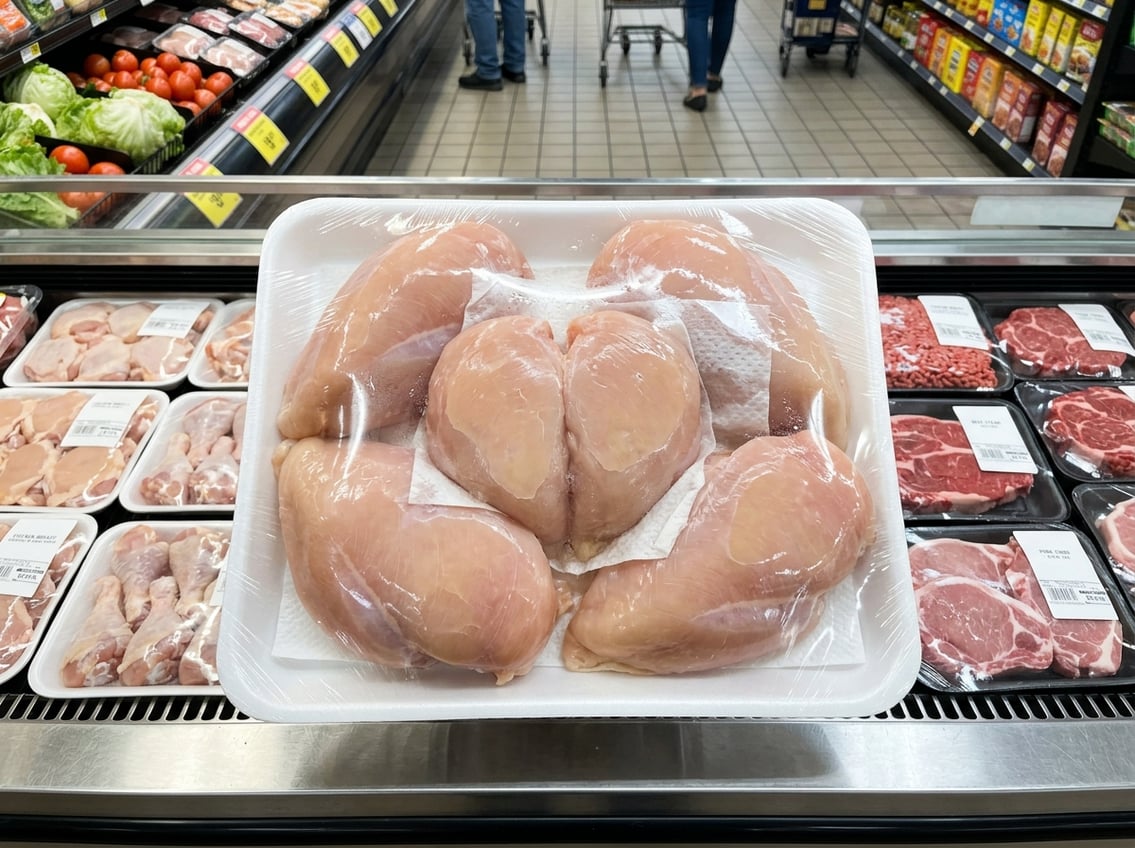
The market shapes what you see in the meat case, not just the bird. Store buyers want cuts that match how people cook at home, and processors cut and package breasts in ways that make them look even larger.
Consumer Demand for White Meat
U.S. shoppers buy a lot of boneless, skinless breast meat. That demand pushes producers to raise birds that carry more of their weight in the breast, not the legs or wings.
When the market rewards bigger white meat portions, the industry keeps breeding and raising birds to fit that demand.
How Processing and Cutting Make Portions Seem Bigger
A boneless breast can look larger than a bone-in cut because all you see is the meat itself. Trimming away skin, bone, and excess fat leaves a piece that appears fuller and more uniform.
Many supermarket packs contain two very large, thick pieces, so the portion size stands out even more. The shape of the cut can make chicken breast size seem bigger than it would in a whole bird.
Why Boneless Skinless Pieces Stand Out More
Boneless, skinless breasts are popular because they are easy to cook and easy to portion. They also look clean and simple in the package, which makes size more obvious at a glance.
By contrast, thighs and drumsticks look smaller because they are mixed with bone and skin. Breeding for meat yield has changed the look of supermarket chicken, including visible changes in the flesh itself.
Common Misconceptions About Growth
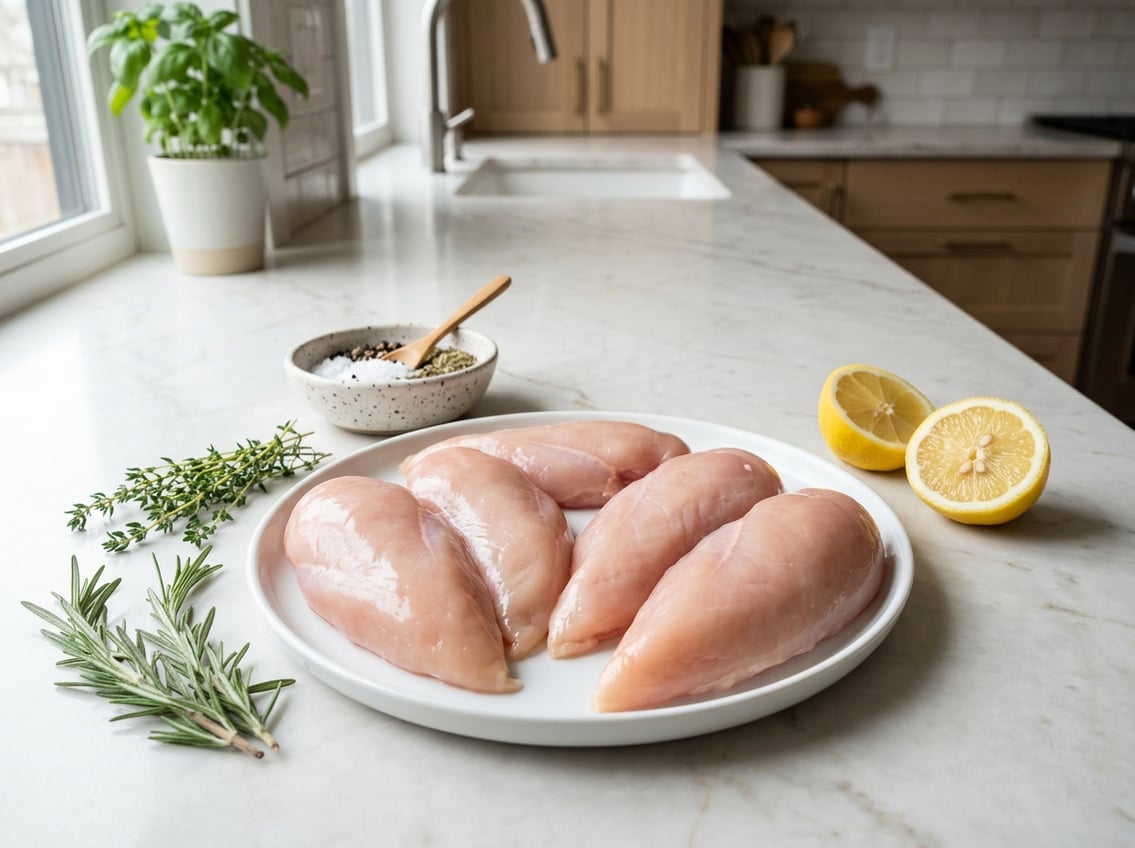
Big chicken breasts often lead to rumors about hormones or other shortcuts. The real explanation starts with breeding, feeding, and housing practices that favor fast growth in broilers.
Why Hormones Are Not the Real Explanation
In the U.S., producers do not use hormones to make commercial chickens grow bigger. The large size comes from long-term genetic selection and better production systems.
The bird’s growth pattern is built into the genetics of the strain. The size you see is the result of breeding choices, not a simple injection.
The Difference Between Breeding, Feeding, and Injection Claims
Breeding changes what traits a bird can inherit. Feeding affects how quickly those traits show up.
Injection claims usually mix up processing terms like “enhanced” or “plumped” meat with growth in the live bird. The main drivers are genetic selection and improved nutrition, not a secret additive.
The processing plant may add solution in some products for flavor or moisture, but that does not create the bird’s size.
How Heritage Birds Compare With Commercial Strains
Heritage birds usually grow slower and have smaller breasts. They are closer to older poultry types and do not carry the same heavy breast muscle as commercial broilers.
Commercial strains are bred for yield, while heritage birds are not shaped by the same pressure for fast growth and big chicken breasts.
Trade-Offs of Bigger Birds
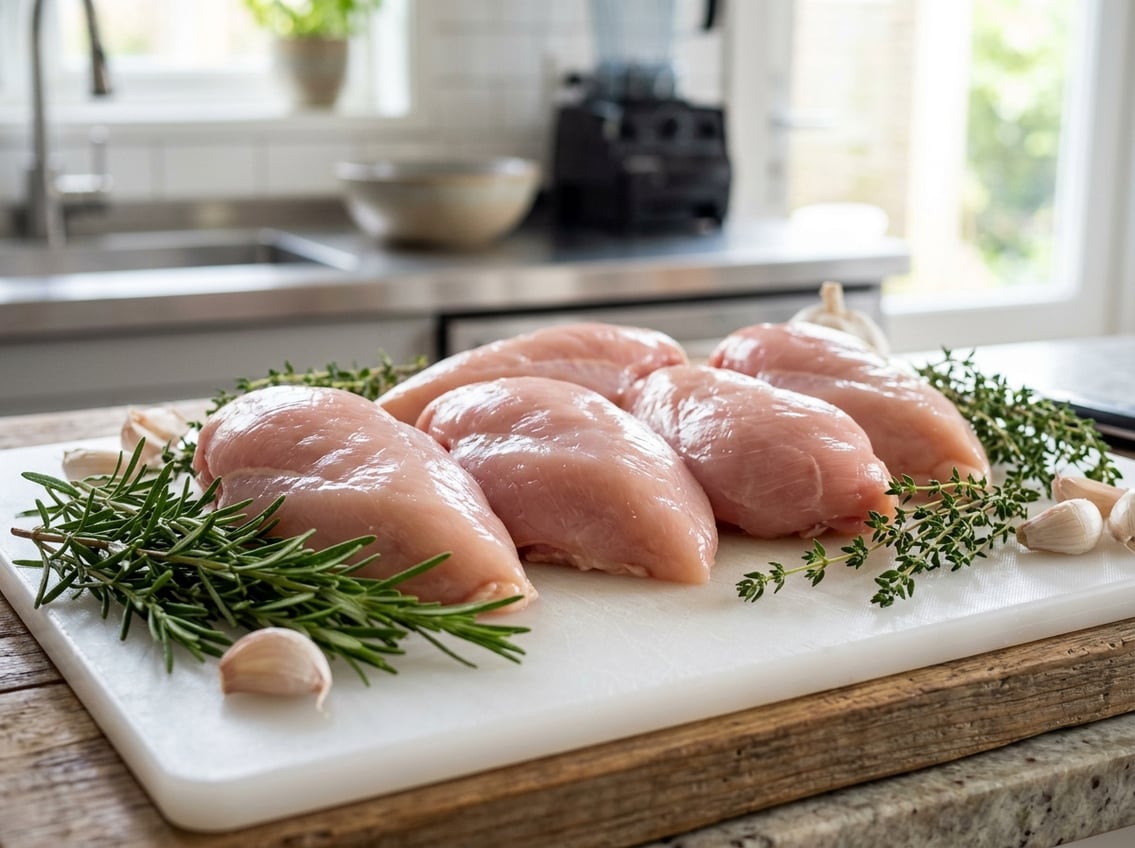
Larger breast muscles come with trade-offs in meat quality, bird health, and how you cook the meat. Bigger chicken breast size can help yield and convenience, but it also changes the bird in ways you may notice at the table.
Meat Quality and Texture Changes
Fast growth can affect texture. Some large breasts are less uniform in feel, and they may dry out faster if overcooked.
You may also see visible white striping in some supermarket chicken, which reflects changes in muscle growth. That can matter if you want a firmer texture or more even cooking.
Animal Welfare and Rapid Growth Concerns
Rapid growth can place stress on broilers, especially when the breast grows faster than the rest of the body can support. Breeding for size can raise animal welfare questions.
Industry groups aim for efficient production, while critics point to the strain that heavy breast mass can place on birds. The result is a trade-off between high output and bird well-being.
What Bigger Breast Muscles Mean for Buyers
Bigger chicken breasts usually mean larger servings and more meat per package.
You may need to adjust cooking time, since thick breasts can dry out on the outside before the center is done.
If you want more even results, split, pound, or butterfly very large pieces before cooking.
That simple step helps you manage the size that modern poultry production has created.


