
Is String Bean Chicken Breast Sweet? Flavor Explained
String bean chicken breast usually tastes mildly sweet, but not dessert-like. The sweetness sits behind soy sauce, garlic, ginger, and a savory stir-fry glaze.
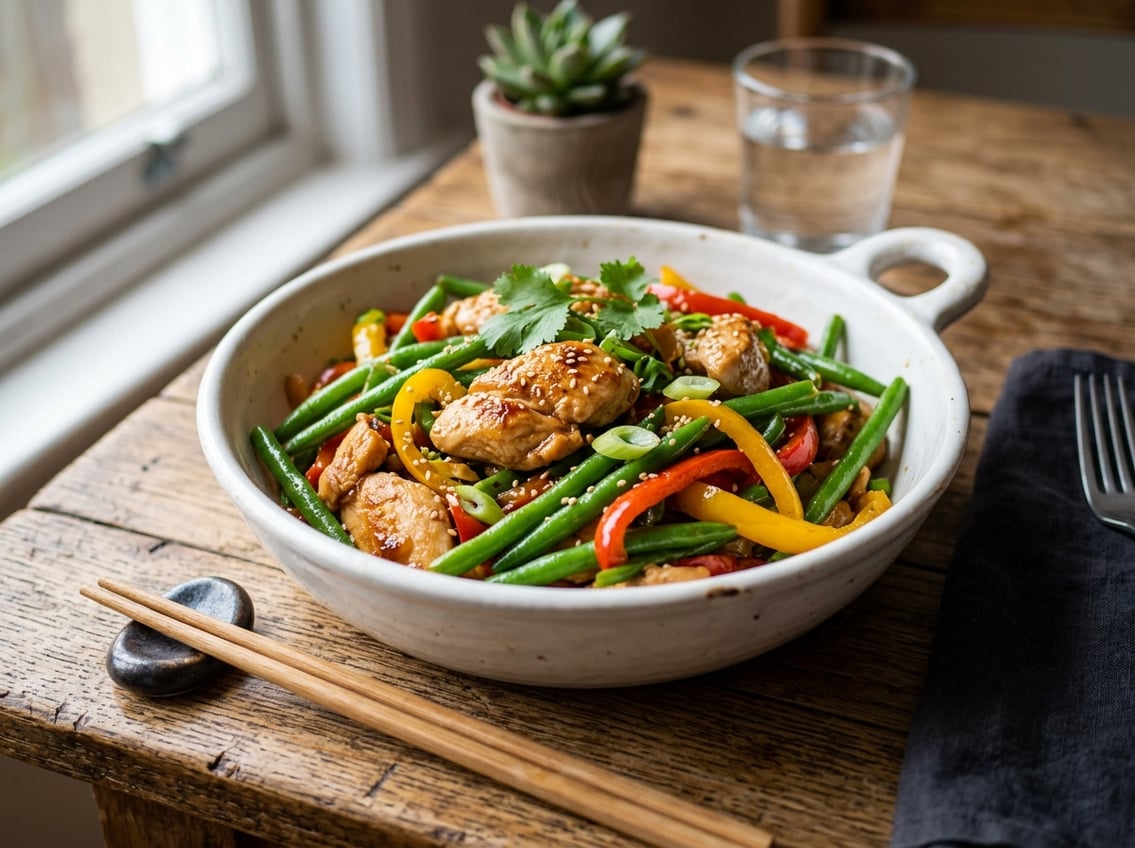
Most Chinese food versions, especially Panda Express string bean chicken breast, lean savory first and lightly sweet second. That balance makes homemade copycat string bean chicken work well, since you can control the sugar, salt, and sauce thickness.
What the Flavor Usually Tastes Like
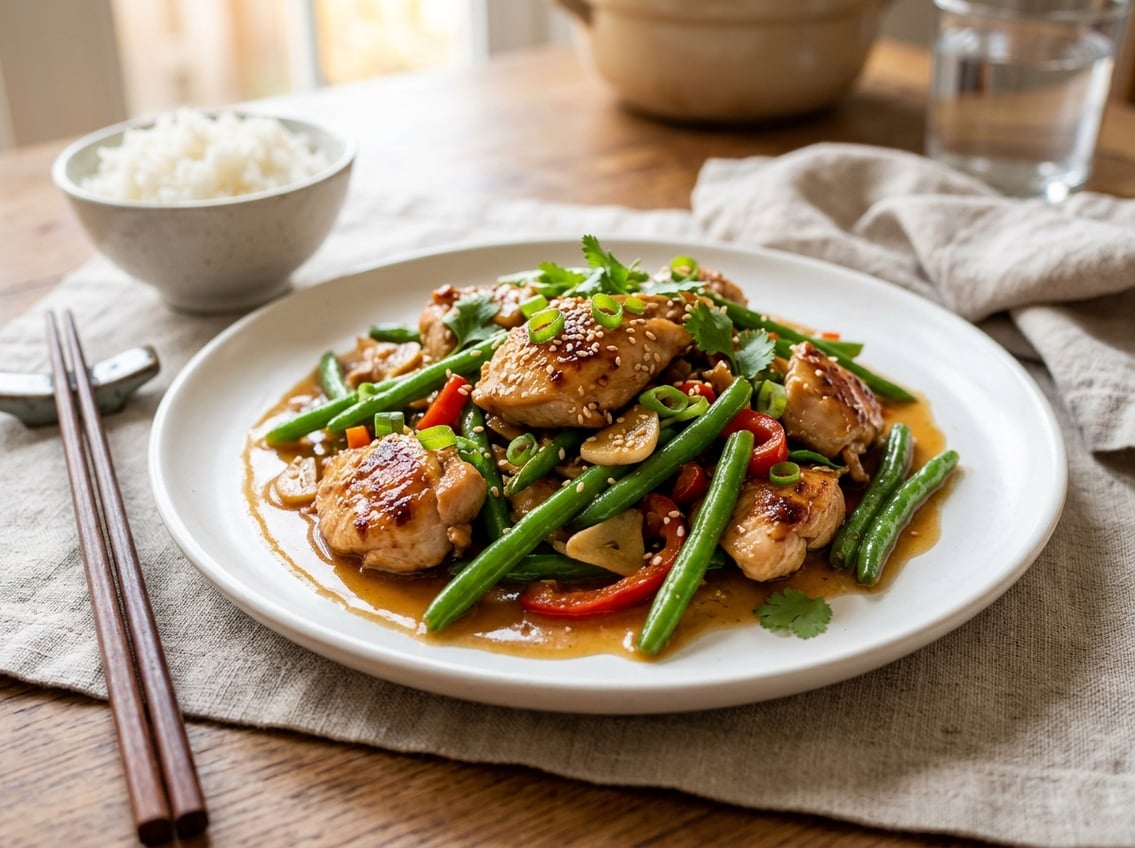
String bean chicken tastes light, salty, and savory with a faint sweetness in the background. Many stir fry versions use soy sauce, oyster sauce, ginger, and a little brown sugar for a balanced flavor.
A well-made string bean chicken recipe tastes closer to a glossy chicken and green beans stir fry than to a sweet glazed dish. The sauce coats the chicken and vegetables, not drowns them.
Why the Dish Is Usually Mildly Sweet, Not Sugary
A small amount of sugar or a sweetened stir fry sauce adds a sweet note, not heavy syrup. In many copycat recipes, sugar rounds out salt and acid instead of dominating the flavor.
The sweetness supports the sauce, especially in a Panda Express copycat recipe that aims for the familiar takeout profile.
How Savory, Salty, and Umami Balance the Sauce
Soy sauce and oyster sauce bring salt and umami. Ginger and garlic add sharpness, so the sweetness feels even softer by comparison.
A good sauce can taste a little sweet at first, then finish savory. Dishes like Panda Express mushroom chicken often feel similar in style.
How Panda Express Versions Compare With Homemade Stir-Fry
Panda Express string bean chicken breast uses a light, glossy sauce and crisp vegetables. A homemade version can taste less sweet if you use less sugar and more soy sauce or chicken stock.
Many copycat recipes try to match that takeout flavor. A home stir fry often tastes fresher and less coated.
Which Ingredients Make It Taste Sweet
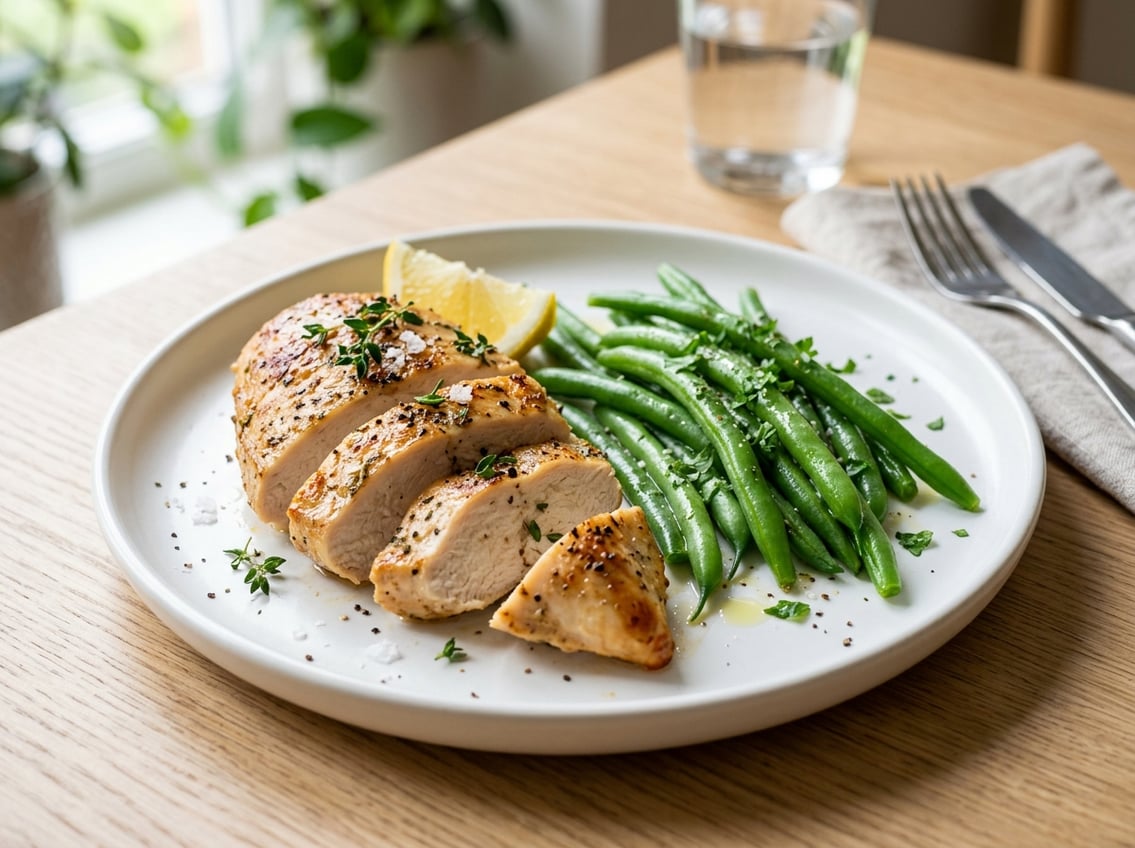
A few ingredients can nudge the dish toward sweet, even when you do not add much sugar. Brown sugar, mirin, and some bottled sauce blends usually make the biggest difference.
The base ingredients also matter. Light soy sauce, low sodium soy sauce, and rice vinegar shape the final taste as much as any sweetener.
Sweetness From Brown Sugar, Mirin, and Sauce Additions
Brown sugar gives direct sweetness in many home recipes. Mirin, shaoxing wine, and a little chicken stock add a rounder, softer taste that reads as slightly sweet even with modest sugar.
Rice vinegar and rice wine vinegar add brightness and balance. If you use a sauce with more mirin or less soy sauce, the dish tastes sweeter very quickly.
How Garlic, Ginger, and Sesame Oil Change Perceived Sweetness
Garlic and ginger do not add sugar, but they change how your palate reads the sauce. Ginger gives a warm bite, and garlic adds a strong savory note, so the sweet taste feels gentler.
Sesame oil adds richness. That richness can make a sauce taste fuller and slightly sweeter, even when the actual sugar stays low.
Why Chicken Marinade and Cornstarch Affect Texture More Than Sugar
A chicken marinade with soy sauce, ginger, or rice vinegar adds flavor. Cornstarch mainly affects texture.
Cornstarch helps the chicken stay tender and gives the sauce a smooth, glossy finish. The marinade and cornstarch change mouthfeel more than sweetness.
How Preparation Changes the Final Taste
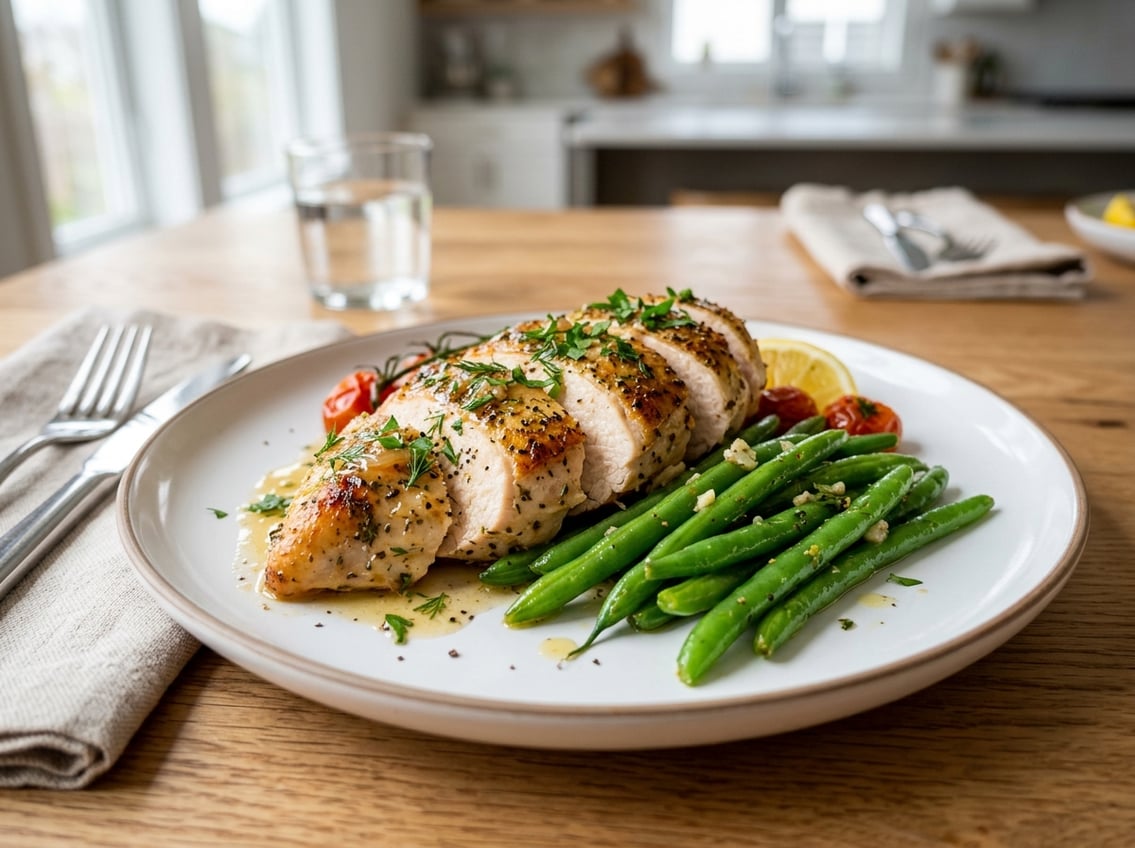
Cooking method changes the flavor as much as the sauce. Fresh vegetables, hot wok cooking, and thin chicken slices help the dish taste brighter and less sugary.
For how to make string bean chicken, timing matters because overcooked beans and chicken can make the sauce feel heavier. A fast stir fry recipe keeps the flavor clean.
Fresh Green Beans vs Frozen Green Beans
Fresh green beans, also called string beans, stay crisper and taste cleaner in the final dish. French petite green beans work well if you want a tender bite and a fast cook time.
If you use frozen green beans, the texture softens more easily, and the sauce may seem sweeter because the beans do not add as much snap. For the best balance, fresh green beans usually give you the most restaurant-like result.
Why Wok Heat and Stir-Fry Timing Matter
High heat in a wok helps the sauce cling without turning watery. It also keeps the chicken from steaming, which preserves a savory edge.
When the cook time is short, the aromatics stay sharp and the green beans stay bright. The sweetness feels light instead of heavy.
How Chicken Cut and Slicing Affect Sauce Balance
Boneless skinless chicken breast takes on sauce quickly when sliced thin. If the pieces are too thick, the inside can taste plain while the outside tastes sweeter from the glaze.
Thin slices or small pieces help the sauce distribute evenly. The chicken should taste seasoned all the way through.
How to Make It Less Sweet or More Sweet at Home
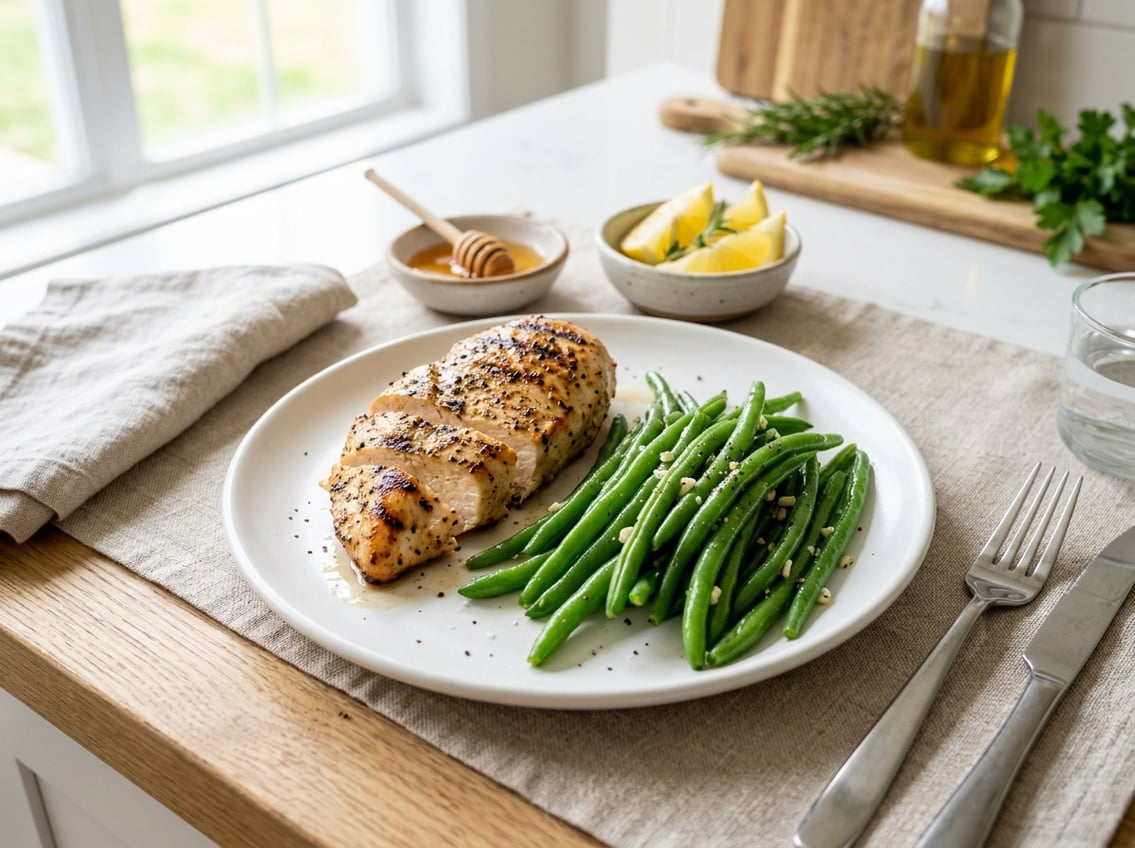
Home cooking gives you control over the sauce. You can tilt a copycat string bean chicken toward savory, or make it closer to a takeout-style sweet glaze.
The easiest changes involve soy sauce, vinegar, and a small amount of sugar. Those ingredients shape the final balance.
Easy Adjustments for a More Savory Copycat Version
For a less sweet dish, reduce brown sugar or skip it. Add more soy sauce, low sodium soy sauce, or light soy sauce for deeper salt and umami.
A splash of rice vinegar or rice wine vinegar cuts sweetness. Oyster sauce and chicken stock can make the sauce taste fuller without adding much sugar.
How to Add Sweetness Without Overpowering the Dish
If you want more sweetness, add it slowly. A teaspoon of brown sugar or a little mirin can change the flavor fast, especially in a small batch.
Keep the sauce thin at first, then taste after it heats. That gives you a better sense of how sweet the final dish will taste once it reduces and coats the chicken.
Best Ingredient Swaps for Sodium, Vinegar, and Sauce Balance
Choose low sodium soy sauce to reduce salt while keeping stir fry flavor. Light soy sauce gives a sharper, saltier edge.
Regular soy sauce offers a deeper taste. Pick rice vinegar or rice wine vinegar based on what you have.
Sesame oil and chicken stock help round out the sauce. Oyster sauce adds body and helps balance sweetness.


