
Which Chicken Breast Is Best? A Smart Buying Guide
Choosing which chicken breast is best starts with the meal you want to cook.
In many cases, the best choice is a fresh, firm, pale pink breast with little excess liquid and a clean smell.
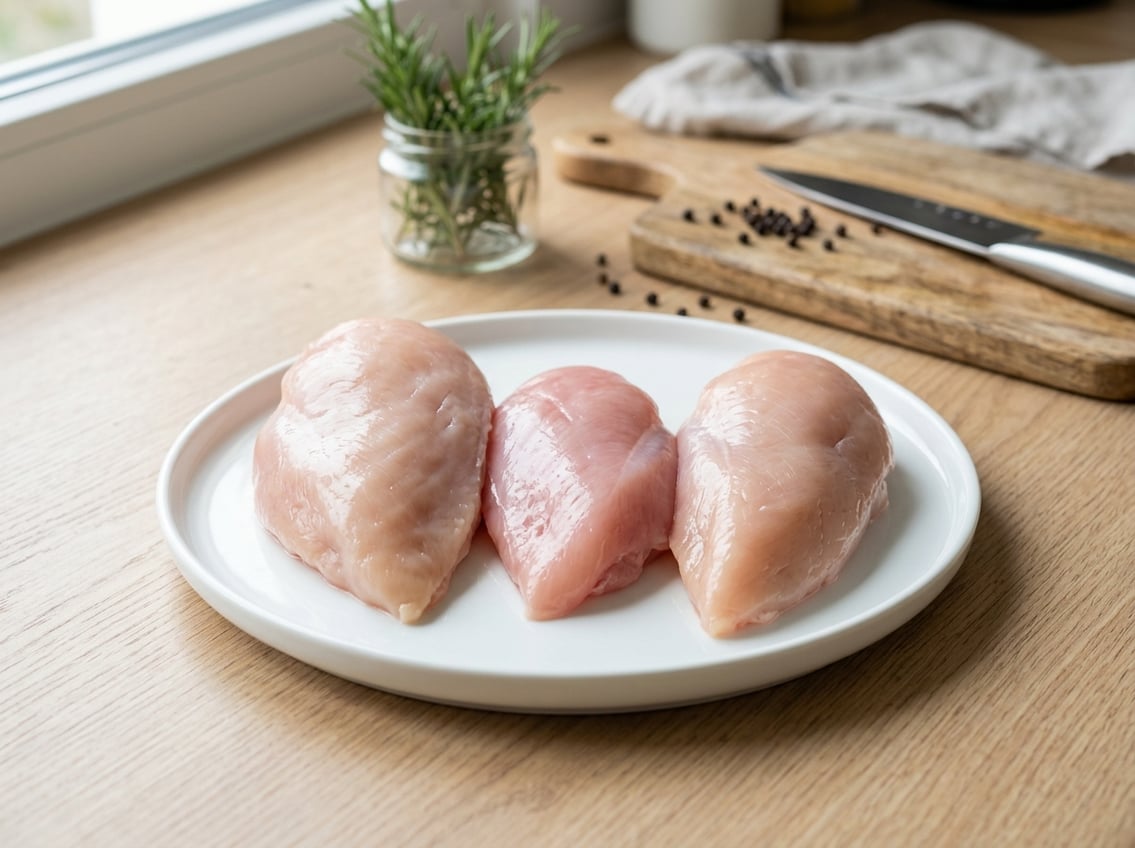
The right pick is not always the biggest breast or the cheapest pack.
Pick the cut that matches your recipe, your budget, and how much time you have.
If you want the best chicken breast for most home cooking, buy fresh, evenly sized boneless, skinless breasts with a firm feel, then match the cut to the dish.
That simple rule gives you better results for grilling, baking, sautéing, and meal prep.
What To Buy First at the Store
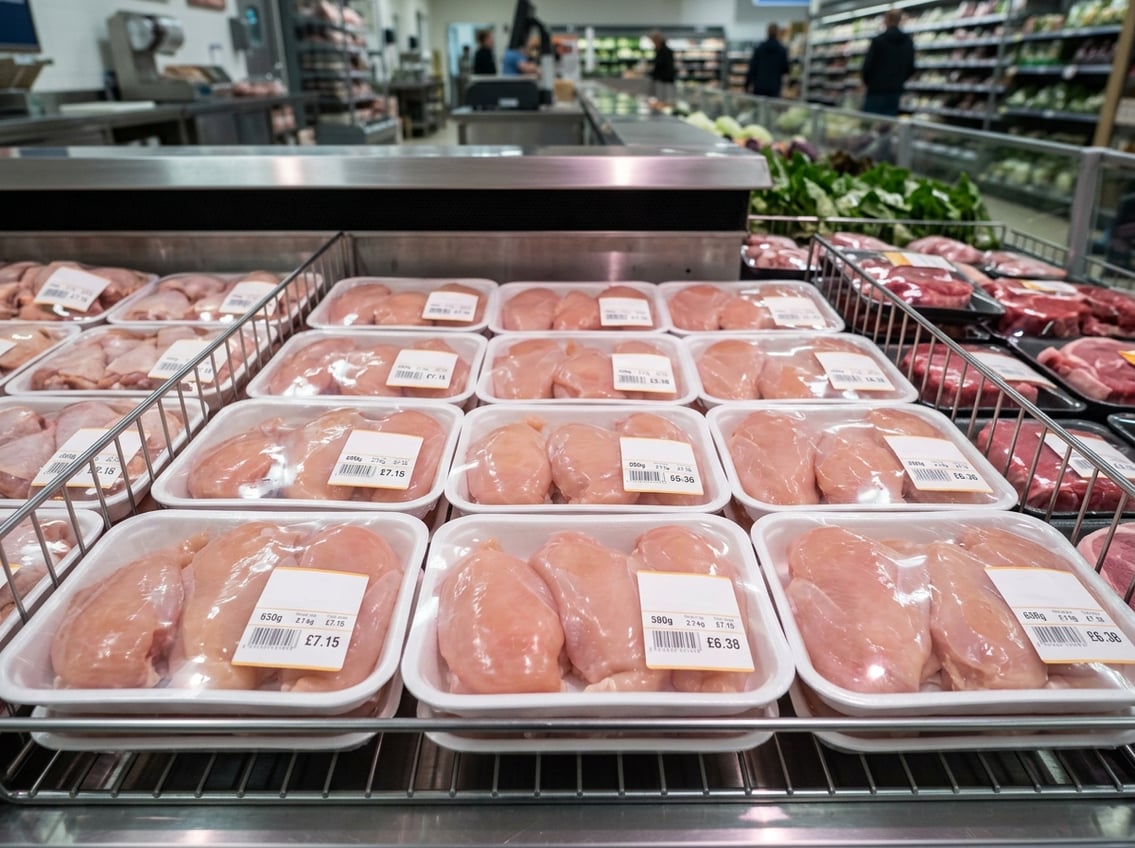
Start by finding the freshest chicken breast with the best shape for your recipe.
Labels matter, but the meat itself tells you more than marketing claims.
Signs of Freshness and Quality
Look for chicken breasts that are pale pink, firm, and shiny, with no gray spots or strong odor, as noted in a grocery store buying guide from Eat This, Not That.
The meat should spring back when you press it gently.
If you see a lot of cloudy liquid in the package or the meat looks bruised, choose another option.
Size matters too.
Very large breasts can cook unevenly and dry out on the outside before the center is done.
For easier cooking, pick pieces that are close in size and thickness.
Organic, Conventional, and Label Claims
“Organic” means the birds ate organic feed, but it does not guarantee better taste or texture, according to the same Eat This, Not That guide.
Terms like “free-range” and “natural” can be less useful than many shoppers expect.
If you care about added processing, look for “raised without antibiotics” or “air chilled” when available.
Air-chilled chicken often has a better texture because it does not become waterlogged during chilling, which helps the surface cook better.
Whole Breasts, Tenderloins, and Thin-Cut Options
A whole chicken breast is the most flexible choice.
You can slice it into cutlets, cube it, stuff it, or pound it thin.
Chicken tenderloins work well when you want quick cooking and easy portioning.
Thin-cut chicken breasts or pre-cut chicken cutlets save time, especially for breaded dinners, sandwiches, and fast sautés.
How the Right Cut Depends on the Dish
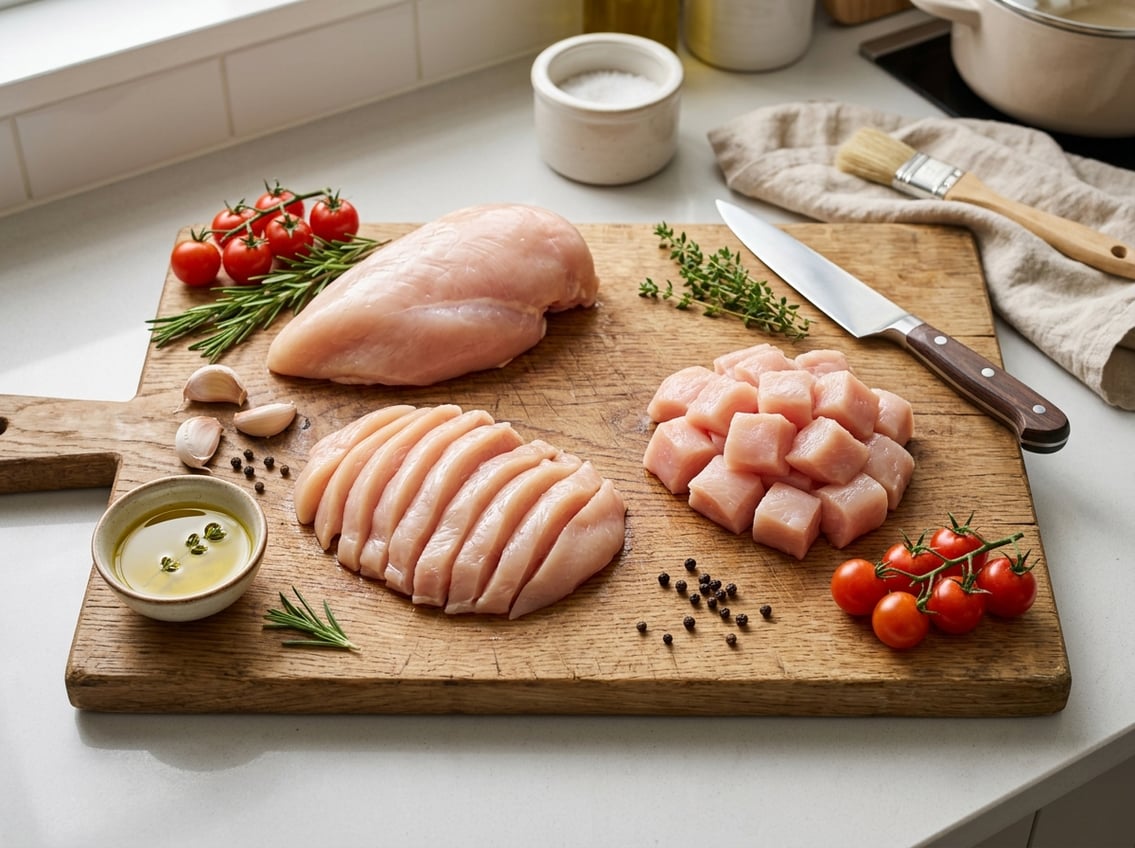
The best chicken breast for one recipe may not work for another.
Thickness, surface area, and whether you keep the meat whole or slice it all affect the final result.
Best Picks for Grilling and Simple Seasoning
For grilled chicken, pick medium-size, even breasts so they cook at the same rate.
A grilled chicken breast gives you a clean flavor and easy slicing.
If you are making grilled chicken breasts or grilled chicken breast recipes, boneless, skinless breasts are the easiest option.
They also work well for baked chicken breast when you want a simple pantry seasoning mix.
Best Picks for Skillet Sauces and Breaded Dinners
For dishes like chicken piccata, chicken marsala, and chicken parmesan, use thin cutlets.
They cook fast and stay tender in sauce.
Use chicken cutlets for schnitzel, breaded chicken, or chicken cordon bleu.
Thin meat browns better and cooks through before the coating burns.
Best Picks for Soups, Casseroles, and Batch Cooking
For slow cooker chicken, chicken casserole, or chicken and wild rice soup, regular boneless breasts work well.
They shred easily and hold up in broth or sauce.
Use larger batches for white chicken chili, chicken enchiladas, or cajun chicken pasta.
These dishes benefit from chicken that stays moist after mixing with other ingredients.
How To Keep Chicken Breast Tender and Flavorful
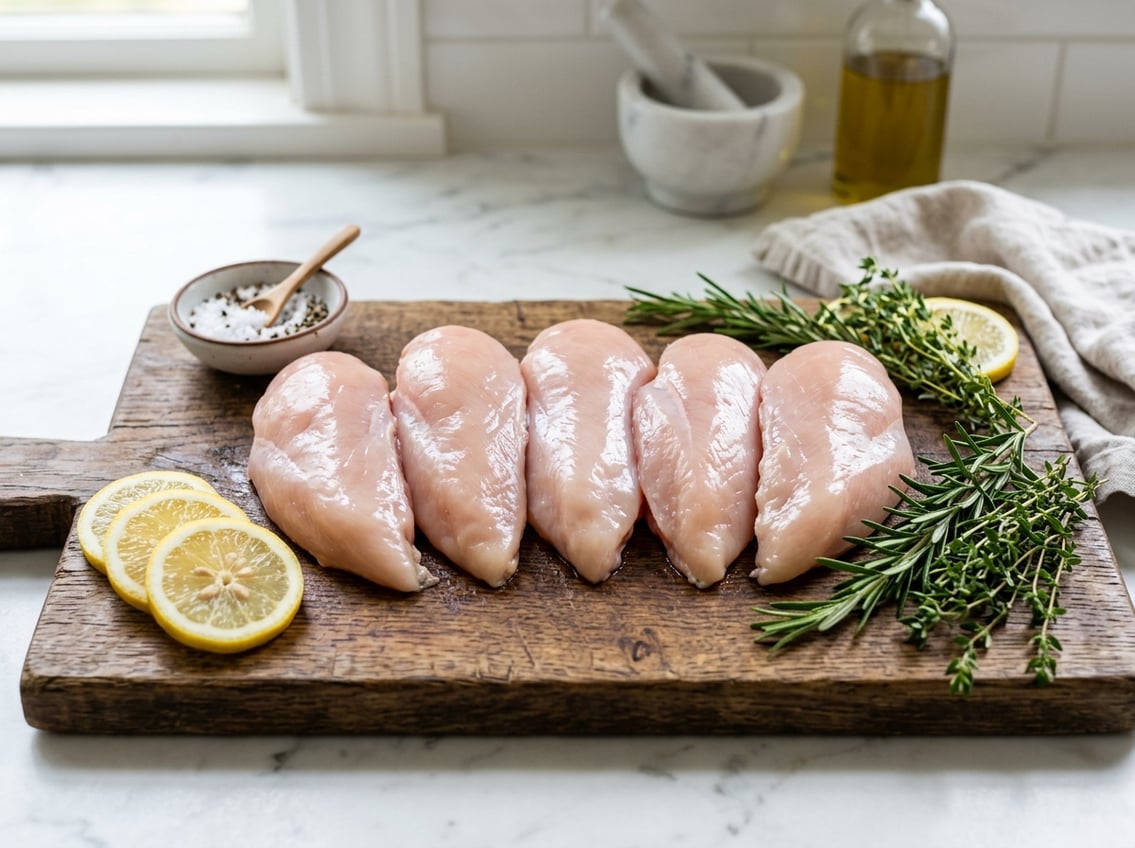
A juicy chicken breast depends on more than the cut you buy.
You also need the right prep, heat, and seasoning.
When To Brine, Marinate, or Pound Thin
Use a chicken marinade when you want more flavor and a little protection from drying out.
Acidic mixes work well for short marinating times, while yogurt-based blends help with tenderness.
Pound thicker breasts to an even thickness before cooking.
That helps with grilled chicken breast, baked chicken breast, and breaded chicken because the meat cooks evenly.
Cooking Temperatures That Prevent Dryness
Overcooking causes dry chicken, as chefs note in Simply Recipes.
Cook chicken breast to a safe internal temperature, then remove it from the heat as soon as it is done.
Let the meat rest for a few minutes before slicing.
That gives the juices time to settle so your first cut does not run dry.
Simple Seasonings and Sauces That Add More Flavor
Basic seasoning goes a long way.
Try salt, pepper, garlic powder, and paprika, or use ranch seasoning for a fast flavor boost.
For a fresh finish, top cooked chicken with homemade pesto, tzatziki sauce, or a simple lemon pan sauce.
Ideas like lemon pepper chicken and ranch chicken show how a few ingredients can keep the meat from tasting plain.
Best Uses for Everyday Meals and Meal Prep
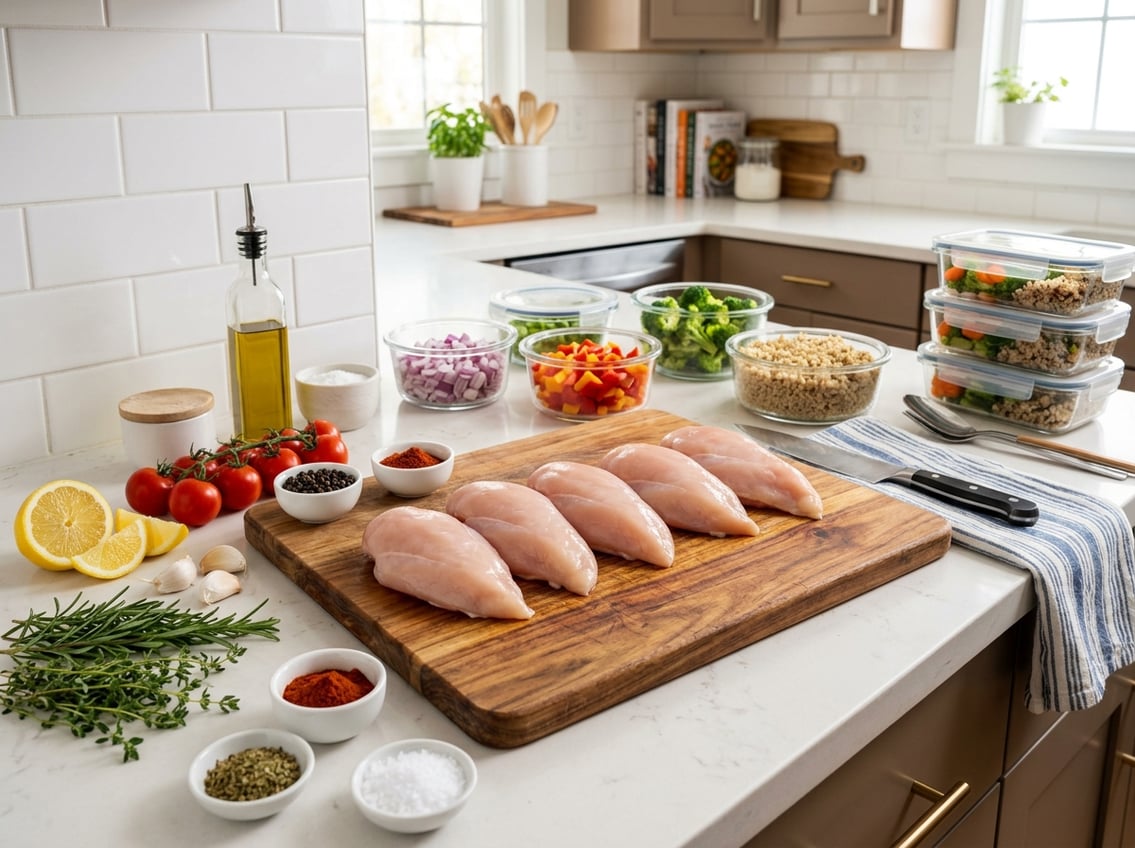
Chicken breast is one of the most flexible proteins in your kitchen.
Once you pick the right cut, you can turn it into fast dinners, lunches, and make-ahead meals with little extra work.
Fast Weeknight Favorites
For quick dinners, choose boneless, skinless breasts that you can slice, cube, or pound thin.
They work well in chicken breast recipes, chicken fajitas, chicken stir fry, and kung pao chicken.
They also fit into quick stir-fries and simple grilled chicken meals when you need dinner on the table fast.
Lighter Lunches, Salads, and Sandwiches
For chilled meals, boneless breasts are easy to cook and slice.
They work well in chicken salads, chicken caesar salad, and cobb salad.
You can also use leftover chicken for chicken sandwiches or sliced grilled chicken in wraps and grain bowls.
Recipes Worth Using Premium Chicken For
When you pay more for better chicken, use it in recipes where the flavor stays front and center.
Try chicken kabobs, simply seasoned grilled breasts, or lightly sauced skillet meals.
Premium chicken works well when you want the meat to be the main part of the plate.
A well-trimmed, evenly sized breast gives you the best chance at a clean, tender result.


