
What Causes Chicken Breast to Be Rubbery? Key Reasons
A mix of heat, moisture loss, and sometimes the chicken itself usually causes chicken breast to be rubbery.
When chicken breast turns dense, springy, or chewy, the protein often tightens too much during cooking or the meat starts with poor texture.
You can usually prevent rubbery chicken by controlling temperature, cooking time, and cut quality.
You can also learn when the issue is safe to eat, when it is not, and how to fix it after cooking.
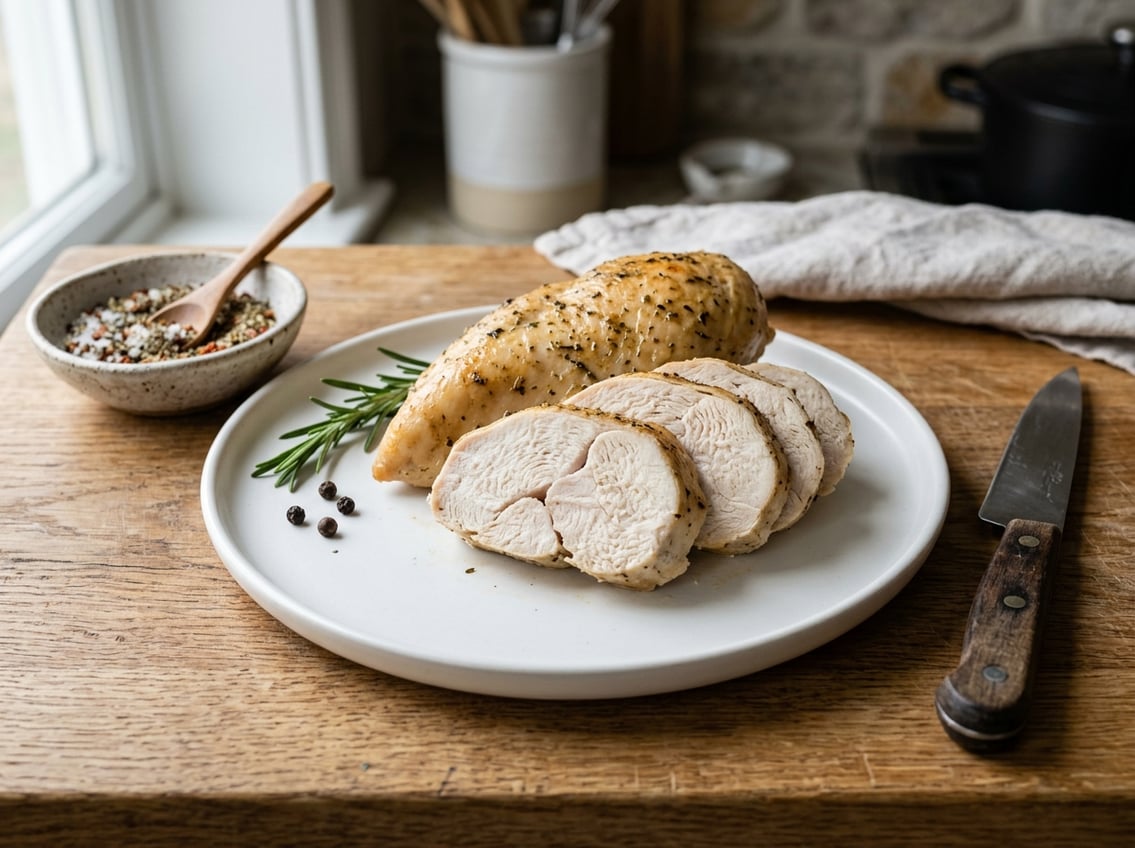
The Main Reasons Texture Turns Tough
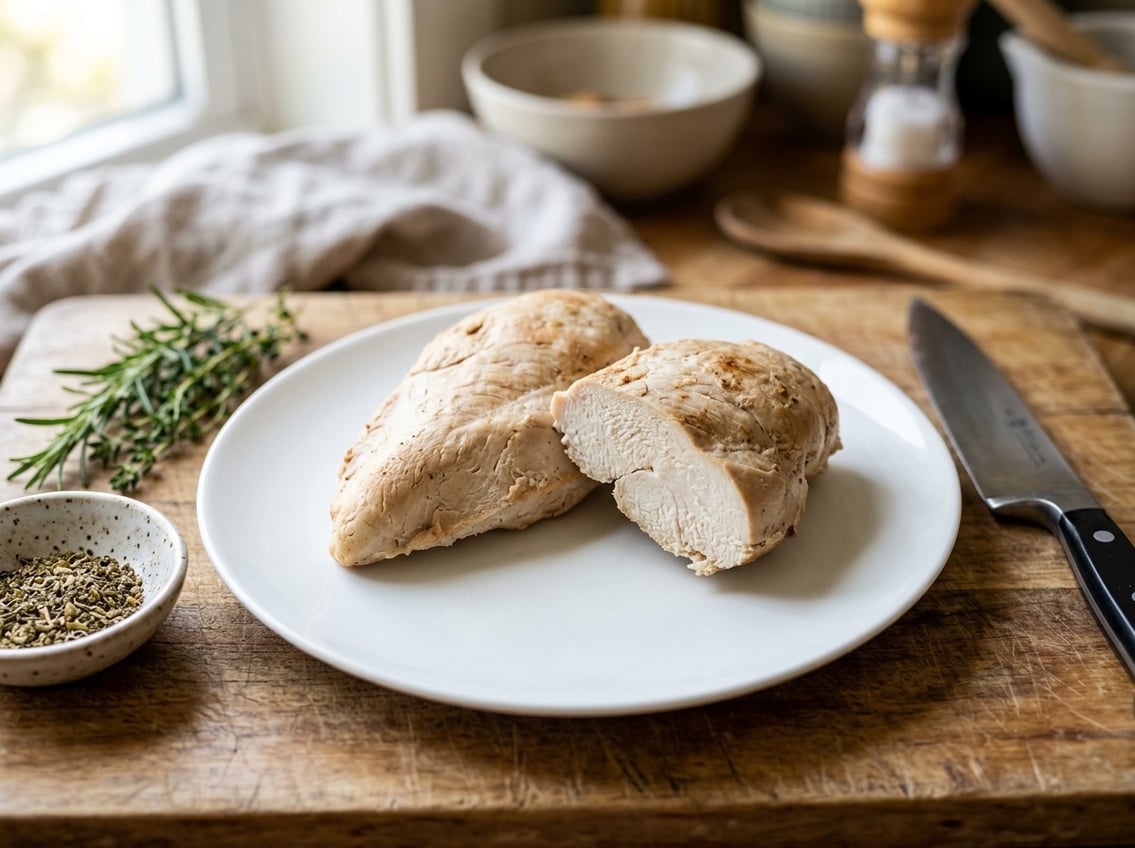
Temperature and timing usually cause chicken to turn rubbery.
Chicken breast is lean, so it dries out faster than darker cuts, and even a small mistake can leave you with chewy chicken instead of a tender result.
Overcooking and Moisture Loss
Overcooking chicken is the most common reason for a rubbery bite.
As the meat cooks too long, it loses moisture, the protein fibers tighten, and the texture turns firm and springy.
A meat thermometer helps you avoid this.
Aim for 165°F in the thickest part of the breast, then stop cooking as soon as it reaches that point.
Undercooked Chicken and Gelatinous Texture
Undercooked chicken can also feel rubbery, often with a shiny surface and a jiggly, slick texture.
A texture that looks pale, glossy, or soft in the center needs more cooking.
A thermometer gives you a more reliable answer than color alone.
Uneven Thickness and Heat Exposure
Thin ends cook faster than thick centers, so a breast with uneven thickness can become partly dry and partly underdone.
That uneven heat exposure often causes rubbery texture in one area and toughness in another.
Flatten the breast before cooking to help it cook at the same pace.
This reduces the chance that one side dries out while the thickest part catches up.
Cooking From Cold or Frozen Meat
Starting with very cold or frozen chicken can lead to uneven cooking.
The outside may sit in heat too long while the center is still catching up, which can leave you with dry edges and a chewy middle.
Let the chicken sit briefly at room temperature before cooking, if your method allows it.
If you cook from frozen, plan for slower, more even heat.
When the Problem Is the Chicken Itself
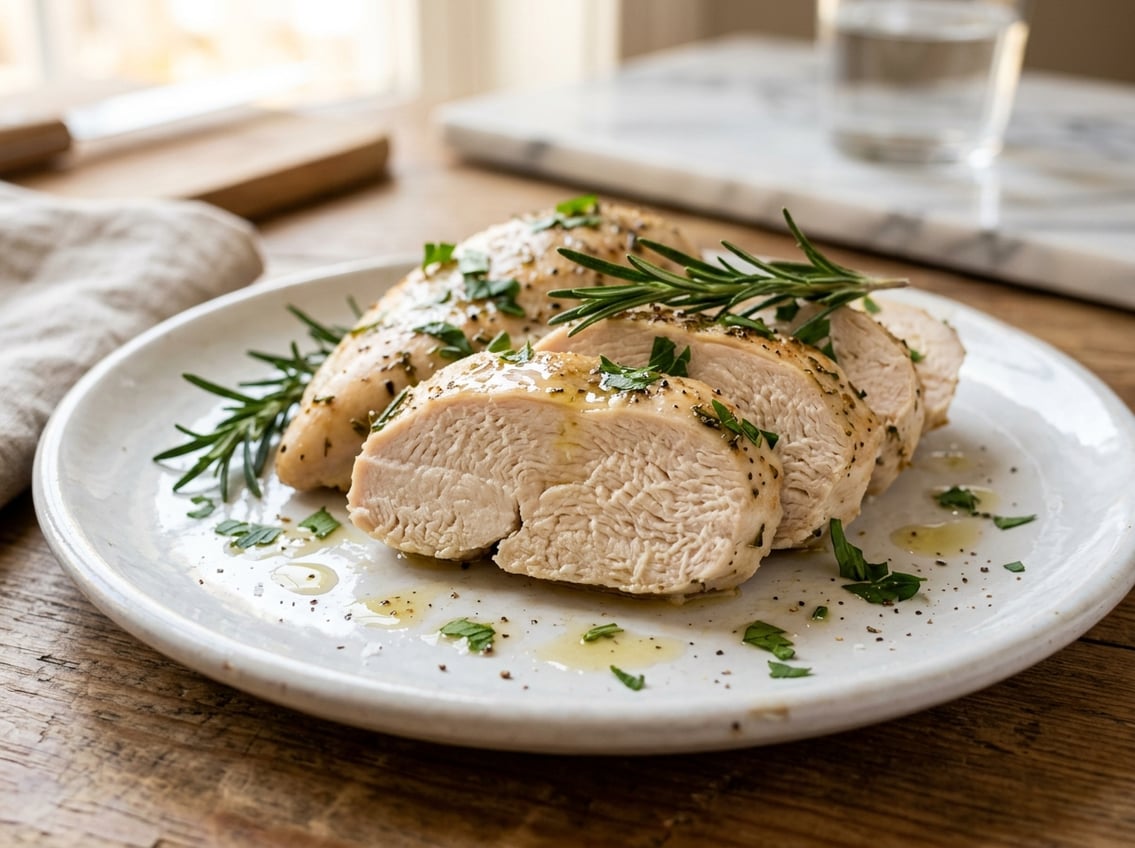
Sometimes the texture problem starts before you season the meat.
Certain chicken breasts have a naturally tougher structure, so even careful cooking may still leave you with rubbery or chewy chicken.
Woody Breast and Woody Chicken Breasts
Woody breast is a quality issue that can make the meat feel hard, fibrous, and unpleasant.
These chicken breasts often have a firm, dense texture that stays noticeable after cooking.
Researchers have linked woody breasts to knotted muscle fibers and more connective tissue.
That means the texture can be off even when your cooking method is correct.
White Striped Chicken and Texture Changes
White striped chicken has visible white lines of fat running through the muscle.
This can change the texture and make the meat less pleasant to eat.
Chicken with heavy white striping may still be safe, but it often cooks up less tender.
If you see strong white striping across several breasts in a package, the odds of a chewy result may be higher.
Why Smaller or Organic Chicken Can Help
Smaller breasts often cook more evenly and dry out less.
Some shoppers also prefer organic or slower-growing chicken for texture reasons, since quality can vary by production style.
That does not guarantee a perfect result, but it can help you avoid rubbery chicken more often.
For weeknight cooking, smaller and more evenly shaped breasts are usually easier to manage.
How to Prevent Dry, Chewy Results
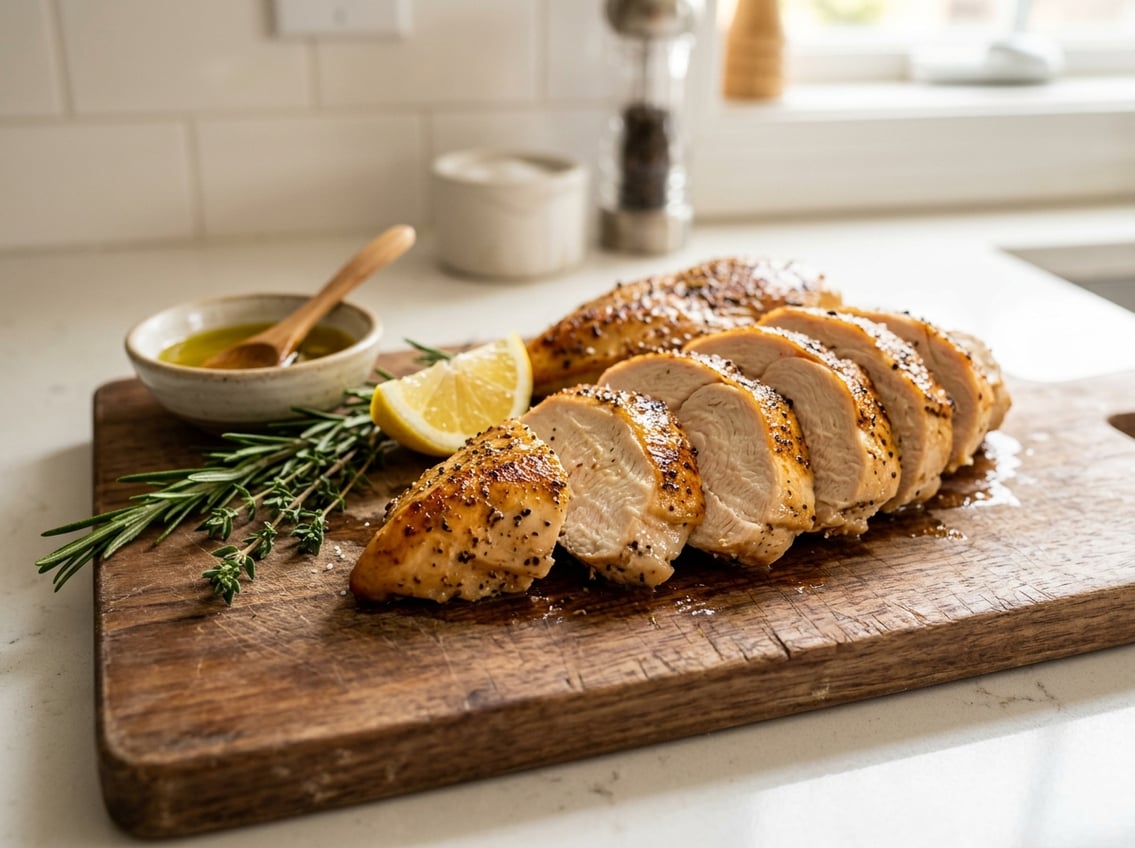
To prevent rubbery chicken, focus on moisture, even thickness, and the right cooking method.
Simple steps before and during cooking can do more than any sauce added later.
Use a Meat Thermometer the Right Way
A meat thermometer is the most reliable tool for avoiding dry chicken.
Insert it into the thickest part of the breast, away from the pan, bone, or fat pockets.
Pull the chicken when it reaches 165°F, or slightly before that if carryover cooking will finish the job.
Brine Chicken for Better Moisture
To brine chicken, soak it in a saltwater solution before cooking.
This helps the meat hold more moisture and stay more tender during high-heat cooking.
Brining works well for grilling, roasting, and pan-searing.
It is a useful step when your recipes call for lean breast meat.
Pound Breasts Evenly With a Meat Tenderizer
A meat tenderizer helps flatten thick spots so the breast cooks at the same rate.
Even thickness reduces the chance of one part drying out before the rest is done.
You can also slice a large breast in half lengthwise.
That method works well when you want faster, more even cooking for simple weeknight meals.
Match the Cooking Method to the Cut
Lean breast meat does well with gentle methods, like poaching, braising, or baking at moderate heat.
Dry heat can work too, as long as you watch temperature closely.
For very lean or large breasts, methods that add moisture usually give better texture.
If your recipe uses high heat, keep the cook time short and check early.
Resting and Slicing for Better Texture
Rest the chicken for a few minutes after cooking so the juices settle.
If you cut it too soon, more moisture runs out and the texture can seem drier.
Slice across the grain for a softer bite.
This simple step can make cooked breast seem less tough, even when the meat is fully done.
How to Fix It and Know if It Is Safe
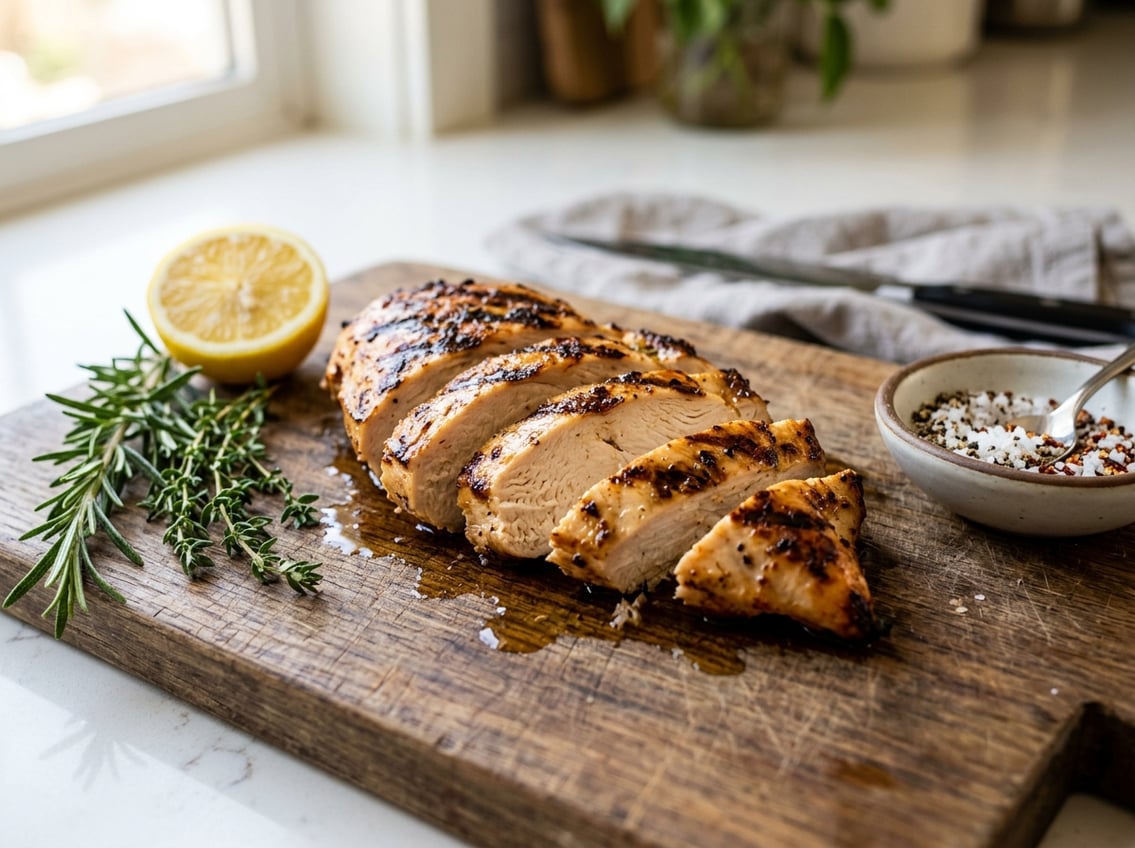
You can sometimes fix rubbery chicken after cooking by changing how you serve it.
Safety comes first, because texture problems from undercooked chicken are very different from texture problems from overcooked chicken.
How to Fix Rubbery Chicken After Cooking
If the chicken is already cooked through, shred it and mix it with broth, sauce, or another moist ingredient.
That helps soften the bite and makes the dish feel juicier.
This works best in soups, casseroles, salads, and tacos.
Sauce can also help mask dryness, which is useful when the meat is slightly overcooked.
Is Rubbery Chicken Safe to Eat
Whether rubbery chicken is safe to eat depends on why it feels rubbery.
If the chicken is fully cooked and just dry or tough, it is generally safe, though not very pleasant.
If the texture comes from undercooked chicken, it is not safe.
A thermometer is the best way to tell the difference.
Undercooked chicken should reach 165°F in the thickest part.
When to Discard It Instead of Serving It
Throw it out if you notice it is raw in the center, smells off, or has a slimy feel that seems unusual for cooked chicken.
Do not serve it if you are not sure the inside reached a safe temperature.
If the chicken is only dry or tough from overcooking, you can still use it in a moist dish.
If the texture comes with signs of spoilage or rawness, discard it.


