
Are Chicken Breasts Good for Weight Loss? Key Facts
If you are asking are chicken breast good for weight loss, the short answer is yes.
Chicken breast is a high protein, low calorie food that fits well into a weight loss plan when you portion it wisely and pair it with other nutrient-rich foods.
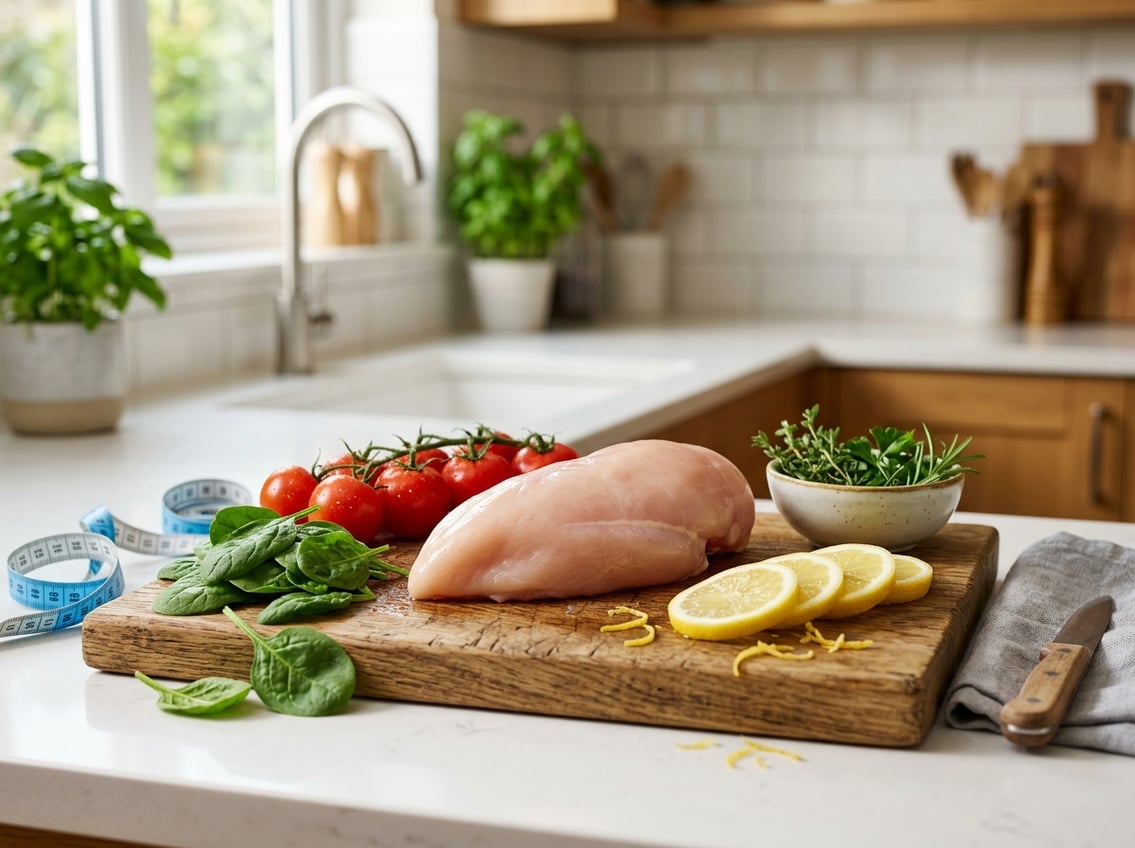
You get a lot of protein for relatively few calories, which can help support satiety and preserve muscle.
This can make your nutrition plan easier to follow.
Chicken breast is not a magic food.
Your results depend on your total calorie intake, your food choices across the day, and your activity level.
Chicken breast is a practical option because it is easy to cook and portion.
It also combines well with a balanced diet.
Why Chicken Breast Supports Fat Loss
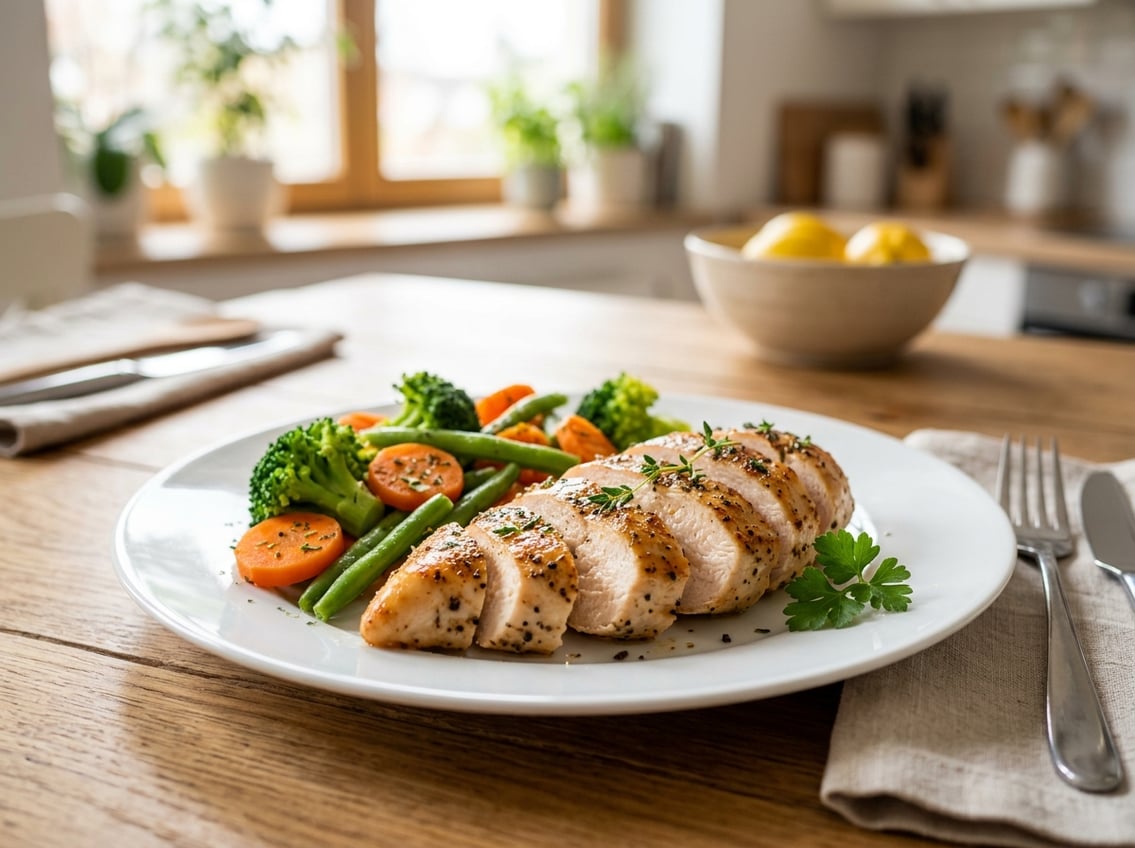
Chicken breast supports fat loss mainly because its protein content is high and its calorie count is relatively low.
That combination helps you stay full while staying within a calorie target.
It also gives you a simple way to build meals that support muscle maintenance during weight loss.
How Protein Increases Satiety and Helps Control Hunger
Protein tends to keep you full longer than many other macronutrients.
A chicken breast meal can help reduce between-meal snacking because it slows digestion and supports satiety.
Chicken breast provides amino acids your body uses for repair and recovery, which makes it a useful choice in a high-protein diet.
How Muscle Maintenance Supports Metabolism During a Calorie Deficit
When you lose weight, you can lose muscle along with fat if your protein intake is too low.
Eating enough lean protein helps you maintain muscle while you are in a calorie deficit.
Muscle tissue supports your metabolism and daily energy use.
Chicken breast gives you strong protein content with less fat than many other meats, which can make it easier to keep your calories controlled while you still meet your protein needs.
Why the Macronutrient Profile Makes It a Lean Choice
Chicken breast has a favorable macronutrient profile for fat loss.
It is rich in protein, low in calories, and usually low in fat when the skin is removed.
It also contains cholesterol, so portion size still matters if you are watching your heart health.
For many people, chicken breast remains a lean protein choice that works well inside a balanced plan.
How Much to Eat and How to Build a Balanced Plate
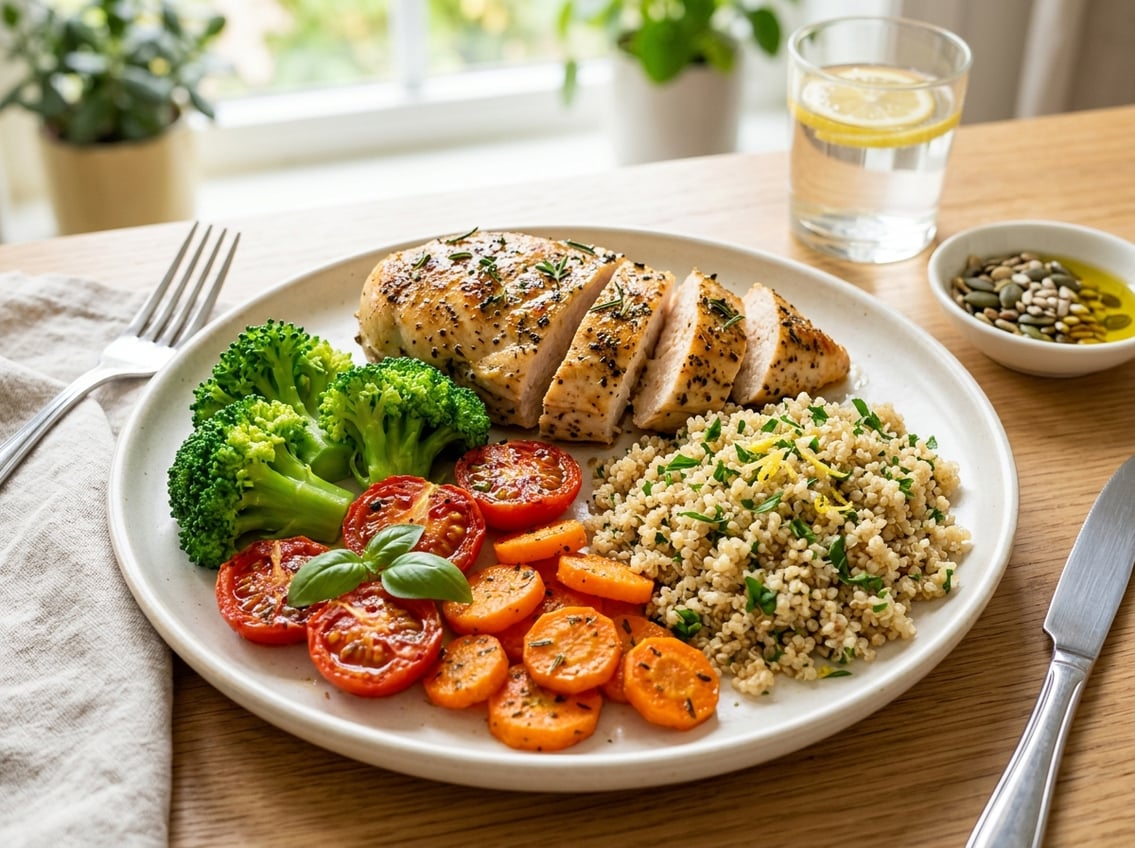
Portion control matters as much as food choice.
A sensible serving of chicken breast can anchor a meal without crowding out vegetables, whole grains, fruits, or healthy fats.
What a 3-Ounce Serving Looks Like in Practice
A 3-ounce serving is about the size of a deck of cards.
In many cases, that is enough for one meal when you also include vegetables and a fiber-rich side.
Cooked chicken breast at this size often gives you a strong dose of protein without a large calorie load.
According to chicken breast nutrition facts for weight loss, a 3-ounce cooked serving can provide about 26 to 30 grams of protein.
Using Portion Control Without Under-Eating Protein
If you are active or trying to preserve muscle, you may need more than one small serving across the day.
The goal is to use portion control while still meeting your protein target.
You can spread your protein sources across meals.
Chicken breast can be one of them, along with eggs, yogurt, fish, tofu, or legumes.
Best Pairings With Whole Grains, Vegetables, and Healthy Fats
A balanced diet works better than a protein-only approach.
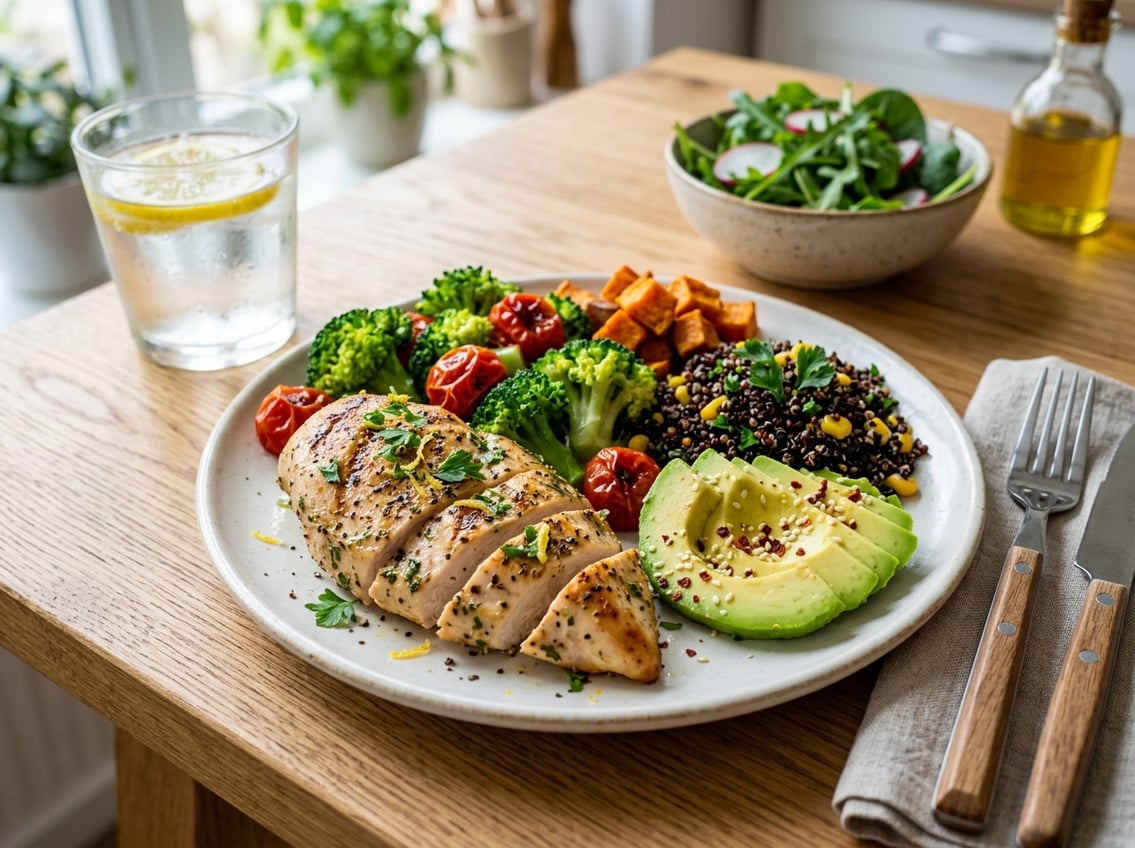
Pair chicken breast with vegetables for fiber, whole grains like brown rice, quinoa, or tef for steady energy, and healthy fats such as avocado or olive oil for better meal satisfaction.
Fruits can also fit into the day for extra nutrients and variety.
A plate built this way gives you more nutrition and makes weight loss meals easier to repeat.
Best Cooking Methods for a Lower-Calorie Meal
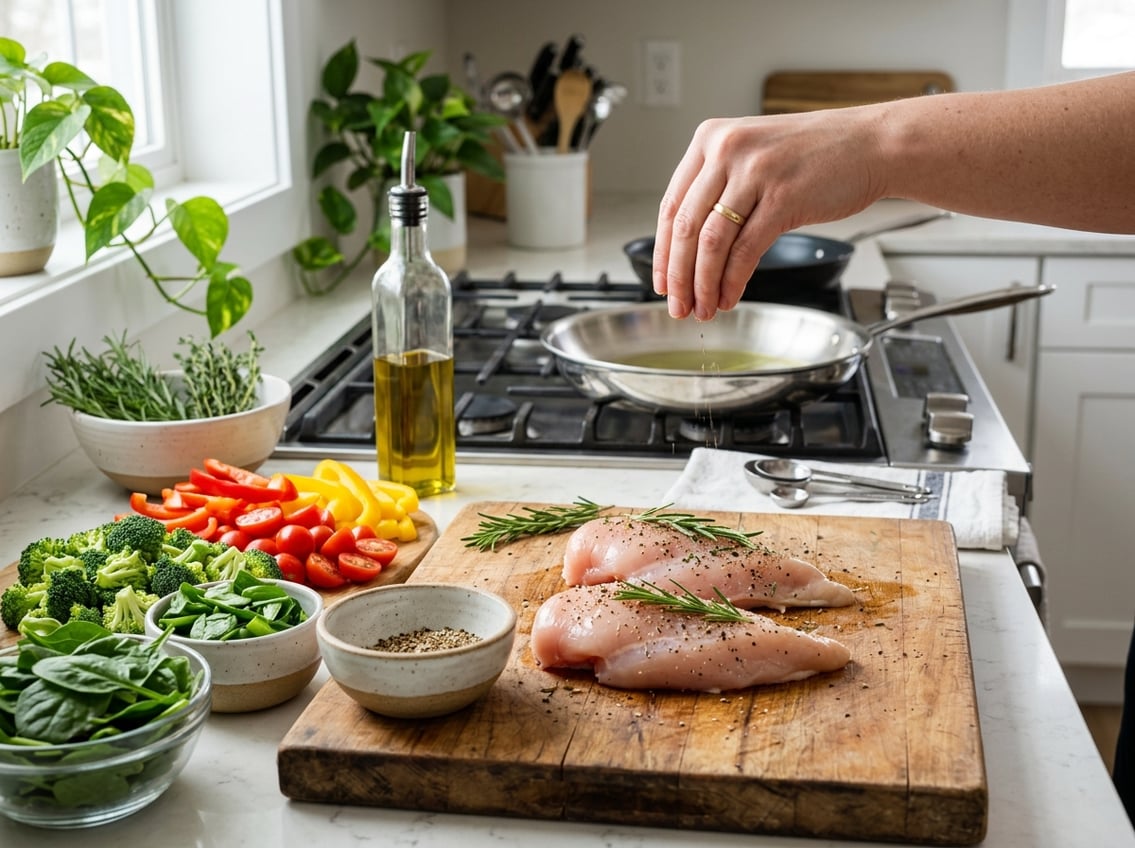
Cooking method changes the calorie count more than many people realize.
Dry heat and moist heat usually keep chicken breast lighter, while breading and heavy sauces add extra calories fast.
Grilling, Baking, and Poaching for Leaner Results
Grilling, baking, and poaching are some of the best choices for a low calorie meal.
These methods use little added fat and help keep the chicken breast lean.
They also work well for meal prep, since cooked chicken can be stored and used in salads, bowls, and wraps during the week.
A simple guide to cooking chicken breast for weight loss recommends these methods for keeping calorie counts lower.
How Stir-Frying Works Without Adding Too Much Oil
Stir-frying can still fit a weight loss plan if you keep the oil modest.
Use a small amount of olive oil and add plenty of vegetables so the meal stays filling.
A grilled chicken salad, a stir-fry bowl, or a quick pan meal can all work well.
The main point is to avoid turning a lean protein into a high calorie dish through excess oil or sugary sauces.
Using Marinades, Olive Oil, and Herbs and Spices Wisely
Marinades add flavor, but keep them simple.
Use herbs and spices, citrus, vinegar, garlic, or a small amount of olive oil instead of creamy dressings or heavy glazes.
These choices help you keep the meal low calorie while still making it taste good.
Flavor matters, because a meal you enjoy is easier to repeat during weight loss.
When Chicken Breast Is Not the Only Smart Option
Chicken breast is useful, yet it does not need to be your only protein choice.
Variety helps you avoid boredom and makes it easier to cover more nutrients across the week.
How It Compares With Salmon, Fish, Tofu, and Legumes
Salmon and other fish give you protein plus healthy fats.
Tofu and legumes offer plant-based protein sources with fiber, which chicken breast does not provide in much quantity.
Chicken breast can be a strong tool for fat loss, while other protein sources can round out your balanced diet.
A mix of animal and plant proteins often gives you better nutrition and more meal options.
Why Exercise and Sleep Still Matter for Results
Food choices matter, yet they are only part of the picture.
Regular exercise helps preserve muscle and supports fat loss, while good sleep helps control appetite and recovery.
If you rely on chicken breast alone and ignore exercise or sleep, you are likely to see slower and less consistent results.
Weight loss works best when your nutrition, activity, and rest all support the same goal.
How to Add Variety Without Losing Progress
You do not need to eat chicken breast every day to stay on track.
Rotate it with salmon, fish, tofu, legumes, and other protein sources while keeping portions steady.
That approach helps you avoid diet fatigue.
It also makes your meal plan easier to follow.


