
What Is Chicken Breast Piece? Cuts and Buying Guide
What is chicken breast piece? In US stores, it usually refers to a portion of breast meat from the front of the bird. Stores often sell it as a trimmed cut that is easy to cook and portion.
The exact meaning can change by store, butcher, or recipe.
The key thing to know is that a chicken breast piece may be a whole breast half, a split breast, or a boneless breast fillet. The label alone does not always tell you whether the cut has skin, bone, or both.
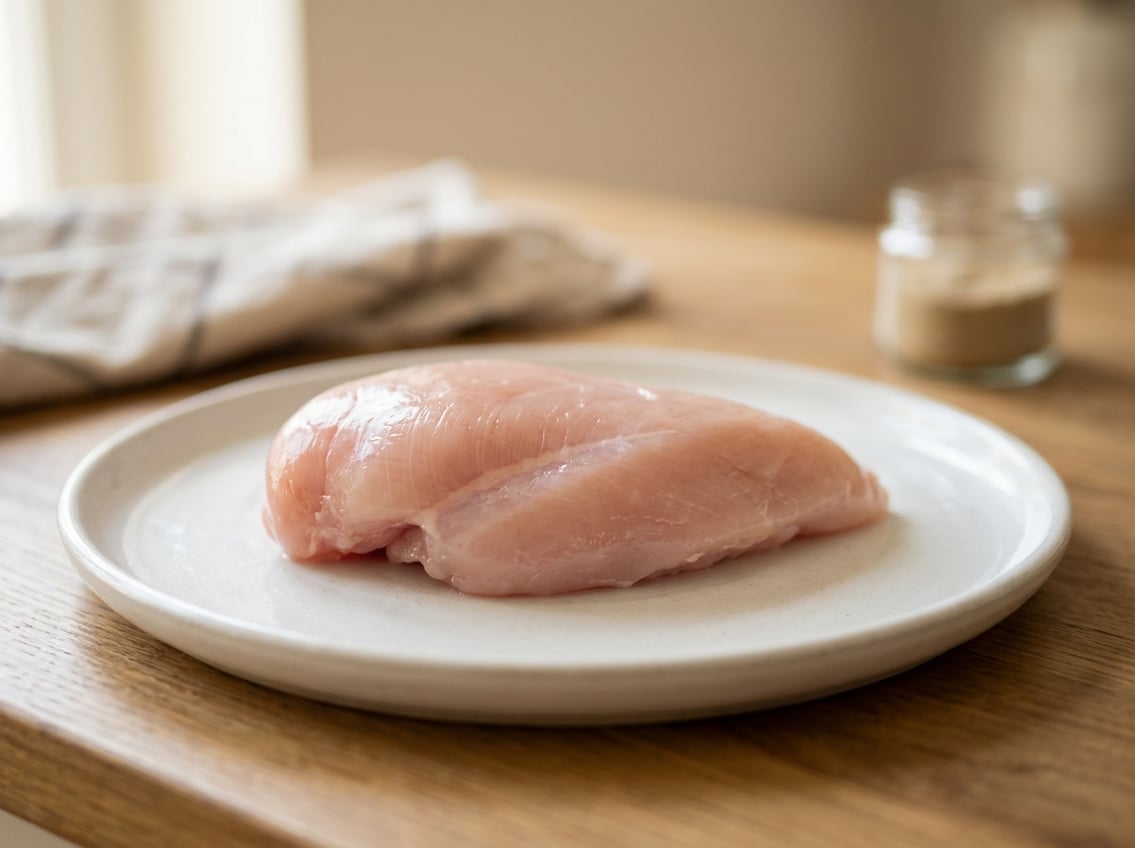
Different chicken breast cuts cook at different speeds and work best in different recipes. Once you know the common meanings, you can shop with more confidence and choose the right fresh chicken for grilling, baking, frying, or quick weeknight meals.
What Sellers Usually Mean by This Label
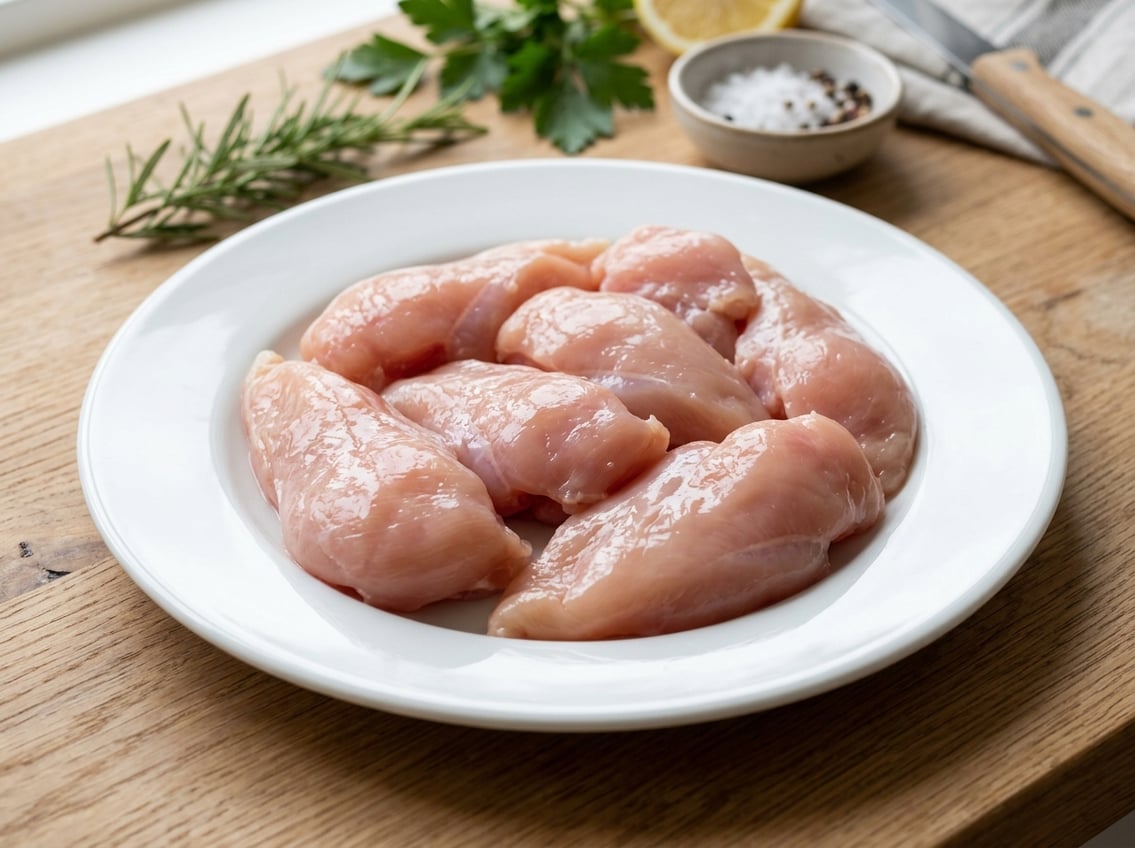
A package marked as a chicken breast piece usually points to one part of the breast, not the entire bird. In practice, it may refer to a whole breast, a split breast, a boneless breast, or a trimmed breast fillet.
Retail labels in the US are not always consistent. The same chicken breast cuts can appear under different names.
It helps to look for details like bone, skin, thickness, and whether the meat is split into halves.
How a Breast Piece Differs From a Whole Breast
A whole breast usually means the full breast portion from one side of the bird. Stores often sell it as a breast half or split breast.
It may still have skin and bone attached, depending on how workers processed it.
A breast piece may be smaller, trimmed, or cut from that larger whole breast. If you want even portions, check whether the package says boneless breast or skinless chicken breast instead of relying on the word “piece.”
When It Means a Breast Fillet or Boneless Cut
In many stores, a breast piece means a breast fillet, which is a boneless, trimmed portion of breast meat.
That version is common for fast cooking and simple seasoning.
You may also see terms like boneless chicken breast, skinless chicken breast, or boneless split breast. These all suggest a more convenient white meat cut, but the exact shape and thickness can still vary.
Why Store Labels Are Not Always Consistent
Some packages use “breast piece” for a neat trimmed cut. Others use it for a split breast with bone still in place.
Recipe writers do the same thing, so the label can mean slightly different things from one brand to another.
It helps to read the full package name. Terms like chicken breast cuts, white meat, and versatile point to the general category, not a single exact cut.
Where It Comes From on the Bird
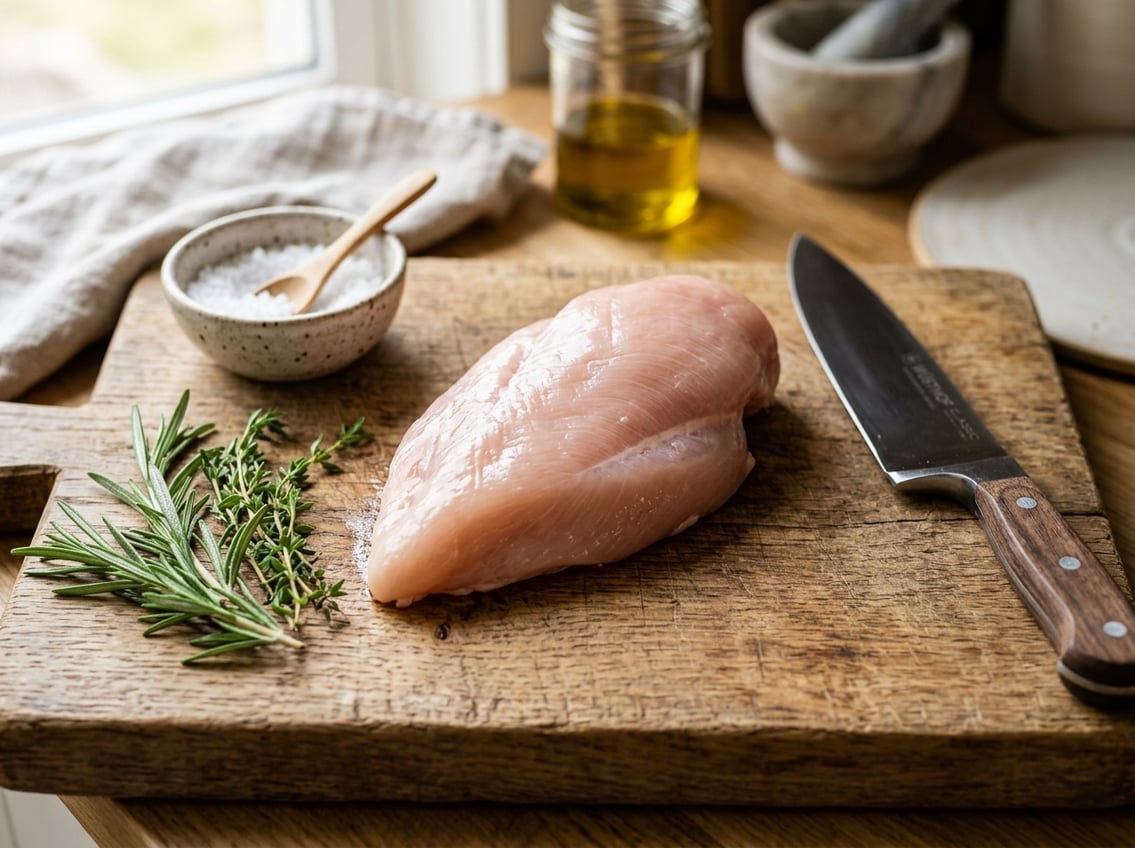
Chicken breast meat comes from the front of the bird, over the chest. It is the main source of white meat, and it sits above the ribs near the breastbone.
The breast has two main muscles. One part is the large outer breast meat, while the smaller inner strip is often sold as a tenderloin.
Breast Meat Anatomy in Simple Terms
The larger breast muscle is the pectoralis major. This is the main piece most people mean when they say chicken breast.
The smaller muscle is the pectoralis minor, which sits underneath the main breast meat. When workers remove that smaller strip and sell it separately, they may call it a tenderloin or chicken tenderloin.
The Difference Between Breast Meat and Tenderloin
A tenderloin is not the same as the full breast. It is a smaller, narrower strip tucked beneath the breast.
Many people know it as chicken tenders or chicken fingers when it is breaded and cooked.
Breast meat is wider and thicker. It usually needs more careful cooking.
Tenderloin cooks faster and is often used for quick meals or strips.
How It Relates to Other Chicken Parts
The breast is only one part of a whole chicken, alongside the wings, legs, thighs, and drumsticks.
Wings are often sold as whole wing, wingette, wing flat, wing tip, or drumette. Legs may be sold as a whole leg or leg quarter.
Breast meat is white meat. Thigh and drumstick meat are dark meat.
Bone, cartilage, and skin may stay attached depending on how workers processed and packed the chicken parts.
Common Breast Cut Variations You May See
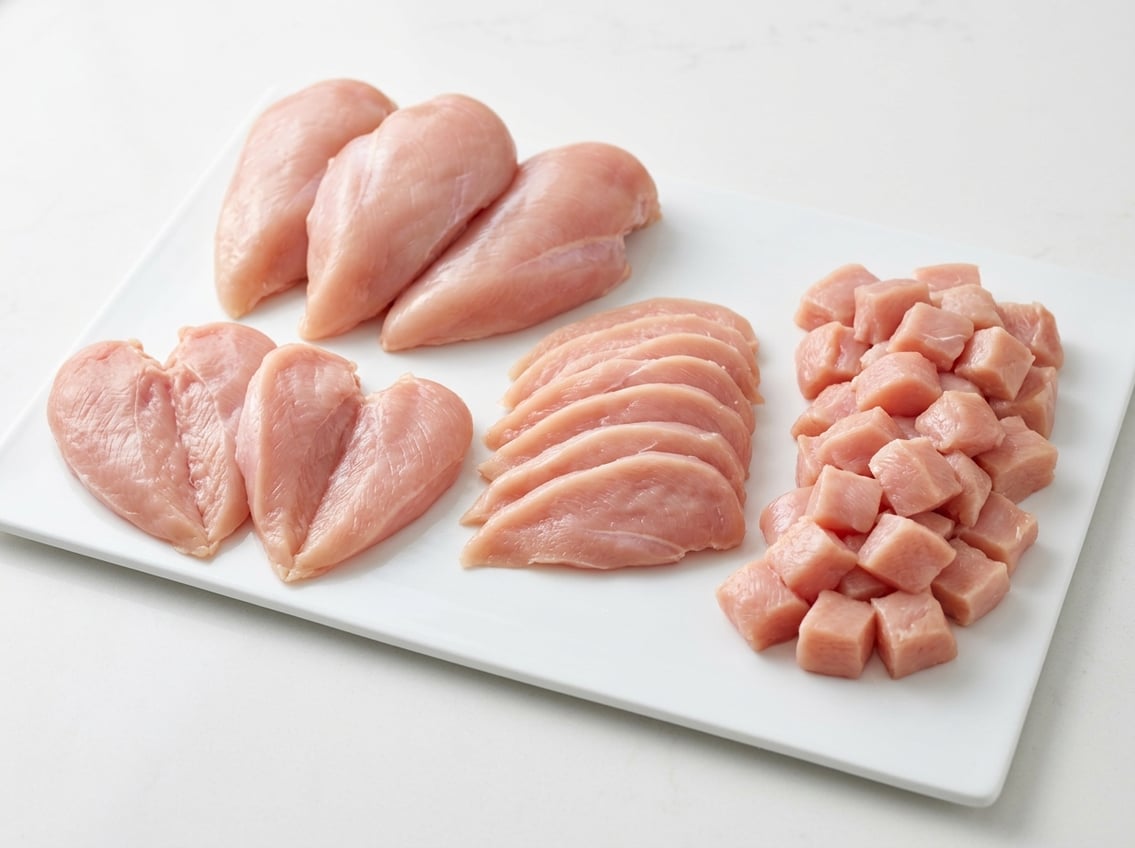
You may see several names for chicken breast cuts in stores. Some refer to bone-in cuts, while others describe boneless pieces that are easier to cook and slice.
The main difference is usually bone, skin, and shape. Once you know those details, you can match the cut to the recipe more easily.
Bone-In and Skin-On Options
A whole breast or whole chicken breast often means a breast half with bone and sometimes skin.
A split breast or split breasts usually means the breast has been cut into breast halves, which are commonly sold bone-in.
These cuts work well when you want more flavor during roasting or baking. The bone can help the meat stay moist, and the skin can brown well in the oven.
Boneless and Skinless Options
A boneless breast or boneless chicken breast is trimmed for convenience. A skinless chicken breast removes another layer, which makes seasoning and slicing easier.
You may also see boneless split breast or breast fillet on labels. These are common chicken cuts for quick cooking, meal prep, salads, and sandwiches.
Specialty Cuts Like Airline Breast
An airline breast is a specialty cut with the wing bone attached at the top for presentation.
It is often used in restaurants and at butcher counters. This cut is less common in regular grocery stores, but it is still part of the wider group of chicken breast cuts.
Among the many types of chicken cuts, it is one of the more decorative choices.
How to Choose and Cook It Well
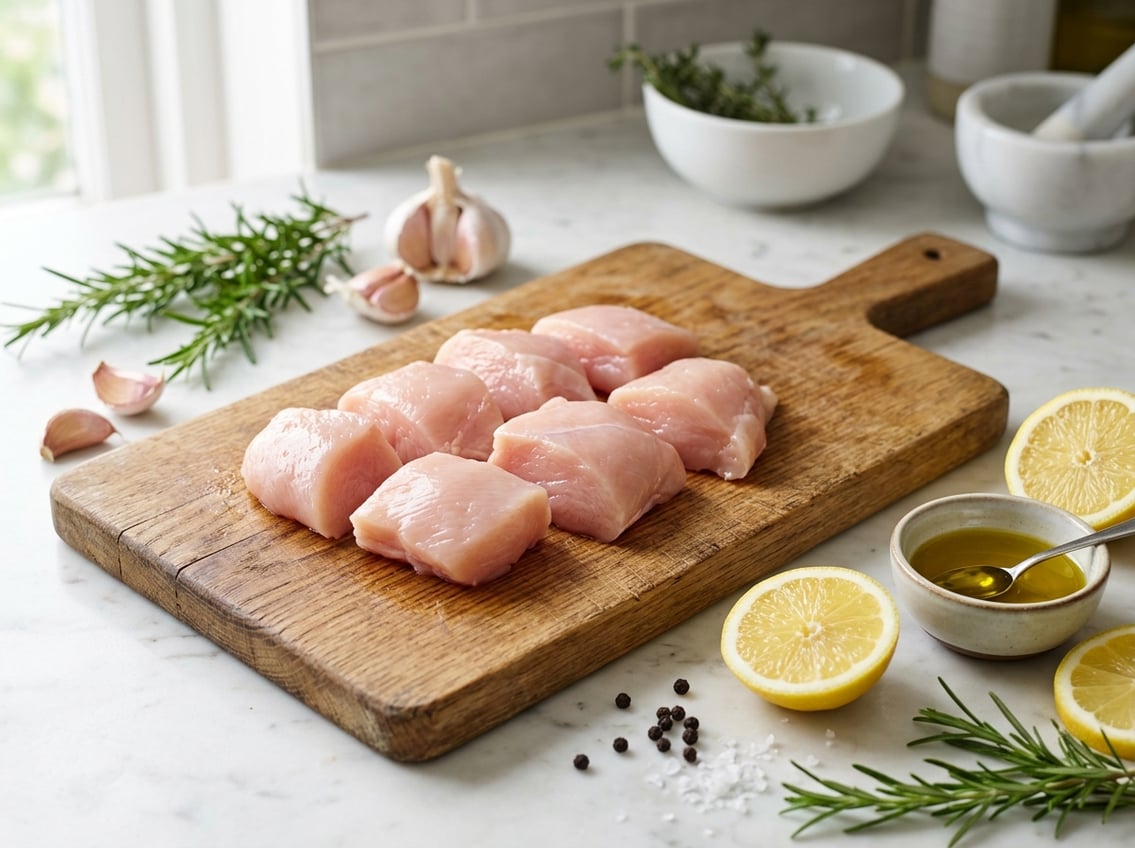
When you buy fresh chicken, the best pack is firm, cold, and clean-looking.
Match the cut to your cooking methods, since thin boneless pieces cook much faster than bone-in breasts.
What to Look for When Buying Fresh Packs
Fresh chicken should look pinkish-white, feel firm, and have a clean smell.
Avoid packages with a strong odor, excess liquid, or damaged seals.
If you want faster prep, choose boneless chicken breast or skinless chicken breast.
If you want more flavor for roasting, a bone-in breast or split breast may be a better fit.
A recent guide from America’s Test Kitchen on chicken labels also notes that package terms can vary, so reading the full label matters.
Best Cooking Methods for Different Breast Pieces
Thin breast pieces work well for grilling, frying, and baking because they cook quickly.
Thicker pieces often do better with marinating, pounding to an even thickness, or gentler heat.
Breast fillets are useful for soup, stew, and quick skillet meals.
Whole breast portions are better when you want slices for a plated dinner or larger servings.
When to Use Breast Instead of Thighs or Wings
Choose breast when you want lean white meat and a mild flavor.
Choose chicken thigh when you want more richness and a cut that stays juicy a little longer.
For casual party food, chicken wings and buffalo wings often make more sense than breast meat.
A whole chicken gives you a mix of white meat and dark meat in one meal.


