
How Many Points in Chicken Breast by WW Plan
You often want a clear answer to how many points in chicken breast before you plan a WW meal.
For most current Weight Watchers plans, boneless, skinless chicken breast is one of the lowest-point protein choices. It is often zero points in freestyle-style plans.
The exact points value depends on your WW plan, serving size, and how you cook the chicken.
A plain 3-ounce serving can track very differently from breaded, fried, or sauced chicken, so the details matter if you want accurate weight loss goals and steady accountability.
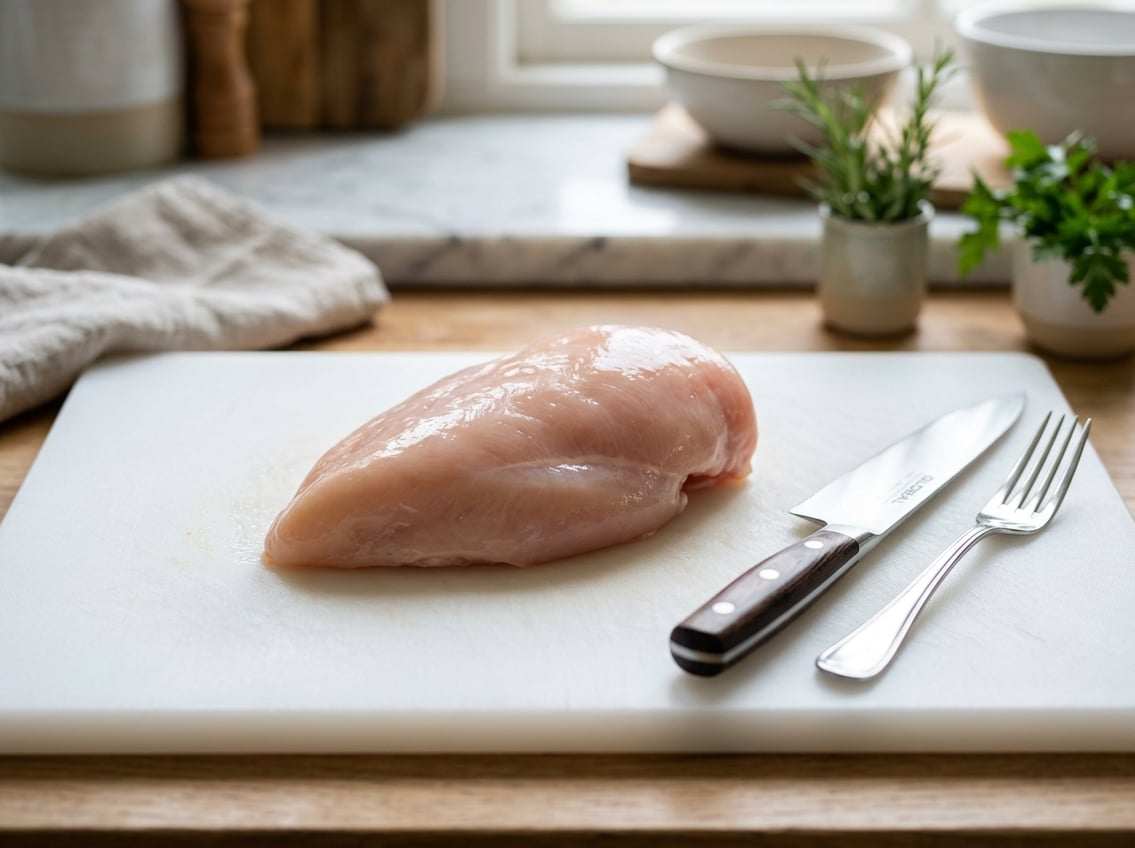
Chicken Breast Points at a Glance
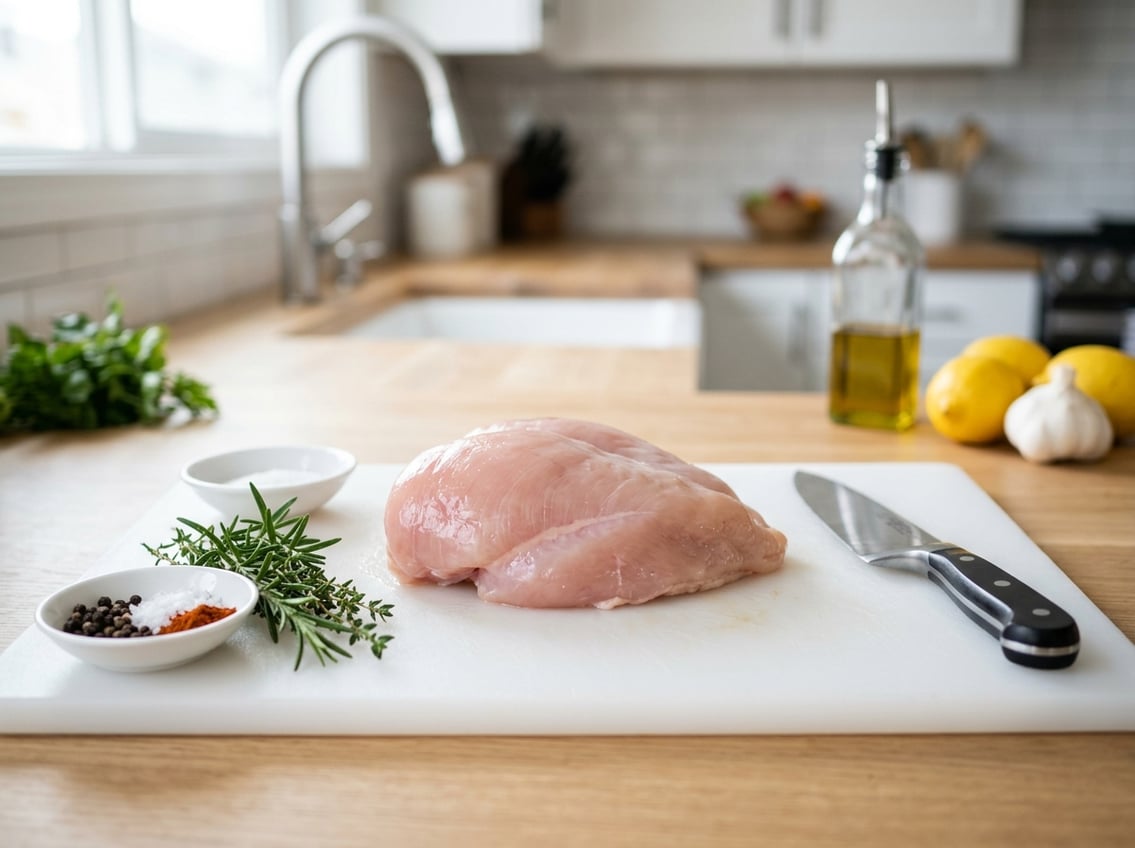
Calories, fat, protein content, and serving size determine the points value of chicken breast.
Chicken breast gives you a lot of nutritional value for very few points.
A plain skinless breast is often one of the lowest-point foods you can choose.
For a direct answer, you should check the current WW app and plan settings to confirm your exact points value.
Typical Points for a 3-Ounce Serving
A 3-ounce serving of boneless, skinless chicken breast is commonly very low in points. On some WW plans it is zero.
On older or differently set plans, the same serving may show a small points value based on the nutrition label and how WW calculates SmartPoints.
Track the exact serving size, not the whole piece. A cooked portion can look bigger or smaller than you expect, which changes your points value if you estimate by eye.
What Changes the Points Value Most
Skin, added fat, and cooking method have the biggest impact.
Skinless chicken breast stays lean, while breading, oil, butter, and sugary sauces raise calories and fat, which can raise points.
Portion size also matters. A 3-ounce serving is not the same as a 6-ounce serving, and WW points usually rise with larger servings.
Why Skinless Breast Is Often the Lowest-Point Option
Skinless breast is high in protein and low in fat, so it usually fits the WW points system well.
That mix is why it is often treated as a zero-point or near-zero-point food on many plans.
If you want steady meal control, skinless breast gives you a simple base. You can add vegetables, beans, or whole grains around it without starting with a high points load.
How WW Plans Affect Tracking
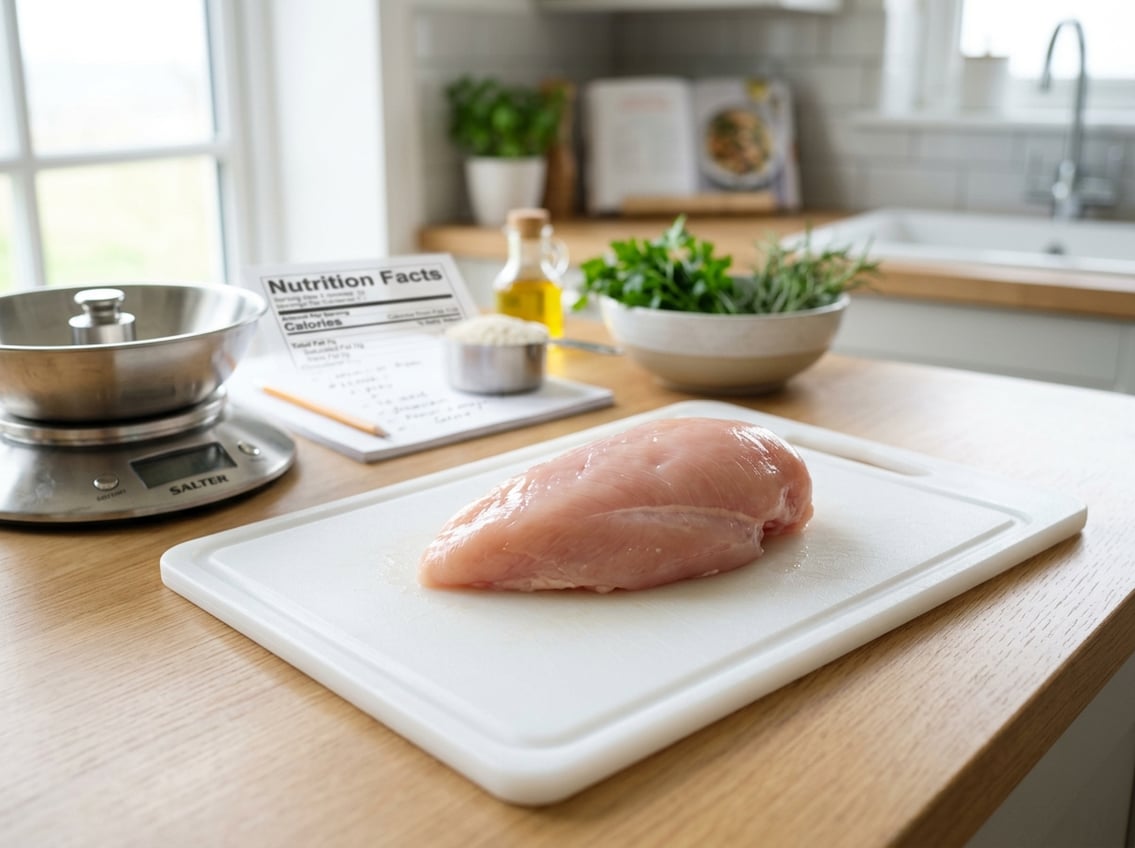
WW plans have changed over time, which affects how you track chicken breast.
Freestyle, SmartPoints, and older systems such as PointsPlus do not always treat the same food in the same way.
Your plan also shapes accountability. What counts as zero on one plan may still have points on another, so the app or official WW guide is the best place to check your current setting.
Freestyle and Zero-Point Chicken Breast
On Freestyle-style plans, boneless, skinless chicken breast is commonly a zero-point food.
That makes meal planning simpler because you can build a plate around lean protein without spending points on the chicken itself.
Breaded chicken, chicken with skin, and chicken cooked in oil can still carry points, even if the plain breast does not.
Weight Watchers Green Plan Differences
The Weight Watchers Green Plan uses a more traditional points structure, so zero-point chicken rules may be different from Freestyle.
On Green, you may need to count chicken breast more closely, especially if you use larger portions.
For accuracy, use the current plan rules rather than memory from a past version.
Blue Plan, Purple Plan, and PointsPlus Notes
Blue and Purple plans expanded zero-point foods in different ways, and chicken breast often stayed favorable because it is lean.
Purple included more zero-point choices than Blue, which could make meals feel more flexible.
PointsPlus is an older system that weighted food differently from SmartPoints.
If you still have old recipe notes, do not assume the same chicken points value carries over to your current WW plan.
Preparation Methods That Raise or Lower Points
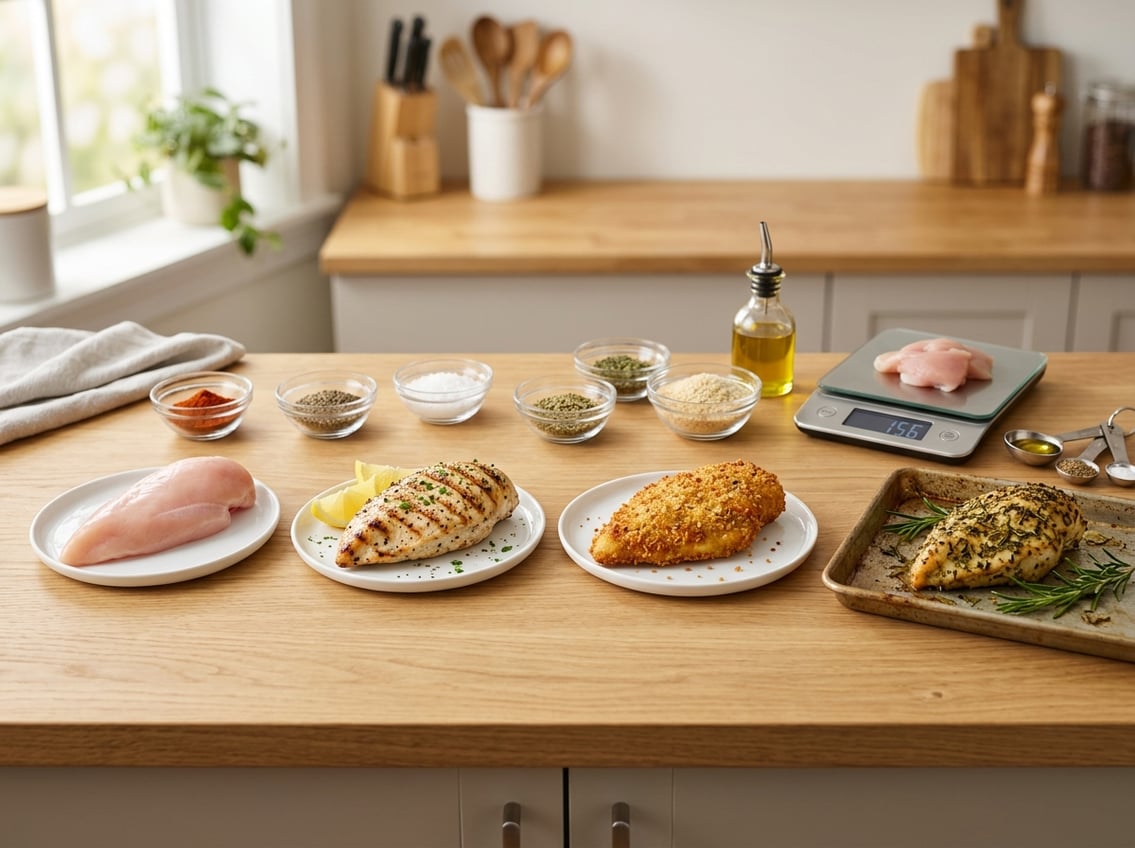
Cooking style can change the points value more than the chicken itself.
Grilling and baking tend to keep calories and fat lower, while frying adds fat fast.
Marinades, sauces, and extra ingredients can also change the total.
A plain breast and a heavily sauced breast are not equal in WW tracking.
Grilled Chicken Breast Versus Fried Chicken
Grilled chicken breast is usually a better WW choice than fried chicken breast.
Grilling lets you keep the lean protein without adding much fat.
Fried chicken often picks up oil from the pan or fryer, and breading adds more calories.
That extra fat can turn a low-point meal into a much higher-point one.
How Marinades, Sauces, and Added Ingredients Count
Marinades count when they add sugar or oil.
A light mix of herbs, lemon, vinegar, or spices usually stays low, while creamy dressings, barbecue sauce, and honey-based glazes can raise the total.
Added ingredients matter as much as the meat itself.
If you brush on oil, top with cheese, or serve a rich sauce, you should track those items separately when possible.
Best Low-Point Cooking Methods for Daily Meals
Baking, grilling, poaching, and air frying with little or no oil are the best low-point methods.
These keep the chicken closer to its plain nutritional value.
Simple seasoning works well too.
Salt, pepper, garlic powder, paprika, and citrus can add flavor without changing your points value much.
Using Chicken Breast in Everyday Meal Planning
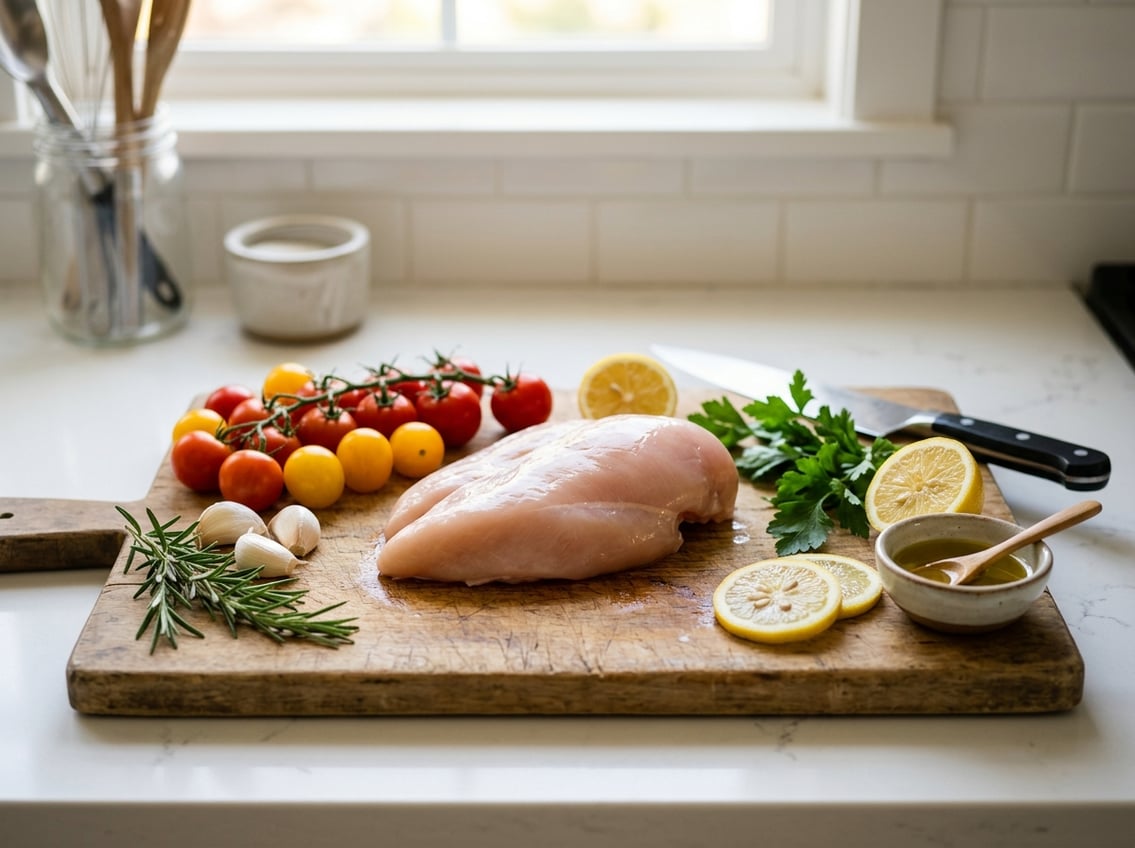
Chicken breast works well in meal planning because it is easy to portion and easy to pair with other foods.
It supports protein goals, and it can make your WW day feel more predictable.
Good tracking depends on accurate portions and honest counting.
If you want steady progress toward weight loss goals, consistency matters more than guessing.
Portion Control and Accurate Tracking
Use a food scale when you can, especially for cooked chicken.
A labeled 3-ounce serving is easier to track than a plateful you estimate by sight.
The WW app gives you the most useful accountability because it matches the food, portion, and current plan.
That matters even more when chicken is part of a meal with sauces or sides.
Meal Prep Ideas With Other Lean Proteins
Chicken breast fits well with other lean protein choices like turkey breast, fish, and egg whites.
Rotating proteins can keep meal prep easier and can prevent your weekly menu from getting repetitive.
You can batch-cook plain chicken, then use it in salads, wraps, bowls, and soups.
Keep the sides simple so the whole meal stays easier to track.
When Chicken Thighs or Fish May Fit Better
Choose chicken thighs when you want more flavor and a richer texture. They have more fat and more points than breast, so they may work better in a meal where you have room in your day.
Pick fish when you want variety with lean protein. Mixing in fish or other proteins can support your long-term weight watchers routine without losing balance.


