
Why Does Chicken Breast Have Rib Meat? Explained
Chicken breast has rib meat because butchers trim the breast close to the bird’s shoulder and rib area, leaving a small amount of darker meat attached. It remains chicken breast, just not a perfectly pure white-meat cut.
If you see “with rib meat” on a label, you are looking at a normal chicken breast that includes a small attached strip of meat from the shoulder-side area. This can affect appearance, price, and a little bit of flavor.
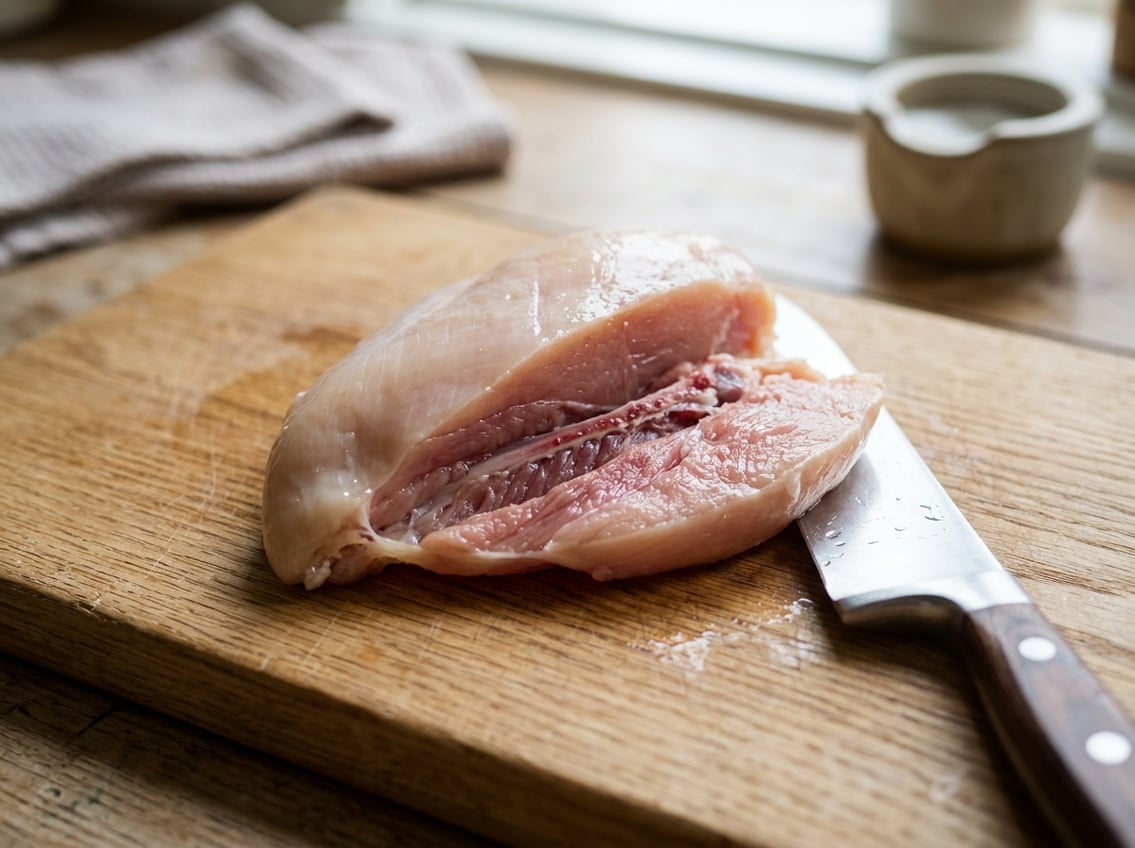
That extra piece appears often in retail packs and processed chicken products. It is not an additive or filler, and it does not mean the chicken is unsafe or low quality.
What Rib Meat Actually Is
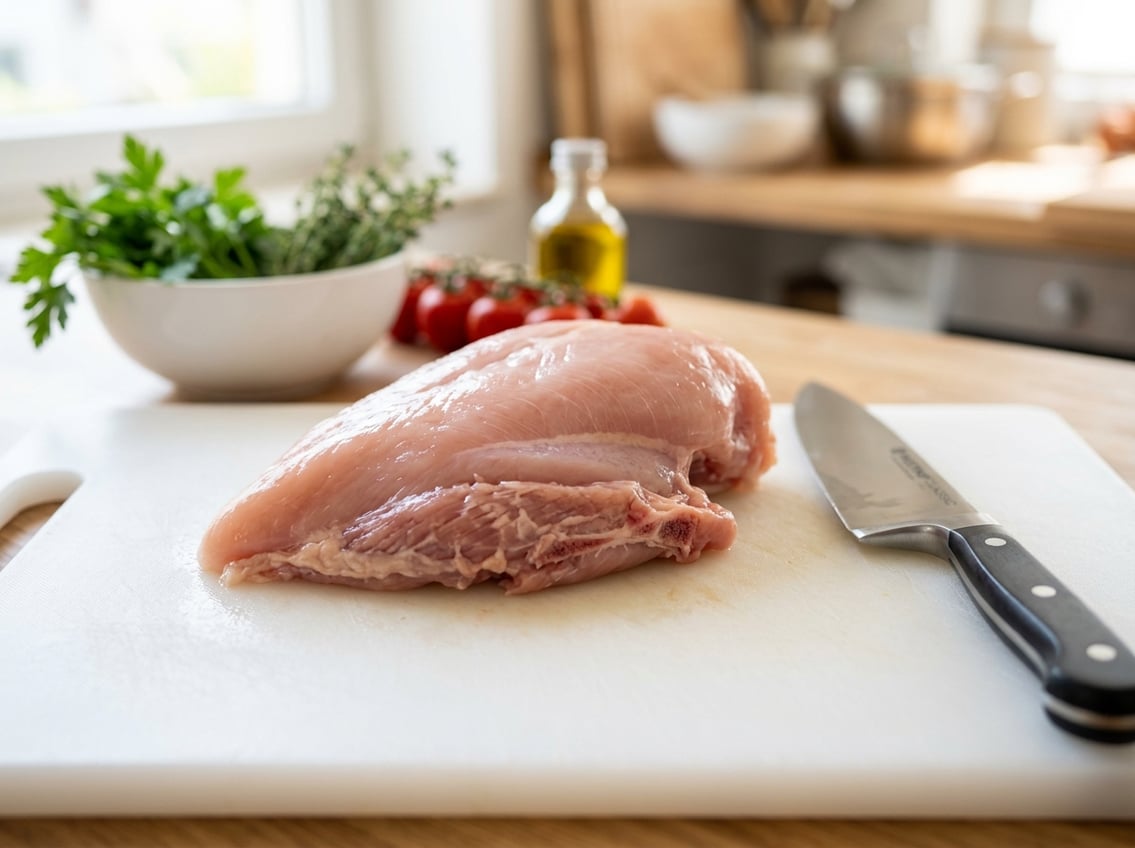
Rib meat in chicken is a small section left attached near the breast during butchering. This meat comes from the scapula area, which is the shoulder side of the bird.
Where Rib Meat Comes From on the Bird
The breast sits close to the bird’s rib cage and shoulder area. When a processor removes the breast from the carcass, a thin strip from that nearby area can stay attached.
How It Differs From Regular Chicken Breast
Regular chicken breast is the lean, pale meat from the front of the bird. Rib meat is usually a little darker and may have a slightly different texture because it comes from a more active area.
Why the Meat May Look Slightly Darker
The darker look comes from more myoglobin, the protein that carries oxygen in muscle tissue. Meat from more active areas tends to look less white, which is why rib meat can resemble darker chicken meat more than the rest of the breast.
Why It Is Left Attached to the Breast
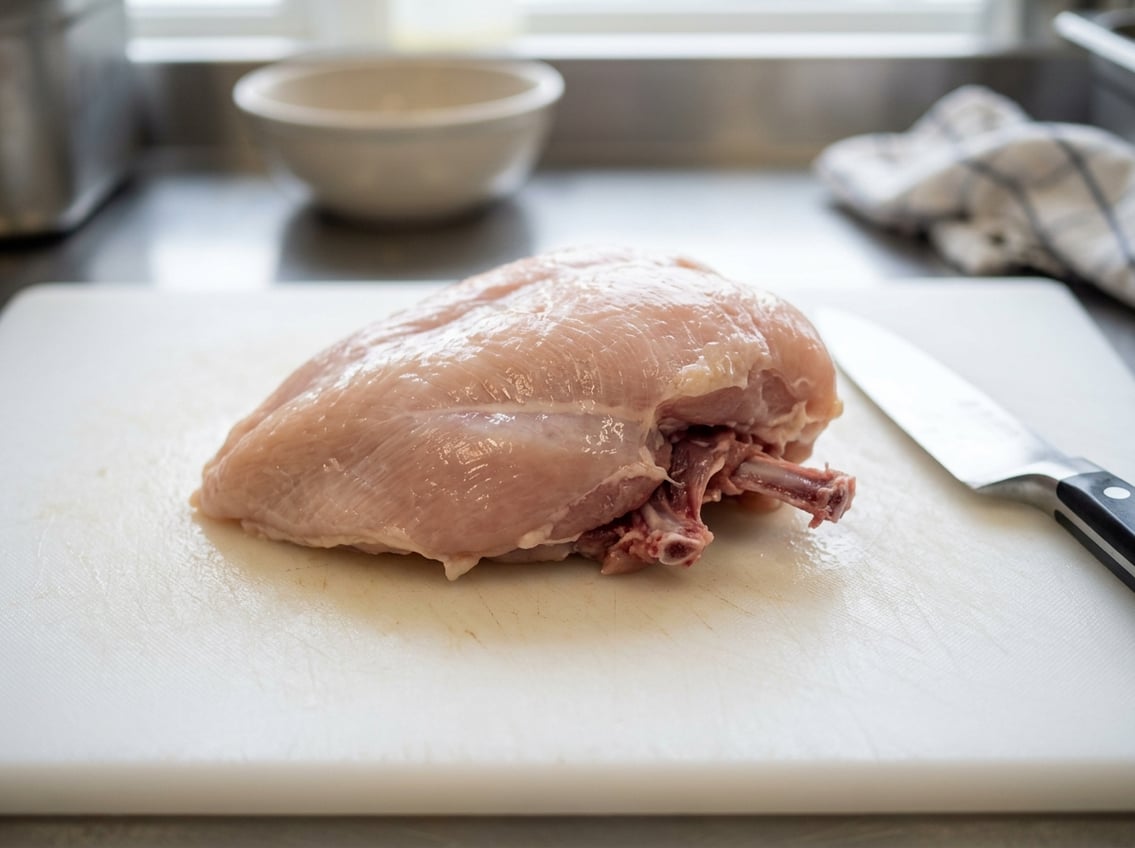
Butchers often leave rib meat on the breast because of how chicken cuts are trimmed. Leaving it attached makes cutting faster, increases yield, and often lowers the cost of the final product.
How Butchering and Yield Affect the Cut
When a processor trims a chicken breast very close to the carcass, some of the shoulder-side meat stays with it. That improves yield, since less of the bird gets discarded during processing.
Why It Is Common on Retail Packaging
Retail packages often favor convenience and price. A breast with rib meat attached is usually less expensive than one trimmed more closely, because the processor does less detailed cutting.
When It Appears in Processed Chicken Products
You may also see the phrase “chicken breast with rib meat” on nuggets, strips, and similar processed chicken products. In those cases, the label tells you that the product includes both breast meat and the small attached portion.
What It Means for Flavor, Nutrition, and Price
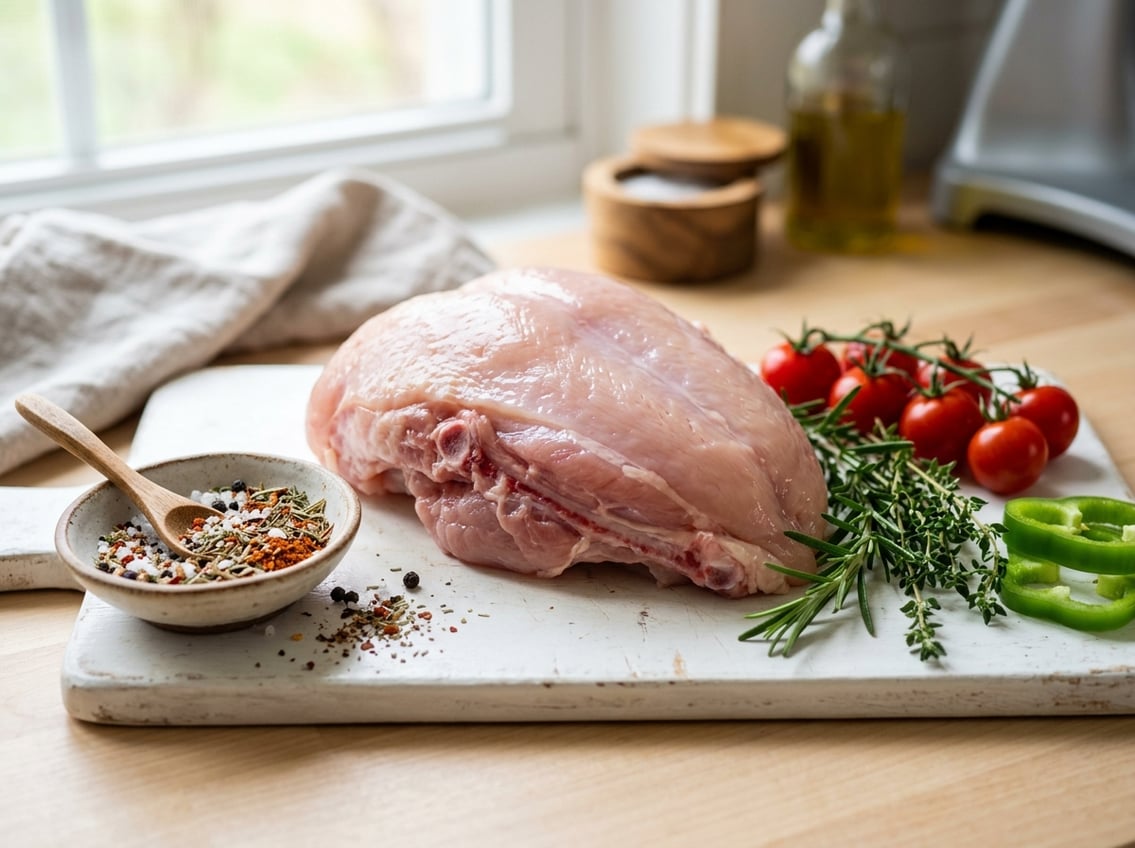
Rib meat can change the eating experience a little, especially in texture and flavor. The effect is usually small because the attached portion is limited.
Taste and Juiciness Compared With Lean White Meat
Chicken breast is known for its mild taste and lean texture. Rib meat can add a slightly richer chicken flavor and a bit more moisture, since it is not as lean as the main breast meat.
Fat, Calories, and Protein Differences
Rib meat may have a little more fat and calories than pure breast meat, while still offering protein and other nutrients. The rib portion may be slightly higher in fat and calories, though the amount is usually small.
Does Rib Meat Mean Lower Quality
Rib meat does not mean poor quality. It simply means the breast is less trimmed.
How to Cook and Trim It if Needed
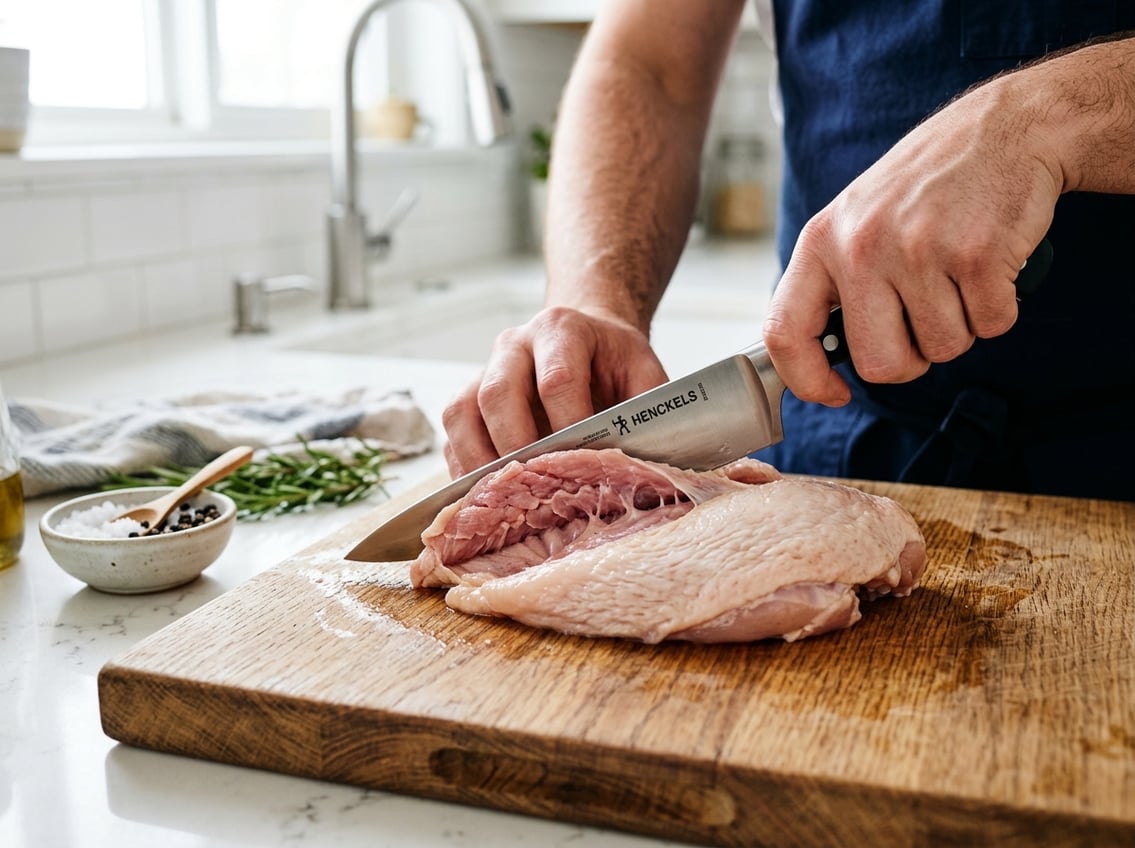
You do not need special methods to cook chicken breast with rib meat. Treat it like regular chicken breast, taking care to avoid overcooking.
If you want a cleaner cut, you can trim the rib meat before cooking.
Best Practices for Cooking Chicken Breast Evenly
Because the rib portion is small, it usually does not change cooking time much. The main goal is still even heat and careful monitoring so the breast stays juicy.
Pound thicker pieces to an even thickness, or use a gentle oven or stovetop method for better results.
Safe Internal Temperature and Doneness
Chicken is safe to eat at 165°F in the thickest part of the breast. If the rib meat is attached, you still do not need to cook the breast to dark-meat temperatures.
When to Leave It On or Remove It
Keep it on if you want convenience, better value, or a little extra flavor.
Take it off if you want a more uniform appearance or prefer the cleanest white-meat cut.
Use a small paring knife to trim it away before cooking.


