
Why Is Chicken Breast Bad for You? Key Risks Explained
Chicken breast often looks like one of the safest foods in your kitchen. The answer to whether chicken breast is bad for you is more nuanced than a simple yes or no.
It remains a strong source of protein. Many people use it for muscle building, weight control, and easy meal planning.
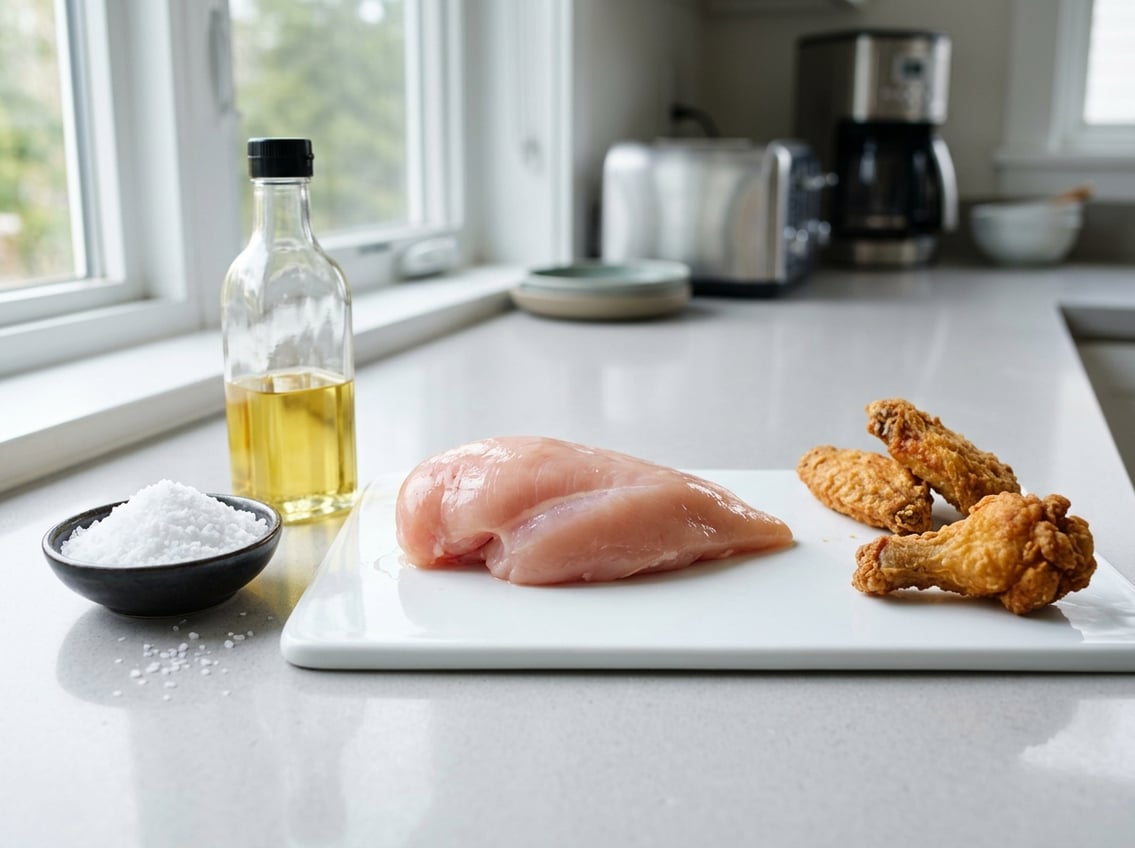
The main concerns relate to its cholesterol content, how you cook it, how safely you handle it, and how it compares with other protein choices.
A plain, skinless chicken breast is considered lean protein, and its nutrition usually looks favorable on paper. Even so, white meat is not automatically healthy in every diet.
Certain preparation styles can reduce the benefits of chicken breast.
What Makes Chicken Breast a Health Concern
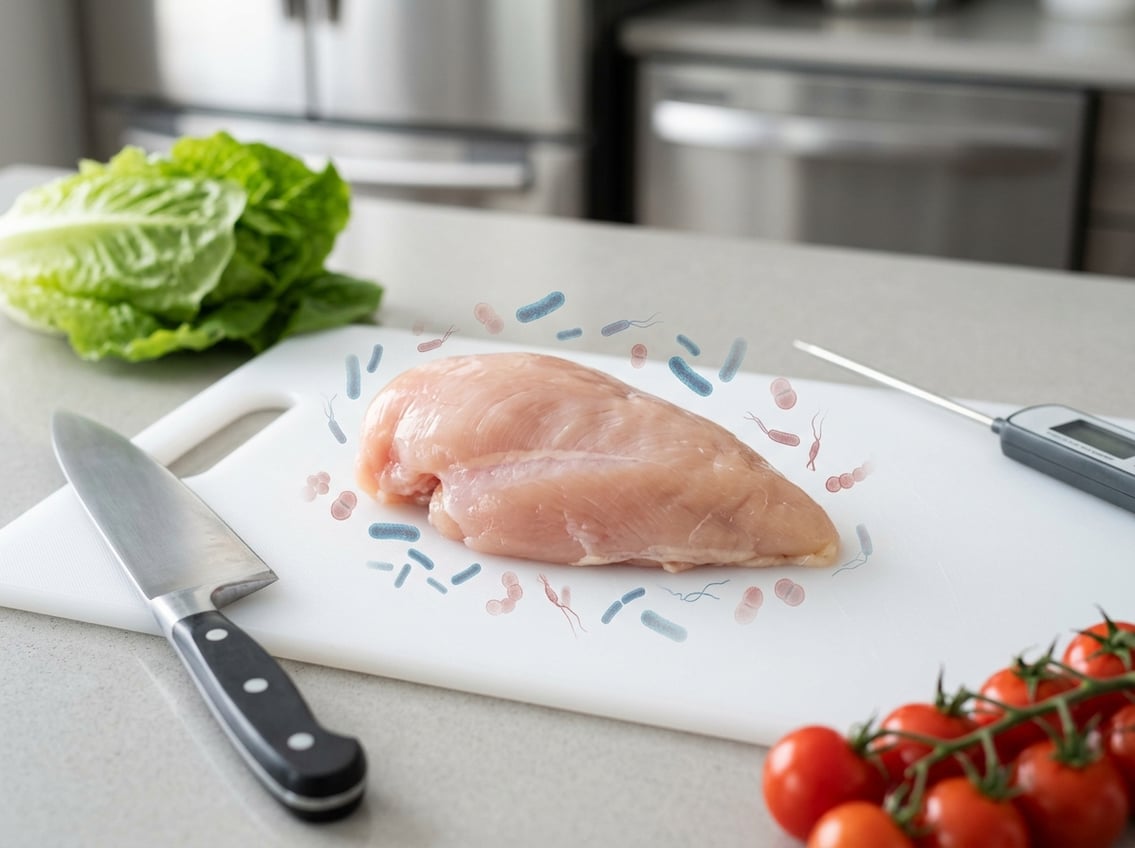
People often promote chicken breast as lean protein, yet that label can hide important details. The cut itself is low in fat, but the full health picture depends on cholesterol, portion size, cooking method, and what else you eat.
Plant-based protein can offer a different nutrient mix, especially if you want more fiber and less dietary cholesterol.
How Cholesterol and Saturated Fat Fit Into the Debate
A cooked, skinless chicken breast contains about 85 mg of cholesterol per 100 grams, along with a small amount of saturated fat, according to Is Chicken Breast Bad For You?. That amount is not extreme, yet it matters if you eat chicken often or already watch your heart health.
Chicken breast contains less saturated fat than many red meats, but it is not fat free. If you rely heavily on animal protein, your total dietary pattern matters more than one cut of meat.
Why White Meat Is Not Automatically Better Than Red Meat
White meat has a health halo, but that does not make it superior in every case. A plain chicken breast may be a better choice than a fatty steak.
A processed or heavily fried chicken meal can be less favorable than a modest portion of red meat prepared with care. The rest of your diet matters too.
A meal built around beans, tofu, lentils, or other plant-based protein can provide fiber and other nutrients that chicken breast does not offer.
When Lean Protein Claims Oversimplify the Evidence
The phrase lean protein is useful, yet it can make chicken breast seem more protective than it really is. Chicken breast can fit a balanced diet, but it does not automatically improve health if your diet is low in fiber, high in sodium, or heavy in processed foods.
Some nutrition claims focus only on protein grams and ignore the rest of the meal. You may miss the real tradeoffs in chicken breast nutrition, especially if your portions are large or your cooking methods add extra fat and salt.
Cooking Method Can Change the Risk Profile

You can keep chicken breast relatively lean by baking, poaching, or lightly grilling it. High heat, charring, or frying in oil changes the risk profile.
The same food can shift from a simple lean protein to a less healthy meal.
Why Grilled Chicken May Form Potentially Harmful Compounds
Grilled chicken can be a smart option if you avoid burning or charring the meat. If the surface gets very dark, the cooking process creates compounds linked to health concerns.
The amount of heat, the time on the grill, and the amount of char all matter.
How Heterocyclic Amines (HCAs) Develop at High Heat
Heterocyclic amines (HCAs) form when meat cooks at high temperatures for a long time, especially when the surface browns heavily. In chicken breast, this risk rises when you use direct flame or overcook the meat.
The National Cancer Institute notes that chemicals formed in meat cooked at high heat may increase cancer risk. You can reduce exposure by cooking at lower heat, turning the meat often, and trimming off charred parts.
Ways Preparation Choices Affect Overall Nutrition
Cooking method can quickly change calories, fat, and sodium. Frying adds oil, and breading can add refined carbs and salt.
Baking or poaching keeps chicken breast nutrition closer to its original form. Marinades matter too.
Sweet glazes, heavy sauces, and salty seasonings can turn a simple chicken breast into a much less balanced meal.
Food Safety and Contamination Issues to Know
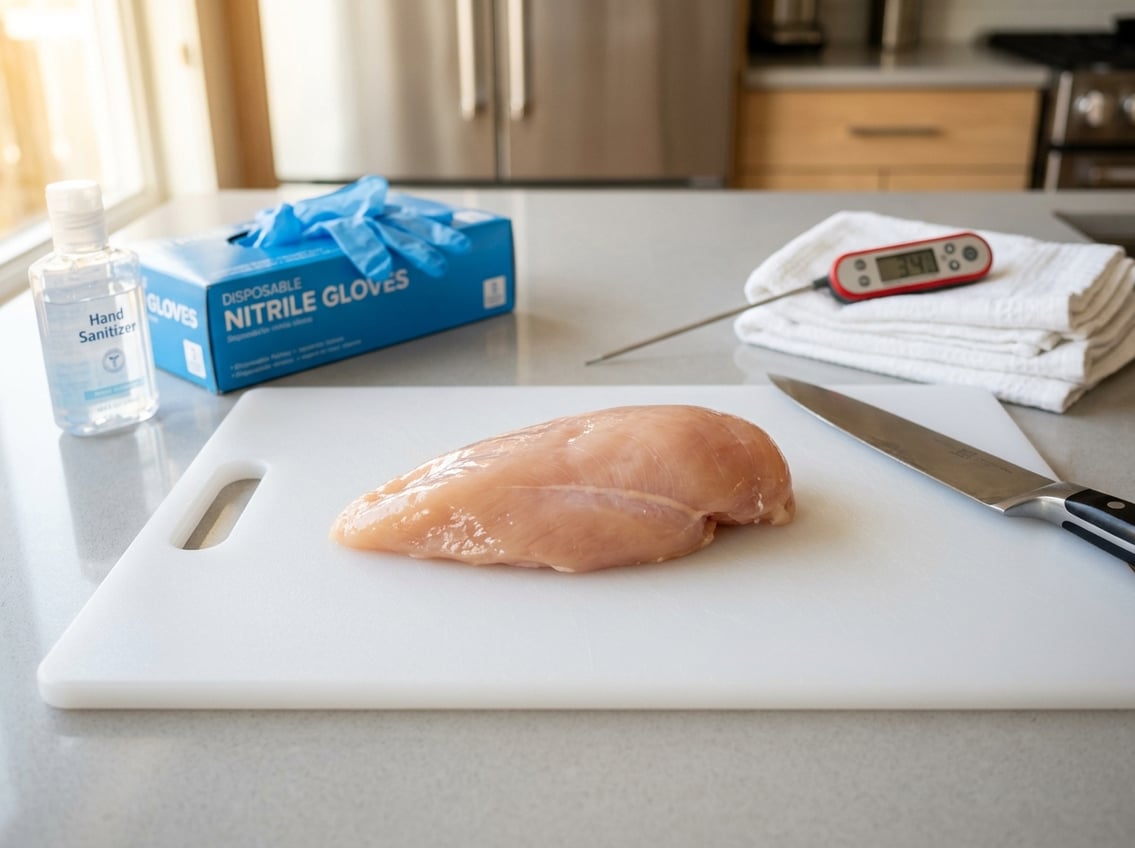
Chicken breast often appears in food safety advice because raw poultry can carry harmful germs. Contamination can spread through your kitchen if you do not handle it carefully.
White meat can still cause foodborne illness if you undercook it or cross-contaminate it.
Common Concerns With Salmonella, Campylobacter, and E. coli
Raw or undercooked chicken can carry Salmonella and Campylobacter, two common causes of food poisoning. E. coli can also be a concern if poultry is handled badly or mixed with other foods.
The FoodSafety.gov chicken and food poisoning guide warns that raw chicken is often contaminated with bacteria. Proper cooking and careful handling lower your risk.
How Processing and Handling Raise Consumer Risk
Risk can start at the store, in transport, or on your cutting board if juices from raw chicken breast touch ready-to-eat foods. Cross-contamination is a major issue when knives, plates, or hands are not washed well.
Keep raw chicken separate from produce and cooked food to protect yourself.
Why Antibiotic Resistance Is Part of the Discussion
Antibiotic use in poultry farming adds to the debate around chicken breast. Some poultry production systems use antibiotics, and that can contribute to antibiotic-resistant bacteria.
Labeling such as organic or raised without antibiotics may matter to you if you want to reduce this concern.
How Chicken Breast Compares With Other Protein Choices
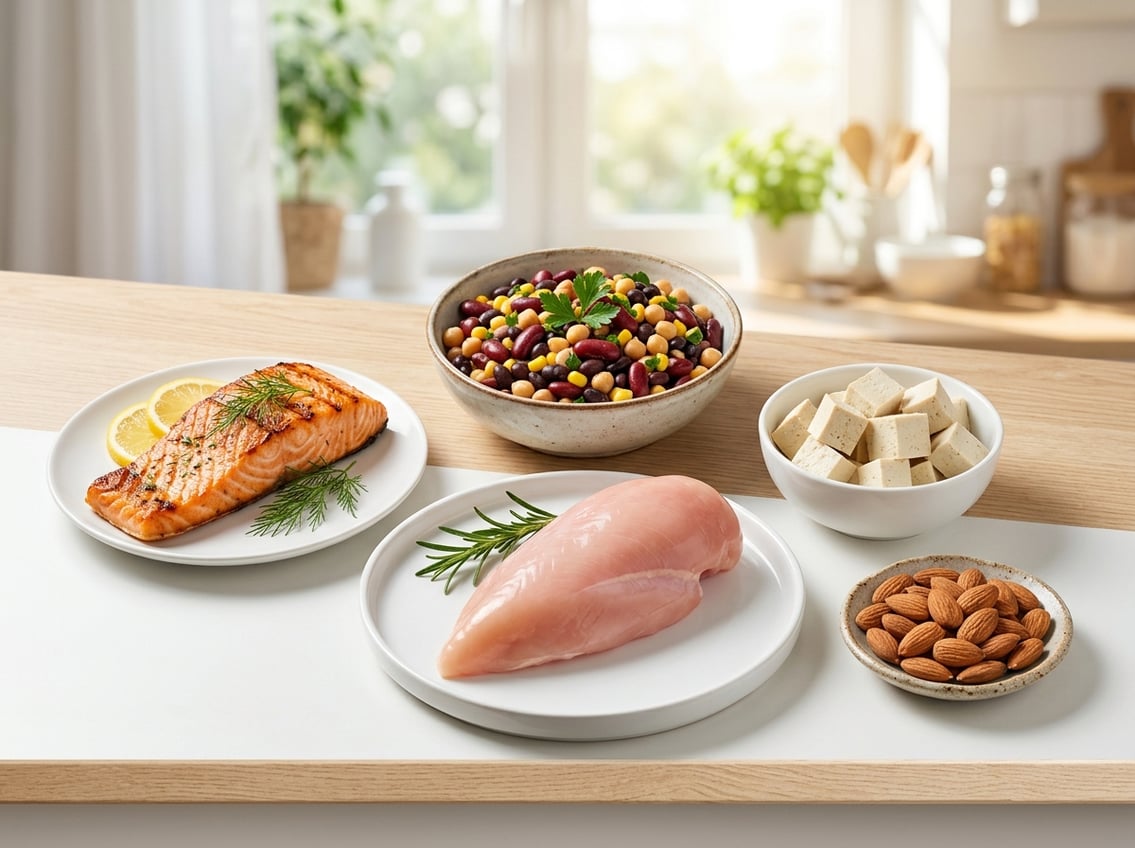
Chicken breast is not a bad protein by default. It still works well in many diets.
The main question is whether it fits your goals, cooking habits, and health priorities. Other proteins may give you more fiber, more healthy fats, or fewer food safety worries.
When Chicken Breast Can Still Fit a Balanced Diet
Chicken breast can make sense when you want a high-protein food with low fat and simple preparation. It works especially well in meals built around vegetables, whole grains, and healthy fats.
The U.S. nutrition profile for chicken breast shows why it remains popular: high protein, modest calories, and useful B vitamins.
Used in moderation, it can support satiety and muscle maintenance.
Why Plant-Based Protein May Be Worth Considering
Plant-based protein sources can give you more fiber and a wider range of plant compounds. Beans, lentils, tofu, tempeh, and edamame can also fit heart-conscious eating patterns.
If you want to reduce saturated fat, lower exposure to foodborne pathogens, or add more variety, plant-based protein is worth a closer look. It can also make your meals more filling in a different way than chicken breast.
How to Choose the Best Protein Source for Your Goals
Choose the protein that fits your health goals, budget, and cooking style.
If you focus on muscle gain, use chicken breast. If you want more fiber or want to limit meat, plant-based protein may serve you better.
Try to include variety. Rotate between chicken breast, fish, beans, tofu, eggs, and other protein foods for more nutrients.


