
Why Is Chicken Breast High in Protein? Explained
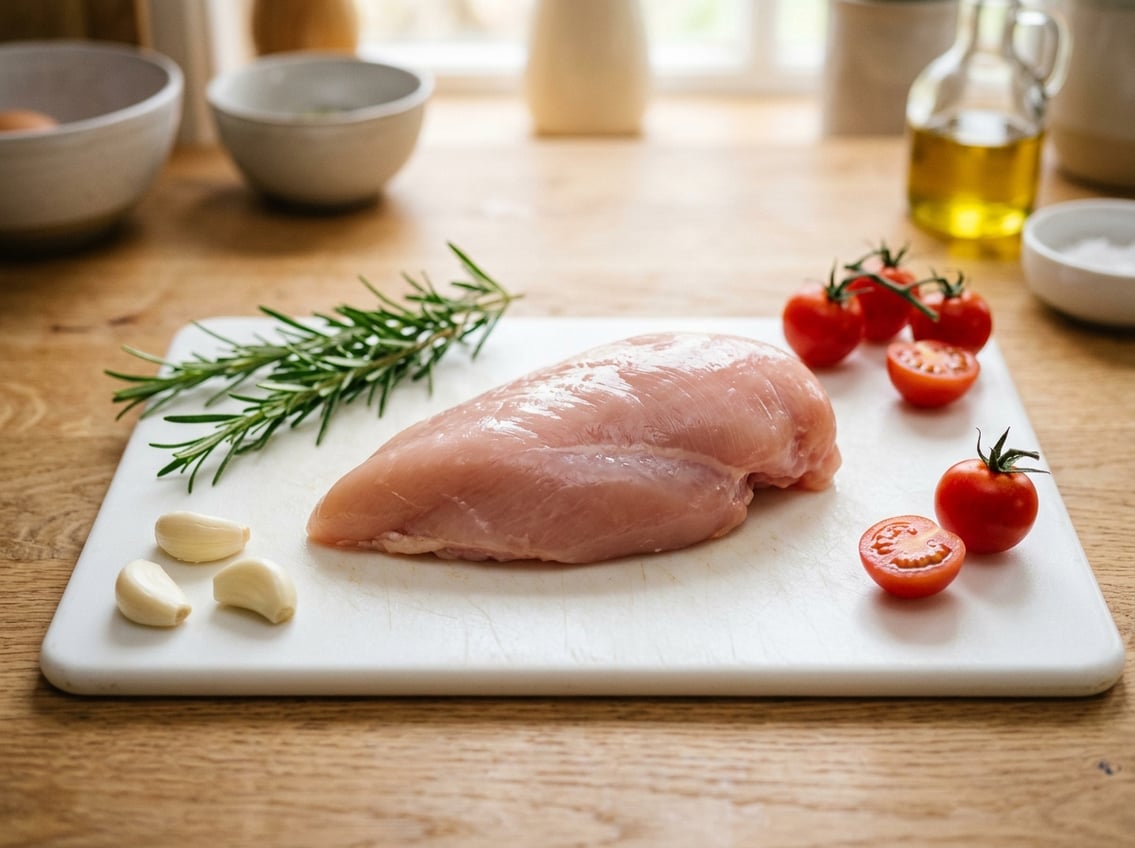
Chicken breast is high in protein because it is dense lean meat from the bird’s pectoral muscles. These muscles do a lot of work and contain relatively little fat.
This simple mix of muscle tissue and low fat makes chicken breast one of the most efficient lean protein choices in your diet. You also get a practical food that is easy to portion and cook.
For people focused on muscle building or weight management, chicken breast offers clear benefits.
Breast Meat Structure and Protein Density
Chicken breast stands out because it comes from the bird’s pectoral muscles. These large chest muscles are used for movement.
The muscles are made mostly of protein-rich tissue and contain less fat than many other cuts of chicken. That gives chicken breast a high protein density.
You get more protein in chicken for each bite and fewer calories from fat.
Why the Pectoral Muscles Contain So Much Protein
The pectoral muscles are built for repeated use, so they contain a lot of structural muscle protein. Muscle fibers are the main protein source in meat, and chicken breast has a high amount of this tissue compared with connective tissue and fat.
A lean cut made mostly of muscle naturally delivers more protein per gram of food.
How Low Fat Raises Protein Density
When fat is low, protein density rises because less of the food’s weight comes from fat. A larger share of each serving is protein in chicken breast.
According to a meat protein chart per 100g, chicken breast is one of the most protein-dense meats. Skinless chicken breast is a common choice for people tracking macros.
Why Skinless Chicken Breast Is Especially Lean
Removing the skin cuts down the fat even more. Skinless chicken breast gives you a lot of protein without much extra fat.
That lean profile makes chicken breast a popular choice in meal plans for fitness and calorie control.
Amino Acids, Completeness, and How the Body Uses It
Chicken breast is not just high in protein; it is also useful protein. Your body can break it down efficiently, providing the building blocks needed for repair and growth.
Not all protein sources give you the same amino acid profile. Chicken breast offers a strong amino acid mix, which helps explain its place in sports and health diets.
Why Chicken Breast Is a Complete Protein
Chicken breast is a complete protein, containing all nine essential amino acids in useful amounts. Your body cannot make these amino acids on its own, so you need them from food.
Animal proteins like chicken are known for being complete protein sources. That makes chicken breast a reliable option when you want protein that supports your daily needs.
Essential Amino Acids and the Amino Acid Profile
The amino acid profile of chicken breast works well in meals aimed at muscle building. Essential amino acids help your body make new tissue, maintain muscle, and recover from training.
Leucine helps trigger muscle protein synthesis. Chicken breast gives you a strong mix of these amino acids in a form your body can use well.
Protein Absorption and Muscle Protein Synthesis
Your body can use protein only if it absorbs it well. Chicken breast is easy to digest for many people, and its amino acids are available for muscle protein synthesis after meals.
Chicken breast is a dependable protein source that fits both training and everyday nutrition.
How Much Protein You Actually Get per Serving
The amount of protein in chicken breast depends on the portion size, whether it is raw or cooked, and how much water it has lost during cooking. Protein per 100g and protein per serving are not always the same number.
A 3-ounce cooked serving often provides around 24 to 27 grams of protein, depending on the cut and method. A larger portion raises the total quickly.
Protein per 100g vs Protein per Serving
On a protein per 100g basis, chicken breast usually provides about 31 grams of protein, according to a protein chart for meats. A standard cooked serving can be smaller or larger than 100 grams, so your total protein changes with portion size.
Tracking by serving is useful for meal planning. Tracking by 100 grams helps you compare foods more accurately.
How Cooking Changes Water Content and Protein Numbers
Cooking removes water, not protein, so the protein in chicken breast looks more concentrated after cooking. Cooked chicken breast often shows a higher protein number per ounce than raw chicken breast.
Nutrition labels and food apps can look different from one another because of this. The protein stays there, but the weight shifts as moisture leaves the meat.
Chicken Breast Compared With Other Chicken Cuts
Chicken breast usually has more protein per ounce than thighs, drumsticks, and wings because those cuts contain more fat and connective tissue. Dark meat can still be nutritious, but it is not as protein dense as breast meat.
A 3-ounce cooked chicken breast can provide about 23.8 grams of protein. Some guides place it even higher depending on the exact cut and cooking method.
Health Goals, Cooking Methods, and Buying Choices
Chicken breast fits many health goals because it gives you a lot of lean protein with relatively few calories. It is useful when you want to support muscle building without making meals heavy in fat.
Your cooking method and buying choice can change the final meal a little, but chicken breast remains a protein-rich food.
Why It Works Well for Muscle Building and Weight Management
For muscle building, you want enough protein to support repair after training. For weight management, you want a filling food that does not bring a lot of extra fat or calories.
Chicken breast combines lean protein with a simple nutrition profile.
Grilled Chicken and Baked Chicken as Practical Options
Grilled chicken and baked chicken are two of the easiest ways to keep the meal lean. These methods avoid adding much fat, so they preserve the food’s protein-focused profile.
Cooking methods like poaching, steaming, and boiling also keep chicken tender while avoiding extra fat. Grilling and baking work well for most home kitchens.
Whether Organic Chicken Changes the Protein Story
Organic chicken may differ in farming practices, feed, and price, but it does not change the protein content of chicken breast. The protein level comes mainly from the muscle meat itself.
If you prefer organic chicken for other reasons, that choice can fit your routine. The main reason chicken breast is high in protein stays the same.
Using Chicken Breast to Meet Daily Protein Requirements
Chicken breast helps you reach daily protein requirements without much effort.
A normal serving contains enough protein to cover a meaningful share of your day.
Your exact protein needs depend on your body size, activity level, and goals.
For many people, chicken breast adds lean protein to lunch or dinner and helps you stay on track.


