
Which Is Better Chicken Breast or Tenderloin? Key Differences
You often compare which is better chicken breast or tenderloin when you want a lean protein that fits a quick meal.
The right choice depends on how you cook, how much you need, and whether you want the larger, more versatile cut or the smaller, faster-cooking one.
Chicken breast gives you more meat for the money and more flexibility.
Chicken tenderloin gives you quicker prep and a softer bite.
Both work well as a protein source and fit into many healthy meals.
What Each Cut Actually Is
Chicken breast and tenderloin come from the same bird, and both are white meat.
The main difference is where they sit on the chicken and how they behave in the pan.
What Is Chicken Breast
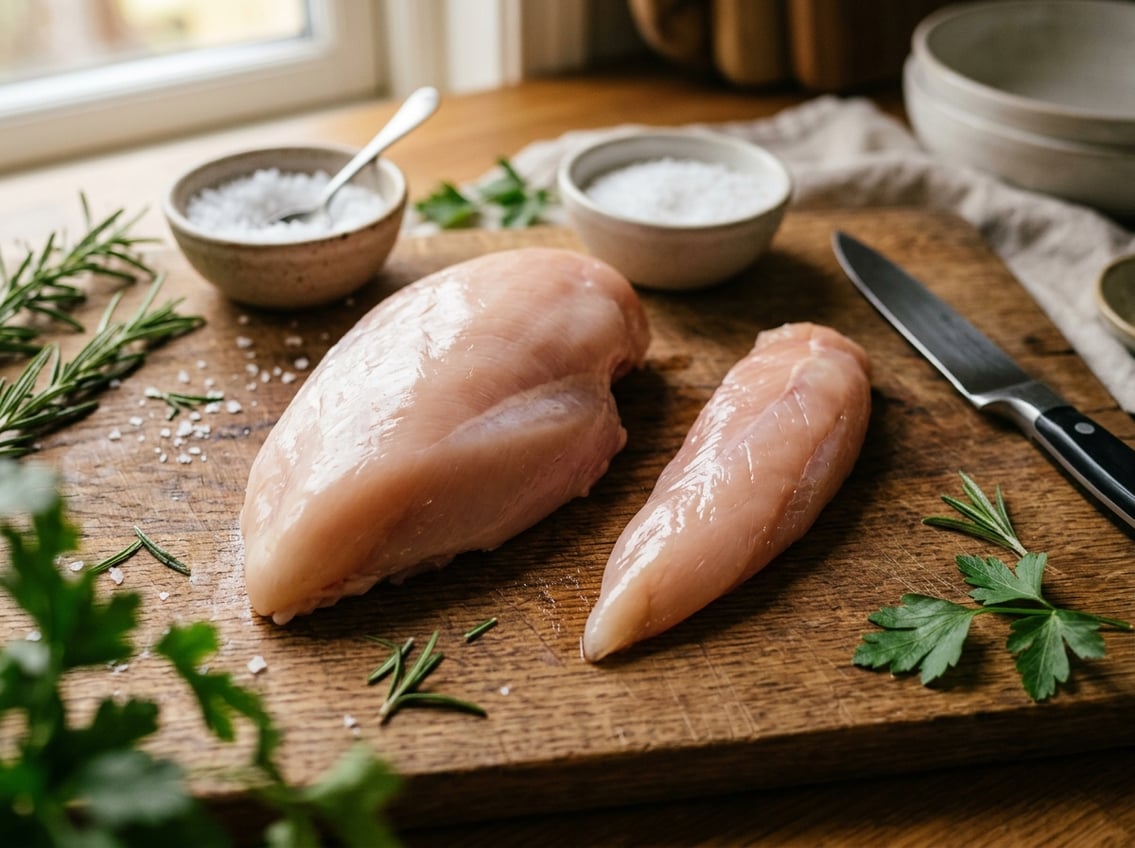
Chicken breast is the large pectoral muscle on the underside of the chicken.
Stores usually sell it boneless and skinless, though bone-in versions are also common.
Chicken breasts are larger, thicker, and more plump than tenderloins.
That size gives you more servings from one cut.
What Is Chicken Tenderloin
Chicken tenderloin is a thin strip of meat that sits under the breast.
Stores sometimes sell it as chicken tenders, and some label it that way.
Tenderloins are smaller, thinner, and usually more delicate.
Martha Stewart’s breakdown of chicken tenderloin vs. chicken breast explains that the tenderloin is attached by a thin white tendon and is often sold separately.
Where the Tenderloin Sits Under the Breast
The tenderloin lies beneath the breast, close to the rib bones.
It is a separate muscle, even though connective tissue attaches it to the breast.
That placement changes size, shape, and cook time.
A whole breast takes longer to cook through, while tenderloins finish faster.
Size, Texture, and White Meat Differences
Chicken breast is firm, mild, and easy to slice into cutlets, cubes, or strips.
Chicken tenderloin is usually softer and slightly more delicate in texture.
Both are white meat and quite lean.
In taste, they are close enough that many recipes can use either one, especially for stir-fries, soups, and salads.
Nutrition, Cost, and Everyday Value
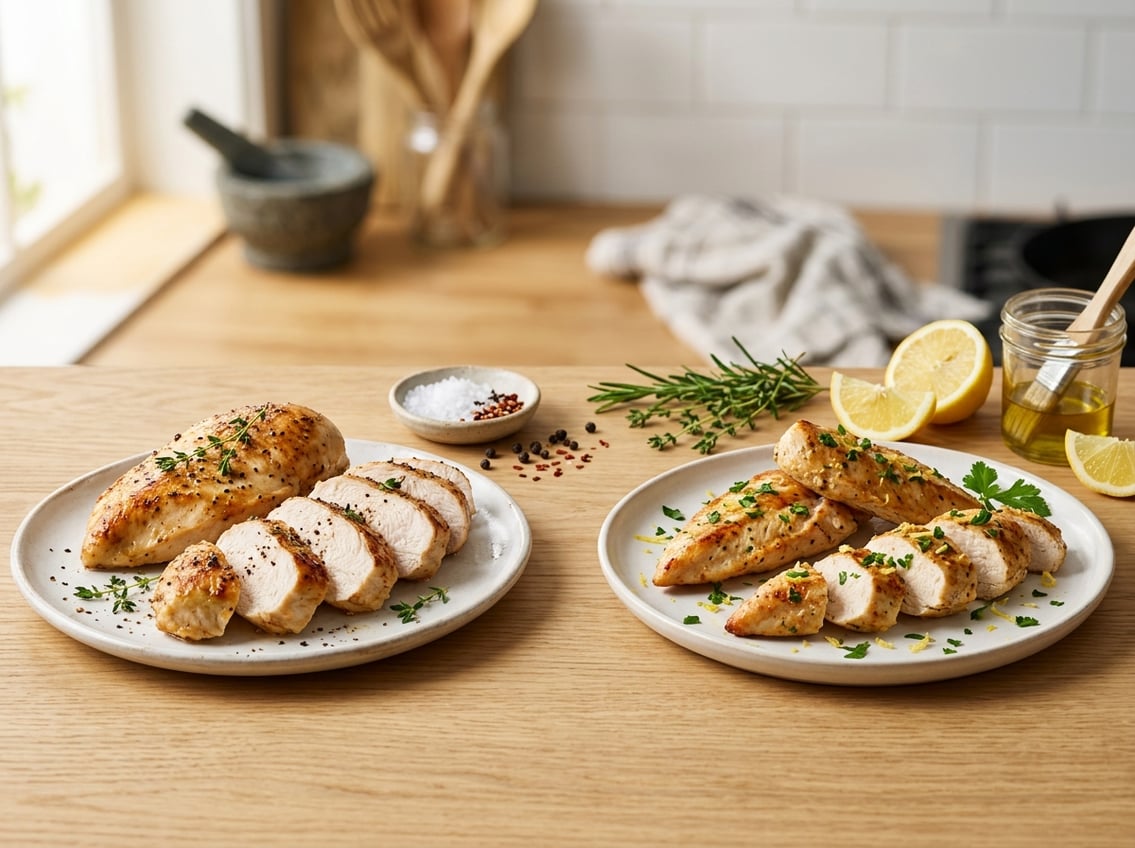
When you compare chicken breast vs tenderloin for nutrition and value, the biggest differences are usually protein per serving, price, and portion size.
Both fit well into lean protein goals.
Chicken Breast Nutrition Compared With Chicken Tenderloin Nutrition
Chicken breast nutrition usually gives you a little more protein per ounce than tenderloin, along with slightly fewer calories in many store-bought comparisons.
Tatnuck Meat and Seafood notes that chicken breast has more protein and calories overall, while tenderloin tends to have more sodium.
Chicken breast is often the better pick when you want the most protein from a single serving.
Tenderloin still counts as a strong lean protein choice.
Protein, Calories, Fat, and Sodium at a Glance
Both cuts are low in fat and high in protein.
Chicken breast often edges ahead on protein, while tenderloin may be a little easier to portion for lighter meals.
| Cut | Protein | Calories | Fat | Sodium |
|---|---|---|---|---|
| Chicken breast | Higher | Similar or slightly lower | Very low | Usually low |
| Chicken tenderloin | High | Similar | Very low | Can be higher in some packs |
Packaged tenderloins may also vary more in seasoning and sodium, so label reading matters.
Which Option Fits Lean Protein Goals
If your goal is a simple lean protein source for meal prep, chicken breast is usually the safer default.
It gives you more meat, strong nutrition, and broad use in many recipes.
If you want a softer texture, fast cook time, and easy portioning, tenderloin is a smart choice.
Both fit into a high-protein diet.
Price, Availability, and Portion Size
Chicken breast is usually easier to find and often costs less per pound.
Martha Stewart points out that stores are more likely to stock breasts, while tenderloins may be sold in smaller amounts or not separately at all.
One package of breasts can feed more people.
Tenderloins are convenient when you want pre-sized pieces with less trimming.
Best Uses in the Kitchen
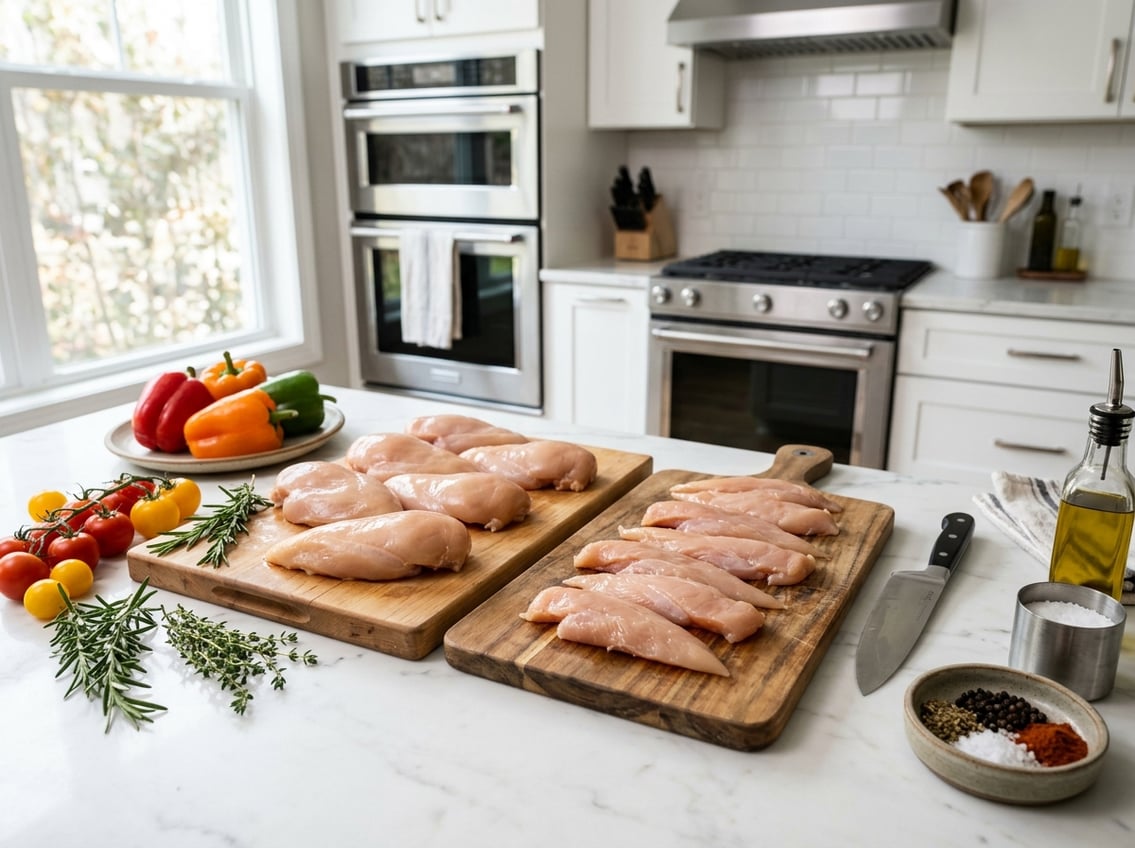
The best ways to cook chicken breast and the best ways to cook chicken tenderloin are not exactly the same.
Breast works well in larger, slower-cooking meals.
Tenderloin shines when you want fast, even cooking.
Best Ways to Cook Chicken Breast
Chicken breast is one of the most flexible cuts for cooking in the home kitchen.
You can grill it, bake it, roast it, sear it, slice it for stir-fries, or chop it for soups and pasta.
A whole breast also holds up well when you want a thicker cut on the grill.
Martha Stewart notes that breasts are especially good for grilling, schnitzel, sandwiches, shredding, and roasting.
Best Ways to Cook Chicken Tenderloin
Chicken tenderloin works best when you want quick cooking and little prep.
It is a good fit for breading, pan-searing, baking, grilling, and frying.
Because the pieces are already small and narrow, they are a natural match for chicken fingers and strips.
The shape saves you time when you want an easy weeknight meal.
Grilled, Baked, and Pan-Cooked Results
Grilled chicken breast can stay juicy, but you need careful timing because the meat is thicker.
Baked chicken breast also works well, especially if you brine, marinate, or pound it to even thickness.
Tenderloins cook faster on the grill or in a skillet.
You need less time to reach a safe internal temperature.
That speed makes them useful when you want dinner on the table fast.
When You Can Substitute One for the Other
You can swap chicken breast and tenderloin in many recipes, especially salads, soups, and stir-fries.
The main change is cook time and piece size.
If a recipe calls for tenderloins and you only have breasts, slice the breast into even strips.
If a recipe calls for breast and you use tenderloins, shorten the cooking time.
Marinating and Avoiding Dryness
Marinating chicken helps both cuts stay flavorful and moist.
It matters most with chicken breast because breast meat can dry out faster if you overcook it.
For tenderloin, remove the white tendon before cooking if it is still attached.
That small step improves texture and keeps the bite more tender.
Choosing the Right Cut for Common Meals
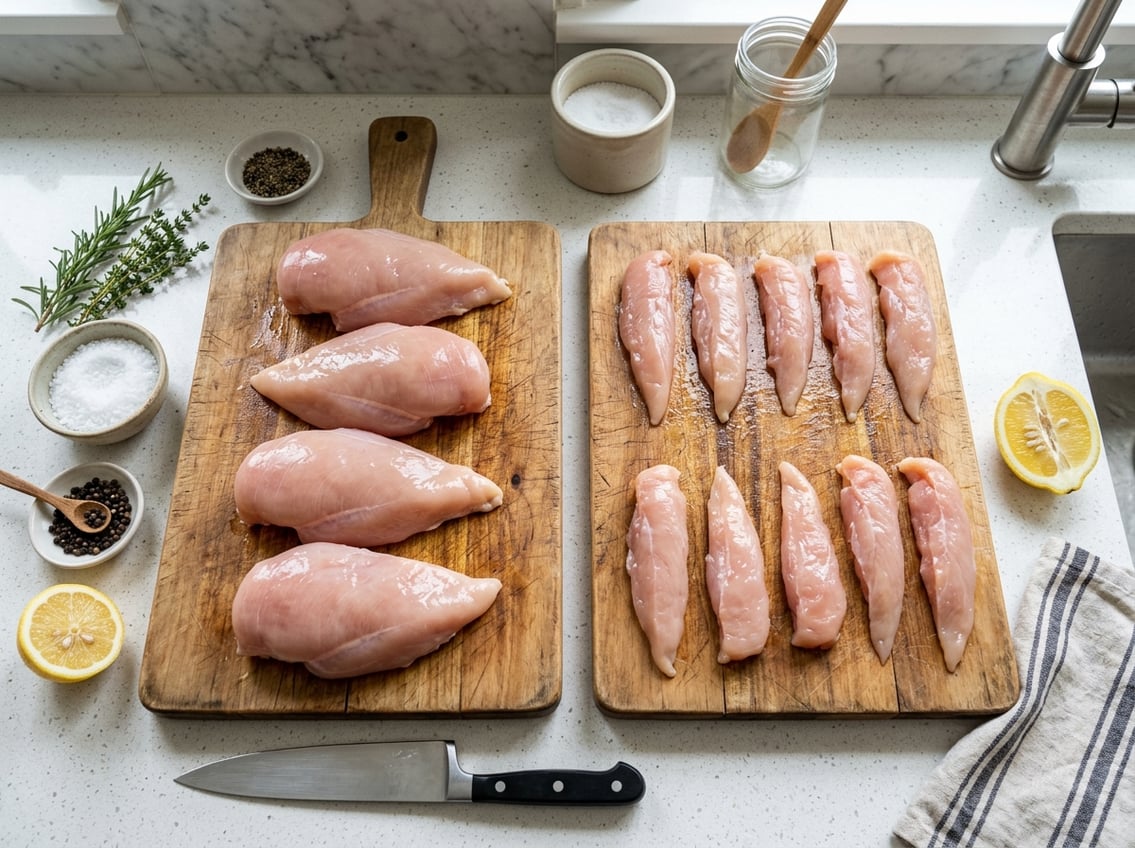
Your best choice depends on the meal you are making.
For some dishes, chicken breast gives you more structure and more servings.
For others, chicken tenderloins save time and fit the shape of the recipe better.
For Salads, Sandwiches, and Chicken Salad
Chicken breast is a strong choice for chicken salad, sandwiches, and meal prep bowls.
It slices cleanly, shreds well, and gives you enough meat for several portions.
Tenderloins also work in chicken salad if you want a softer texture.
They are a good option when you need quick-cooked pieces for a lighter lunch.
For Chicken Fingers, Strips, and Quick Weeknight Meals
Chicken tenders and chicken fingers are a clear use case for chicken tenderloin.
The cut is already the right size for breading, dipping, and fast cooking.
If you are making a weeknight skillet meal, tenderloins cut prep time.
Martha Stewart notes that they are especially useful when you want strips for searing or grilling.
For Meal Prep and High-Protein Plates
Chicken breast is usually better for meal prep and high-protein plates because it gives you more food per piece.
You can cook several breasts at once, slice them, and portion them for the week.
Tenderloins still work well when you want smaller portions and faster cooking.
They fit nicely with rice, vegetables, and other lean protein sources.
Recipe Ideas for Both Cuts
Grill chicken breast, bake cutlets, make chicken sandwiches, or shred chicken for salads. These meals use the cut’s size and structure well.
Use chicken tenderloin for chicken fingers, quick pan-seared strips, grilled skewers, or breaded tenders. Tenderloins work best in recipes that need fast, even cooking.


