
What Is the Best Way to Cook Chicken Breast to Keep It Tender?
You can keep chicken breast tender by controlling three things: even thickness, salt, and heat.
Make the pieces uniform, season them ahead of time, and stop cooking as soon as they reach a safe temperature.
If you want a juicy chicken breast instead of dry, chewy meat, use gentle finishing heat and do not overcook the center.
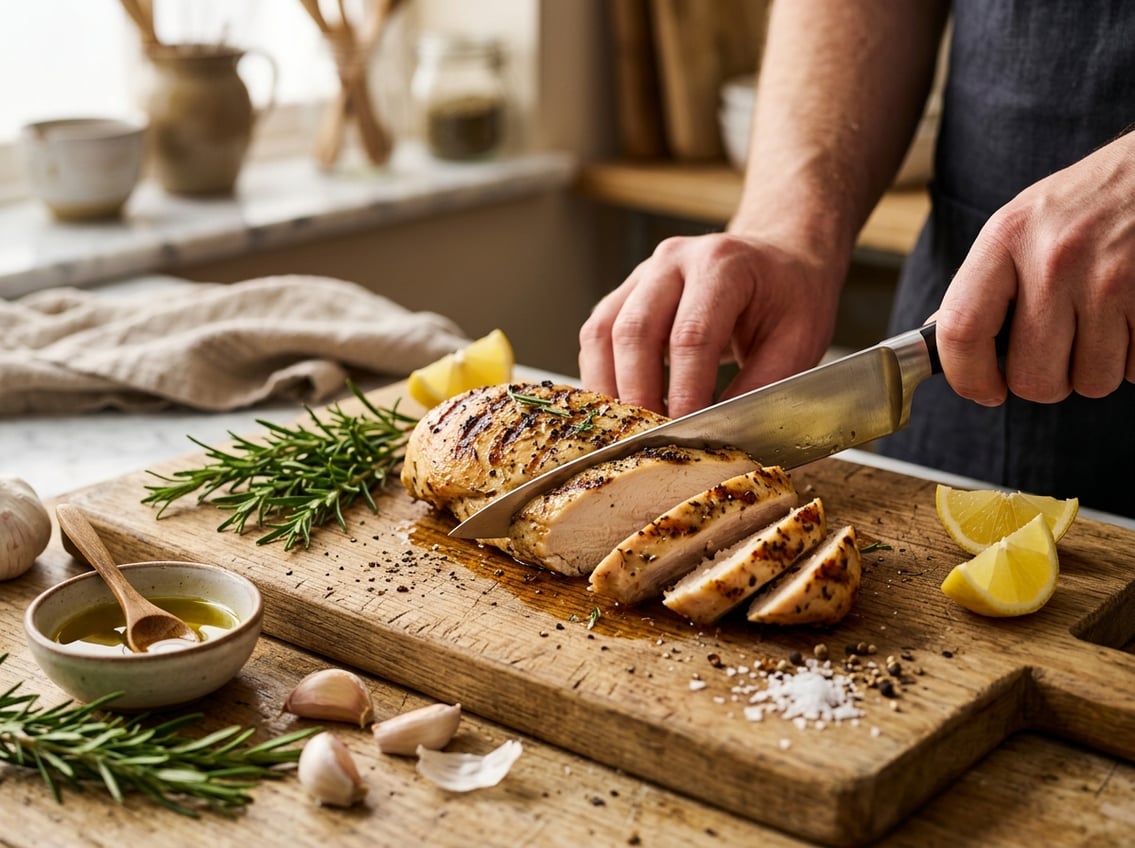
Chicken breast is lean, so it dries out faster than fattier cuts.
Smart prep, steady heat, and good temperature control matter more than fancy seasoning.
You can make tender chicken breasts at home with a skillet, oven, or poaching method.
The right method depends on how you plan to serve the meat, whether you want slices, shredded chicken, or a simple main dish.
The Short Answer: What Keeps Chicken Breast Tender
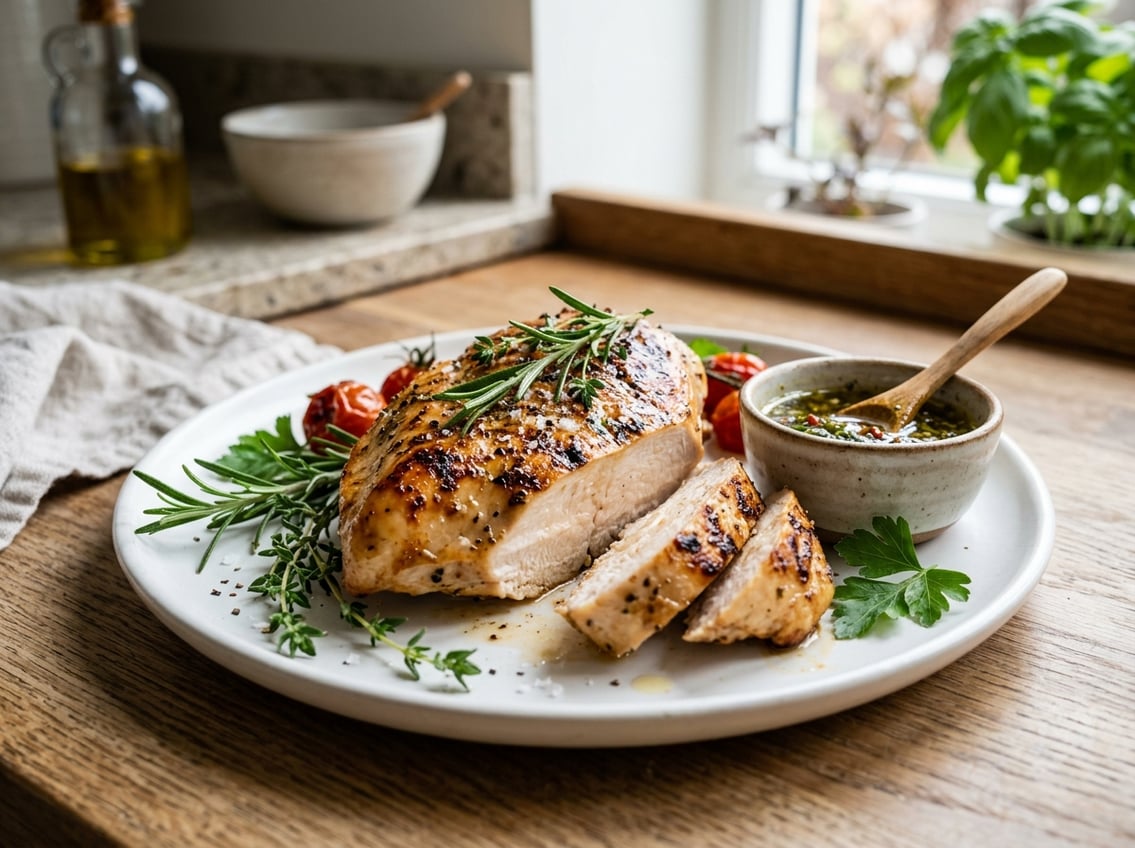
Tender chicken breast starts with even thickness and ends with careful heat control.
When you cook boneless skinless chicken breasts unevenly, the thin parts dry out before the thick parts finish.
Salt helps the meat hold onto moisture.
A short brine or marinade can make a noticeable difference in juiciness.
Even Thickness Matters More Than Size
A large chicken breast can still cook well if you pound or slice it to the same thickness throughout.
That gives the heat a more even path through the meat, which helps you avoid dry edges and a raw center.
According to The Kitchn’s chicken breast method, flattening the breasts before cooking is a key step for juicy results.
Salt, Brining, and Marinades Improve Moisture Retention
Salt does more than season the surface.
It helps the meat retain moisture during cooking, especially when you give it time to work.
A quick brine can help even more.
A marinade with salt, yogurt, buttermilk, or a mild acid can support tenderness.
Keep the timing moderate so the texture stays firm and pleasant.
Gentle Finishing Heat Prevents Dry, Tough Meat
High heat for too long dries out chicken breasts quickly.
Start with a brief sear for color, then use lower heat or a covered finish to keep the outer layer from overcooking before the center is done.
Many reliable methods use a sear followed by covered cooking.
The meat finishes more gently and stays more tender.
Why Resting and Temperature Control Matter
Use an instant-read thermometer and stop at the safe point, not well past it.
Chicken is done at 165°F in the thickest part, and resting after cooking helps the juices settle back into the meat.
If you slice too soon, those juices run onto the cutting board instead of staying in the chicken.
A short rest gives you a better result with very little extra time.
Best Cooking Methods for Reliable Results
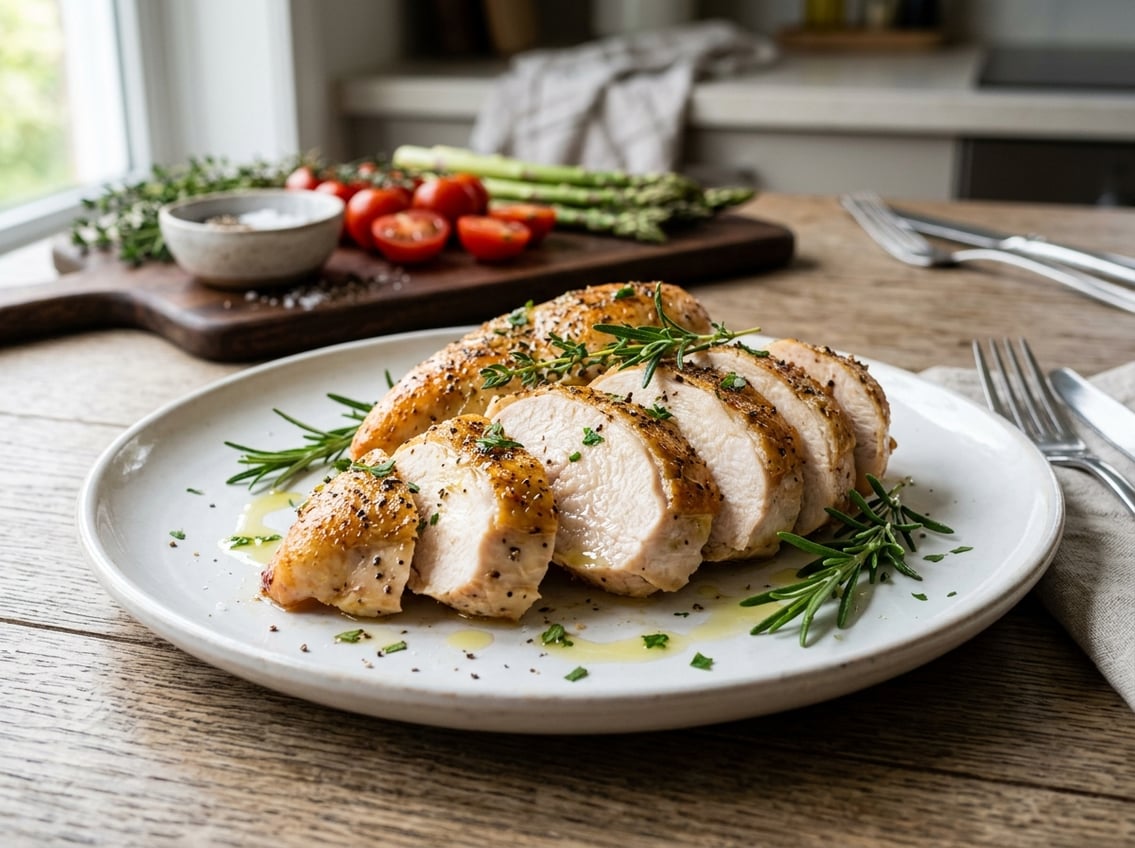
The best cooking methods use steady, controlled heat and match the way you plan to serve the meat.
For everyday cooking, a covered skillet, a hot oven, or gentle poaching can all produce a tender chicken breast when you watch the timing closely.
The right choice depends on whether you want slices for dinner, chicken salad, or grilled flavor.
Each method works best when you avoid overcooking and check temperature early.
Covered Skillet and Steam-Finish Method
This is one of the most reliable ways to cook chicken breast.
Start the chicken in a hot skillet, flip it, then cover the pan and let it finish on low heat so it cooks through without drying out.
The Kitchn’s method uses this covered finish and lets the chicken essentially poach in its own juices, which helps keep it moist.
This method works well when you want a simple, tender result for slicing over rice, pasta, or vegetables.
Baked Chicken Breast at High Heat
A baked chicken breast can stay juicy if you use high heat and watch the clock.
High heat helps the meat cook fast enough that it does not sit in the oven long enough to dry out.
Use a thermometer and pull the chicken as soon as it reaches 165°F in the thickest part.
If your breasts are thick on one end and thin on the other, flatten them first so the whole piece cooks evenly.
Poaching for Slicing, Shredding, and Chicken Salad
Poaching works well when you need very tender meat for chicken salad, sandwiches, or shredded chicken.
Low, moist heat keeps the texture soft and makes the chicken easy to slice or pull apart.
This method is especially useful when the chicken goes into a mixed dish with dressing or sauce.
You want the meat to stay mild and juicy, not browned and dry.
When Grilled Chicken Breasts Can Still Stay Juicy
Grilled chicken breasts can stay juicy if you manage flare-ups, cook over moderate heat, and take them off at the right time.
Thick pieces need extra care, so even thickness matters a lot here.
A short rest after grilling is important.
If you cut too soon, the juices leave the meat fast, and the chicken will seem drier than it really is.
Prep Steps That Make a Bigger Difference Than Seasoning
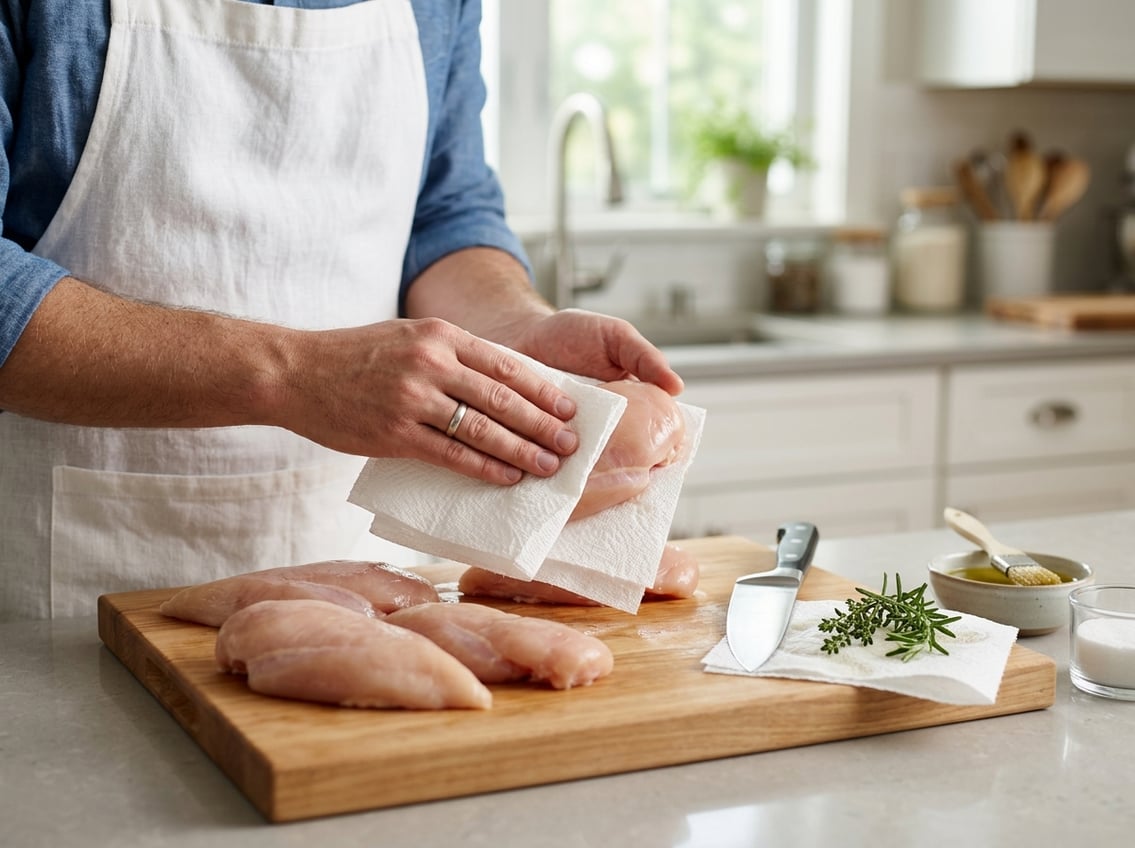
Good prep does more for tender chicken breasts than heavy seasoning.
The shape of the meat, the type of brine, and how dry the surface is all affect how the chicken cooks.
If you handle these steps well, you make it much easier to cook chicken breast without drying it out.
Seasoning still matters, but it works best after the meat is set up for even cooking.
How to Pound or Slice for Even Cooking
Pound boneless skinless chicken breasts between two sheets of plastic wrap or split very large breasts into thinner cutlets.
Either method helps the meat cook at the same rate from edge to edge.
Chicken breast often has a thick end and a thin end.
Even thickness gives you better control and fewer dry spots.
Dry Brine vs Wet Brine
A dry brine uses salt on the surface and time in the fridge.
A wet brine uses salted water, sometimes with sugar, to help the meat hold moisture.
Both can work, and both help tender chicken breasts.
A dry brine is simpler and often less messy, while a wet brine can be useful when you want a little more protection against dryness.
When to Pat Chicken Dry Before Cooking
Pat chicken dry when you want better browning in a skillet, on the grill, or in the oven.
A dry surface helps the outside color more quickly.
If you used a wet brine or a very wet marinade, drying the surface matters even more.
According to The Kitchn’s chicken breast tips, you should pat brined chicken very dry before cooking.
How Long to Marinate Without Hurting Texture
Marinades can help flavor and moisture, especially when they include salt, yogurt, or buttermilk.
Very acidic marinades left on too long can make the outside texture mushy.
For most chicken breast cuts, a short to moderate marinating time is enough.
If you want the meat to stay firm and tender, avoid leaving it in a strongly acidic marinade all day.
Mistakes That Dry Out Lean White Meat
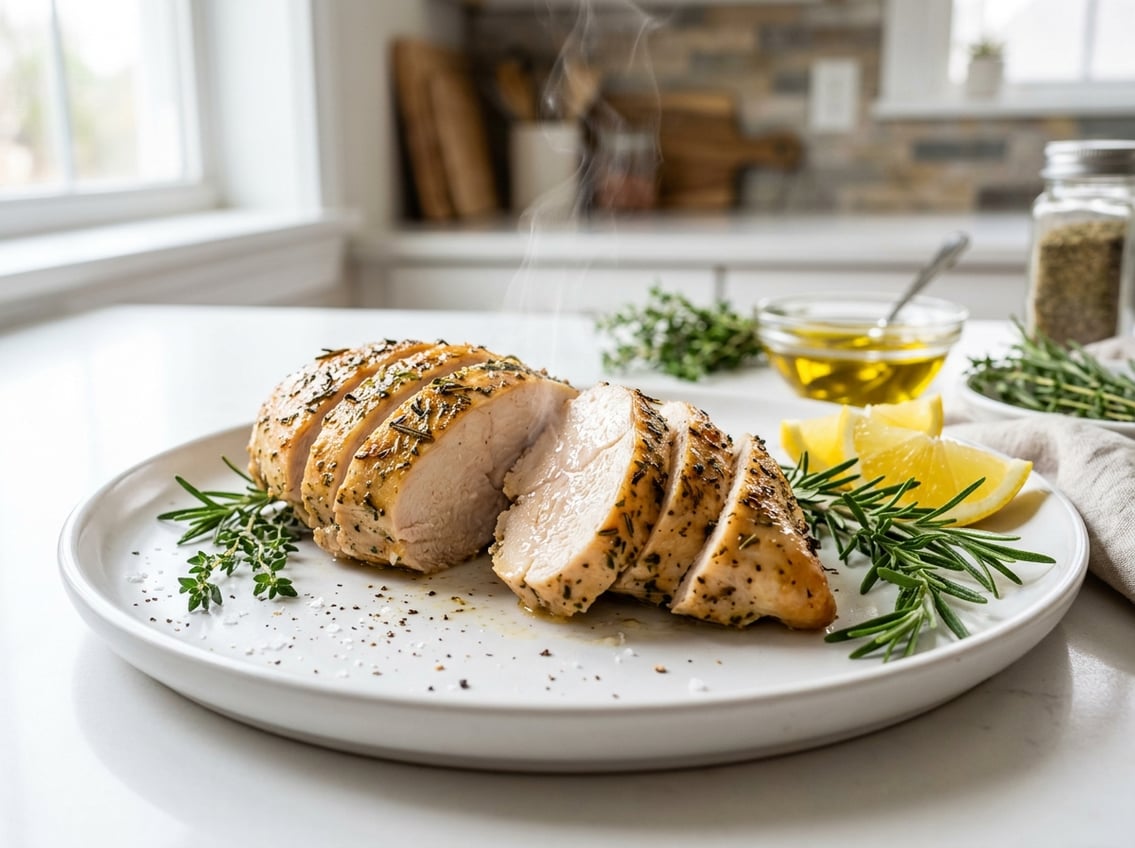
Dry chicken breast usually happens because of a few common mistakes, not bad luck.
Uneven pieces, too much heat, late temperature checks, and rushed slicing all work against tenderness.
Once you know these problems, it becomes much easier to cook chicken breast well.
Small changes in technique make a clear difference in the final texture.
Cooking Straight From Uneven, Thick Pieces
If one piece is much thicker than the others, the thin parts will dry out before the thick center finishes.
That is one of the most common reasons chicken breasts turn tough.
Always even out the shape before cooking.
If the breast is unusually large, cut it in half or pound it to a more uniform thickness.
Using Heat That Is Too High for Too Long
Very high heat for a long time pushes out moisture fast.
The outside may look done while the inside still needs time, which tempts you to keep cooking until the meat turns dry.
Start with strong heat at the start, then switch to gentler heat to finish.
That gives you color without pushing the meat past tenderness.
Waiting Too Long to Check Internal Temperature
Guessing is risky with chicken breast.
If you wait until the meat looks fully cooked on the outside, it may already be overdone inside.
Use a thermometer and check the thickest part early.
For more on safe doneness and common mistakes, Allrecipes’ chicken breast guide points out that timing and temperature matter more than strict guesswork.
Slicing Immediately and Losing Juices
If you cut chicken breast the moment it comes off the heat, the juices spill out. This makes the meat seem drier, even if you cooked it correctly.
Let the chicken rest for a few minutes before slicing. Cut across the grain for a softer bite and a better texture.


