
How Does Chicken Breast Have So Much Protein? Explained
Chicken breast has a lot of protein because it is lean muscle tissue with very little fat and water compared with many other foods.
It is built from the same kind of tissue your body uses for movement and repair.
Chicken breast gives you a very high amount of protein in a small serving. This makes it popular for muscle gain, weight control, and simple meal planning.
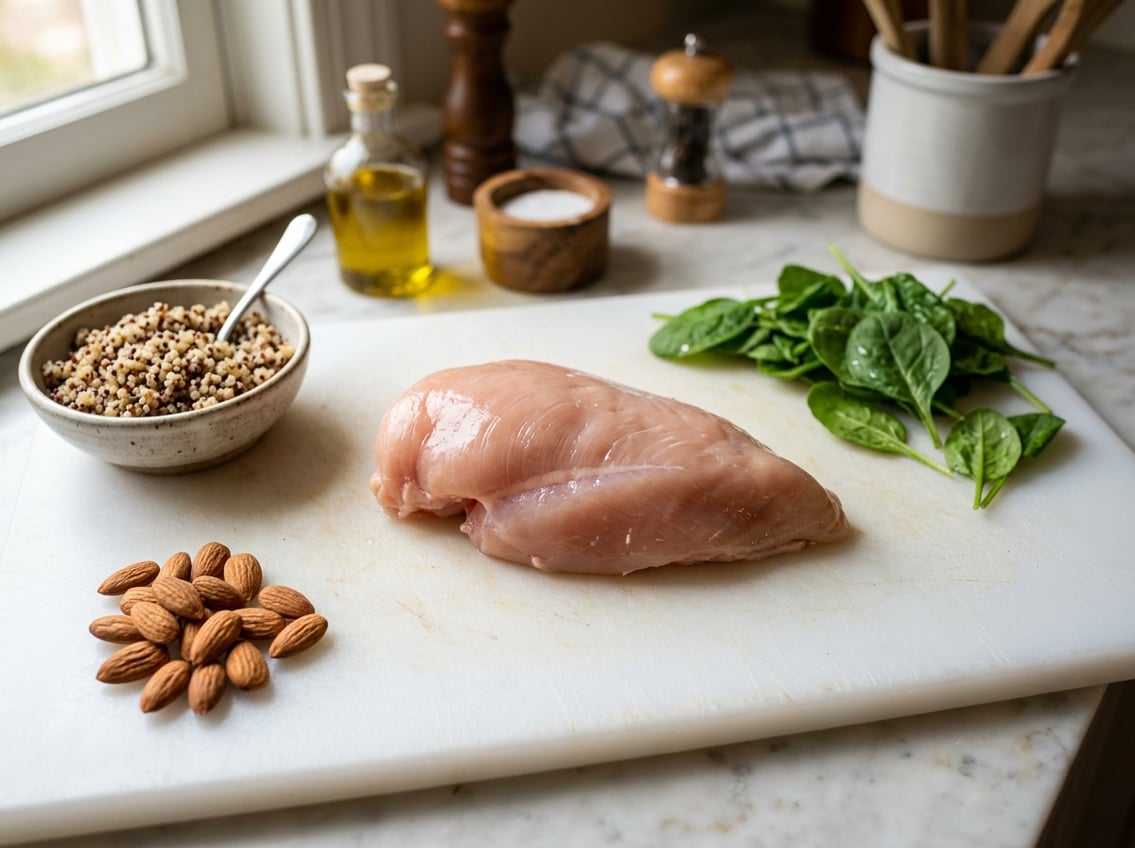
Chicken provides complete protein, which means it contains all nine essential amino acids your body needs from food.
A standard cooked chicken breast delivers a large amount of protein in a single meal, as noted in this MD-reviewed guide on chicken breast protein content.
Why Chicken Breast Is So Protein-Dense
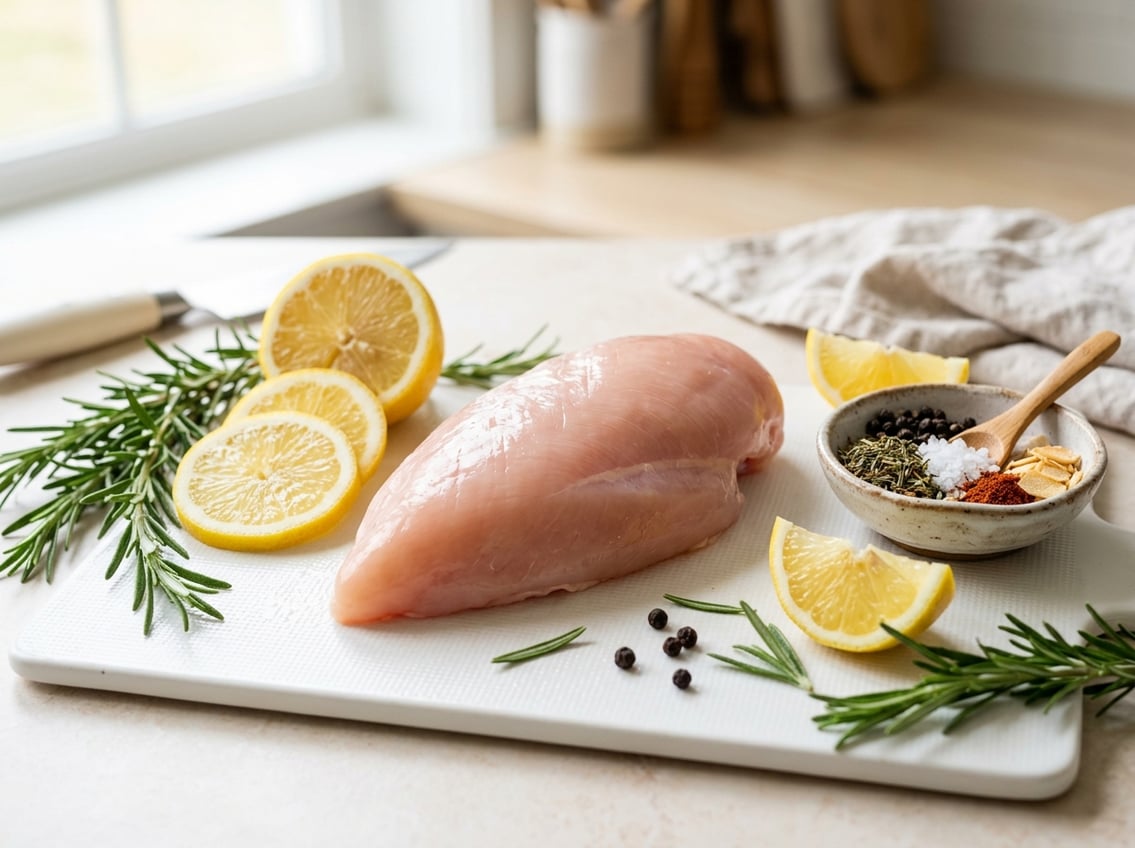
Chicken breast stands out because it is mostly lean muscle with very little fat.
That mix raises the protein content per bite and lowers the calories that come with it.
Lean Muscle Structure Means More Protein and Less Fat
Chicken breast comes from a working muscle in the bird, so it naturally contains a lot of structural protein.
Since it is a lean cut, it contains less fat than darker cuts like thighs or wings.
You get more protein for the same weight, which makes chicken breast one of the most efficient protein sources for meals.
Low Caloric Density Concentrates Nutrition
Chicken breast gives you a lot of protein without a large calorie load.
This low caloric density helps when you want to eat enough food while keeping calories in check.
When a food is low in fat and water-heavy, the protein makes up a larger share of its weight after cooking.
That is why the protein content looks so high compared with many other protein sources.
Why It Counts as a Complete Protein
Chicken breast contains all essential amino acids, so it is a complete protein.
Your body cannot make these amino acids on its own, so you need them from food.
Chicken breast is especially useful if you want one food that supports muscle repair, recovery, and daily protein needs.
It is a common staple in high protein eating plans.
What the Protein Actually Does in Your Body
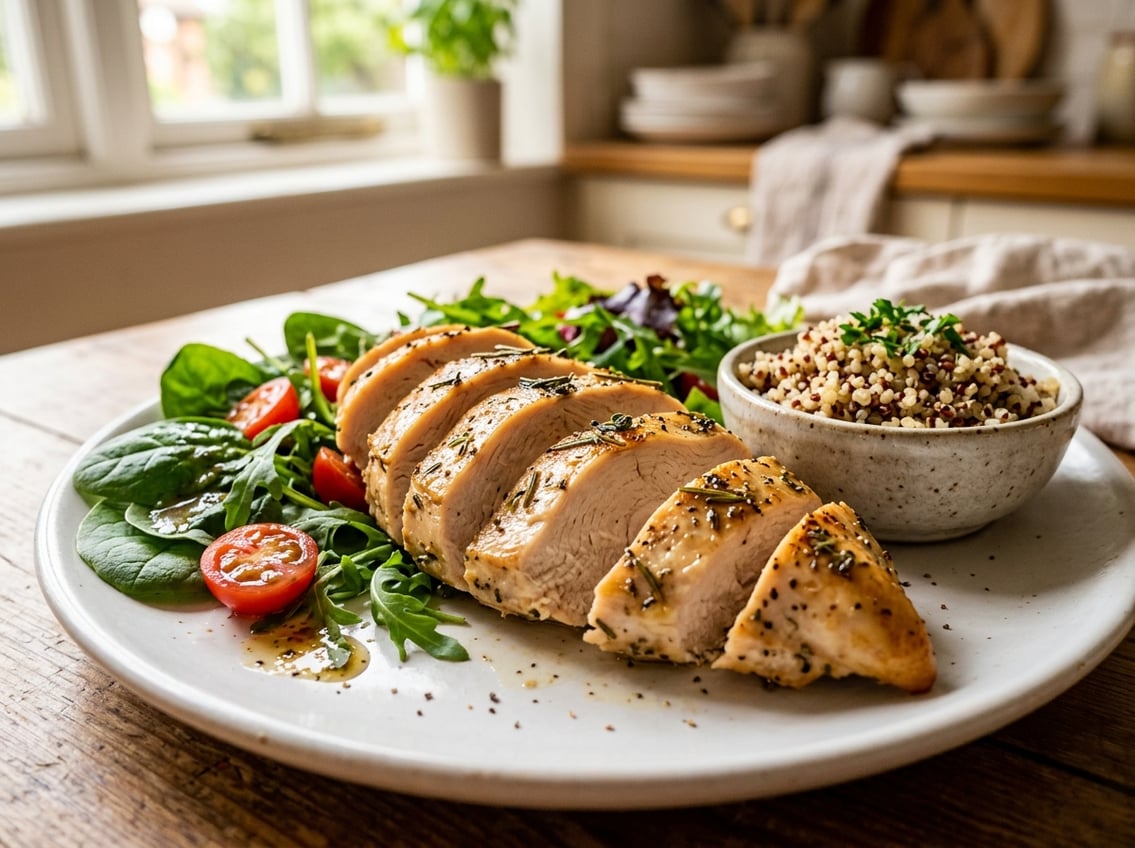
The protein in chicken gives your body building blocks for muscle tissue, enzymes, hormones, and other key functions.
How Protein Supports Muscle Growth and Repair
After exercise, your muscles need amino acids to repair damage and build back stronger.
Chicken breast provides a large amount of protein in a small serving.
If you are trying to gain muscle or preserve lean mass during weight loss, protein intake matters a lot.
A balanced diet that includes chicken breast helps you reach your daily target without a lot of extra fat.
Why Essential Amino Acids Matter for Recovery
Essential amino acids are the parts of protein your body cannot produce.
You need them from foods like chicken, eggs, dairy, fish, and soy.
Chicken breast gives you these amino acids in a form your body can use well.
That makes it a practical choice after training, during recovery, or any time you want a complete protein with strong nutritional value.
How Chicken Fits Into a Balanced Diet
Chicken breast works well with vegetables, grains, beans, and healthy fats.
That makes it easy to build meals that support energy, satiety, and recovery.
You do not need to eat chicken at every meal.
It is one option among many protein sources, and it fits well into a balanced diet when you want a simple, lean main dish.
How Serving Size and Preparation Change the Numbers
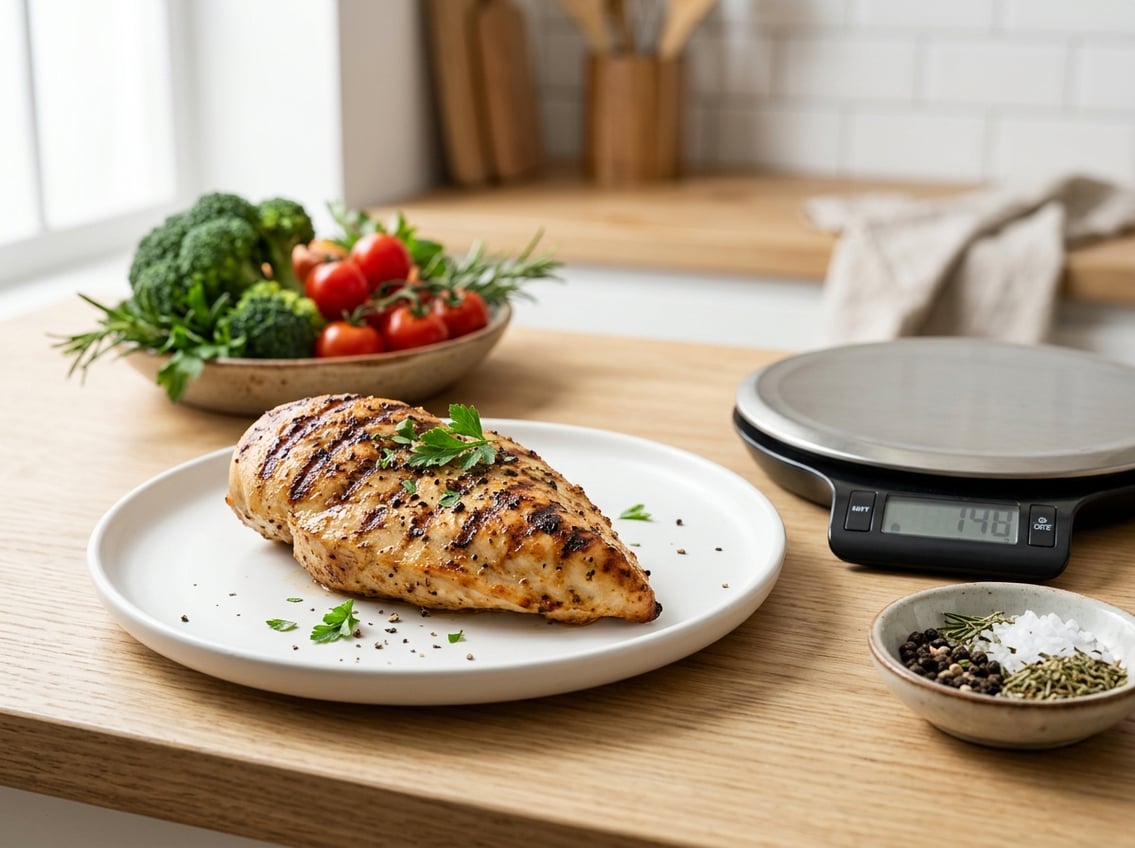
Your protein count depends on portion size, weight, and whether you measure chicken raw or cooked.
Preparation also affects water loss, which changes how dense the protein looks on the plate.
Raw vs Cooked Protein in Chicken
Raw chicken breast weighs more because it holds more water.
After cooking, moisture leaves the meat, so each ounce contains more concentrated protein.
Cooked chicken breast often shows about 9 grams of protein per ounce, while raw chicken is lower per ounce.
For accurate tracking, always match your measurement to the state of the meat you are using.
Skinless Chicken Breast vs Bone-in Chicken Breast
Skinless chicken breast is easier to measure because the edible portion is almost all meat.
Bone-in chicken breast includes parts you do not eat, so the total package weight is not the same as edible protein.
If you buy bone-in pieces, the actual protein in chicken depends on how much meat remains after removing the bone and skin.
This matters when you want a precise protein count for meal prep or macro tracking.
How Cooking Methods Affect Protein Per Ounce
Cooking methods change weight more than they change total protein.
Grilling, baking, and roasting remove water, so the protein becomes more concentrated per ounce.
A grilled chicken breast may weigh less after cooking than it did raw, yet the total protein remains the same.
For a clearer picture, the protein in a grilled chicken breast is best tracked by cooked weight.
Best Ways to Use Chicken Breast in a High-Protein Diet
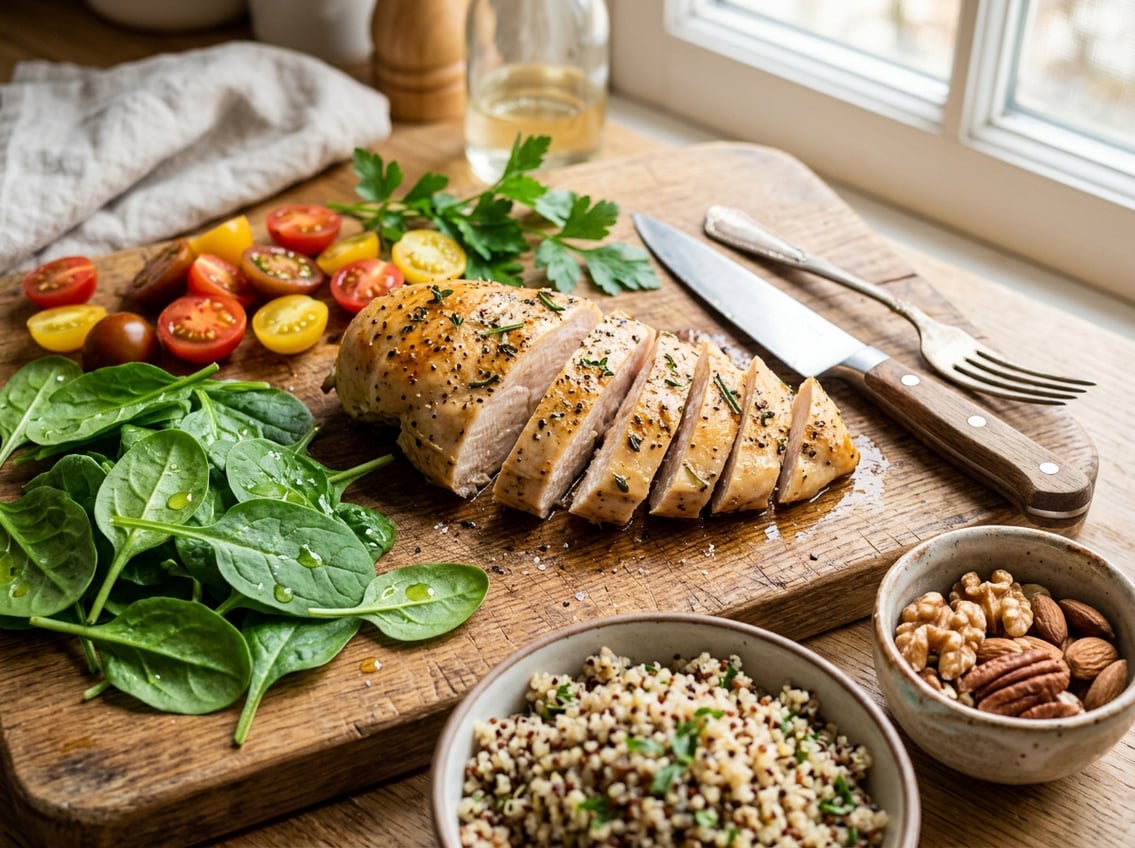
Chicken breast works best as a simple base for meals that also include fiber, carbs, and healthy fats.
That gives you more lasting energy and better meal balance.
When Grilled Chicken Breast Makes the Most Sense
Grilled chicken breast is a strong choice when you want a lean main dish with very little added fat.
It works well for meal prep, salads, grain bowls, wraps, and quick dinners.
Because grilling keeps the ingredient list simple, you can easily track protein and calories.
That makes it a smart option for a high protein diet with steady portion control.
How to Pair It With Other Foods for Better Meals
Chicken breast pairs well with rice, potatoes, oats, beans, vegetables, avocado, and olive oil.
These foods add fiber, carbs, and fat, which help make the meal more satisfying.
You can also combine chicken with other protein sources during the day.
That keeps your intake varied while still making chicken breast a reliable anchor food.
When Chicken Breast Is Better Than Other Protein Sources
Chicken breast gives you a lot of protein with fewer calories and less fat.
This helps during fat loss, muscle gain, or any plan that needs clean portion control.
It is not always the best choice for every meal.
Some days, fish, eggs, tofu, beans, or yogurt may fit your needs better.
Chicken breast remains one of the most efficient options when you want lean, complete protein.


