
What Are the Nutritional Benefits of Chicken Breast?
Chicken breast is an easy way to add high-quality protein to your meals. It gives you a lot of protein with relatively few calories, little fat, and useful vitamins and minerals.
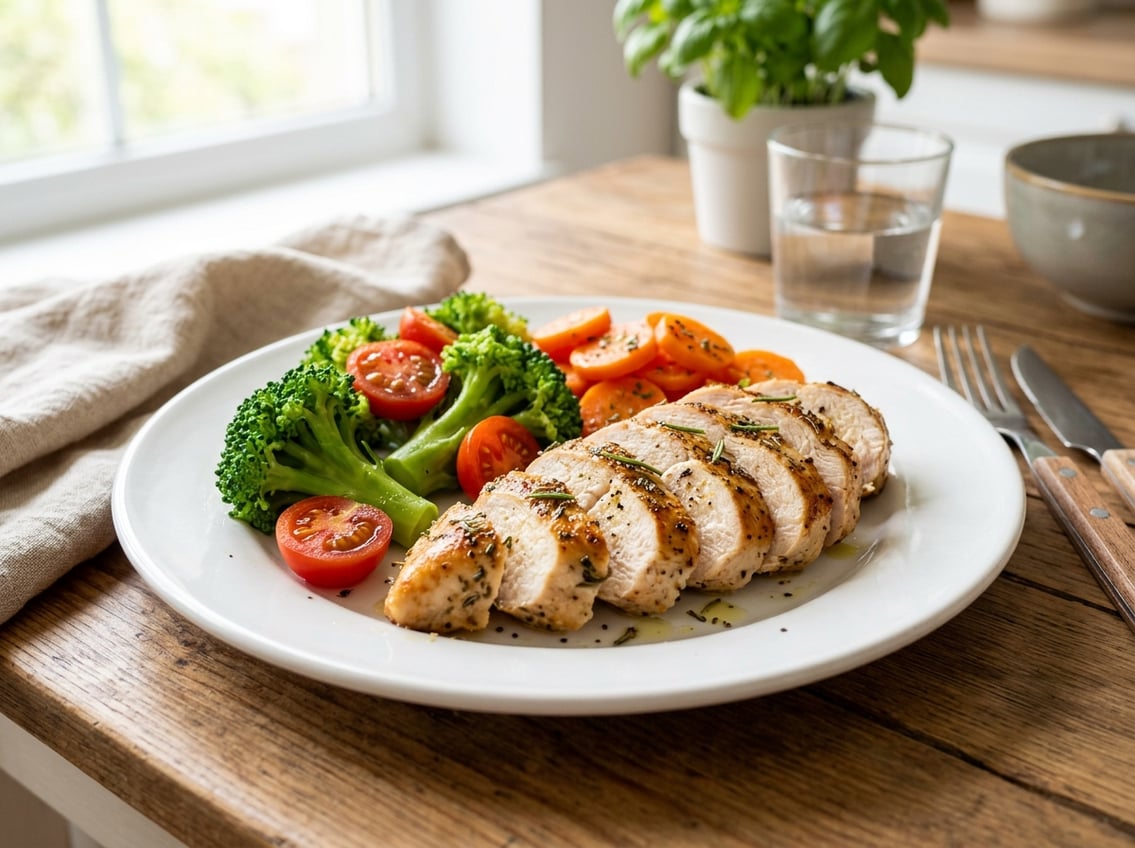
Chicken breast is filling, versatile, and generally healthy. It supports muscle, weight management, and everyday nutrition.
You can cook chicken breast in many ways, which makes it simple to fit into your routine. When you choose skinless, boneless cuts and use basic cooking methods, you get a lean protein source that works in lunch bowls, salads, wraps, and dinner plates.
Chicken Breast Nutrition at a Glance
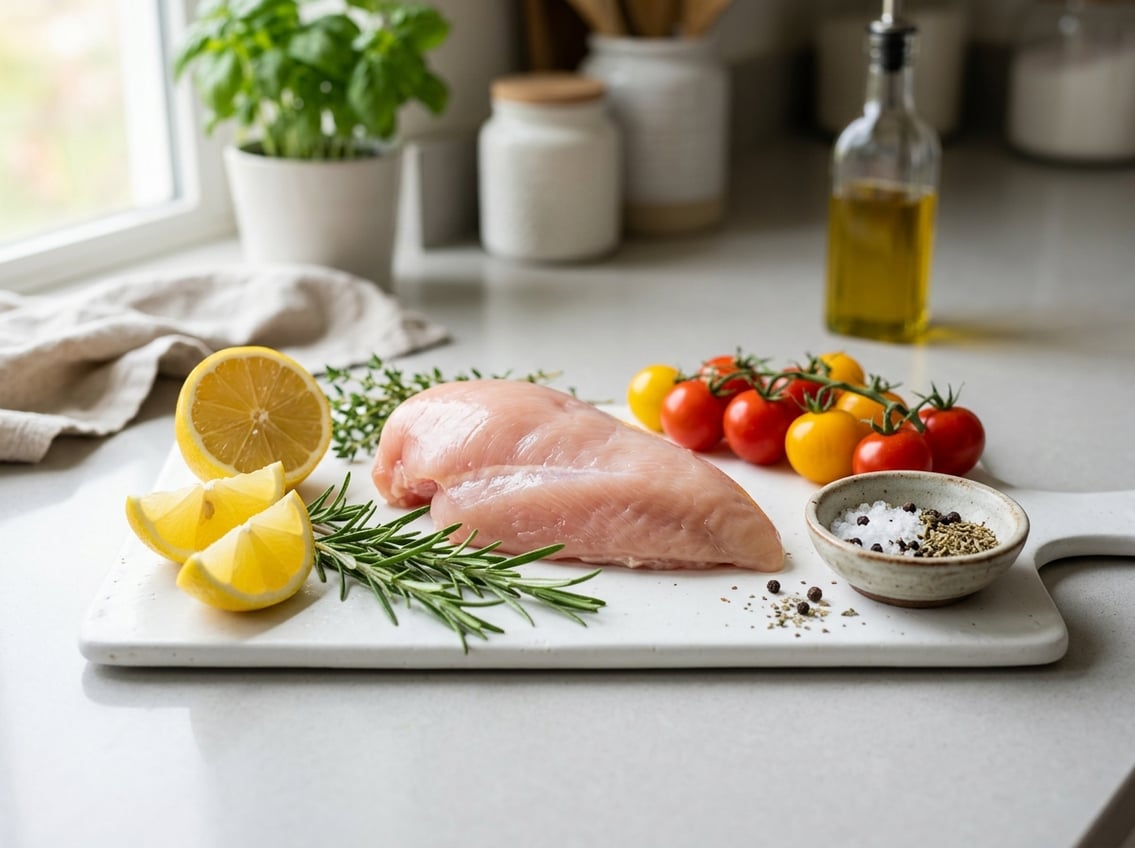
Chicken breast gives you high protein and low fat. Many people find that boneless skinless chicken breast fits well into a balanced eating pattern because it offers plenty of protein for a modest calorie cost.
A typical 100-gram serving of boneless skinless chicken breast contains about 120 calories, 2.6 grams of fat, and 22.5 grams of protein. A 3-ounce grilled serving has about 128 calories, 26 grams of protein, 2.7 grams of fat, and zero carbs, according to Verywell Fit.
Calories
Chicken breast is a low-calorie protein option compared with many other animal proteins. You can use it to keep meals lighter without giving up protein.
Cooked chicken breast is more calorie-dense by weight than raw chicken because water cooks off. Nutrition labels for cooked chicken breast often look different from raw values.
Protein, Fat, and Carbs
Chicken breast is one of the most efficient lean protein sources you can buy. It gives you complete protein with all nine essential amino acids your body needs.
- Protein: high
- Fat: low
- Carbs: zero or nearly zero
Skinless chicken breast is especially valued as a low-fat protein choice. If you track macros, chicken breast is easy to fit into many eating plans.
Key Vitamins and Minerals
Chicken breast provides more than protein. It gives you B vitamins such as niacin and vitamin B6, plus minerals like selenium, magnesium, and zinc, according to Nutrition Health Info.
These nutrients support energy use, immune function, and normal muscle and nerve activity.
Serving Size and Cooked vs. Raw Differences
A normal serving is about 3 to 4 ounces, which is close to the size of a deck of cards. Many packaged chicken breasts are much larger than that, so portion size matters.
Raw chicken breast and cooked chicken breast do not weigh the same after cooking. Cooked chicken usually looks higher in protein and calories per ounce because it has less water.
How It Supports Health and Body Composition
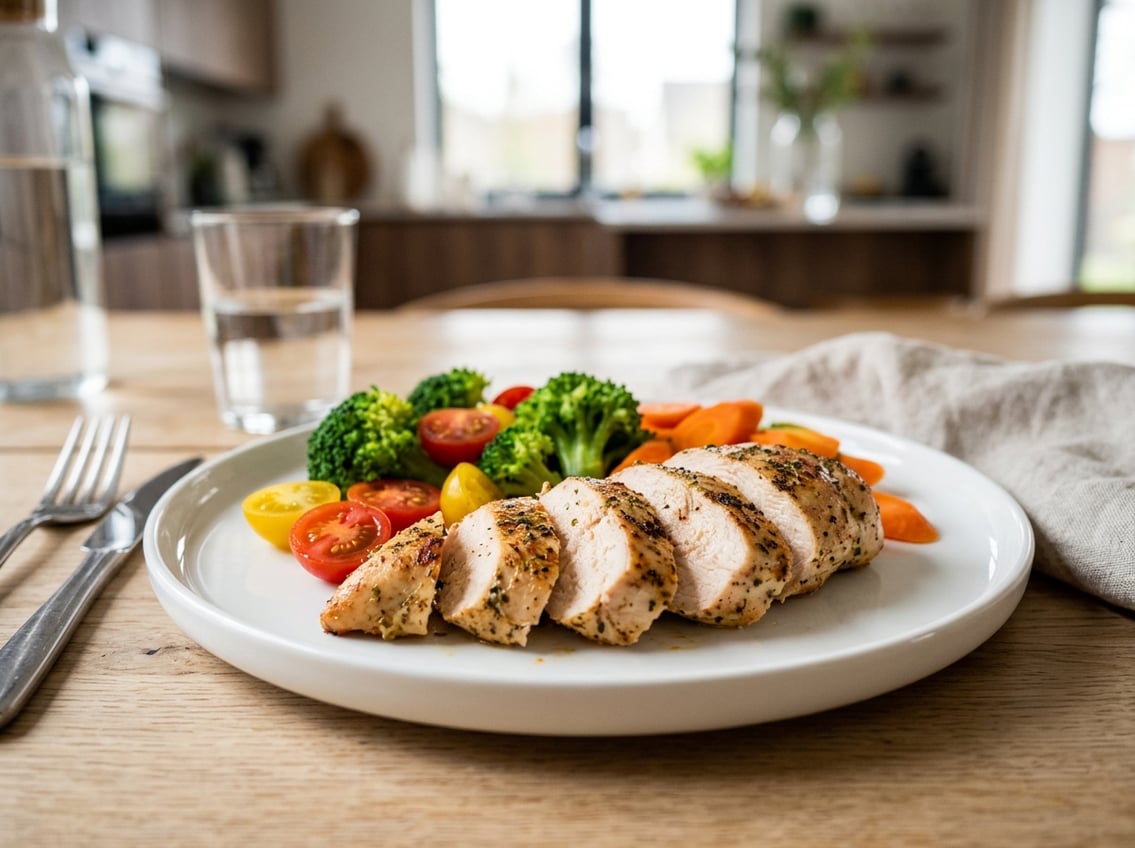
Chicken breast offers health benefits because of its high protein content and low fat. You can use it in meals to support muscle, fullness, and several basic body functions.
Many people ask if chicken breast is healthy. In most cases, it is, especially when you use healthy chicken preparation methods and balance it with vegetables, grains, beans, or fruit.
Muscle Maintenance, Recovery, and Lean Protein Intake
Your body uses protein to repair tissue and maintain muscle. Lean protein sources like chicken breast appear often in sports diets and everyday meal plans.
If you exercise, chicken breast can help you reach your daily protein needs without a lot of extra fat. It also gives you amino acids that help after workouts and during recovery.
Satiety, Weight Management, and Everyday Fullness
High-protein meals keep you full longer than low-protein meals. Chicken breast helps with this because it is a low-fat protein that still feels substantial on the plate.
That full feeling may help you avoid extra snacks between meals. A simple chicken breast meal with vegetables and fiber-rich sides can make calorie control easier.
Bone, Metabolism, Mood, and Sleep Support
Chicken breast contains nutrients that support bone health, including phosphorus and selenium. It also provides B vitamins that help your body release energy from food.
Protein and B vitamins may also support normal brain and nerve function, which matters for mood and sleep. Chicken breast is not a cure for sleep problems or mood concerns, but it can fit in a nutrient-rich diet that supports those needs.
What Changes Its Health Value
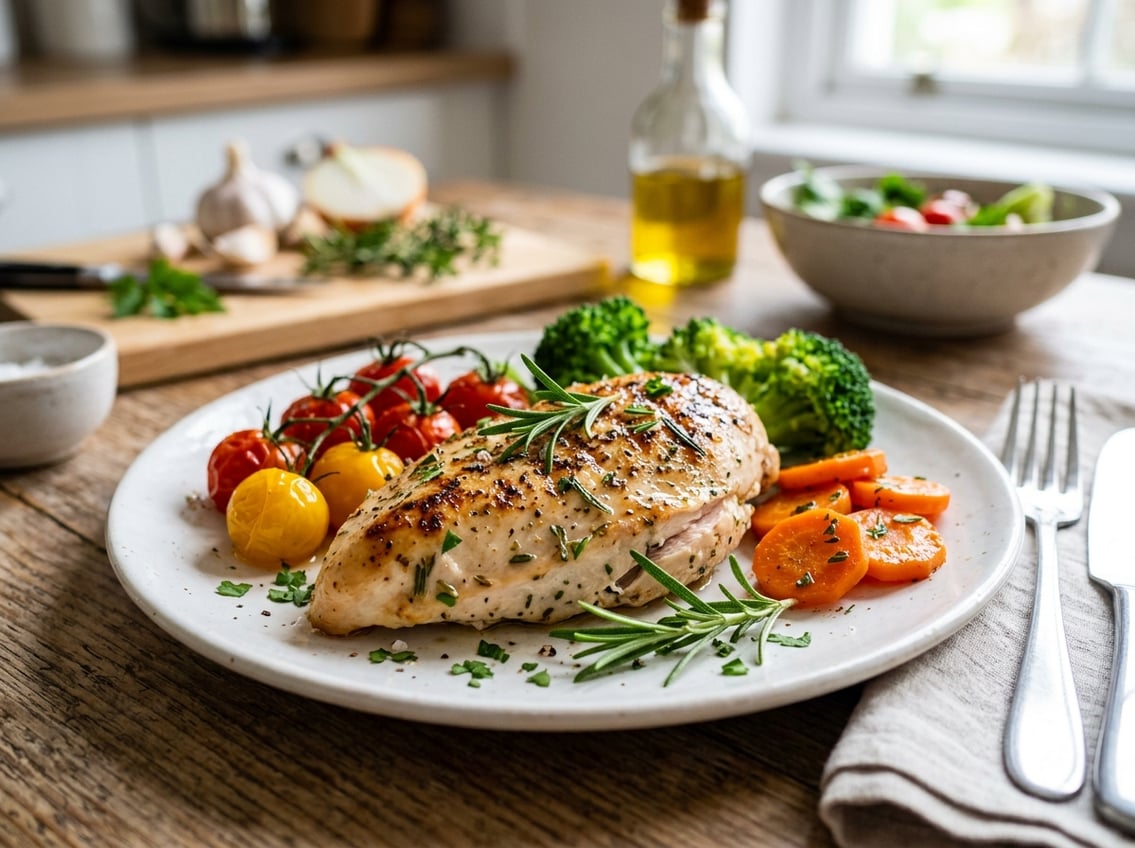
The health value of chicken breast depends on the cut, the cooking method, and what you add during preparation. A plain, skinless chicken breast is very different from breaded or heavily sauced chicken.
Skinless vs. Skin-On Nutrition
Skinless chicken breast stays much leaner because the skin adds extra fat and calories. If your goal is a healthy chicken option, skinless chicken breast is usually the better pick.
Keeping the skin on can improve flavor and moisture, but it also changes the nutrition profile. If you want a lighter meal, removing the skin matters.
Chicken Breast vs. Chicken Thigh
Chicken thigh has more fat and more calories than chicken breast. That does not make it unhealthy, but it is less lean.
If you want a lean protein source, chicken breast usually fits better. If you want a richer taste and do not mind extra fat, thigh can still be part of a balanced diet.
Cooking Methods, Added Fat, and Advanced Glycation End Products
Grilled chicken breast and baked chicken breast are usually strong choices because they can stay low in added fat. Frying, heavy breading, and creamy sauces can change that fast.
Very high-heat cooking can also raise advanced glycation end products, which form when protein and sugar react during cooking. You do not need to avoid grilling, but lighter cooking methods and less charring can help you keep your meal closer to healthy chicken territory.
Smart Ways to Add It to Meals
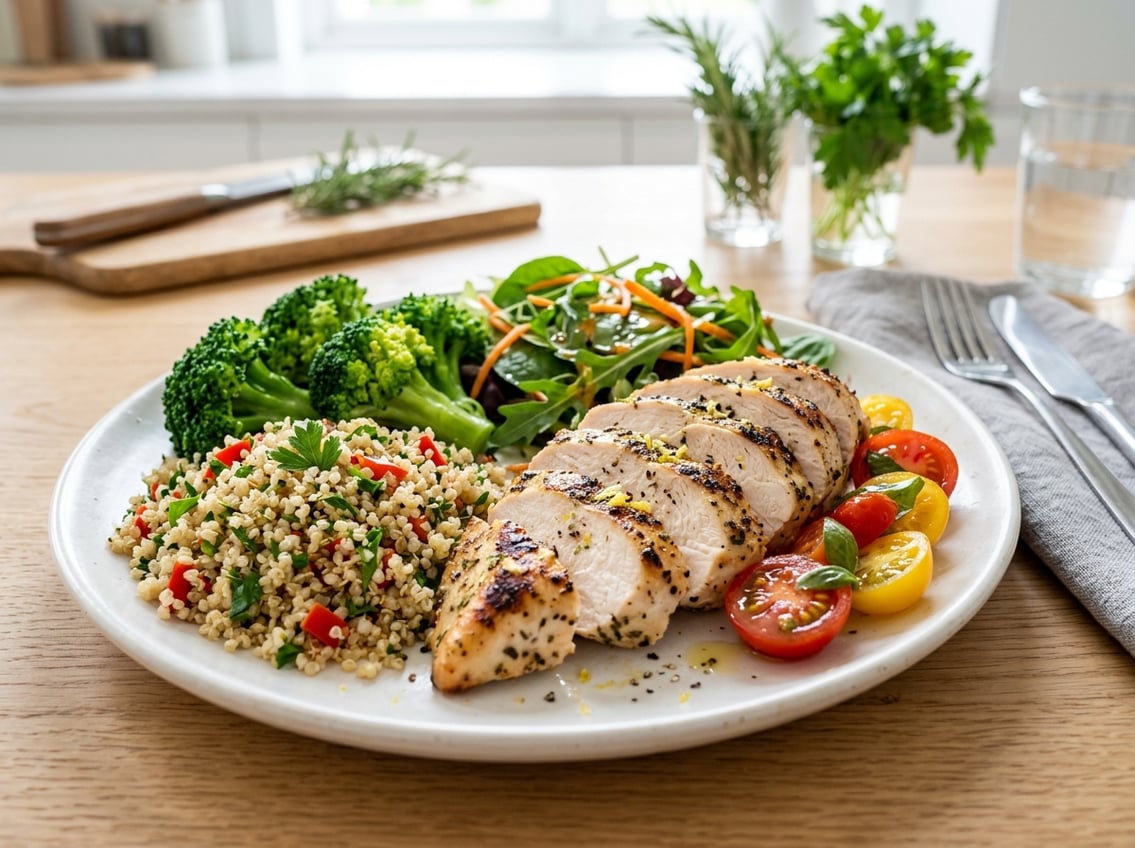
Chicken breast is easy to use because it fits many meals and cooking styles. With a few simple habits, you can turn it into a fast weeknight protein or a reliable meal prep staple.
Best Uses for Weeknight Cooking and Meal Prep
Boneless skinless chicken breast works well when you need a simple protein for several meals. You can cook it once and use it in bowls, salads, sandwiches, tacos, or pasta dishes.
For meal prep, keep seasoning simple so the chicken works with different sides. Grilled chicken breast and baked chicken breast both store well for a few days in the fridge.
Healthy Chicken Breast Recipes to Try
Healthy chicken breast recipes do not need to be complicated. Try these ideas:
- Grilled chicken breast with lemon, garlic, and herbs
- Baked chicken breast with paprika and black pepper
- Sliced chicken breast over greens with beans and avocado
- Chicken breast with roasted vegetables and brown rice
These recipes keep the focus on protein without piling on extra fat.
Pairing Chicken Breast With Balanced Sides
Chicken breast pairs well with fiber and color. Add vegetables, beans, whole grains, or fruit for a complete meal.
A good plate includes chicken breast, roasted broccoli, and quinoa with a small amount of olive oil. This balance gives you more nutrients and makes the chicken enjoyable day after day.


