
Should Chicken Breast Be Cooked on High Heat? Best Method
You may wonder, should you cook chicken breast on high heat when you want it juicy, safe, and well browned. High heat can work very well when you use the right method, the right thickness, and the right timing.
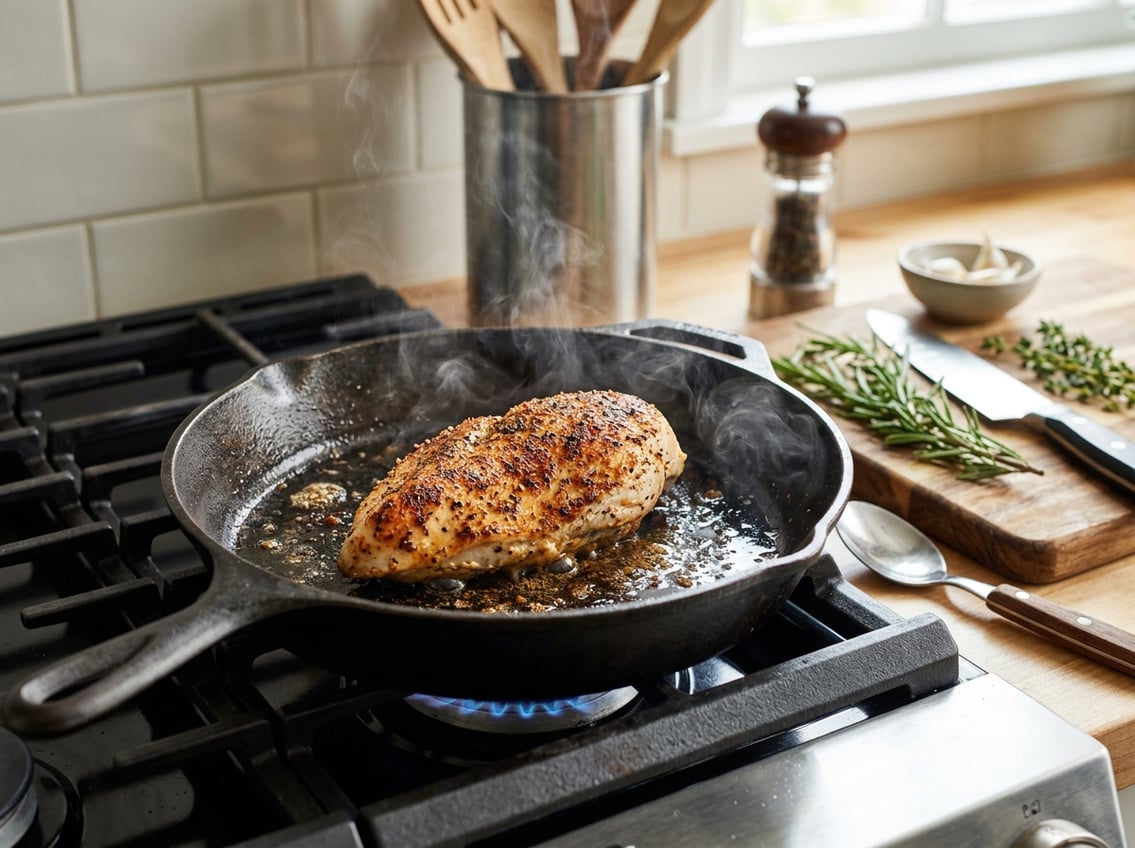
Chicken breasts are lean, so they dry out more easily than fattier cuts. The best approach is not just about heat, but also about prep, pan size, and checking the final temperature.
You can cook chicken breast on high heat, but it works best for fast searing, grilling, or a hot oven finish. Stop cooking as soon as the meat reaches a safe temperature.
When High Heat Works Best
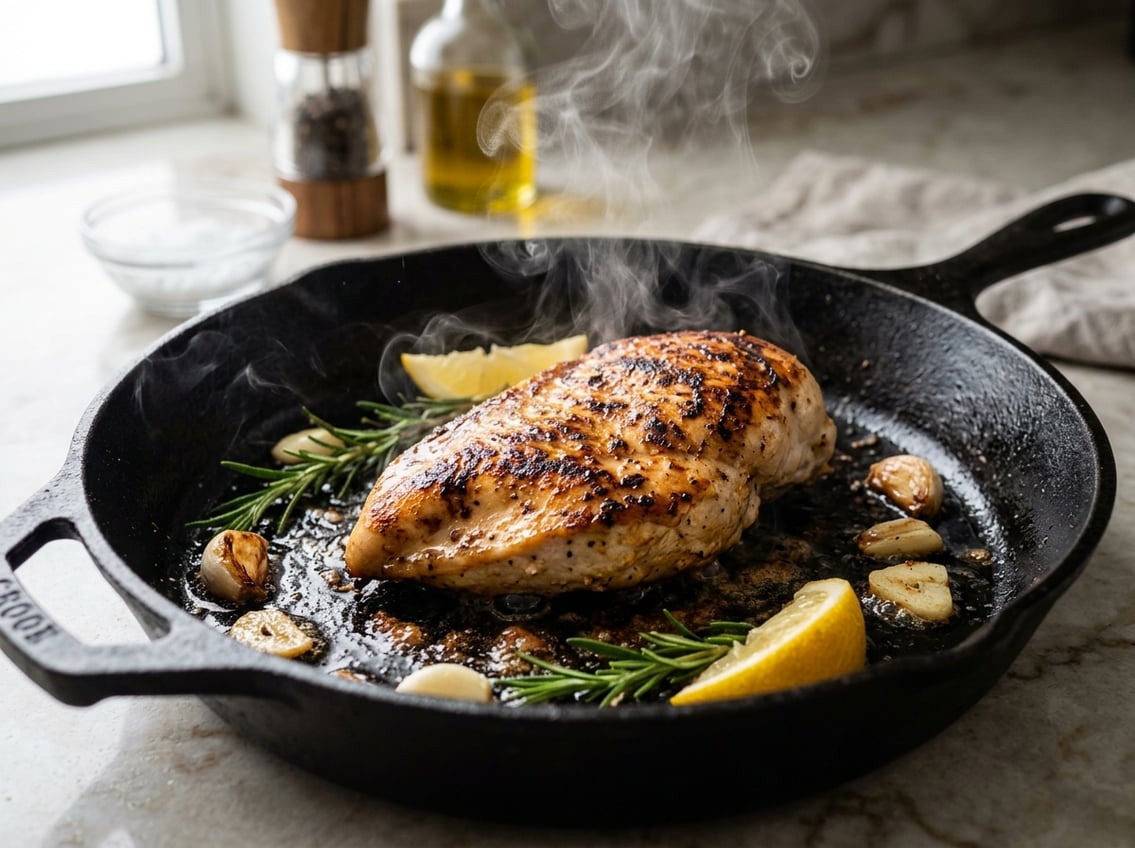
High heat works well when you want quick cooking and good browning. It helps most with thinner chicken breasts, boneless chicken breasts, and baking chicken breast in a very hot oven for a short time.
Keep the cooking time short to avoid drying out the meat. High heat can create a crisp crust and fast cook time, but it raises the risk of overcooking if you are not careful.
Why Fast Cooking Can Keep White Meat Juicier
Chicken breasts are lean and do not have much fat to protect them. Fast cooking helps you remove the meat from the heat before too much moisture escapes.
This method works best when the chicken is thin and evenly shaped. If one side is much thicker, the outside may dry out before the center is done.
Best Uses for Skillet, Grill, and High-Heat Oven
A hot skillet gives you quick browning and strong flavor. A grill works well when you want direct heat and a little char.
A hot oven can be a good choice for baking chicken breast, especially for a fast finish after a short sear. High heat is most effective when you stay attentive and use a thermometer.
How the Maillard Reaction Improves Browning and Flavor
The Maillard reaction happens when proteins and sugars react at high heat. It gives chicken breast a deeper color and a more savory taste.
That browning matters because plain chicken breast can taste mild. A well-browned surface adds more flavor without extra ingredients.
When Lower or Moderate Heat Is the Better Choice
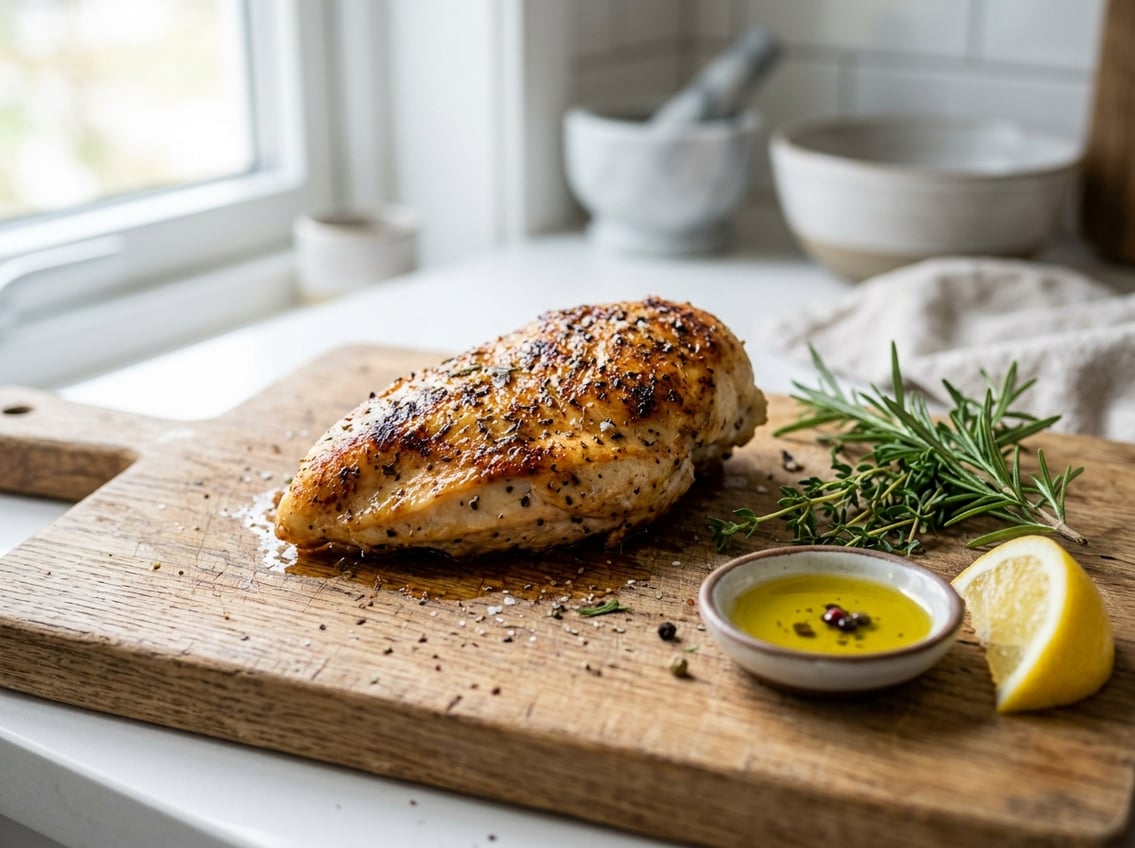
Lower or moderate heat gives you more control when the chicken is thick, uneven, or very lean. It can help prevent chicken from drying out, especially when you need more time for the center to cook through.
This approach is better when you want a gentler rise in temperature and a wider window before the meat becomes dry. It can also help when you cook more than one piece at a time.
How Thickness and Shape Affect Even Cooking
A thick chicken breast needs time for heat to reach the center. If the outside gets too hot too fast, the outer layers can become dry before the inside is safe to eat.
Pound the breast to an even thickness to help it cook evenly. Choose moderate heat when the piece is large or shaped unevenly.
Why Gentle Heat Helps Prevent Dry, Rubbery Results
Gentle heat gives the meat more time to warm through without squeezing out as much moisture. This makes it easier to keep chicken breasts tender instead of rubbery.
This method is useful when you want a more forgiving approach. It is a good choice if you often worry about overcooking.
Why Chicken Thighs Handle Heat Differently
Chicken thighs have more fat and connective tissue than chicken breasts. That extra fat helps them stay moist during longer cooking times.
Chicken thighs usually handle heat better and are less likely to dry out. Chicken breasts need more care because they are much leaner.
Prep Steps That Matter More Than Heat Alone
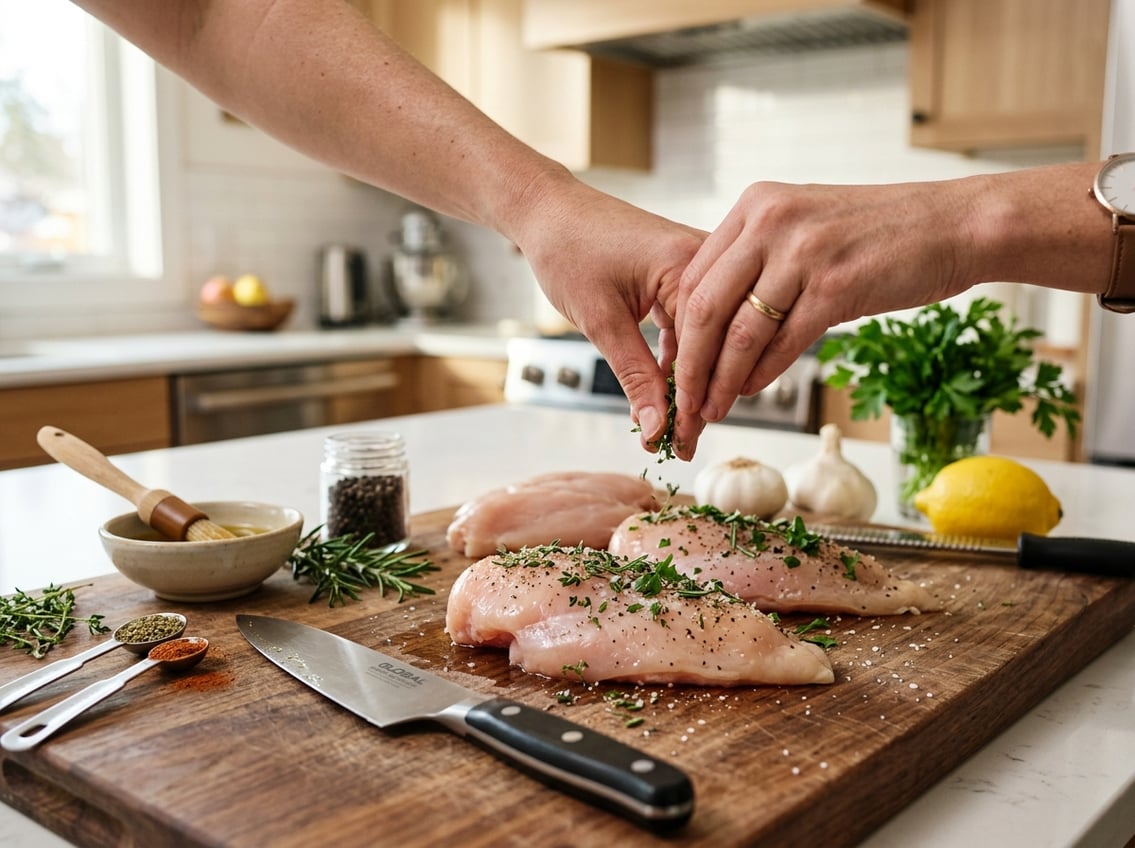
Heat matters, but prep can matter just as much. A good brine, a smart marinade, and proper drying and resting do more to protect texture than changing the burner setting alone.
If you want to prevent chicken from drying out, start before the chicken hits the pan or oven. Good prep gives you a wider margin for error.
How a Brine Helps Lean Meat Hold Moisture
A brine is a saltwater soak that helps chicken breasts retain more moisture during cooking. It is especially useful for boneless chicken breasts, which dry out faster than bone-in cuts.
A short brine can make a noticeable difference in texture. Even a simple saltwater solution helps the meat stay juicier.
When to Use a Marinade for Flavor and Tenderness
A marinade is most useful when you want added flavor along with some tenderness. Acidic ingredients, oil, herbs, and spices all help season the surface and improve the final taste.
Marinades do not replace proper cooking. They work best as a flavor step, not a fix for overcooking.
Drying, Seasoning, and Resting Before and After Cooking
Pat the chicken dry before cooking so the surface browns well. Season it evenly so the flavor is not limited to the outside.
After cooking, let the chicken rest before slicing. That helps the juices settle so they stay in the meat instead of running out on the cutting board.
How to Check Doneness Without Overcooking
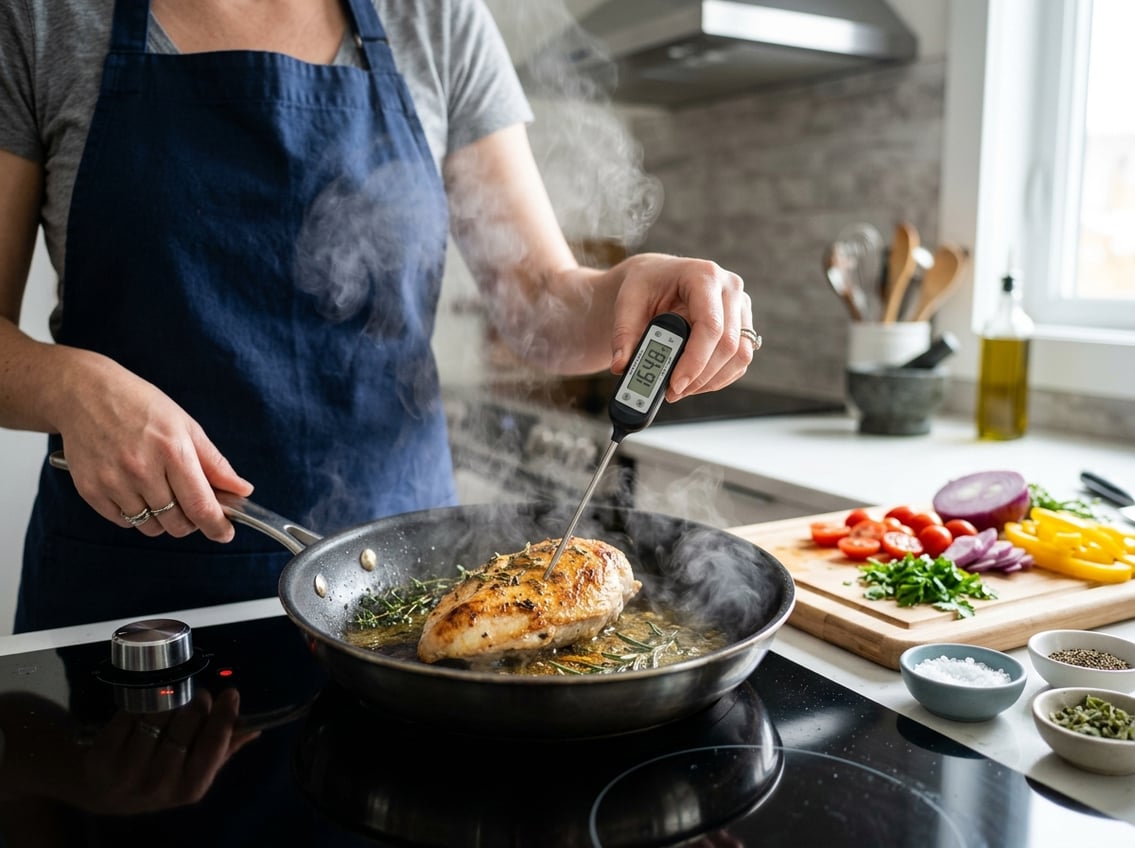
Check the temperature to cook chicken breasts safely and reliably, not just the color. A meat thermometer gives you a clear reading and helps you stop before the meat turns dry.
Many cooks overcook chicken breast because they wait for visual signs alone. That often means the chicken stays on the heat too long.
Why You Should Use a Meat Thermometer
Use a meat thermometer because chicken breasts can look done before they are fully safe. Color and texture can be misleading, especially with thicker pieces.
The safe internal temperature is 165°F. A thermometer gives you a direct check instead of a guess.
Best Internal Temperature for Juicy, Safe Results
The target temperature for chicken breast is 165°F in the thickest part. That temperature is where safety and good texture meet.
If you pull it much higher, the meat is more likely to dry out. If you pull it lower, you risk undercooking.
Carryover Cooking and Resting Time Explained
Chicken keeps cooking for a few minutes after you remove it from the heat. This process is called carryover cooking and can raise the final temperature slightly.
You can take the chicken off the heat when it reaches 165°F, or a few degrees before if the piece is large and still resting in a hot pan or on a tray. Resting for a few minutes helps the juices stay inside the meat.


