
Is It Ok to Eat Chicken Breast Everyday? What to Know
If you ask is it ok to eat chicken breast everyday, the short answer is yes for many healthy adults, as long as your meals stay balanced and you prepare your chicken safely.
Chicken breast provides a dependable source of protein and fits well into many meal plans.
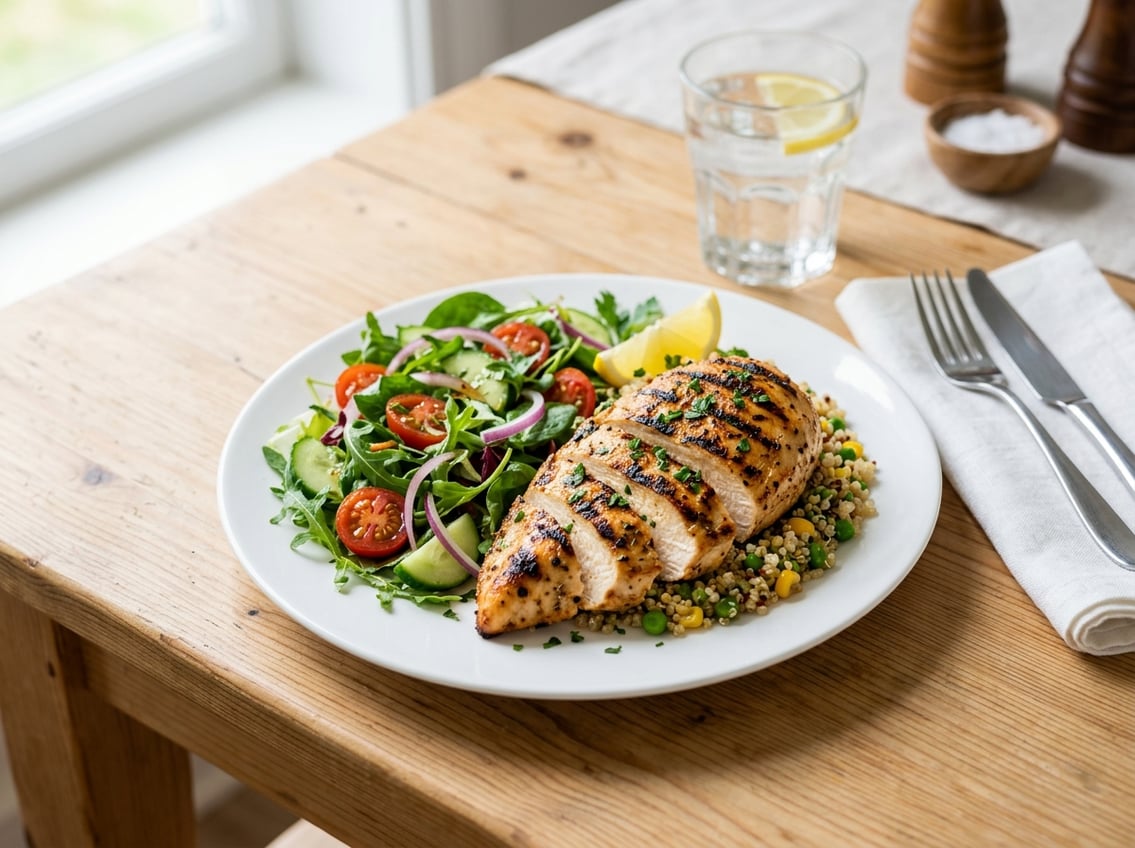
The real question is whether daily chicken breast gives you enough variety in fats, fiber, and other nutrients.
If chicken is your main protein every day, the rest of your diet matters just as much.
For most people, daily chicken breast works fine in moderation.
Choose skinless chicken breast, use healthy cooking methods, and make sure you include other protein sources during the week.
What Daily Chicken Breast Does Well
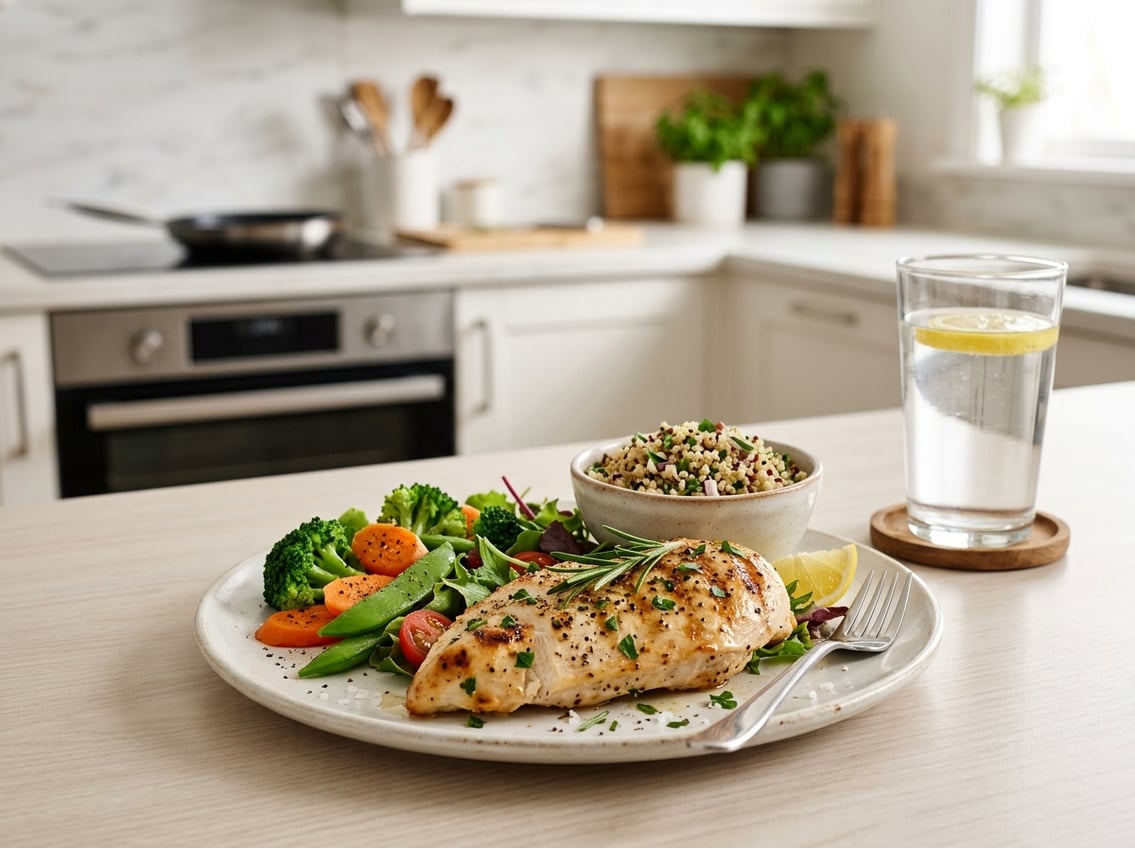
Chicken breast is a practical lean protein choice you can keep in your rotation.
It gives you a lot of protein with very little fat when you choose skinless chicken breast and prepare it simply.
It also works well if you want easy meals that support your protein target without a lot of extra calories.
Why It Is a Reliable Lean Protein Option
Chicken breast is a familiar lean protein source because you can find it easily, cook it quickly, and pair it with many flavors.
A plain skinless chicken breast is lower in fat than many red meats, making it useful when you want a lighter main dish.
It pairs well with vegetables, whole grains, beans, and healthy sauces.
That makes it easier to build balanced meals without changing your whole diet.
How It Supports Satiety, Muscle Repair, and Protein Goals
Protein helps you feel full after meals, so chicken can reduce the urge to snack soon after eating.
It also supports muscle repair after exercise and helps you meet daily protein goals more easily.
That is one reason active people, older adults, and anyone trying to maintain muscle while managing weight benefit from eating chicken.
According to a review of daily chicken habits and their effects, chicken can support weight management and recovery when cooked well and eaten in reasonable portions, as described in this overview of eating chicken every day.
Key Nutrients in Skinless Chicken Breast
Skinless chicken breast gives you more than protein.
It also provides B vitamins like niacin and B6, plus minerals such as selenium, phosphorus, and zinc.
These nutrients help your body turn food into energy, support immune function, and assist tissue repair.
If you want a simple, nutrient-dense protein, skinless chicken breast does that job well.
Where a Daily Habit Can Fall Short
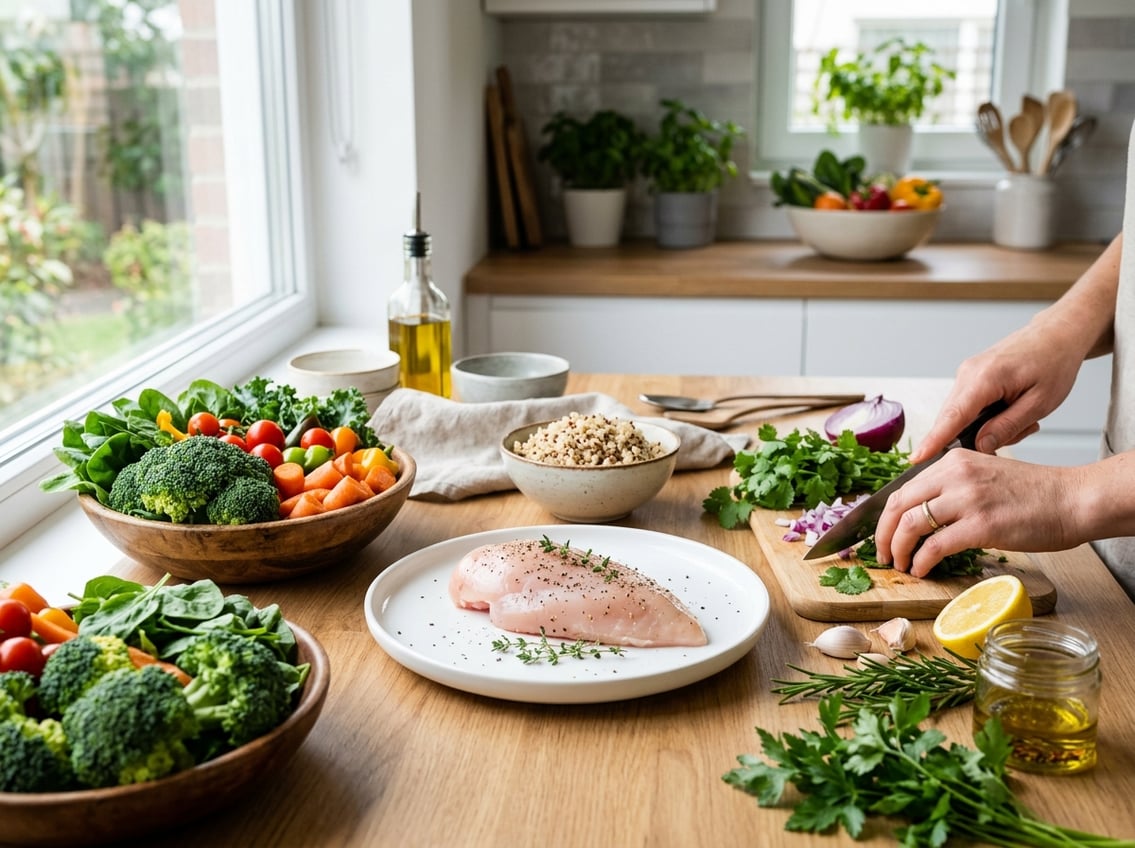
Eating chicken every day can crowd out other protein sources and important foods.
Your body needs more than lean protein sources to stay healthy; it also needs healthy fats, fiber, and a wider mix of vitamins and minerals.
The quality of the chicken and how you process it also changes the picture.
What You Miss When Other Proteins Get Crowded Out
If chicken replaces fish, beans, lentils, eggs, nuts, and dairy too often, your diet may lose variety.
Those foods bring nutrients that chicken does not provide in large amounts, such as omega-3 fats, calcium, and fiber.
A diet built around only one or two protein sources can also get repetitive fast.
Variety helps you cover more nutrients across the week.
Potential Concerns With Cholesterol, Additives, and Processing
Chicken breast is lean, but it still contains dietary cholesterol.
If you eat large portions every day, especially with the skin or rich sauces, your intake can climb faster than you expect.
Processed chicken products are a different issue.
Nuggets, deli meats, sausage, and breaded frozen items often contain more sodium, preservatives, and added fat than plain chicken.
These foods are not the same as a simple skinless chicken breast, and they should not count as the same choice.
Sourcing Questions Around Antibiotics and Farming Practices
Some shoppers worry about antibiotics in chicken, raised without antibiotics claims, and free-range chicken labels.
These labels can matter, but they do not tell you everything about nutrition.
Farming practices vary, and not every label means the same thing.
If you want more background on common concerns, including antibiotics and processed poultry, see this expert discussion of chicken every day.
Choosing reputable brands and reading labels can help, but variety in your diet still matters most.
How to Make It a Healthier Routine

If you want chicken breast in your routine every day, keep portions sensible and cooking simple.
The healthiest way to cook chicken usually avoids heavy breading, deep frying, and excess oil.
Food safety is important, since raw chicken can carry campylobacter and other harmful germs.
Best Portion Size and Frequency for Most Adults
For most adults, a reasonable serving is about 3 to 6 ounces of cooked chicken breast per meal, depending on your calorie and protein needs.
If you eat chicken daily, rotate other proteins during the week so your diet stays balanced.
You do not need chicken at every meal to meet your protein goals.
One daily serving can fit well if the rest of your meals include vegetables, fruit, whole grains, and healthy fats.
Healthiest Cooking Methods for Everyday Meals
Use healthy cooking methods like grilling, baking, or poaching chicken breast.
These methods keep added fat low and help the chicken stay tender.
If you want more flavor, marinate chicken breast with herbs, citrus, garlic, or yogurt before cooking.
That gives you taste without relying on heavy breading or sugary sauces.
For practical daily meal ideas, this article on eating chicken every day notes that variety in cooking methods and side dishes makes the routine easier to keep healthy.
Food Safety Tips for Handling and Storing Chicken
Keep raw chicken separate from ready-to-eat foods, cutting boards, and utensils.
Wash your hands after handling chicken.
Cook chicken to an internal temperature of 165°F to lower the risk of foodborne illness from bacteria like campylobacter.
Store raw chicken in the refrigerator promptly.
Do not leave chicken out at room temperature for long periods.
If you buy extra chicken, freeze it soon to stay within safe storage time.


