
Chicken Breast Different Ways to Cook for Juicy Results
You can cook chicken breast in different ways and still get juicy results if you match the cut, technique, and timing to the method. Choose the right heat level, thickness, and finish for the chicken you bought.
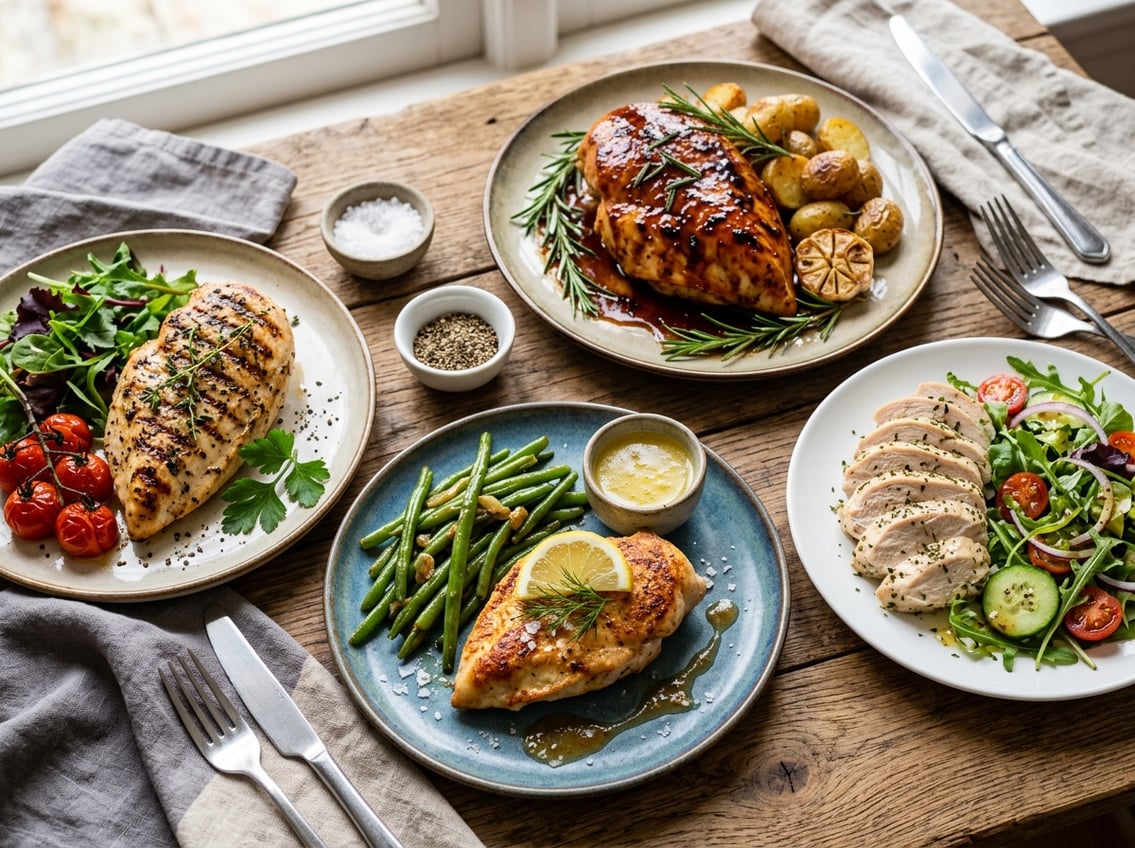
Cook chicken breast to the right internal temperature, then let it rest so the juices stay in the meat instead of running out.
That matters whether you are building weeknight recipes, planning healthy meals, or making a chicken breast recipe for lunch the next day. Chicken breast is lean, so a small mistake can dry it out fast.
Choose the Best Chicken Breast for the Method
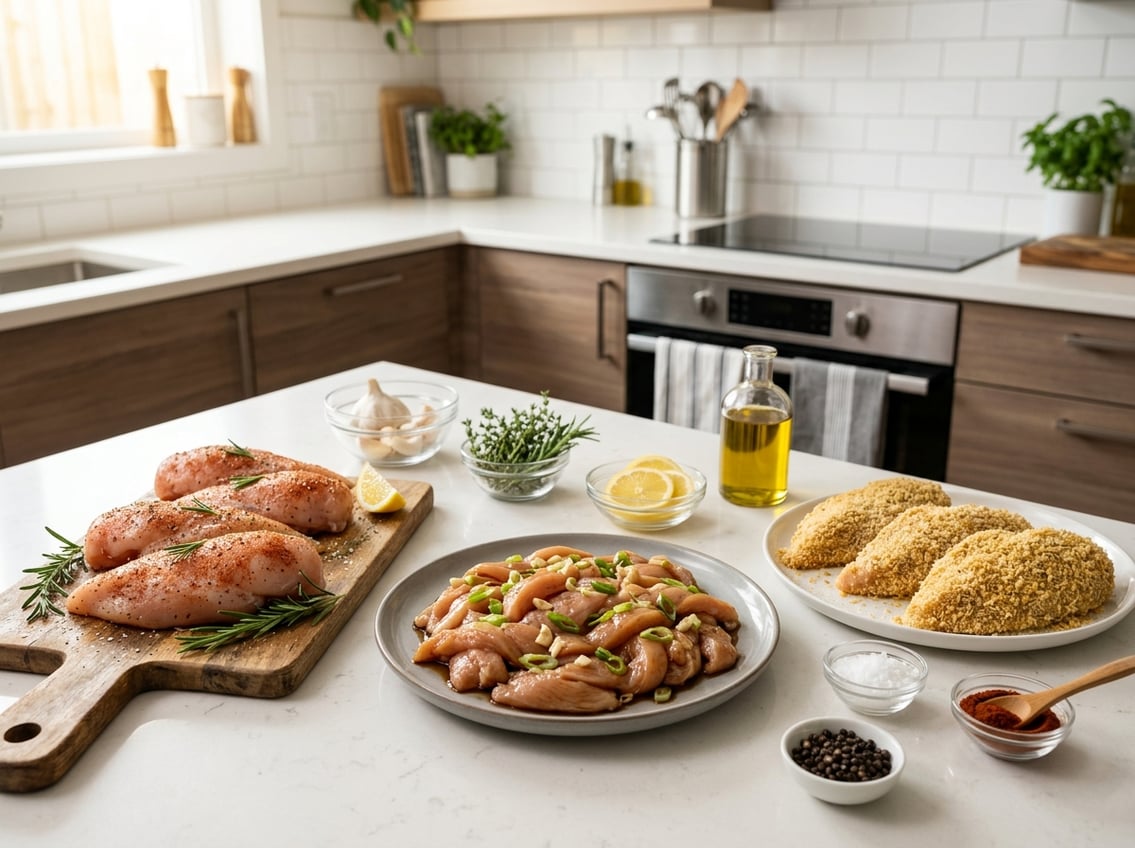
The cut you choose changes how forgiving the cooking method will be. If you want a juicy chicken breast, start with the right size, shape, and bone structure.
Boneless vs. Bone-In Cuts
Boneless chicken breast cooks faster and works well for busy nights, sliced salads, and cutlets. Bone-in chicken breast takes longer, but the bone helps distribute heat and keeps the meat more tender and flavorful, as Real Simple’s guide to cooking chicken breasts explains.
If you want speed, choose boneless skinless chicken breast. If you want more moisture and a classic plated dinner, bone-in chicken breast can give you a better result.
Skinless Chicken Breast and Boneless Skinless Chicken Breast Basics
Skinless chicken breast is lean and easy to season. Boneless skinless chicken breast is the most common choice for grilling, baking, pan-searing, and shredding because it cooks evenly and is easy to portion.
Use boneless chicken breast for clean slices, quick cooking, or low-fat meals. Use bone-in cuts when you want more flavor and extra protection from dry heat.
How Thickness Affects Even Cooking and Juiciness
Thick and thin chicken breast do not cook the same way. If one end is much thicker, the thin end dries out before the center is done.
Pound boneless breasts to an even thickness so they cook at the same rate. This helps when you grill, make cutlets, or pan-sear chicken.
Why a Meat Thermometer Matters
A meat thermometer removes guesswork. Chicken should reach 165°F in the thickest part, but many cooks pull it at 160°F so carryover heat finishes the job during rest, as Real Simple notes.
This habit protects texture and gives you safe chicken without overcooking.
Cook Chicken Breast With the Right Technique
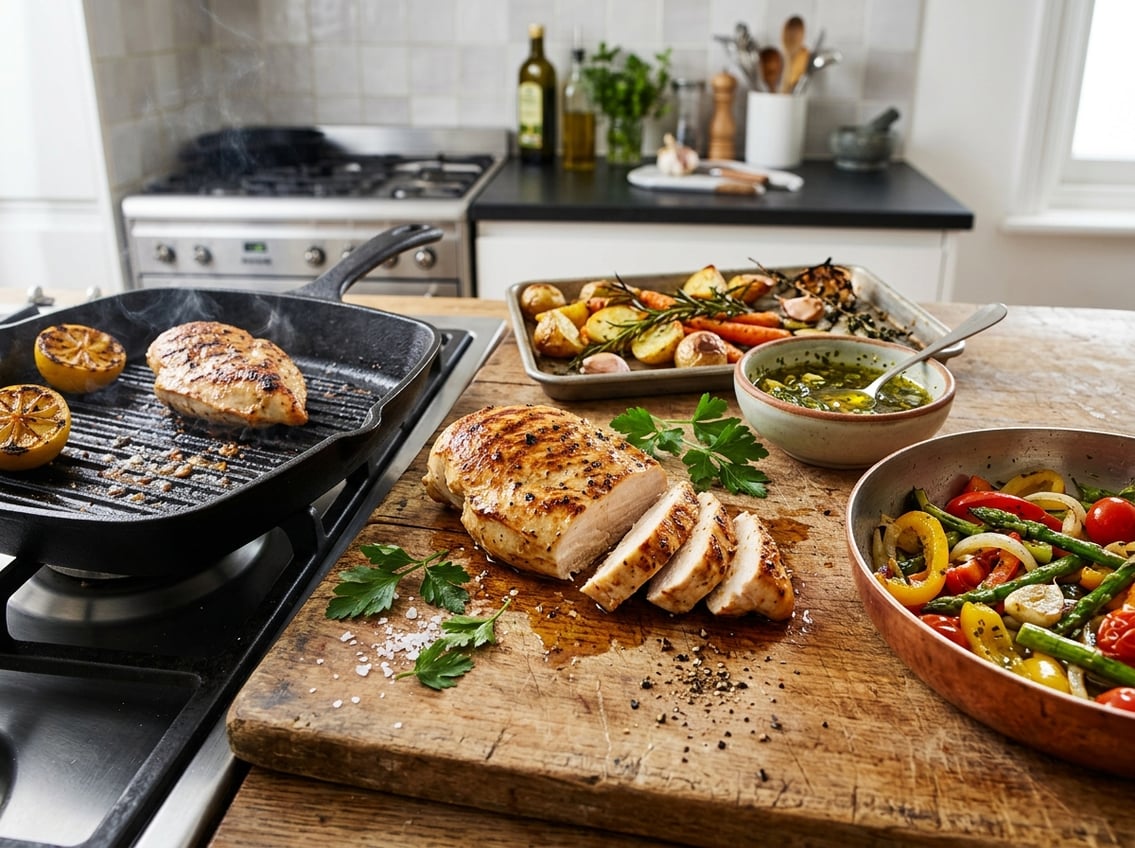
Each cooking method gives you a different texture. Bake chicken breast for ease, grill for char, poach for tenderness, and pan-sear or slow-cook when you want flexibility.
How to Bake Chicken Breast
Bake chicken breast at high heat and give each piece space. A hot oven around 425°F cooks chicken quickly without drying it out.
Place seasoned chicken on a rimmed pan, brush with oil, and check with a meat thermometer. Baking works well for simple meals and easy cleanup.
How to Grill Chicken Breast
Start with even thickness and a preheated grill. Grill marks add flavor and appearance, and grilled chicken breast works for salads, sandwiches, and dinner plates.
Pound the breasts if needed, oil the grates, and cook until the center reaches 165°F. Grilled chicken breasts make a fast weeknight option.
How to Poach Chicken Breast
Keep the water at a gentle simmer, not a boil. Poached chicken breast stays soft and works for meal prep, soups, and cold dishes.
Add aromatics like bay leaves, peppercorns, herbs, onion, carrot, or celery for more flavor. Poaching is good when you want mild chicken to season later.
Pan-Searing and Cutlet Cooking
Pan-searing gives you a browned exterior and a moist center. Thin chicken cutlets cook fast, so they work for quick dinners and coated dishes.
If the breast is thick, slice it into cutlets or pound it flat before cooking. This gives you faster cooking and less risk of dry edges.
Slow Cooker Chicken for Shredding and Meal Prep
Use a slow cooker when you want shredded chicken for tacos, soups, casseroles, or sandwiches. The low heat lets you batch-cook chicken breast for the week.
Add enough liquid or sauce to keep the meat moist. Shred it while warm for the best texture.
Use Marinades, Seasonings, and Timing to Keep It Juicy
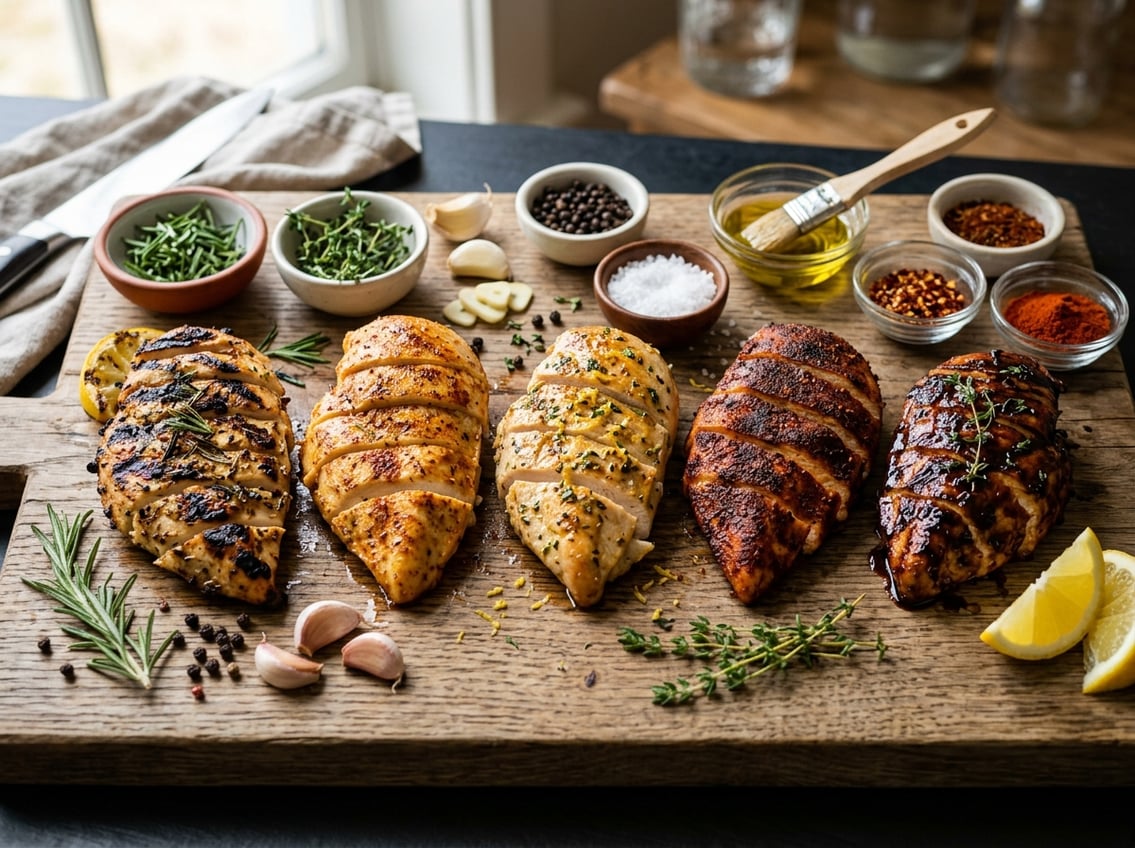
Flavor helps, and timing matters even more. A good marinade, a simple dry rub, and a short rest can keep chicken juicy.
Best Chicken Marinade Ratios and Rest Times
A basic marinade uses oil, acid, salt, and flavorings. The oil carries seasoning, the acid adds brightness, and the salt helps the meat taste seasoned through.
For boneless chicken breast, marinate long enough for flavor to soak in, then cook it soon after. Thin cuts need less time, while thicker pieces benefit from a longer rest in the fridge.
Dry Rubs, Ranch Seasoning, and Simple Pantry Flavors
Dry rubs give you flavor without liquid. Ranch seasoning, garlic powder, onion powder, paprika, black pepper, and dried herbs all work well.
These pantry flavors help you make quick recipes with a consistent result. They also fit into many wellness meal plans because they add flavor with little effort.
When to Pull Chicken From Heat and Let It Rest
Pull chicken breast from the heat when the thickest part is near 160°F, then rest it for a few minutes. The temperature rises as it sits, and the juices settle back into the meat.
Resting matters for baked, grilled, and pan-seared chicken. If you slice too soon, the juices run onto the cutting board.
Common Mistakes That Dry Out Chicken Breast
Overcooking is the biggest problem. Other mistakes include uneven thickness, wrong heat, skipping salt, and cutting into the chicken before it rests.
A dry chicken breast often means the timing was off. Using a thermometer and letting it rest solves most problems.
Turn Cooked Chicken Breast Into Easy Meals
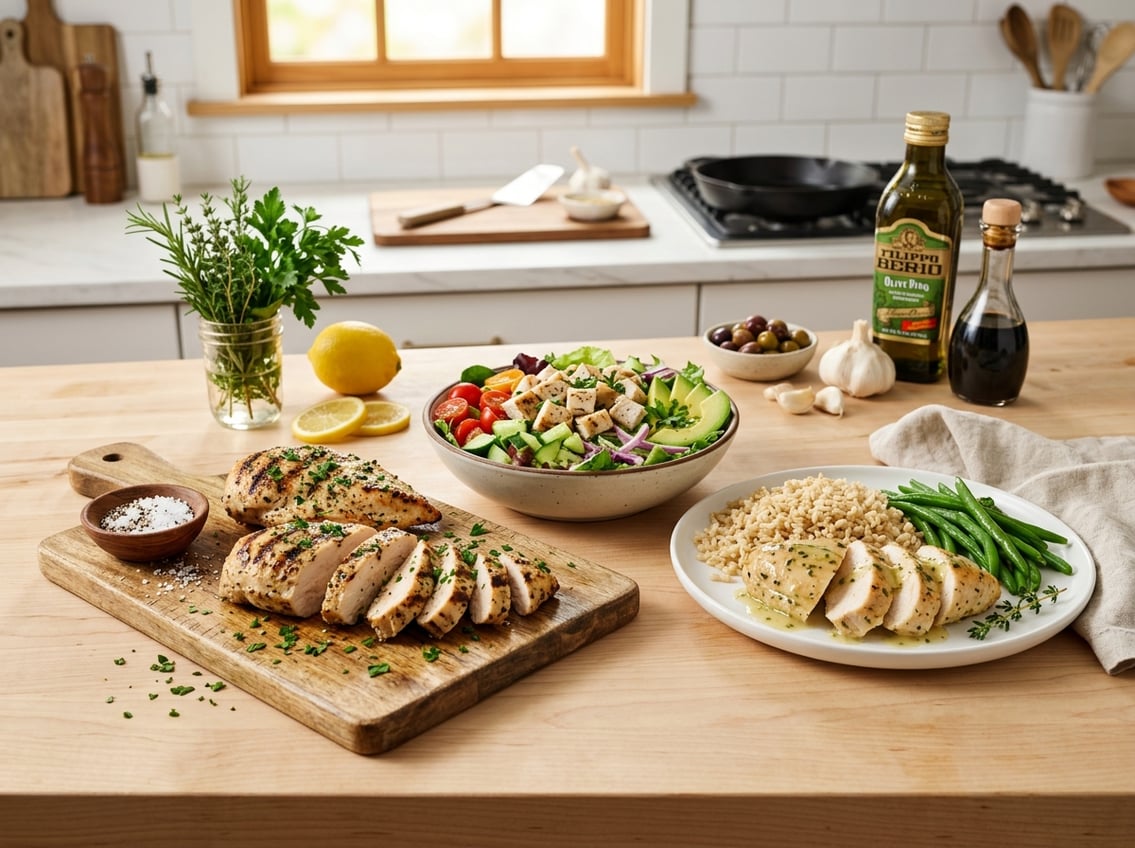
Cooked chicken breast gives you a head start on dinner. You can turn one batch into classic recipes, lighter lunches, or crispy plates without starting over.
Italian-Inspired Dishes Like Chicken Parmesan, Chicken Piccata, Chicken Marsala, and Chicken Florentine
Use cooked chicken breast for chicken parmesan when you want a baked, saucy dish with cheese. It also fits chicken piccata, chicken marsala, and chicken florentine, where the sauce does most of the work.
Warm cooked chicken gently in the sauce to keep the texture tender.
Family Favorites Such as Ranch Chicken, Chicken Fajitas, and Chicken Cordon Bleu
Make ranch chicken for an easy baked dinner with familiar flavor. Chicken fajitas work well with sliced or strip-cut chicken breast, and chicken cordon bleu gives you a more finished style for guests.
Adjust the seasoning to match your pantry.
Lighter Ideas Like Chicken Caesar Salad, Pesto Chicken, and Baked Lemon Chicken
Chicken Caesar salad is a simple way to use grilled or baked chicken. Pesto chicken adds strong herb flavor, while baked lemon chicken keeps the plate light and fresh.
These meals fit a health-minded routine and make good leftovers for lunch.
Crispy or Special-Occasion Options Like Chicken Schnitzel, Chicken Supreme, and Chicken Skewers
Thin pieces of chicken create a crisp coating for schnitzel.
Chicken supreme and chicken skewers offer a more polished style when you want something beyond a basic dinner.
Try these options for variety in your chicken breast recipes.
A change in shape, coating, or presentation can make the same protein feel new without adding much work.


